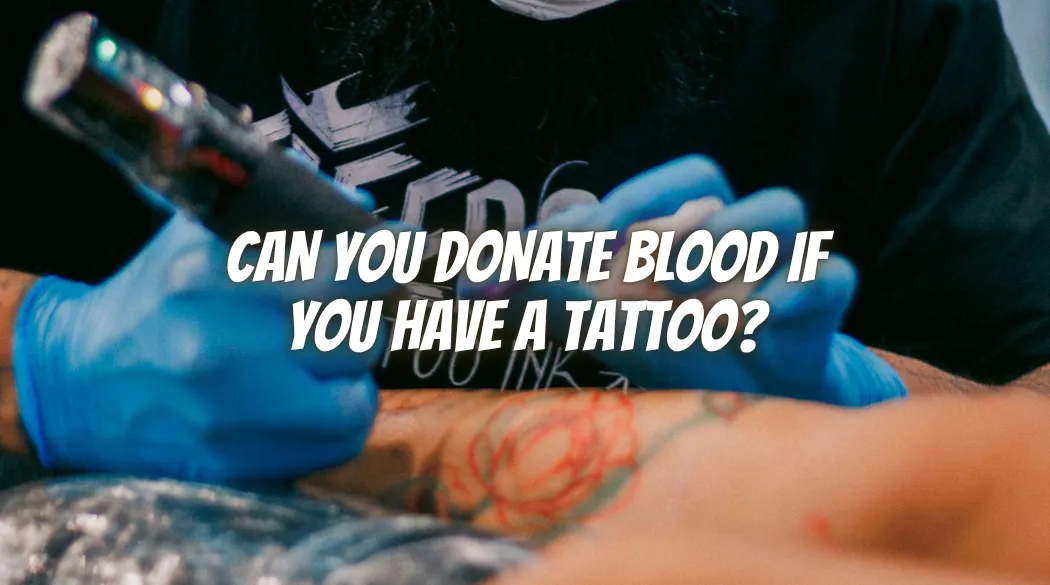
Can You Donate Blood If You Have a Tattoo?
Having a tattoo does not automatically stop you from donating blood. Donating blood after a tattoo is possible once any required waiting period has passed, and that window depends mostly on where and how you were tattooed. At Ink Different Tattoos, we hear this question from clients and aspiring Tattoo Artists all the time. This guide explains the rules and why a licensed tattoo studio matters.
Key Takeaways
Yes, you can donate: Having a tattoo does not permanently disqualify you from giving blood.
Licensed studios matter: In most states, a tattoo from a state-regulated, licensed tattoo studio carries no waiting period.
Standard wait: A three-month wait applies if your tattoo came from a state that does not regulate tattoo facilities, or from an unlicensed artist.
Safety is the reason: Waiting periods protect the blood supply from bloodborne infections like hepatitis.
The artist controls the risk: A well-trained Tattoo Artist using sterile practice is central to donor eligibility.
Can You Donate Blood If You Have a Tattoo?
Yes, you can donate blood if you have a tattoo. In most cases there is no wait if the tattoo came from a licensed, state-regulated tattoo studio, and a three-month wait otherwise.
Old myths told people that ink banned them from the donation chair for life. That is not true. The guidelines focus on the risk of bloodborne infection when the tattoo was applied, not on the tattoo itself.
According to the American Red Cross, a tattoo is acceptable in most states if it was applied by a state-regulated entity using sterile needles and ink that is not reused.
Donors are needed. According to the American Red Cross, someone in the U.S. needs blood or platelets every two seconds, and only about 3% of age-eligible people donate each year. Blood cannot be manufactured, so every eligible donor matters.

How Long Do You Have to Wait to Donate Blood After a Tattoo?
In most states, there is no wait if your tattoo came from a state-regulated, licensed tattoo studio using sterile, single-use needles and ink that is not reused. Otherwise, you generally wait three months.
The waiting period covers the window when a bloodborne infection might not yet show up on screening tests. If the tattoo was applied under regulated, sterile conditions, that risk is considered lower.
Here is the general breakdown:
Regulated state, licensed tattoo studio: Generally no waiting period.
State that does not regulate tattoo facilities: A three-month wait.
Unlicensed artist, home tattoo, or self-applied tattoo: A three-month wait, even in a regulated state.
Rules vary by blood center, and the list of states that do not regulate tattoo facilities changes. Check the Red Cross eligibility page or call your blood center before you book.
Why Do Blood Banks Have Tattoo Rules at All?
Blood banks set tattoo rules to protect the blood supply from bloodborne infections, mainly hepatitis B and hepatitis C, which can spread through contaminated needles or unsterile equipment.
All donated blood is tested for hepatitis B and C, but the Red Cross notes the tests are not perfect. A single contaminated donation can put patients at risk, so the screening standards stay strict on purpose.
The real concern is not the ink itself. It is the equipment and practices behind the needle. When a tattoo is done with proper hygiene, that risk shrinks. This is why the OSHA bloodborne pathogen standards exist and why professional Tattoo Artists train hard to follow them.
Quick Tip: Keep a record of where and when you got your tattoo. If a donation center asks, knowing your tattoo studio was licensed can save you from an unnecessary waiting period.
How Does Getting Tattooed at a Licensed Studio Change the Rules?
Getting tattooed at a licensed tattoo studio in a regulated state can mean no waiting period, because the state regulates the facility and sets sterilization and sanitation standards.
When a state regulates tattoo facilities, it enforces rules on sterilization, single-use needles, and sanitation. That oversight is what gives blood banks confidence to skip the wait.
This is one more reason to be careful about who tattoos you. A tattoo from an unlicensed artist can mean a three-month wait, on top of the risks to your skin and your health. Choosing a reputable tattoo studio protects you in ways you might not expect.
If you are curious about how studios earn their legal standing, our guide on how to get your tattoo license in Texas shows just how much training and regulation goes into doing this professionally.
What Safety Standards Make a Tattoo Studio Donor-Friendly?
A donor-friendly tattoo is applied with single-use sterile needles, ink that is not reused, autoclaved equipment, fresh gloves, and proper skin prep by an artist trained in bloodborne pathogen safety.
These are not optional extras. They are the foundation of ethical tattooing and the standards that keep both clients and the blood supply safe.
Here is what separates a trustworthy tattoo studio from a risky one:
Single-use needles: Opened fresh in front of you, never reused.
Autoclave sterilization: Reusable tools cleaned under medical-grade heat and pressure.
Barrier protection: Clean gloves, machine covers, and disposable tubes.
Trained Tattoo Artists: People who understand cross-contamination and follow it like second nature.
For skin healing after your session, the American Academy of Dermatology tattoo care guidelines are a solid reference. Clean healing is part of the same safety story that keeps you eligible to donate.

How Do You Prepare to Donate Blood After a Tattoo?
To donate blood after a tattoo, confirm your eligibility, gather your studio details, hydrate, eat well, and be ready to answer honest screening questions about where and when you were tattooed.
Follow these steps to make the process smooth:
Step 1: Check your timeline. Note how long ago you got tattooed and whether your waiting period, if any, has passed.
Step 2: Verify your studio. Confirm your Tattoo Studio was licensed and in a regulated state, since this can remove the wait.
Step 3: Contact the blood center. Rules differ between organizations, so call ahead and ask about their specific tattoo policy.
Step 4: Prep your body. Drink plenty of water and eat an iron-rich meal in the days leading up to your donation.
Step 5: Be honest at screening. Answer every question truthfully so the staff can keep both you and the blood supply safe.
What If You Want to Be the Artist Behind the Needle?
If reading about sterile needles and donor safety interests you, you may want to be on the other side of the tattoo machine, building a hands-on, AI-proof career.
Many people who love getting tattooed are curious about creating tattoos. If you are in a job that leaves your creative side unused, a tattoo apprenticeship is a structured way to change that.
Tattooing is a craft a robot cannot replicate. It blends human artistry, trust, and skilled hands, which is why Tattoo Artists remain essential. We explored this in our post on why tattoo artists are still essential, and the Bureau of Labor Statistics tracks craft and fine artists as a recognized field.
For 15 years, Ink Different has helped people move from jobs that do not fit into a craft that pays in both income and fulfillment. This is a serious college alternative. If a career pivot is calling you, our post on the career change tattoo apprenticeship is a good next read.
What You Can Expect From Our Traditional Tattoo Apprenticeship
Our Traditional Tattoo Apprenticeship is an 18 to 24 month, four-phase tattoo apprenticeship that takes you from complete beginner to job-ready professional with live mentorship and licensing support.
You do not need any prior art experience to begin. We build your foundation one phase at a time, so it is strong instead of rushed.
Personalized training: Hands-on learning shaped around your pace and goals.
Real studio training: Learn in working tattoo studios alongside experienced Mentors.
Beginner-friendly: We teach safety, drawing, and machine skills from the ground up.
Licensing support: We guide you toward the credentials you need to work professionally.
This is a career that comes with confidence. You graduate with job-ready skills, licensing support, and a guaranteed job offer at one of our tattoo studios. You also learn the sterile, safety-first practices described above, which makes you the kind of professional whose work keeps clients safe.
What About Our Master Mentorship Program?
Our Master Mentorship is a one-year, in-person training track designed to accelerate your career and sharpen a specific style under celebrity and award-winning Mentors.
You can train alongside names like Al Fliction, Liz Cook, Kyle Dunbar, Boneface, and Jordi Pla. Whether you are a beginner or an experienced artist, this path focuses on intensive skill development and business ownership.
Are Our Tattoo Training Programs Accessible to Everyone?
Yes. Ink Different operates nationwide, with the Traditional Tattoo Apprenticeship available in 60+ locations, including Spanish-speaking locations in Denver, Orange County, NYC, Miami, San Antonio, and San Diego, so language is never a barrier to your future in tattooing.
Our Good Humans culture means you join a supportive, family-like community from day one.
Ready to Become a Tattoo Artist?
If you came here for donation rules and left curious about the craft, the next step is a conversation. Seats in our tattoo apprenticeship are limited, because real, live, in-person mentorship cannot be mass-produced.
Ready to become a Tattoo Artist? Apply now to Ink Different's Traditional Tattoo Apprenticeship and start building an AI-proof career, with licensing support along the way. You can also fill out our quick questionnaire to get personalized support and find out if the Traditional Tattoo Apprenticeship is right for you.
Frequently Asked Questions
Can you donate blood if you have a tattoo?
Yes. Having a tattoo does not disqualify you from donating blood. In most cases there is no wait if your tattoo came from a licensed, state-regulated tattoo studio, and a three-month wait otherwise.
How long after a tattoo can you give blood?
In most states there is no wait if the tattoo was applied at a state-regulated, licensed tattoo studio with sterile, single-use needles. A three-month wait applies if it was done in a state that does not regulate tattoo facilities or by an unlicensed artist.
Why do blood banks ask about tattoos?
Blood banks ask about tattoos to screen for bloodborne infection risk, mainly hepatitis, that could spread through unsterile needles or equipment used in unregulated tattoo settings.
Does a licensed tattoo studio remove the waiting period?
In most states, yes. Tattoos applied in state-regulated, licensed tattoo studios using sterile, single-use needles usually require no waiting period, though rules vary by blood center.
Do I need art experience to start a tattoo apprenticeship?
No. Ink Different’s Traditional Tattoo Apprenticeship is built for beginners and teaches drawing, machine handling, and safety fundamentals from the very first phase.
How long is the Ink Different Traditional Tattoo Apprenticeship?
The Traditional Tattoo Apprenticeship takes 18 to 24 months across four phases of hands-on training in working tattoo studios, with live mentorship and licensing support.