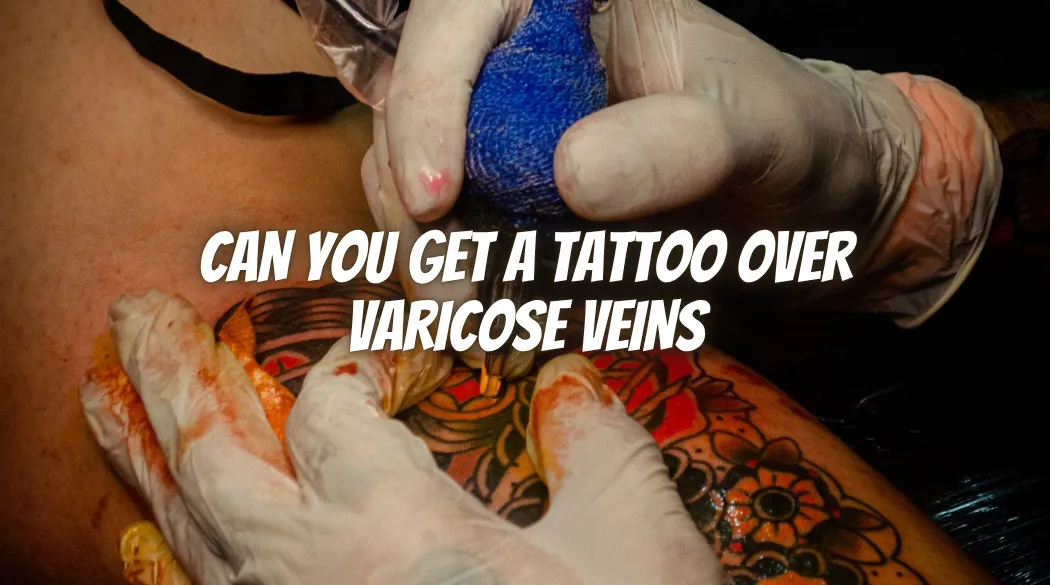
Can You Get a Tattoo Over Varicose Veins
Tattooing over varicose veins is the practice of applying ink over enlarged, twisted surface veins, a situation that carries real health considerations and usually calls for caution.
At Ink Different Tattoos, we believe understanding moments like this is exactly what separates a hobbyist from a working professional.
Key Takeaways
Most professionals avoid tattooing directly over varicose veins due to bleeding, healing, and circulation risks.
Tattooing around varicose veins, not over them, is the recommended approach for safety.
Clients should consult a doctor before tattooing near compromised veins.
Skin condition assessment is a core skill taught in professional tattoo apprenticeships.
Ink Different's Traditional Tattoo Apprenticeship builds this judgment through live, in-person mentorship.
What Are Varicose Veins and Why Do They Matter for Tattoos?
Varicose veins are enlarged, twisted veins near the skin's surface caused by weakened valves and pooling blood, and they matter for tattooing because the skin over them behaves differently than healthy skin.
These veins carry blood under abnormal pressure, and the tissue around them can be thinner, more sensitive, and slower to heal. According to the American Academy of Dermatology tattoo care guidelines, healthy skin and proper aftercare are essential for a tattoo to heal cleanly.
When you understand what's happening under the surface, you stop guessing and start advising. That shift, from nervous beginner to trusted professional, is the whole point of learning your craft the right way.

Can You Get a Tattoo Over Varicose Veins?
You generally should not get a tattoo directly over varicose veins because the compromised veins increase the risk of excessive bleeding, poor ink retention, infection, and slower healing. Most experienced tattoo artists will decline or redirect the request.
This isn't about saying "no" to be difficult. It's about protecting the client's health and the quality of the finished tattoo. A responsible artist knows when to pump the brakes and when to offer a smarter alternative.
The good news for the client? A skilled artist can often design around the affected area, placing a beautiful piece nearby while keeping the fragile veins untouched. That kind of creative problem-solving is a professional superpower.
Client Tip: If a client has varicose veins, encourage them to speak with a physician first. A professional never rushes past a health concern to make a sale.
Why Is Tattooing Over Varicose Veins Considered Risky?
Tattooing over varicose veins is risky because the enlarged veins sit close to the surface, bleed more easily, heal poorly, and can hide the design under pressure and discoloration. The needlework adds trauma to already stressed tissue.
Here's what can go wrong when you ignore the warning signs:
Excessive bleeding: High-pressure veins bleed more, which dilutes and pushes out ink.
Poor ink retention: The tattoo may heal patchy, blurry, or faded.
Slower healing: Compromised circulation means the skin takes longer to recover.
Higher infection risk: Any break in fragile skin is a doorway for problems.
Safety is not an afterthought in this industry. Standards like the OSHA bloodborne pathogen standards exist precisely because working with skin and blood demands respect and training. Knowing these risks cold is what keeps your clients safe and your reputation clean.
How Can You Approach Tattoos Around Varicose Veins Safely?
The safe approach is to tattoo around varicose veins rather than over them, only after the client has cleared it with a medical professional and the affected skin is fully avoided. Follow this clear, cautious process:
Step 1: Get Medical Clearance First
Encourage your client to consult their doctor. Some vein conditions signal deeper circulation issues, and only a physician can give the green light. You are an artist, not a diagnostician.
Step 2: Assess the Skin Honestly
Examine the area in good lighting. Note where the veins are prominent, and map out untouched, healthy skin where a design can live safely.
Step 3: Redesign With Placement in Mind
Get creative. Reposition the concept so it complements the leg without crossing over fragile veins. This is where your design instincts earn their keep.
Step 4: Set Clear Expectations
Tell the client exactly why you're adjusting the plan. Clients respect honesty, and a well-explained "no" builds more trust than a reckless "yes."
Step 5: Follow Airtight Aftercare Guidance
Provide detailed aftercare and reinforce that healing near sensitive areas requires extra attention. Good aftercare protects your work and your client.
If you're still learning the fundamentals of placement, tooling, and skin assessment, our guide to the tools every beginner tattoo artist should know is a strong place to start building that foundation.
What Should a Tattoo Artist Tell a Client With Varicose Veins?
A professional tells the client the truth: tattooing directly over varicose veins carries real risks, medical clearance comes first, and a redesigned placement is the smarter, safer choice. Clear communication is part of the job.
Your clients aren't just paying for ink. They're paying for your judgment. When you explain the "why" behind your recommendation, you position yourself as the expert in the room.
This is one of the most common ways new artists stumble: they say yes to avoid awkward conversations. Learning to handle these moments gracefully is covered in our post on mistakes aspiring tattoo apprentices should avoid.
Why Does Proper Training Matter for Situations Like This?
Proper training matters because real skin conditions like varicose veins require hands-on mentorship, safety education, and judgment that only live practice builds. Shortcuts leave you dangerously underprepared.
The self-taught path might teach you to draw a decent line, but it won't teach you what to do when a client sits down with fragile veins, sensitive skin, or an unrealistic request. That knowledge is earned in a real tattoo studio, under a real mentor.
This is also why a tattoo apprenticeship is quietly becoming one of the strongest career moves out there. As we cover in our piece on tattoo apprenticeships as a college alternative, hands-on skill is future-proof. A machine can't sit with a client, assess their skin, and make a caring judgment call. If you're wondering whether this craft holds up in an automated world, our post on why tattoo artists are still essential makes the case.

How Ink Different Trains You to Handle Real Skin Challenges
Ink Different Tattoos trains you through a live, mentor-led Traditional Tattoo Apprenticeship that teaches skin science, safety standards, and real client judgment, not just how to hold a tattoo machine. That's the difference between guessing and knowing.
We've been training aspiring artists since 2011 to think like professionals. Questions like "Can you tattoo over varicose veins?" are exactly the kind of real-world scenario our tattoo apprentices learn to answer with confidence.
What You Can Expect From Our Traditional Tattoo Apprenticeship
Our Traditional Tattoo Apprenticeship runs 18 to 24 months across a proven four-phase system:
Beginner-friendly: No prior art experience needed. We plant the seed and help it grow.
Start remote, finish in studios: Build your foundations, then get hands-on in a real tattoo shop.
Personalized mentorship: Live, in-person guidance from working professionals.
Licensing support and job-ready skills: Graduate prepared to work professionally in an AI-proof career.
A Career That Comes With Confidence
When you finish, you don't just know how to tattoo. You know how to read skin, protect clients, and handle the tough calls. You also graduate with licensing support and a guaranteed job offer at one of our tattoo studios. That confidence is the foundation of a lasting career. The Bureau of Labor Statistics on craft and fine artists tracks skilled artisans as a real profession, and skilled hands are always in demand.
Mentorship That Pushes Your Brand and Skills Further
Ready to level up faster? Our one-year, in-person Master Mentorship connects you with celebrity and award-winning Mentors like Al Fliction, Liz Cook, Kyle Dunbar, Boneface, and Jordi Pla. It's built for career growth, mastering a specific style, and building your own business.
Making Tattoo Training Accessible for Everyone
We offer Spanish-speaking locations near Denver, Orange County, NYC, Miami, San Antonio, and San Diego, because talent shouldn't be limited by language. Our "Good Humans" culture means you're joining a supportive, family-like community, not just a training track.
Remember: Seats in our Tattoo Apprenticeship Program are limited. The best time to plant a tree was years ago. The second best time is today.
Ready to Become a Tattoo Artist?
You've been circling this decision for a while. Maybe you're in a job that doesn't use your creative side. The path to a career you actually care about starts with one step.
Ready to become a tattoo artist? Apply now to Ink Different's Traditional Tattoo Apprenticeship and start building an AI-proof career, with licensing support along the way. Not sure yet? Fill out our quick questionnaire to get personalized support and find out if our Traditional Tattoo Apprenticeship is right for you.
Frequently Asked Questions
Can you get a tattoo over varicose veins?
No. Direct tattooing over varicose veins increases bleeding, poor healing, and infection risk. Most professionals recommend tattooing around them after medical clearance.
Is it safe to tattoo near varicose veins?
Tattooing near (not over) varicose veins can be safer, but only after a doctor clears it and the artist avoids affected skin entirely. Health always comes first.
Do I need prior art experience to become a tattoo artist?
No. Ink Different's Traditional Tattoo Apprenticeship is built for beginners with no formal art background. We teach drawing, safety, and skin knowledge from the ground up.
How long does the Traditional Tattoo Apprenticeship take?
The Traditional Tattoo Apprenticeship takes 18 to 24 months across a structured 4-Phase system. You start remote and finish hands-on in professional tattoo studios.
What makes Ink Different different from learning on your own?
Ink Different offers live, in-person mentorship, safety training, and real client judgment that self-teaching cannot provide. Situations like varicose veins require hands-on guidance.
Will the apprenticeship help me get licensed?
Yes. Ink Different provides licensing support and job-ready skills, so you graduate prepared to work professionally. We build a real path to a working career.