Convention Connection: Caroline Evans on Cover-Ups, Taxes, and Three Decades of Tattooing
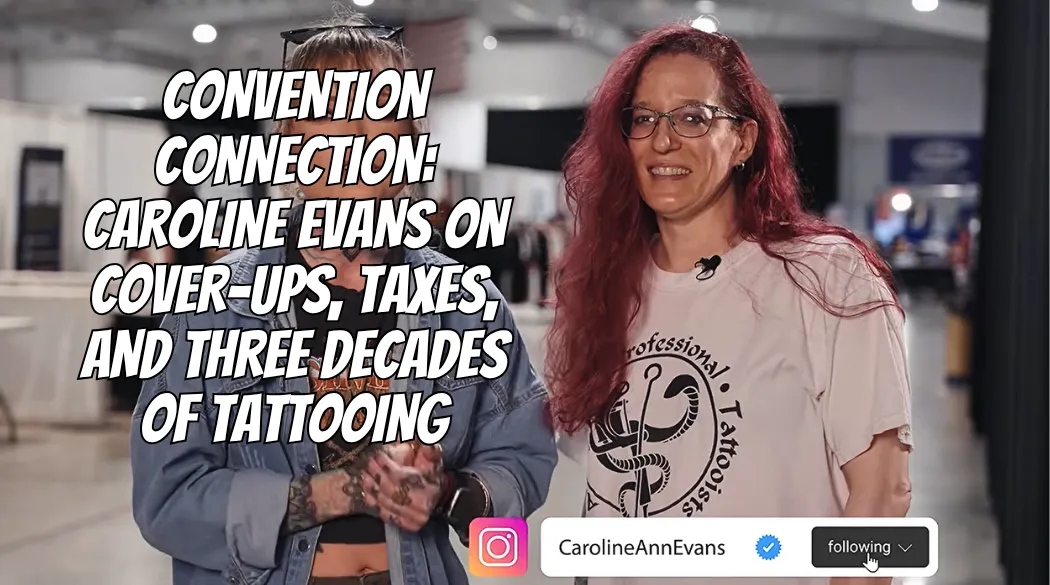
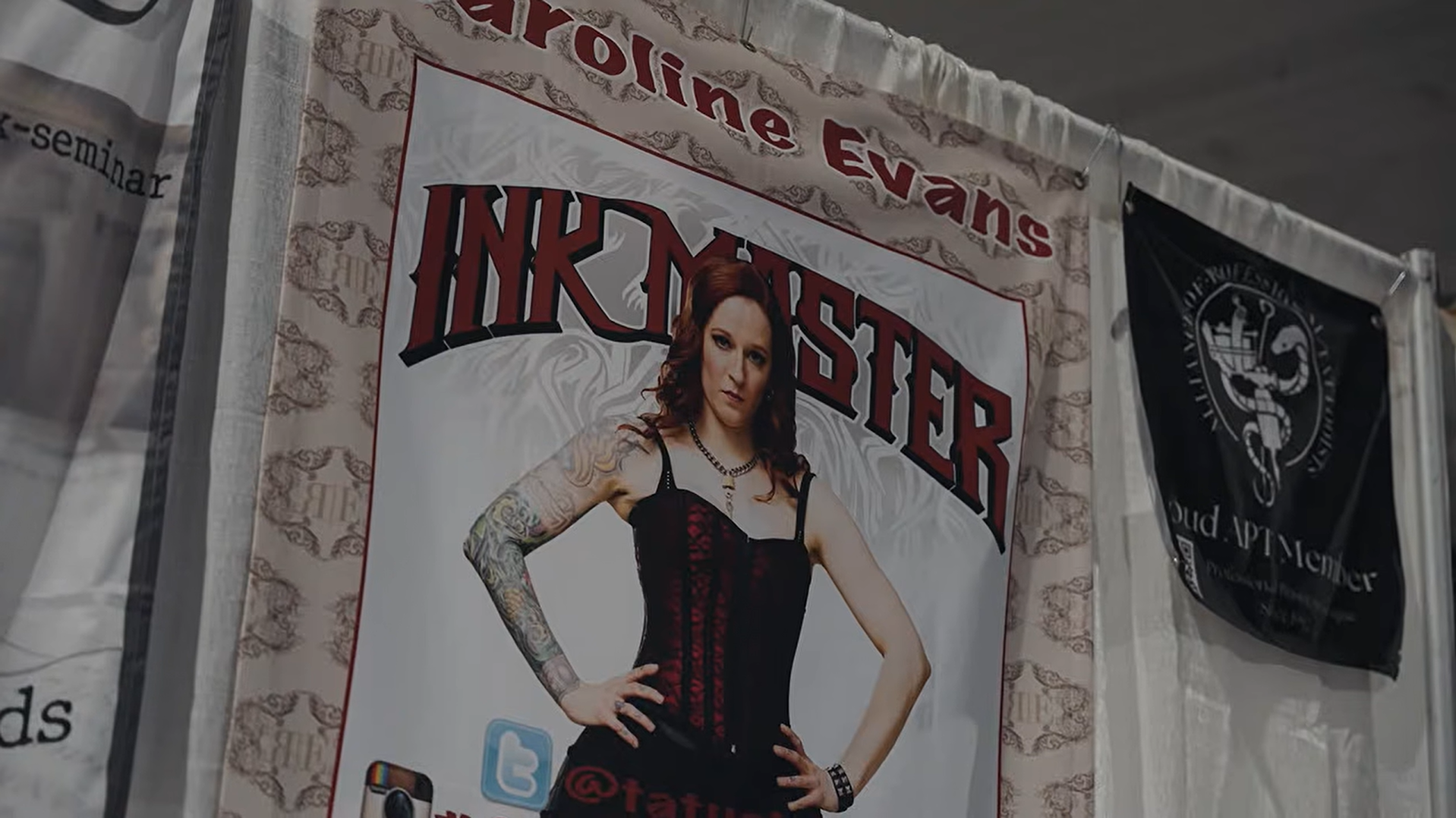
Caroline Evans never set out to be on TV. She went to casting calls because it was a fun day to dress up, head into Manhattan, and see her tattooed friends. Then her shop owner put her name forward for Ink Master’s rivals season. Caroline lasted one episode, and she says that was intentional. She’s been tattooing since 1998, owns Radiant Energy Tattoo in New Jersey, and is known for her cover-ups. She also teaches Tattoo Artists how to handle their taxes.
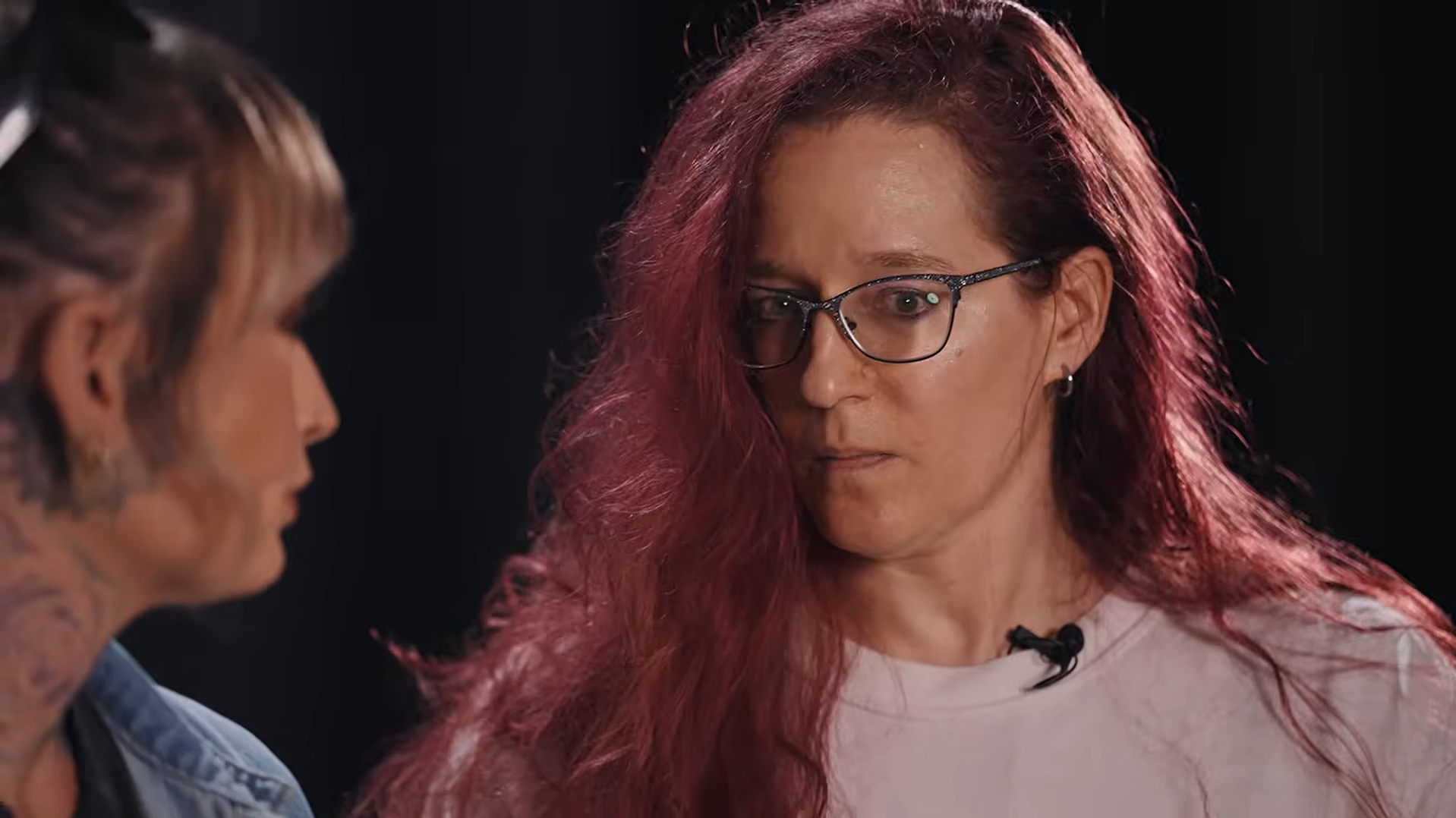
Host Vany Vicious caught up with Caroline at the Tattoo Socialite Festival in Sebring, Florida, for Convention Connection.
Key Takeaways
The craft is changing: Caroline says plug-and-play tools are turning Tattoo Artists into consumers, and she wishes more of them learned to fix their own machines.
Watch for scammers: She warns about people posing as Tattoo Artists online to collect deposits.
Her Ink Master story: She was entered without asking, refused to trash-talk her coworker, and played it intentionally.
Her cover-up goal: Make every cover-up look like a brand-new tattoo, not a cover-up.
Her tax system: Quarterly taxes, detailed handwritten records, and a process built to hold up if you’re ever audited.
Who is Caroline Evans?
Caroline Evans owns Radiant Energy Tattoo in Brick, New Jersey. She entered the industry in 1998 under Steve Ferguson at the Ink Spot in Elizabeth, New Jersey. She also graduated from Rutgers University’s Mason Gross School of the Arts.
She came up when Tattoo Artists had to be independent and self-sufficient. You were in charge of your own tools. She didn’t have to make tubes, which was the generation before her, but she did have to clean them.
Today, she says, you just plug in a machine. You don’t have to tune it or make needles, because you can order cartridges. To her, the craftsmanship is being taken out of tattooing, and Tattoo Artists are becoming consumers.
Why do tattoo conventions matter for your career?
Conventions are where Tattoo Artists like Caroline connect, share experience, and keep learning. They’re also a reminder of how much in-person connection matters, especially as more of the industry moves online.
Caroline has seen clients change over the years. Back in the day, people came in happy just to get a tattoo and picked a design off the wall. Over time, that shifted to custom work.
Because she’s been around so long, she still has older clients who like to come in, check out the tattoo studio, and look through portfolios. Younger clients often want to click a few buttons online and book.
That shift has created a problem. Caroline warns that some people pose as Tattoo Artists online and collect deposits. They claim to work at a certain tattoo shop or to be working an upcoming convention, then pocket the money. If you go into a tattoo shop and talk to someone face to face, she says, that can’t happen.
Pro Tip: Caroline’s advice for clients is simple: meet your Tattoo Artist in person to make sure they’re real.
What did Caroline learn about cover-ups over 30 years?
Caroline became the go-to cover-up Tattoo Artist almost by accident, and she’s received awards for her cover-up work.
Learning to spot them
Caroline’s ex-fiancé started tattooing a year before she did. When she visited his tattoo shop, they’d work with Rich Cahill, who would flip through tattoo magazines and rip everything to shreds.
As he flipped, Caroline would point out the cover-ups. He’d stop and flip back, asking how she knew. “Cuz it doesn’t look right,” she told him. You could still see the old tattoo.
Nobody wanted to touch cover-ups. So whenever one came in, someone would say, “Hey, Caroline will do it.” She kept ending up with all the cover-ups and reworks.
Her approach
Caroline’s goal is to give clients what feels like a brand-new tattoo, so it doesn’t look like a cover-up at all.
Her craziest cover-up
Her wildest one was a half sleeve built with knotwork from the Book of Kells.
Why cover-ups take real training
Design strategy: Plan a design that truly hides the old tattoo.
A trained eye: Like Caroline, learn to spot when something “doesn’t look right.”
Patience: Complex cover-ups take careful planning.
How do taxes and business skills shape a tattoo career?
Caroline teaches tax seminars for Tattoo Artists, and she says they can help small business owners, too.
When she first started tattooing, she already knew she had to do quarterly taxes. The mystery was how to put it all together. She’d seen Tattoo Artists at the end of tax season buried in piles of receipts, and she thought, “There’s got to be a better way.”
So she built a system. Her seminar walks people through her process, from the moment she gets a receipt to the day she files.
She teaches Tattoo Artists how to document their expenses so that if they’re ever audited, they’re “more or less bulletproof.” She also keeps handwritten records, because she says they’re harder to falsify than digital ones.
This is Caroline’s personal approach, not tax advice. Talk to a tax professional about your own situation.
What lessons can beginners steal from three decades of tattooing?
Caroline’s experience offers several lessons.
Learn your tools
Caroline worries that newer Tattoo Artists are being taken advantage of. She sees beginners buying machines that cost thousands of dollars, only for them to break in six months. Then the manufacturer, often now a corporation instead of an independent company, tells them they voided the warranty and need to buy another.
She wishes there were more education on how tattoo machines work. If you understand how a coil machine works, she says, you can fix it yourself instead of depending on a corporation looking for a buck. See the tools every beginner Tattoo Artist should know.
Don’t let TV define your worth
Caroline’s Ink Master experience taught her that being on TV doesn’t validate your skill.
She first got a call about another show, Tattoo Titans. She didn’t know it, so she Googled it and watched an episode. Then she saw that Bob Tyrrell was a judge. In her view, it was strange: she says he won’t even look at a portfolio and critique it at a convention, so why was he judging on TV? She deadpanned her interview.
Her coworker, Julia, also interviewed and was moved over to Ink Master. Julia was green and hungry, and Ink Master was the show to be on. She did her interview at the tattoo shop, on Caroline’s day off. Producers told Julia the new season had a different format: she’d come on with someone she didn’t like. According to Caroline, the shop owner, who was listening in, gave them Caroline’s name, thinking it would be great for the shop.
During her interviews, producers tried to get Caroline to trash-talk her coworker, and she wouldn’t. So they gave Ink Master information about her ex-fiancé, and her next interview was all about him.
She was on for one episode, and she says that was intentional. Her Mentor, who’d done interviews for TV, magazines, and newspapers, had told her they’d always misinterpret what you say. So everything she did on set was intentional. She knew some contestants were there for marketing and playing roles. She played the doormat and was eliminated, ironically, at cover-ups.
Keep making other art
Caroline recently started doing ceramics again, something she did in college. One of the women at her tattoo shop also works at a ceramics studio, so they’ve been going together. She says it’s fun and therapeutic, even when everything falls apart on the wheel.
She also oil paints, though she doesn’t have much space for it. She keeps that part of her art separate from tattooing, just for fun.
Take safety seriously
Every Tattoo Artist must follow the OSHA bloodborne pathogens standard.
Before you start, read about the mistakes aspiring tattoo apprentices should avoid.
How do you start a tattoo career the right way?
Step 1: Commit to the craft. Treat tattooing as a career, not a hobby.
Step 2: Build your art foundation. Caroline went to art school. You don’t need a degree, but you do need to practice drawing and design.
Step 3: Find real mentorship. Caroline started under Steve Ferguson and learned from Tattoo Artists like Rich Cahill.
Step 4: Learn your tools. Understand how your machine works.
Step 5: Learn the business. Start tracking income and expenses from day one.
Step 6: Get licensed. Complete your training and meet your state’s requirements.
If you’re ready for a change, read about why a tattoo apprenticeship is perfect for career changers.
How does Ink Different train the next Caroline Evans?
Ink Different trains beginners through the Traditional Tattoo Apprenticeship, with hands-on mentorship from experienced Tattoo Artists. Ink Different has trained Tattoo Artists for 15 years. It’s a college alternative and an AI-proof career path, which is why Tattoo Artists are still essential.
What you can expect from our Traditional Tattoo Apprenticeship
The Traditional Tattoo Apprenticeship takes 18 to 24 months across four phases. No prior experience is required.
Phase-based structure: Skills build step by step.
Hands-on mentorship: You learn in person from experienced Mentors inside a working tattoo studio.
Licensing support: Guidance through your state’s requirements.
“Good Humans” culture: A supportive community so you never grow alone.
A career that comes with confidence
This is a career that comes with confidence. You’ll finish with job-ready skills, licensing support, and a guaranteed job offer at one of Ink Different’s own tattoo studios. The Traditional Tattoo Apprenticeship is available at 60+ tattoo studios nationwide. Read why tattoo apprenticeships are gaining ground as a solid alternative to college.
Mentorship that pushes your brand and skills further
Once you’ve built your foundation, Ink Different’s Master Mentorship connects you with Master Mentors, including Al Fliction, Liz Cook, Kyle Dunbar, Boneface, Jordi Pla, Marcel Oliveira, and Kara Gutierrez.
Making tattoo training accessible for everyone
Ink Different offers Spanish-speaking locations in Denver, Orange County, NYC, Miami, San Antonio, and San Diego.
Ready to start your own three-decade journey?
Caroline Evans has tattooed since 1998, built a reputation for cover-ups, and created a tax system she now teaches to other Tattoo Artists. Her career shows that lasting in tattooing takes skill, self-reliance, and knowing exactly who you are.
Seats are limited, with only two apprentices per tattoo studio per Mentor.
Ready to become a Tattoo Artist? Apply now to Ink Different’s Traditional Tattoo Apprenticeship and start building an AI-proof career with licensing support and a guaranteed job offer at one of Ink Different’s own tattoo studios. Want to know if it’s the right fit? Fill out our quick questionnaire for personalized support.
To book with Caroline, visit Radiant Energy Tattoo in Brick, New Jersey, at MyRadiantEnergy.net, or see her work at tattoosbycaroline.com. Follow her on Instagram at @carolineannevans, and follow Vany at @officialvanyvicious.
Frequently Asked Questions
How long has Caroline Evans been tattooing?
Since 1998, when she started under Steve Ferguson at the Ink Spot in Elizabeth, New Jersey.
Why was Caroline Evans only on one episode of Ink Master?
She says it was intentional. She refused to trash-talk her coworker, played a deliberate role, and was eliminated at cover-ups.
How does Caroline approach cover-ups?
She aims to make every cover-up look like a brand-new tattoo, not a cover-up.
What does Caroline teach in her tax seminars?
How to document expenses from receipt to filing, including quarterly taxes and handwritten records, so Tattoo Artists are prepared if they’re ever audited.
How long does the Traditional Tattoo Apprenticeship take?
Ink Different’s Traditional Tattoo Apprenticeship takes 18 to 24 months across four phases, with licensing support and a guaranteed job offer at one of Ink Different’s own tattoo studios.
Do I need prior art experience to start?
No. The Traditional Tattoo Apprenticeship is built for beginners.