Convention Connection: How Alexis Kovacs Uses Tattooing to Restore Confidence After Surgery
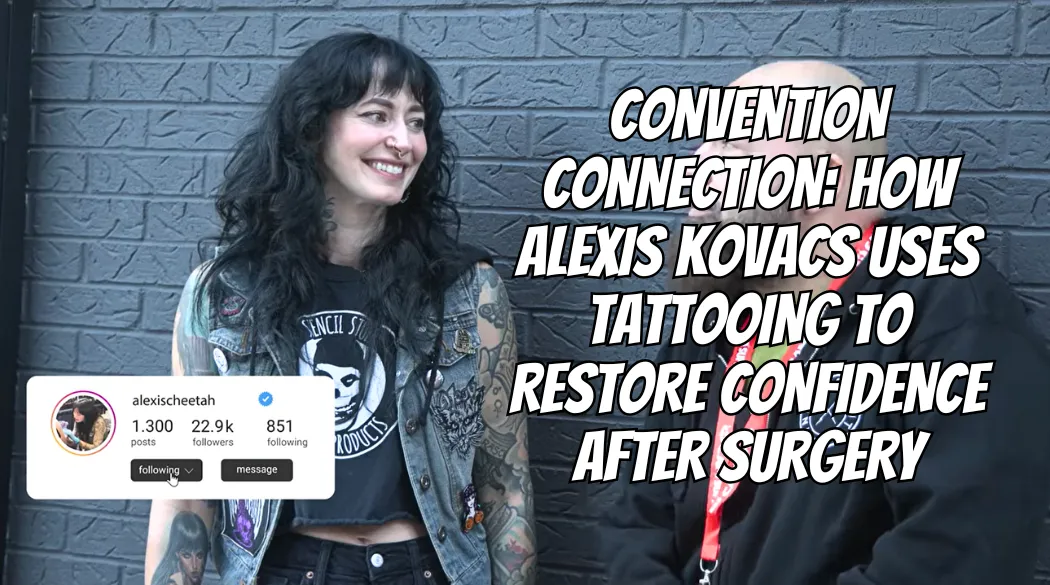
Alexis Kovacs has been tattooing since 2000 or 2001, back when you didn’t get to pick and choose. You took whatever walked in the door. In 2004, she trained in areola tattooing. That training opened a door she never expected. Today, she works with plastic surgeons and a gender-affirming surgeon. She uses tattooing to help clients feel at home in their bodies after surgery. She also co-owns Electric Cheetah Tattoos and Permanent Cosmetics in Bethlehem, Pennsylvania. Chico Cortez caught up with Alexis at the Tattoo Society World Expo in New York for Convention Connection. After 27 years in the industry, he says her work still taught him something new.
Key Takeaways
Her specialty: Alexis calls her work medical tattooing, starting with areola tattooing after breast surgery.
How it grew: A surgeon who performs gender-affirming surgery asked Alexis to bring her skills to that work.
What else she does: Scalp micropigmentation, scar camouflage, freckles and moles, and permanent makeup like brows and lip blush.
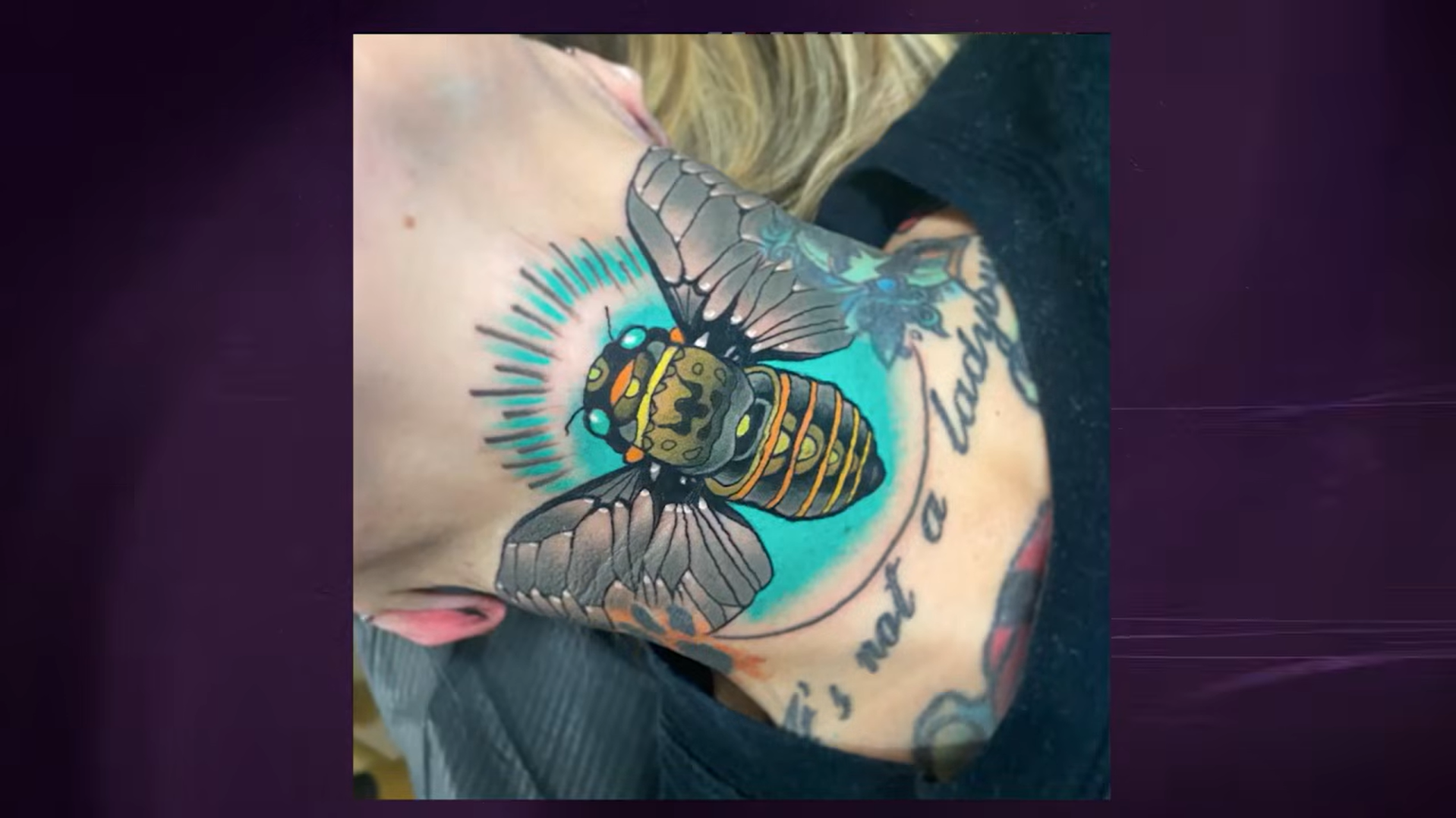
Her other side: She still tattoos traditional work, and her favorite style is bright, bold, illustrative new school color.
Her take on conventions: They used to feel like “tattoo summer camp.” Now there are so many that you have to pick and choose.
What is restorative tattooing after surgery?
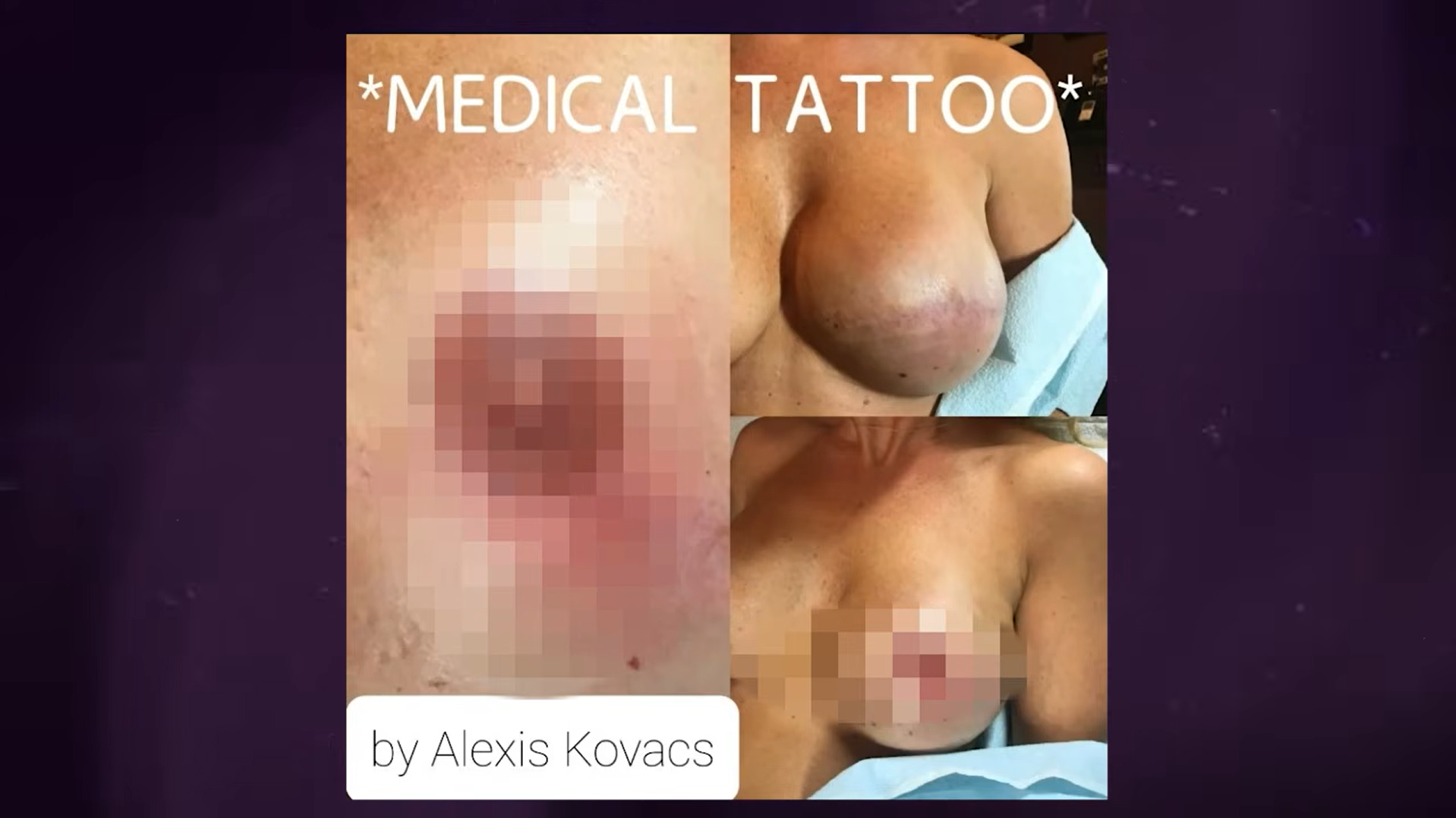
Alexis calls it medical tattooing: using tattoo skills to restore color and natural-looking features after surgery or other changes to the skin.
She says areola tattooing is the most common form. She trained in it in 2004. Since then, she’s worked with several doctors, mostly plastic surgeons in her area, doing primarily areola tattooing.
Gender-affirming tattooing
Then she met a surgeon who performs gender-affirming surgery. The surgeon thought Alexis’s skills could help her patients, too.
In those surgeries, Alexis explains, skin is often harvested from other parts of the body. The new tissue can look pasty or slightly off in color. Alexis applies color where it’s needed so it looks more natural. As Chico put it, detail is everything.
That work opened the door to even more medical tattooing.
Scar camouflage
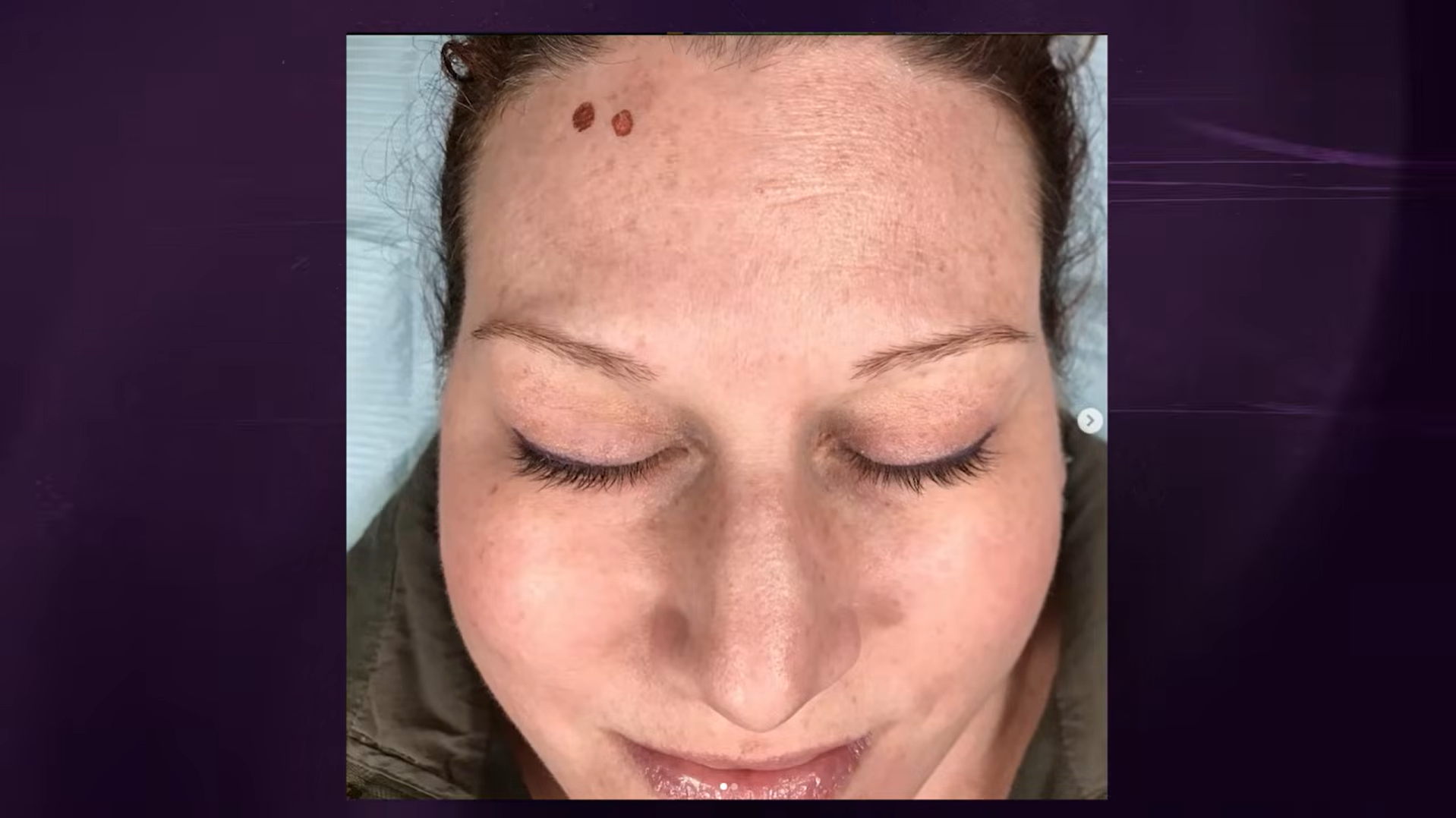
Alexis also does scar camouflage. She may lighten a scar that looks too red, or color-match the skin to darken an area that’s too light.
She’s honest that it depends on the case. She can’t do it for everyone. She also notes that sometimes a client will have a scar that she can barely see, but it drives them crazy. In those cases, she’ll see what she can do.
Who is Alexis Kovacs and why does her work matter?
Alexis Kovacs is a Tattoo Artist and the owner of Electric Cheetah Tattoos and Permanent Cosmetics in Bethlehem, Pennsylvania, in the Lehigh Valley. That’s the same tattoo shop where James Guillen tattoos.
Her work matters because it goes beyond decoration. Doctors refer patients to her, and her services help people after major surgery or life changes.
Her brochure covers a wide range of services:
Areola tattooing
Gender-affirming tattooing
Scar camouflage
Scalp micropigmentation for receding hairlines, bald spots, and balding
Freckles and moles
Eyebrows, lip liner, and lip blush
Chico was blown away reading through it.
But Alexis still does traditional tattoos, too. She came up when you tattooed whatever walked in. Because of that, she says she can handle pretty much anything. Her favorite style is illustrative new school color: bright and bold.
For another Tattoo Artist who works in this space, read about Master Mentor Kara Gutierrez’s areola restoration work.
Remember: Alexis built her medical tattooing career on a strong foundation in traditional tattooing.
How do tattoo conventions become a space for healing?
For Alexis, conventions used to be about connection. She remembers people calling them “tattoo summer camp.” You’d see your friends, hang out, work a little, then see them again at the next one, nine months to a year later.
Now, she says, there are so many conventions that they’re becoming watered down. There used to be a couple of big ones, and everyone went. Now there might be another one next week, two towns over. She also sees many Tattoo Artists she’s never heard of, some who just finished their tattoo apprenticeship and opened their own tattoo shop.
Still, she believes conventions are important for staying relevant. You just have to pick and choose.
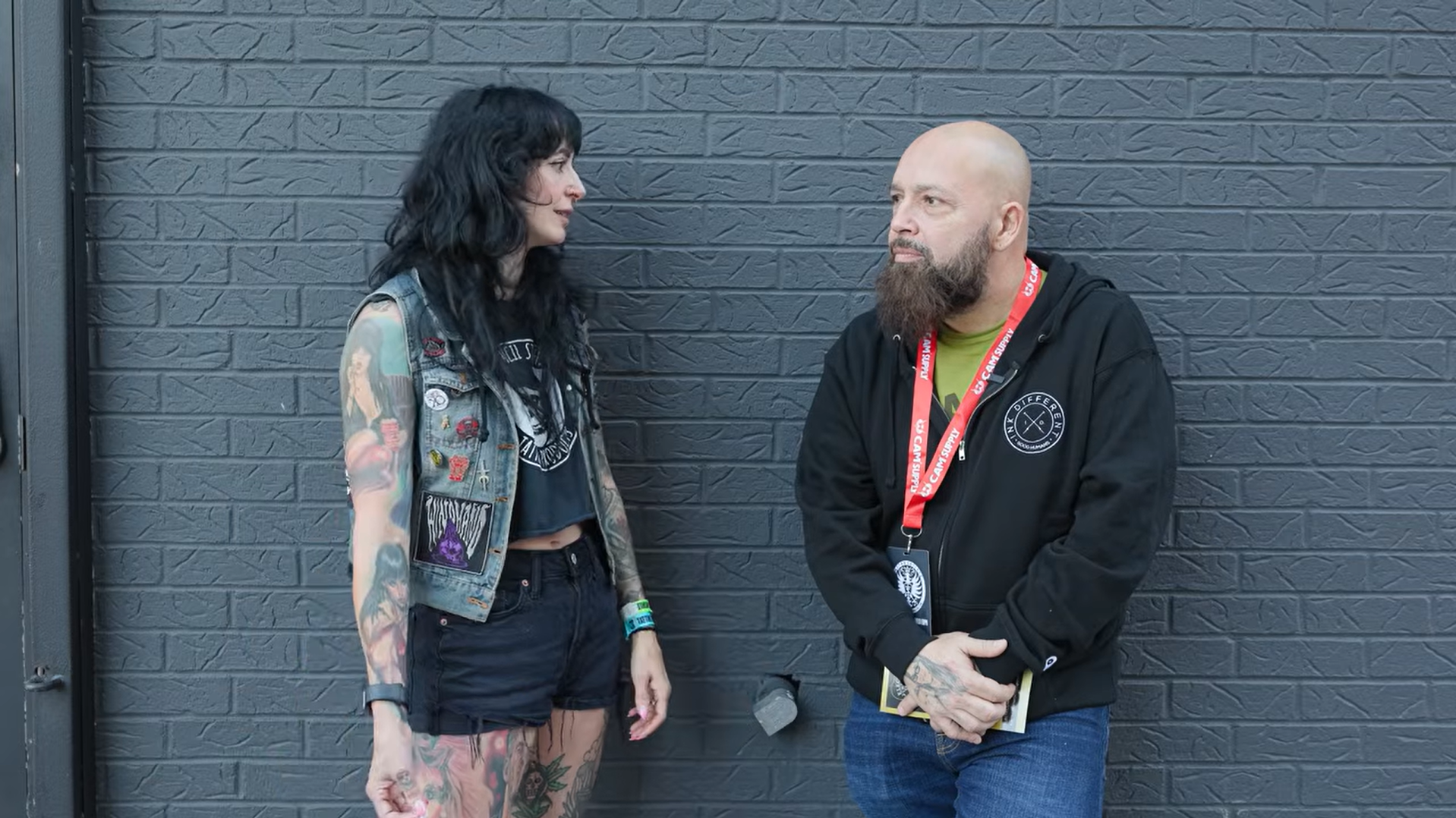
Chico agrees that something has been lost. He and Alexis had been going to the same conventions for years. He recognized her banner but not her face. That’s exactly the connection Convention Connection is trying to bring back.
Why does tattooing restore confidence after surgery?
Alexis’s work shows how a skilled Tattoo Artist can help someone feel more like themselves.
Skin from a graft might not match. A scar might bother someone every time they look in the mirror, even if others can’t see it. Thinning hair might affect how someone feels. Alexis uses tattooing to address those things, with color, detail, and careful matching.
That kind of work depends on human skill and judgment. It’s why tattoo artists are still essential.
How can you learn to do this kind of meaningful work?
You start by learning to tattoo, and learning it well.
Alexis built her career on years of traditional tattooing before specializing. She trained specifically in areola tattooing, then expanded as doctors and opportunities came to her.
Safety is essential in every kind of tattooing, including the OSHA bloodborne pathogens standard.
Before you start, read our guide to mistakes aspiring tattoo apprentices should avoid.
What are the steps to becoming a restorative tattoo artist?
Step 1: Learn the fundamentals. Drawing, line work, shading, and machine handling come first. See the tools every beginner tattoo artist should know.
Step 2: Master safety. Learn hygiene and cross-contamination prevention before you touch a client.
Step 3: Tattoo everything. Alexis says coming up when you took whatever walked in taught her to handle anything.
Step 4: Find your specialty. Alexis found hers through areola training and relationships with doctors.
Step 5: Build relationships with professionals. Her work with plastic surgeons and a gender-affirming surgeon grew from those connections.
Step 6: Get licensed. Meet your state’s requirements before working professionally.
What does the Traditional Tattoo Apprenticeship offer?
Ink Different’s Traditional Tattoo Apprenticeship is an 18 to 24 month, four-phase tattoo apprenticeship that takes beginners to job-ready Tattoo Artists. The Traditional Tattoo Apprenticeship is available at 60+ tattoo studios nationwide.
Ink Different has trained Tattoo Artists for 15 years, with a “Good Humans” culture at its core. No prior art experience is required.
Hands-on training: You learn in person from experienced Mentors inside a working tattoo studio.
Four-phase structure: From fundamentals to supervised client work.
Licensing support: Guidance toward your state tattoo license.
A guaranteed job offer: You’ll receive a guaranteed job offer at one of Ink Different’s own tattoo studios.
This is a career that comes with confidence. You’ll finish with job-ready skills, licensing support, and a guaranteed job offer at one of Ink Different’s own tattoo studios.
What is the Master Mentorship program?
Once you’ve built your foundation, Ink Different’s Master Mentorship connects you with Master Mentors, including Kara Gutierrez, Al Fliction, Liz Cook, Kyle Dunbar, Boneface, Jordi Pla, and Marcel Oliveira.
If areola restoration and scar work interest you, Master Mentor Kara Gutierrez specializes in exactly that. Master Mentorship is where Tattoo Artists go deeper into a specialty.
Ready to turn your craft into confidence?
Alexis Kovacs built a career that helps people feel like themselves again after surgery. She did it by mastering traditional tattooing first, then training in a specialty and building relationships with the doctors who now send her patients.
Ink Different also offers Spanish-speaking locations in Denver, Orange County, NYC, Miami, San Antonio, and San Diego. Seats are limited, with only two apprentices per tattoo studio per Mentor.
Ready to become a Tattoo Artist? Apply now to Ink Different’s Traditional Tattoo Apprenticeship and start building an AI-proof career with licensing support and a guaranteed job offer at one of Ink Different’s own tattoo studios. Not sure yet? Fill out our quick questionnaire to see if it’s right for you. If you’re weighing a career change, read about a career change through a tattoo apprenticeship.
To book with Alexis, email [email protected] or visit electriccheetahtattoos.com. Follow her on Instagram at @alexischeetah, and follow Chico at @m4l_chico.
Frequently Asked Questions
What is medical tattooing?
Alexis Kovacs uses the term for tattooing that restores color or natural-looking features after surgery or skin changes, like areola tattooing, gender-affirming tattooing, and scar camouflage.
What is gender-affirming tattooing?
After gender-affirming surgery, grafted skin may look pale or off-color. Alexis adds color where needed so it looks more natural.
Can scar camouflage work on any scar?
No. Alexis says it depends on the case. She can sometimes lighten red scars or darken light ones, but it isn’t right for everyone.
Where is Alexis Kovacs located?
She owns Electric Cheetah Tattoos and Permanent Cosmetics in Bethlehem, Pennsylvania.
How long does the Traditional Tattoo Apprenticeship take?
Ink Different’s Traditional Tattoo Apprenticeship takes 18 to 24 months across four phases, with licensing support and a guaranteed job offer at one of Ink Different’s own tattoo studios.
Do I need art experience to start?
No. The Traditional Tattoo Apprenticeship is built for beginners.