Convention Connection: Paul Booth on Dark Surrealism, Mentorship, and the Soul of Tattooing
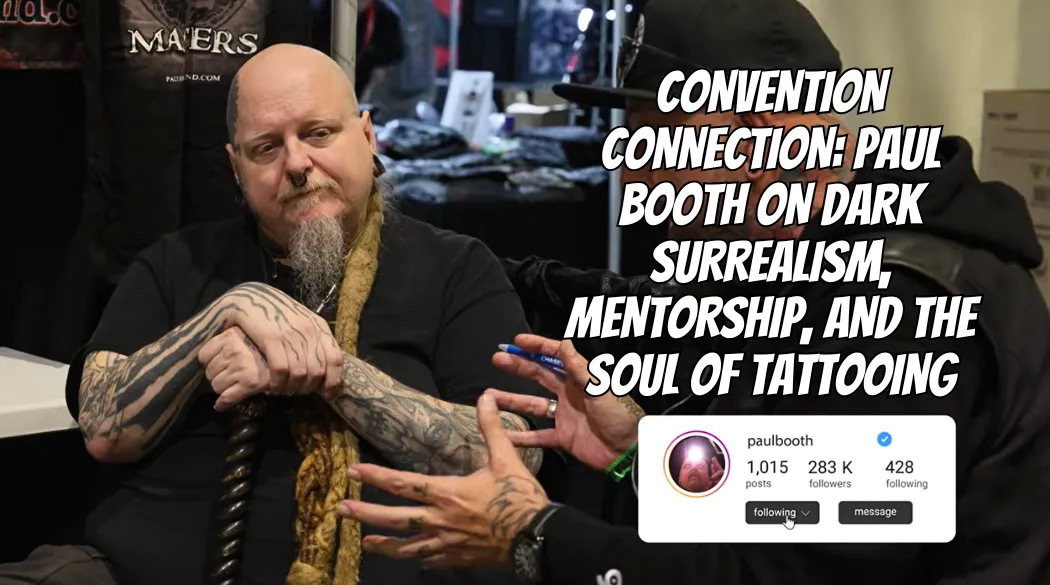
“In the industry, there is a before Paul Booth and after Paul Booth,” Chico Cortez said. Plenty of Tattoo Artists have tried to copy Paul Booth’s shading, and most have failed. Chico admits he was one of them. He used to study Paul’s work in magazines and try to copy it, but couldn’t. At the Tattoo Society World Expo in New York, Chico sat down with Paul for Convention Connection. Paul explained how he makes monsters believable, what his two greatest Mentors taught him, and why he believes tattooing has lost its soul.
Key Takeaways
Dark surrealism: Paul calls his style dark surrealism, realism twisted into something new.
Tricking the brain: He makes monsters believable by following the rules of light, shade, perspective, and composition.
His Mentors: Gil Montie taught him ethics, respect, and how to have fun with tattooing. Jack Rudy taught him the technical side.
Persona matters: Paul says Tattoo Artists used to have larger-than-life characters, almost like pro wrestlers.
The soul of tattooing: He believes you can’t put soul into your work unless you live tattooing and wear tattoos yourself.
Who is Paul Booth and why does he matter?
Paul Booth is one of the most influential Tattoo Artists in the world, known for his dark, surreal black and gray work.
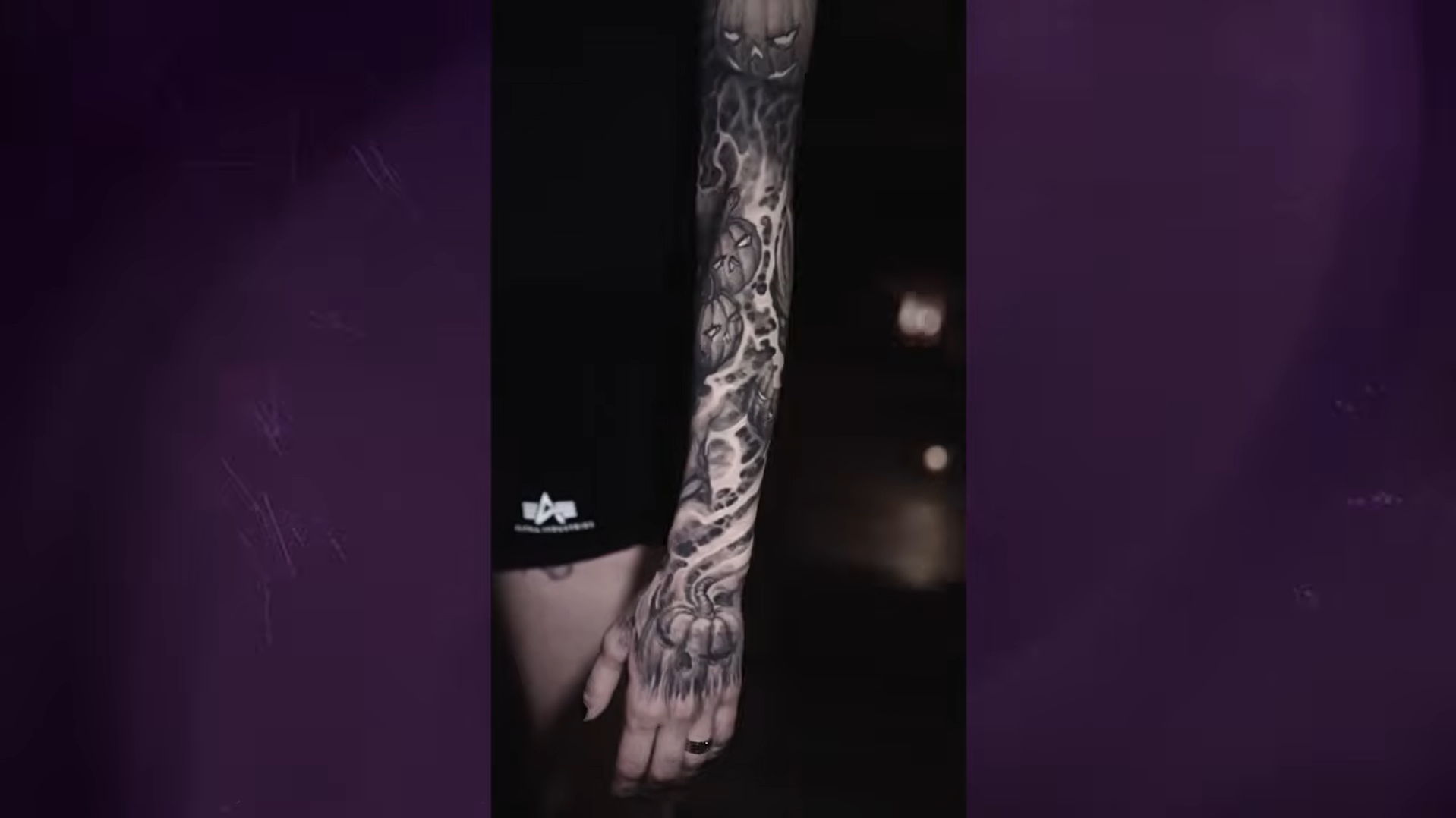
He started tattooing in 1988. Back then, he says, he had a certain recipe for how he did things, which is why his work had a recognizable look. He had his own way of shading and creating texture.
Nobody else seemed able to do it, and he couldn’t understand why. To him, it seemed simple. But as the conversation pointed out, the key was texture. Paul tattoos in a way that you can almost feel without touching it.
On tour with metal bands
Paul also became known for tattooing rock stars. He went on the road with metal bands and tattooed musicians backstage. They wore his shirts on stage, and they’re the ones who got him into Rolling Stone.
He credits the Cavalera brothers of Sepultura with opening the door for him. His first tour, in 1994, featured Pantera, Sepultura, and Biohazard.
What is dark surrealism in tattooing?
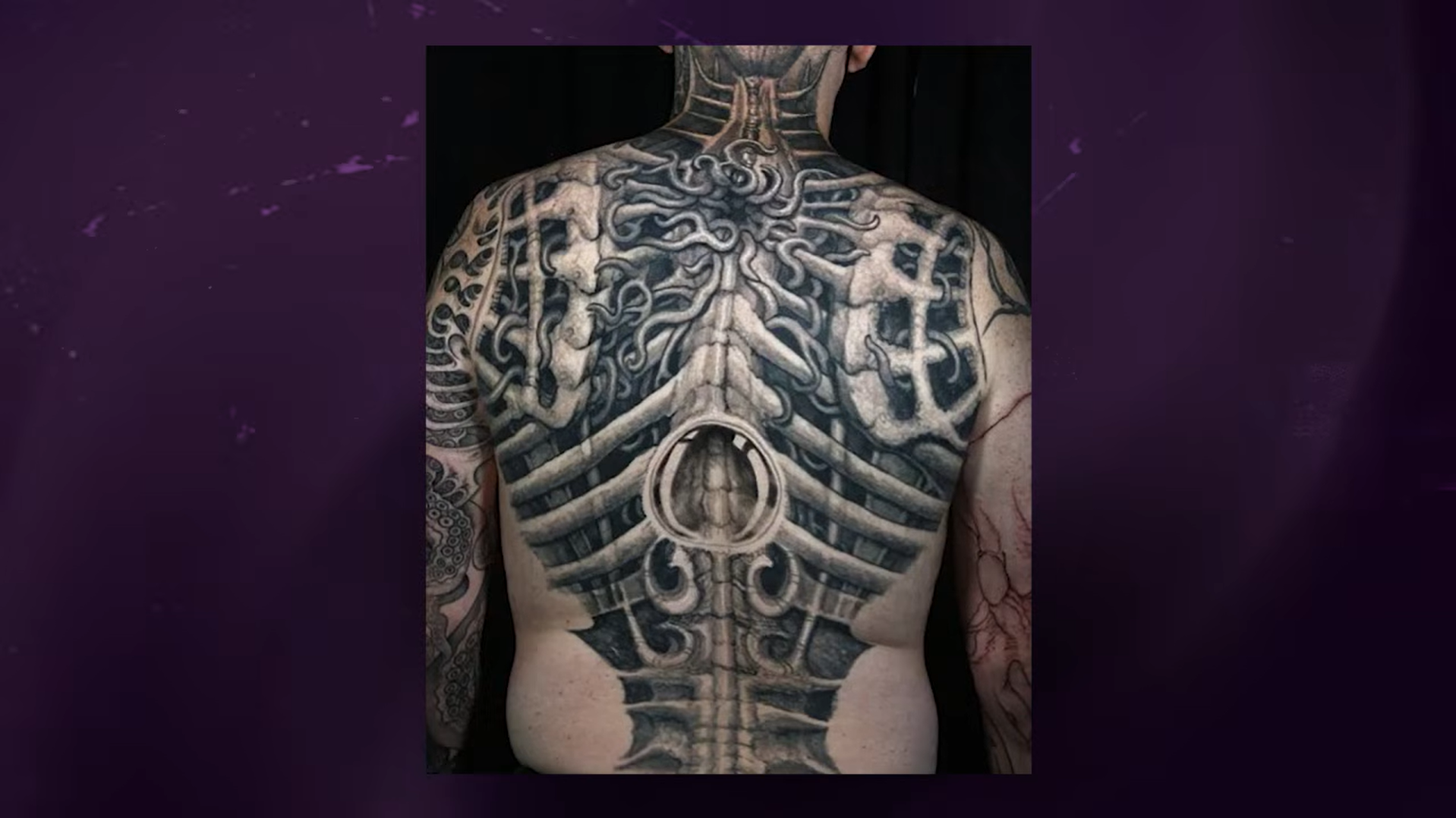
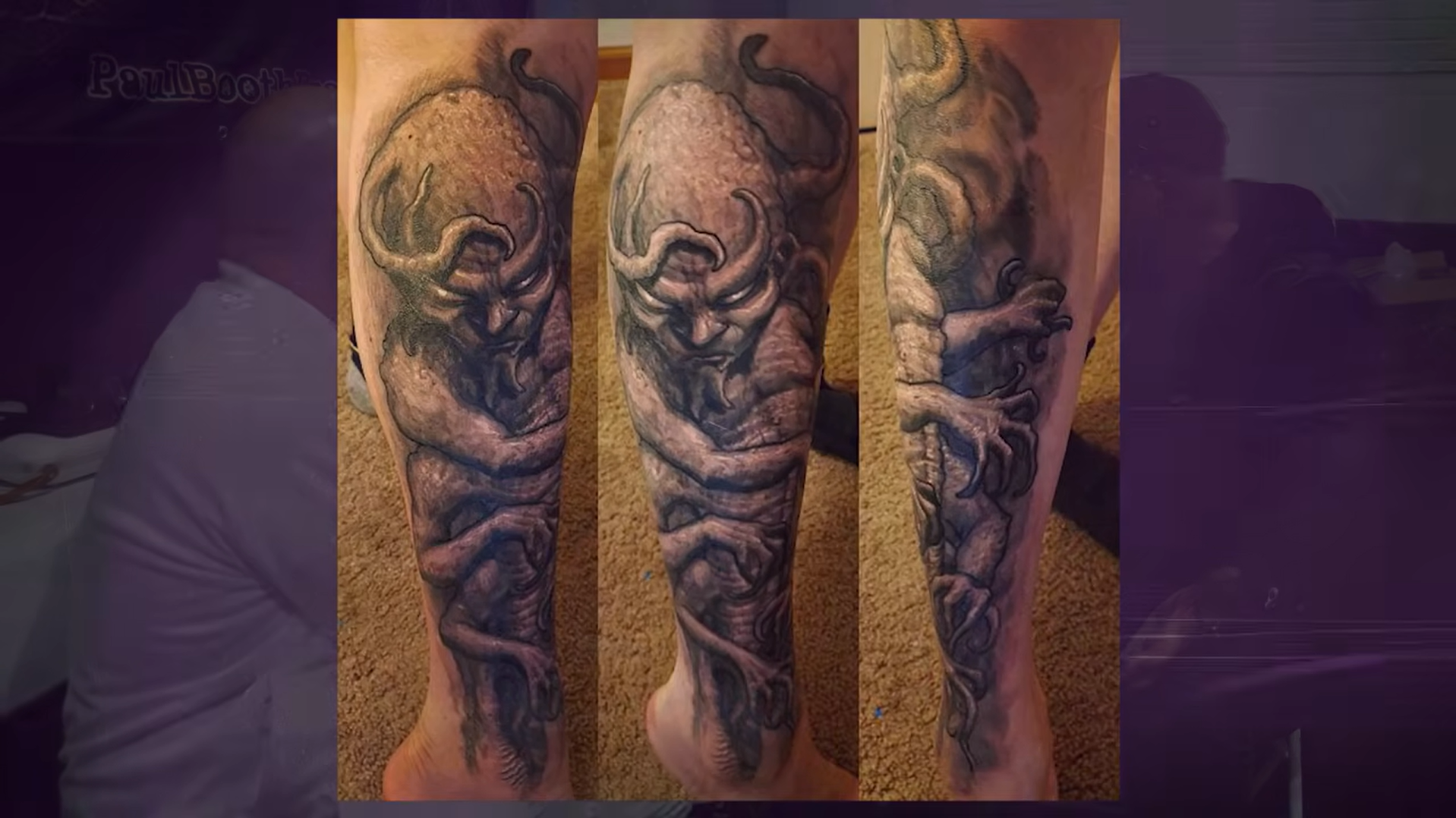
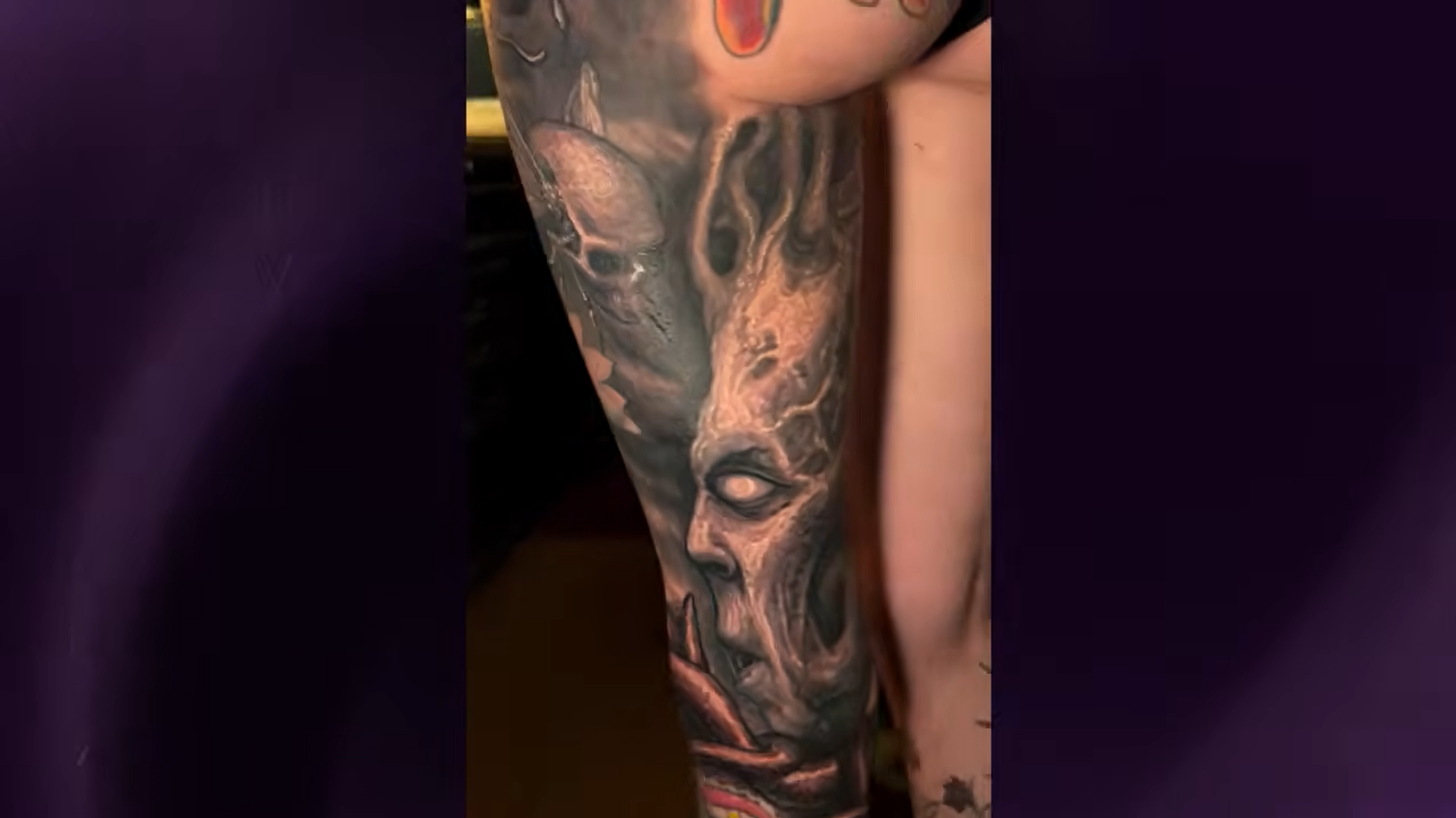
Dark surrealism is the name Paul gives his style. It has realism in it, but twisted.
His goal is to take monsters and make them believable. To do that, he uses realism in his monsters, which he describes as tricking the brain.
If you follow the laws of nature, like lighting, shade, perspective, and composition, he says you can make almost any drawing look real. You’re tricking the senses into believing it, because it follows the same rules as real life.
He says he always understood that and tried to make his monsters look real, even though they were completely made up. To him, it’s almost like breathing life into a monster.
That’s why the fundamentals matter so much. Learning drawing and shading is the first step, through a structured path like Ink Different’s Traditional Tattoo Apprenticeship.
Why does mentorship shape great Tattoo Artists?
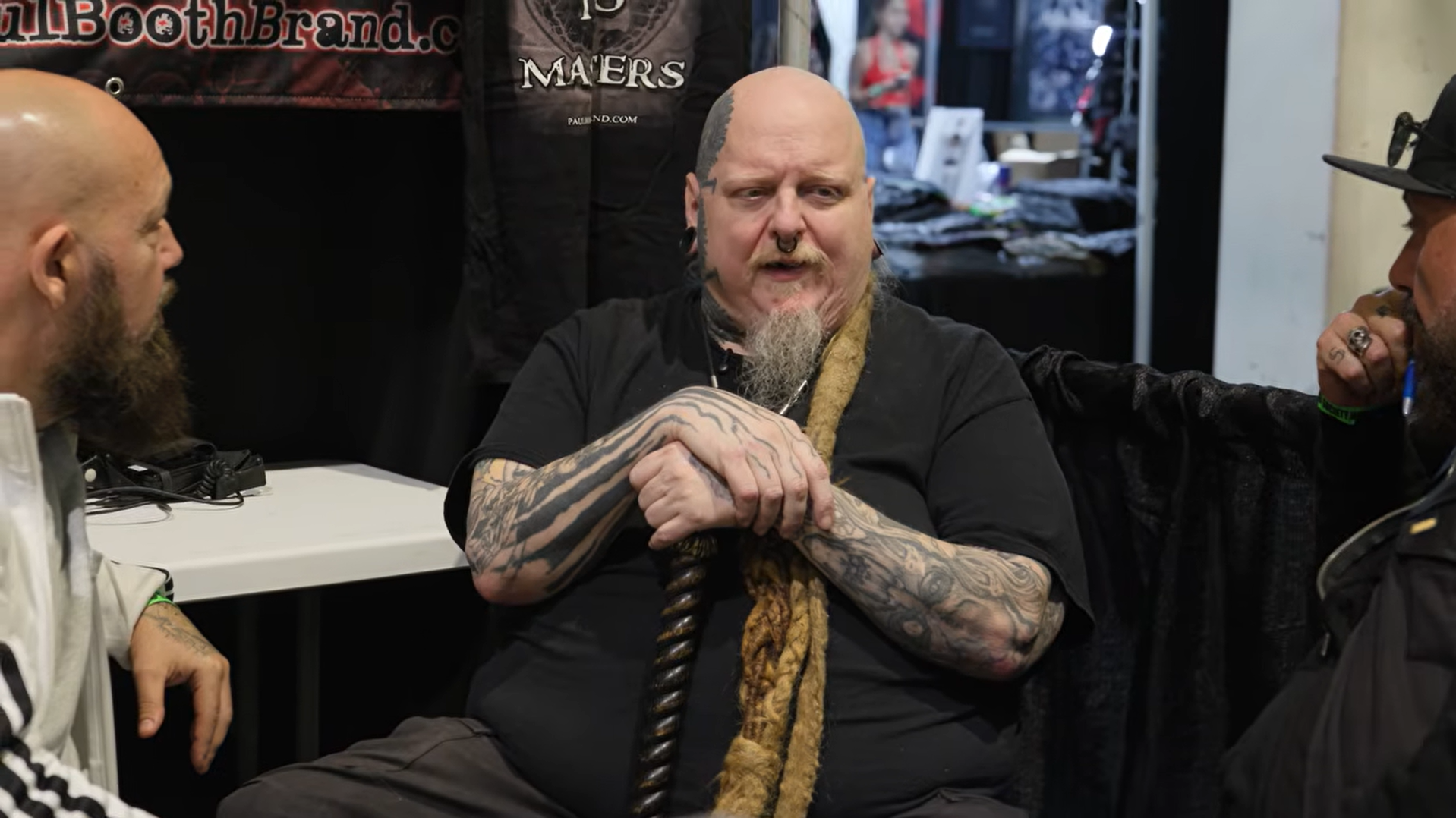
Paul names two Tattoo Artists as his greatest Mentors, especially in his early years: Gil Montie and Jack Rudy.
Gil Montie
Paul says Gil Montie was intimidating back then. Gil taught him about ethics, about being crazy, and about respecting tattooing while having fun with it.
Gil wasn’t Paul’s main teacher on the technical side, but he showed him what it meant to be a Tattoo Artist. Gil also hung out with Mötley Crüe and worked on movies, part of the Hollywood world.
Jack Rudy
Jack Rudy was the one who taught Paul more of the technical side.
The persona
Paul says tattooing used to be a bit like pro wrestling. Tattoo Artists had personas. You knew who they were, you knew their styles, and you knew their characters. It was a smaller, more personal group.
Chico compared Gil to wrestler Jesse “The Body” Ventura. These Tattoo Artists were larger than life, and people wanted to emulate them.
Pro Tip: Paul learned ethics and respect from one Mentor and technique from another. Great mentorship teaches both.
What is the soul of tattooing?
Paul believes tattooing has lost its soul.
He says tattooing comes from criminals and carnivals. When he started in 1988, there was still a lot of that around. Many people in tattooing weren’t part of mainstream society.
Now, he says, there are kids coming out of art school, which he thinks is great. But they don’t have the same life experiences. He jokes that his generation drank water from the garden hose, while today’s generation sips Evian from a glass.
He also says Tattoo Artists don’t stand out the way they used to. There’s a lot of amazing talent, but much of it looks the same. Fame used to last 15 minutes. Now it’s 30 seconds, and then you’re forgotten. He’s clear that this isn’t a problem with having more Tattoo Artists. There are just so many good ones that it’s hard for any one person to shine.
To Paul, soul is something you can’t touch. It lives underneath the art, like in a great painting. It moves people, even if they don’t realize what they’re seeing. And he believes you can be an amazing artist, but if you’re not living tattooing and wearing tattoos, you can’t put soul into your work.
What impresses him most is art that stands alone. It’s unique, it’s not generic, and it speaks to him.
How do tattoo conventions grow your craft?
Conventions are where you can meet legends like Paul Booth and see their work up close. They’re also where the tattoo community comes together.
Paul’s career shows how much presence matters. His persona, his tours, and the rock stars wearing his shirts all helped him leave a mark. As he puts it, it wasn’t just talent.
If you want to stand out, build your presence early with these platforms to help Tattoo Artists build their brand.
How do you build a path toward this level of craft?
Step 1: Master the fundamentals. Paul says following the rules of light, shade, perspective, and composition is what makes his monsters believable.
Step 2: Develop your own recipe. Paul’s unique approach to shading and texture made his work recognizable.
Step 3: Learn from great Mentors. Paul credits Gil Montie and Jack Rudy for shaping him.
Step 4: Live the culture. Paul believes you have to live tattooing and wear tattoos to put soul into your work.
Step 5: Learn safety. Every Tattoo Artist must follow the OSHA bloodborne pathogens standard.
Step 6: Get licensed. Meet your state’s requirements before working professionally.
For gear, see the tools every beginner Tattoo Artist should know.
How Ink Different Tattoos guides your journey
Ink Different has trained Tattoo Artists for 15 years through hands-on mentorship, with a “Good Humans” culture at its core.
Get serious about your craft with our Traditional Tattoo Apprenticeship
Ink Different’s Traditional Tattoo Apprenticeship takes 18 to 24 months across four phases. You’ll learn in person from experienced Mentors inside a working tattoo studio. No prior art experience is required.
A career that comes with confidence
This is a career that comes with confidence. You’ll finish with job-ready skills, licensing support, and a guaranteed job offer at one of Ink Different’s own tattoo studios. The Traditional Tattoo Apprenticeship is available at 60+ tattoo studios nationwide. If you’re weighing your options, see why tattoo apprenticeships are gaining ground as a solid alternative to college.
Mentorship that pushes your brand and skills further
Once you’ve built your foundation, Ink Different’s Master Mentorship connects you with Master Mentors, including Al Fliction, Liz Cook, Kyle Dunbar, Boneface, Jordi Pla, Marcel Oliveira, and Kara Gutierrez. Like Paul learning from Gil Montie and Jack Rudy, it’s a chance to learn from Tattoo Artists who’ve shaped the industry.
Making tattoo training accessible for everyone
Ink Different offers Spanish-speaking locations in Denver, Orange County, NYC, Miami, San Antonio, and San Diego.
Ready to become a Tattoo Artist?
Paul Booth built his legacy by mastering the fundamentals, learning from two legendary Mentors, and creating work that stands alone. He believes the soul of tattooing comes from living it.
Seats are limited, with only two apprentices per tattoo studio per Mentor. If you’re thinking about a change, read why a tattoo apprenticeship is perfect for career changers.
Ready to become a Tattoo Artist? Apply now to Ink Different’s Traditional Tattoo Apprenticeship and start building an AI-proof career with licensing support and a guaranteed job offer at one of Ink Different’s own tattoo studios. Want to know if it’s the right fit? Fill out our quick questionnaire for personalized guidance.
Follow Paul on Instagram at @paulbooth, and follow Chico at @m4l_chico.
Frequently Asked Questions
What is dark surrealism?
Paul Booth’s name for his style. It uses realism, twisted, to make imagined monsters look believable.
How does Paul Booth make monsters look real?
He follows the rules of light, shade, perspective, and composition, which he says tricks the brain into believing what it sees.
Who were Paul Booth’s Mentors?
He names Gil Montie and Jack Rudy as his two greatest Mentors. Gil taught him ethics and respect for tattooing, and Jack taught him technique.
Why does Paul Booth think tattooing lost its soul?
He believes tattooing has become mainstream, and that soul comes from living tattooing and wearing tattoos, not just artistic skill.
How long is the Traditional Tattoo Apprenticeship?
Ink Different’s Traditional Tattoo Apprenticeship takes 18 to 24 months across four phases, with licensing support and a guaranteed job offer at one of Ink Different’s own tattoo studios.
Do I need art experience to start?
No. The Traditional Tattoo Apprenticeship teaches drawing and shading fundamentals to beginners.
Related Posts: Why spring is the best time to become a tattoo artist, tools every beginner tattoo artist should know, ready for a career change? try a tattoo apprenticeship, and start your tattoo apprenticeship this spring.