Convention Connection: What to Know Before Getting a Polynesian Tattoo, From Tattoo Artist Keola
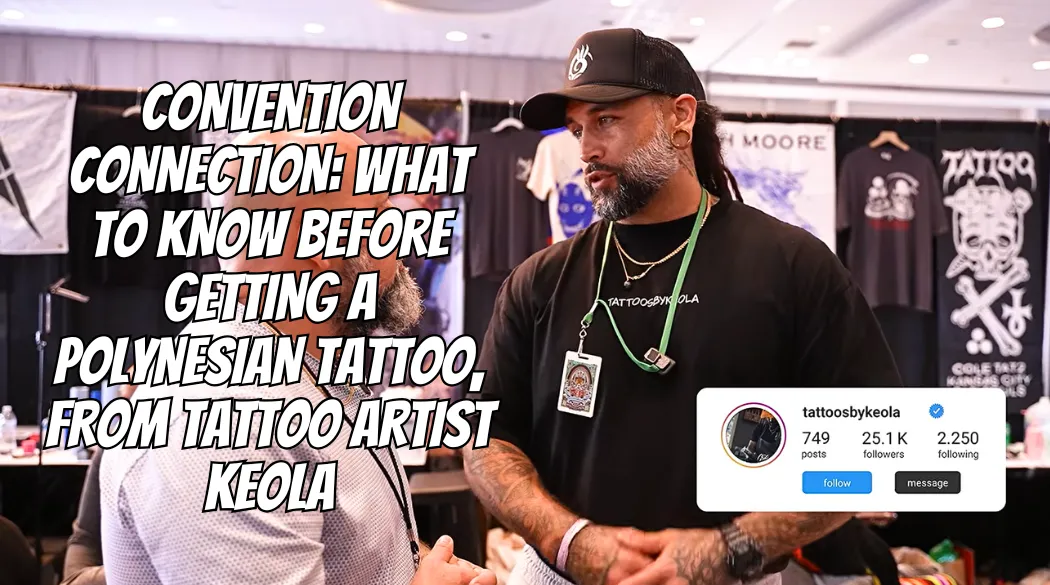
Keola has been tattooing professionally since 2012, after starting his tattoo apprenticeship in 2008. His specialty is Polynesian tribal. To him, it isn’t just a style. It’s culture, embedded in generations of family knowledge, where every motif carries heavy meaning and every design tells a story unique to the person wearing it.
Chico Cortez caught up with Keola in Houston for Convention Connection. They talked about what Polynesian tattoos really mean, who should create them, and what anyone should know before getting one.
Key Takeaways
It’s a story, not a design: Keola says each Polynesian motif carries heavy meaning, and the way designs are stacked tells the wearer’s story.
Freehand matters: He says authentic Polynesian work is freehanded, so it stays unique to the person. Cut-and-paste and stenciled work takes away from it.
His view on who should tattoo it: Keola believes non-Polynesian Tattoo Artists should leave Polynesian work to Polynesians.
Anyone can wear it, with the right Tattoo Artist: If you’re not Polynesian, he says go to a well-versed Polynesian Tattoo Artist who can explain your motifs.
Know what you carry: Ask your Tattoo Artist to explain your story, because it comes from Polynesian ancestors.
What Is a Polynesian Tattoo?
A Polynesian tattoo is a traditional form of tattooing from the Pacific Islands, built from motifs that carry cultural meaning. The word “tattoo” itself is widely traced to the Polynesian word “tatau.”
For Keola, it’s personal. He says Polynesian tattooing is embedded in his culture and goes back generations. It’s what his family has shown him over time. “We studied it, we lived it, we breathe it,” he says.
He specializes in Polynesian tribal work and has tattooed across the Pacific and beyond, including Hawaii, Samoa, Tahiti, and Australia.
Why Does the Meaning Matter So Much?
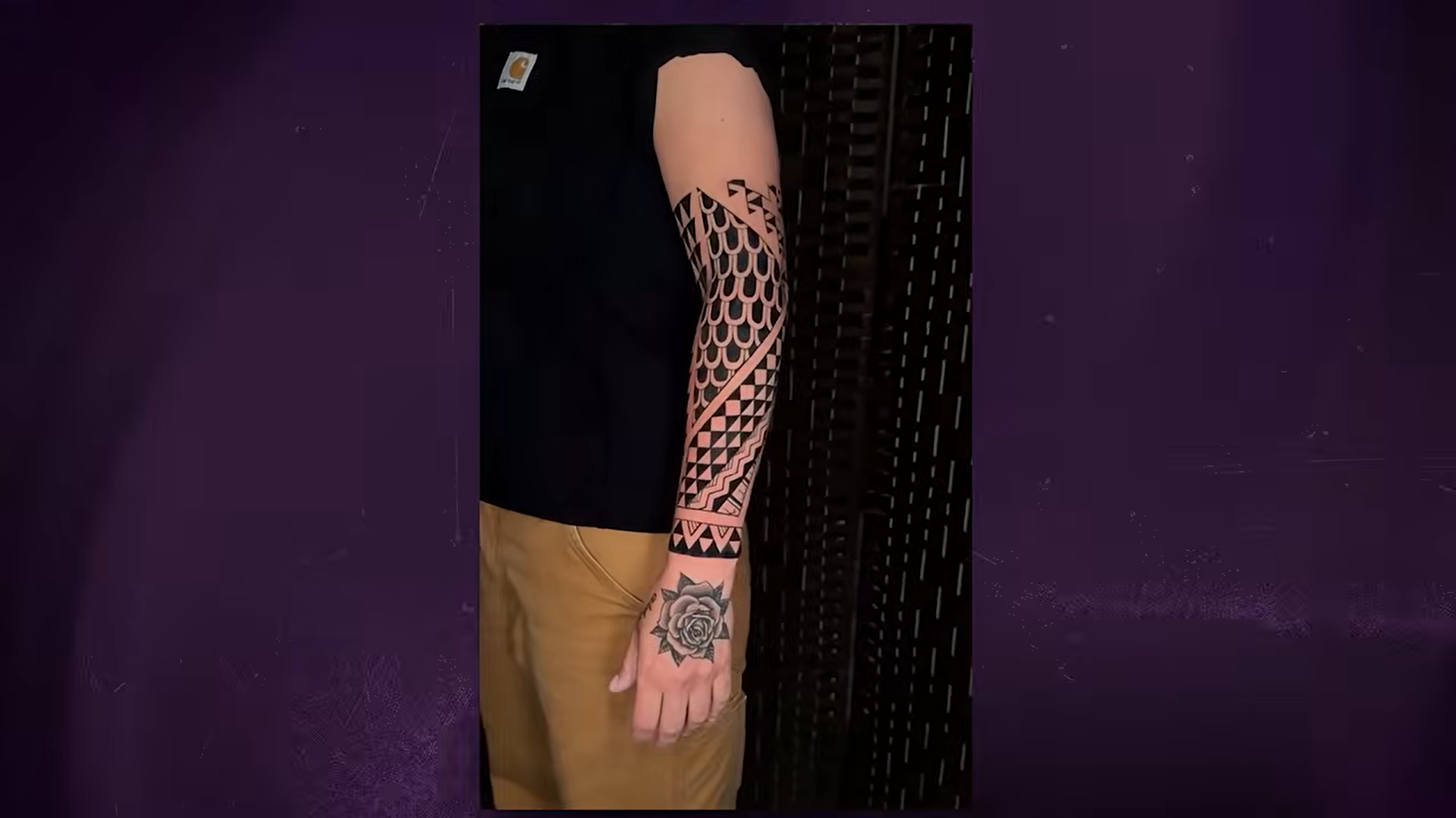
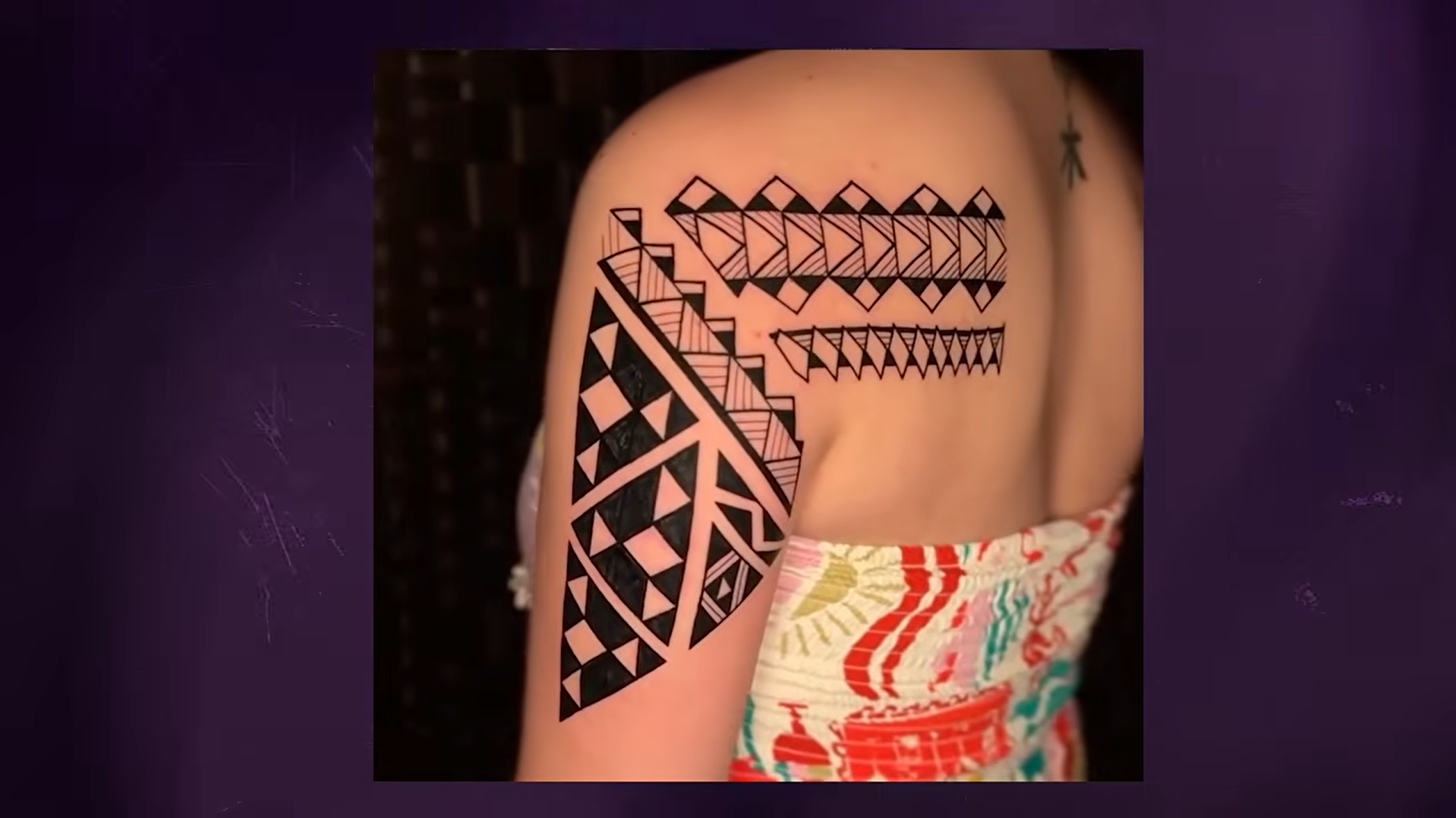
Keola says each symbol, or motif, carries heavy meaning. There’s also a certain way the designs are supposed to be stacked so they tell a story.
That story is meant to be unique to the person wearing it. It isn’t something you copy and paste. When done right, the tattoo reflects the energy of the person and the story they hold.
That’s why he believes understanding the culture matters so much. A Tattoo Artist who doesn’t know how the designs are supposed to be stacked can’t create that story properly.
How Do You Research Before You Commit?
Based on Keola’s advice, a few steps can help you prepare:
Step 1: Understand it’s a story. Know that a Polynesian tattoo isn’t just a design. It’s meant to tell your story.
Step 2: Skip the internet copies. Keola says copying and stenciling Polynesian work takes away from its meaning.
Step 3: Find a well-versed Polynesian Tattoo Artist. He says this is the most important step.
Step 4: Ask questions. Make sure your Tattoo Artist can explain the motifs and your story.
Step 5: Know what you’re carrying. Keola says your design comes from Polynesian ancestors, so you should understand it.
How Do You Find the Right Tattoo Artist?
Keola’s advice is direct. If you want a Polynesian tattoo, go to a Polynesian Tattoo Artist who is very well versed in Polynesian tribal work. That Tattoo Artist should be able to create your own story and explain the motifs to you.
When Chico asked how he feels about non-Polynesian Tattoo Artists doing Polynesian work, Keola was clear. In his view, they shouldn’t. He believes it should be left to Polynesians, because it’s embedded in their culture and they’ve studied and lived it. Without a deep understanding of the designs and how they’re stacked, he says, the work loses its meaning.
Safety matters, too. Any tattoo studio should follow the OSHA bloodborne pathogens standard.
What Should You Expect at the Appointment?
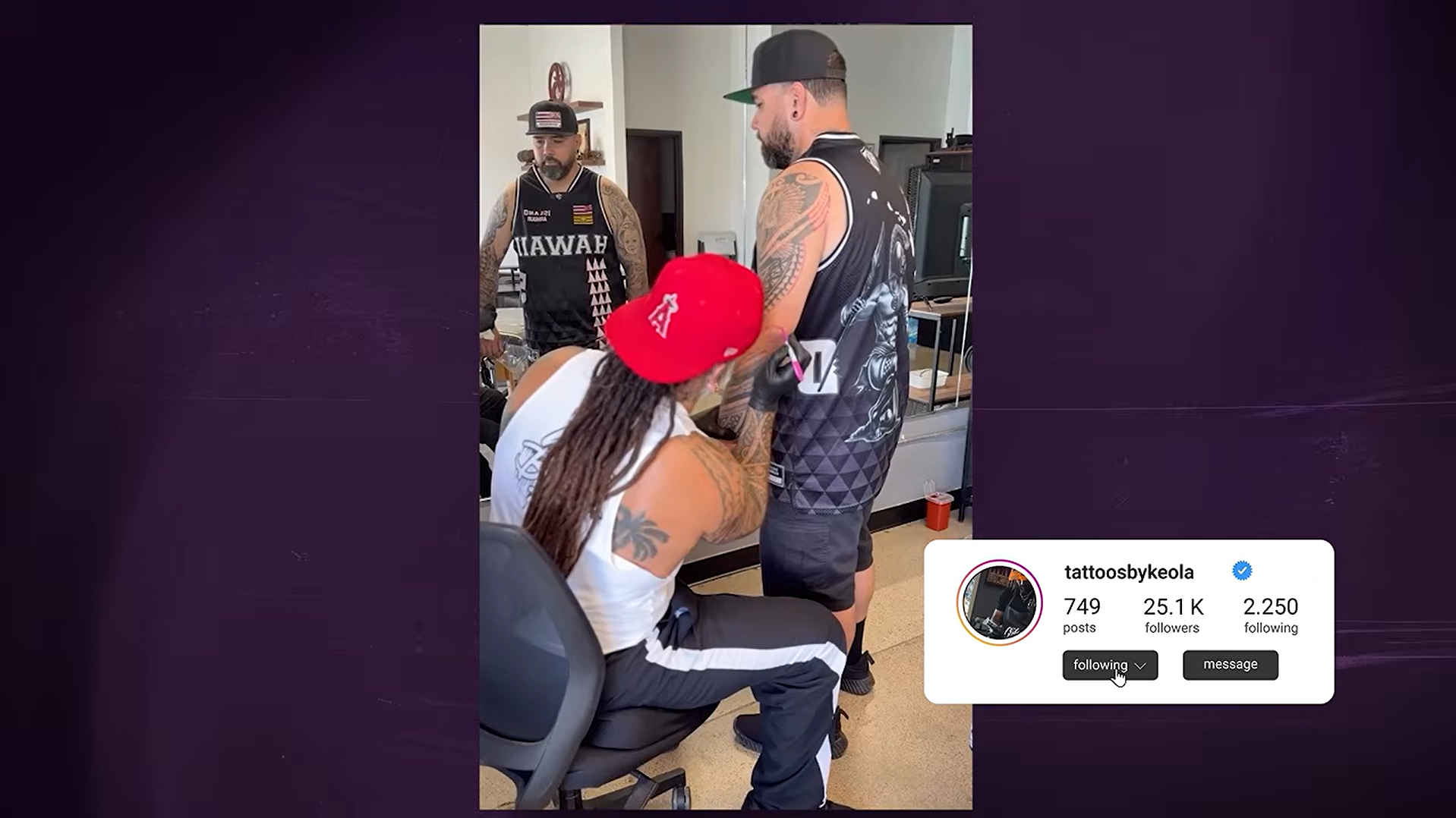
With a Tattoo Artist like Keola, expect your design to be freehanded. He says everything is drawn freehand so it stays unique to your energy and your story.
Expect a conversation, too. Keola says a good Polynesian Tattoo Artist should be able to explain your motifs and your story, so you understand exactly what you’re carrying on your body.
Larger Polynesian pieces can take more than one session. Your Tattoo Artist can tell you what to expect based on your design.
How Do You Care for a Polynesian Tattoo?
Follow your Tattoo Artist’s aftercare instructions carefully. Polynesian work often features bold, solid black, so proper healing helps keep it crisp. Once healed, protecting it from the sun helps it last.
How Do You Become the Artist Behind the Ink?
Keola’s journey started with a tattoo apprenticeship in 2008. He tattooed professionally four years later, in 2012.
Today, he’s based in Costa Mesa in Orange County, California. He travels to Hawaii often, works all over California, and has been coming to Houston about every other month for almost a year. He says his kids keep him close to home these days. He has three kids and a partner. But he’s happy to travel anywhere people want him.
What Does Ink Different's Apprenticeship Offer?
Ink Different’s Traditional Tattoo Apprenticeship is an 18 to 24 month, four-phase tattoo apprenticeship that takes beginners to job-ready Tattoo Artists.
Ink Different has trained Tattoo Artists for 15 years. Here’s what you can expect:
Beginner-friendly: No prior art experience required.
Hands-on mentorship: You learn in person from experienced Mentors inside a working tattoo studio.
Licensing support: Guidance through your state’s requirements, like how to get your tattoo license in Texas.
A guaranteed job offer: You’ll receive a guaranteed job offer at one of Ink Different’s own tattoo studios.
This is a career that comes with confidence. You’ll finish with job-ready skills, licensing support, and a guaranteed job offer at one of Ink Different’s own tattoo studios. The Traditional Tattoo Apprenticeship is available at 60+ tattoo studios nationwide. Learn why tattoo apprenticeships are gaining ground as a solid alternative to college.
Mentorship that pushes your brand and skills further. Once you’ve built your foundation, Ink Different’s Master Mentorship connects you with Master Mentors, including Al Fliction, Liz Cook, Kyle Dunbar, Boneface, Jordi Pla, Marcel Oliveira, and Kara Gutierrez.
Making tattoo training accessible for everyone. Ink Different offers Spanish-speaking locations in Denver, Orange County, NYC, Miami, San Antonio, and San Diego. You’ll also join a “Good Humans” culture, a supportive community from day one.
Remember: Seats are limited, with only two apprentices per tattoo studio per Mentor.
Ready to Take the First Step?
If you’re thinking about getting a Polynesian tattoo, Keola’s advice is simple. When Chico asked how he feels about non-Polynesians getting Polynesian tattoos, Keola laughed: “I like tacos and sushi, too.” Just go to a Polynesian Tattoo Artist who is well versed in the tradition. Make sure they can create your own story and explain your motifs, because, as he puts it, it came “from our ancestors, from our tipuna (ancestors).”
To book with Keola, visit TattoosByKeola.com or find him as tattoosbykeola on Instagram, Facebook, and TikTok. Follow Chico at @m4l_chico.
If you’d rather become a Tattoo Artist yourself, apply now to Ink Different’s Traditional Tattoo Apprenticeship and start building an AI-proof career with licensing support and a guaranteed job offer at one of Ink Different’s own tattoo studios. Prefer to test the waters first? Fill out our quick questionnaire to see if it’s right for you.
Frequently Asked Questions
Can non-Polynesians get Polynesian tattoos?
Keola says yes. Just go to a Polynesian Tattoo Artist who is well versed in the tradition and can explain your motifs and your story.
Should non-Polynesian Tattoo Artists do Polynesian tattoos?
In Keola’s view, no. He believes it should be left to Polynesian Tattoo Artists, who understand the culture and how the designs are meant to be stacked.
Why should Polynesian tattoos be freehanded?
Keola says freehanding keeps each design unique to the person and their story. Copying and stenciling takes away from its meaning.
Where is Keola based?
Costa Mesa, in Orange County, California. He also travels to Hawaii, Houston, and elsewhere.
How long does the Traditional Tattoo Apprenticeship take?
Ink Different’s Traditional Tattoo Apprenticeship takes 18 to 24 months across four phases, with licensing support and a guaranteed job offer at one of Ink Different’s own tattoo studios.
Do I need art experience to start?
No. The Traditional Tattoo Apprenticeship is built for beginners.