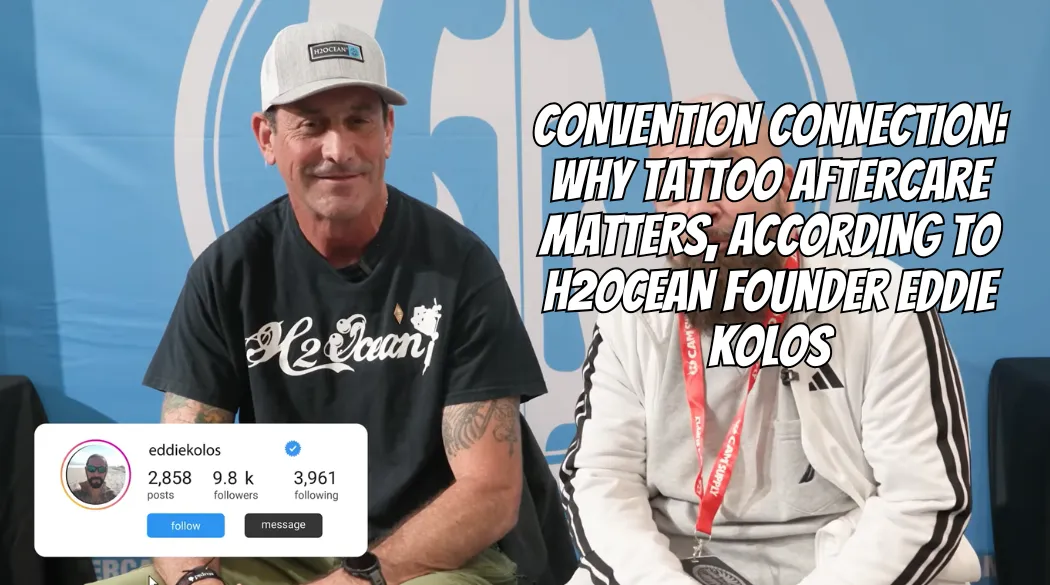
Convention Connection: Why Tattoo Aftercare Matters, According to H2Ocean Founder Eddie Kolos
Chico Cortez has met plenty of people selling tattoo aftercare. Only one of them was willing to eat his own product. When Eddie Kolos introduced H2Ocean’s foam soap, he ate some on the spot to show how safe he believed it was. “That’s standing behind your product,” Chico says. Eddie started H2Ocean around 2001, and he says it was the very first tattoo and piercing aftercare. Chico’s Miami tattoo shop was one of its first stores, and Eddie used to deliver it there himself.
Chico caught up with Eddie at the Tattoo Society World Expo in New York for Convention Connection. In this video interview, Eddie talks about how H2Ocean started, why aftercare matters, and why he still shows up to conventions.
Key Takeaways
His idea: Eddie built H2Ocean around sea salt and minerals, starting around 2001.
A long run: Many aftercare brands have come and gone. H2Ocean has been around for about 23 years.
His aftercare advice: Keep it clean, and don’t leave plastic wraps on for more than a day or two.
His approach: He says H2Ocean uses no alcohol or dyes and sources its minerals from the Red Sea.
Why conventions: “The love of the art and the people.”
Who Is Eddie Kolos and Why Does His Voice Matter?
Eddie Kolos is the founder of H2Ocean, an aftercare brand for tattoos and piercings.
His idea started with the ocean. He points out that the Earth is mostly salt water, and he believes our bodies rely on those same minerals to heal. He first tried selling his idea to the medical field. That led him to create what he says was the very first tattoo and piercing aftercare. He says H2Ocean has now been in the medical field for over 15 years, and he’s been in business for about 23.
Before H2Ocean, Eddie worked in the sunscreen industry. He didn’t like that it was a seasonal business, with sales peaking in summer and spring break. He wanted to move away from chemical-based products and into natural ones.
Eddie has also supported the tattoo community through sponsorships. He wanted to support Tattoo Artists who work hard and travel.
What Is Tattoo Aftercare and Why Does It Matter?
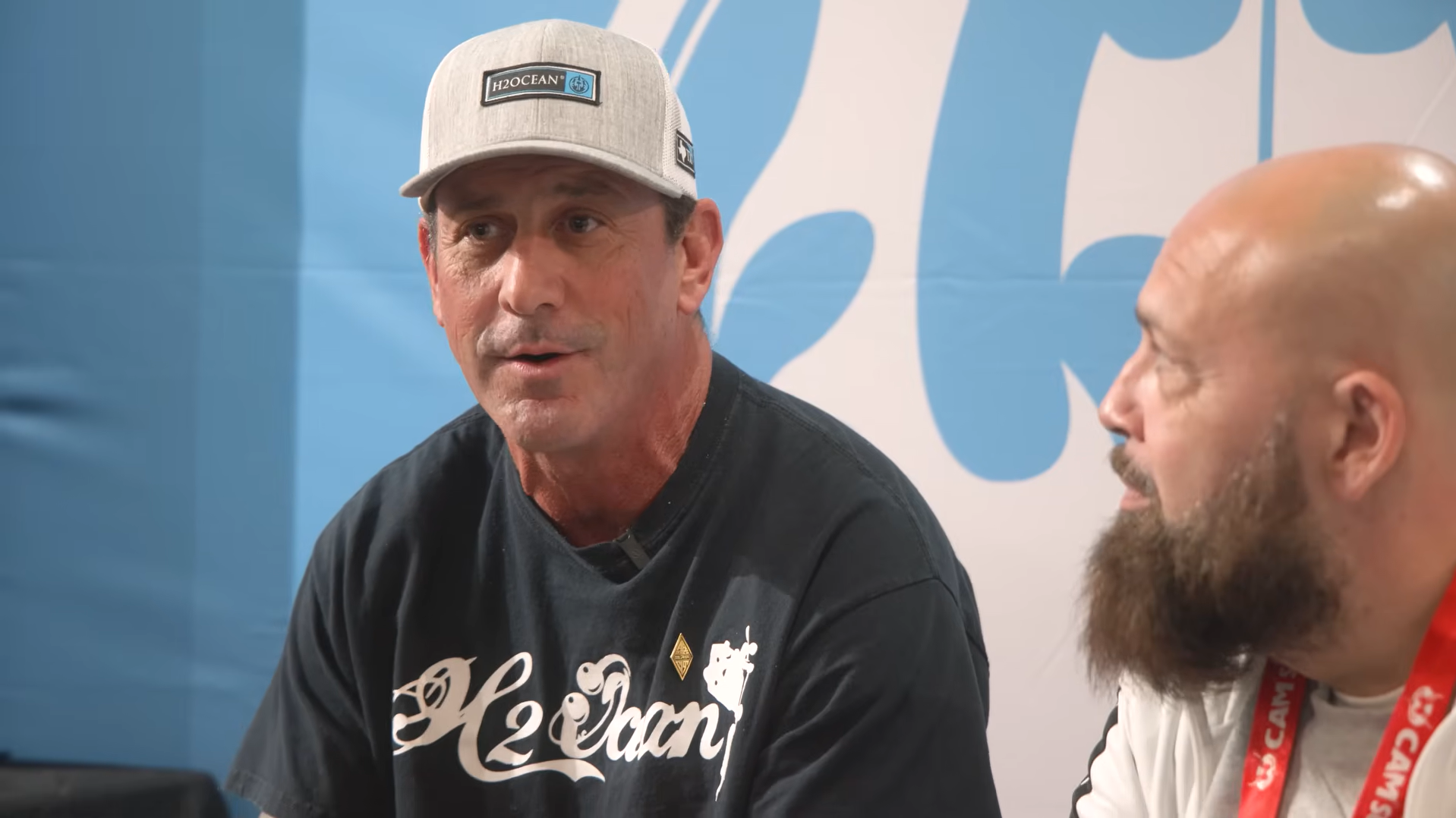
Tattoo aftercare is how a fresh tattoo is cleaned and cared for while it heals. Eddie says it affects how well a tattoo heals and how well it holds its ink.
Chico has seen it work. He says customers kept coming back to his tattoo shop for H2Ocean because it healed their tattoos and piercings well.
Eddie also says not all sea salts are the same, and he encourages people to learn where their products come from. He says H2Ocean sources its minerals from the Red Sea and uses no alcohol, dyes, or synthetic ingredients. He also says he works to keep prices low.
During COVID, Eddie wrote a book on the science of sea salt, with contributions from 70 professors around the world. He says eight or nine clinical studies are ongoing.
Pro Tip: Eddie’s advice for anyone choosing aftercare is to learn what’s in it and where it comes from.
Why Do Tattoo Conventions Shape Aftercare Standards?
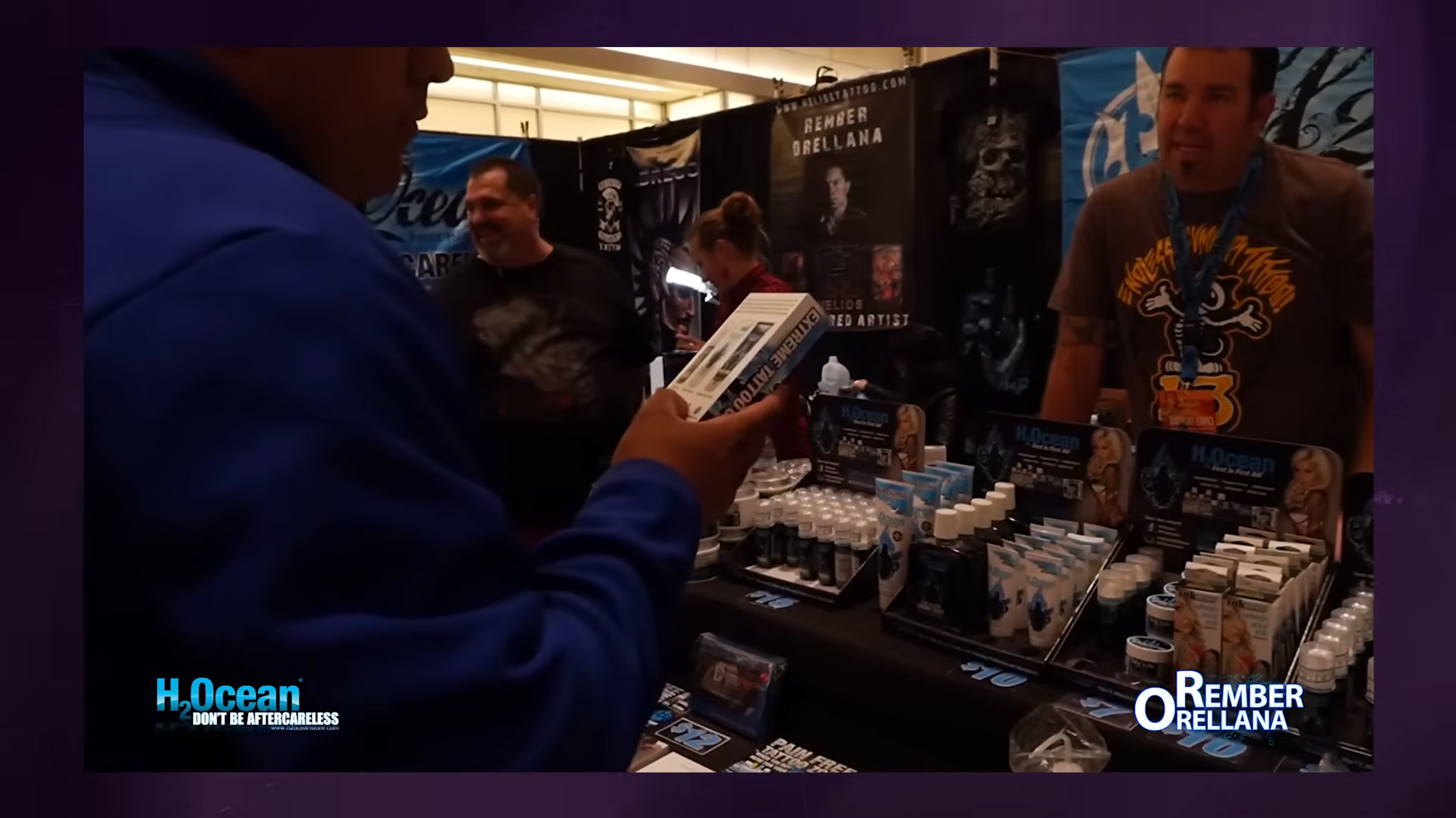
For Eddie, conventions are about people.
After more than 20 years in business, why does he still do conventions? “I think it’s just the love of the art and the people,” he says. He enjoys meeting people and saying hello to friends he hasn’t seen in a long time.
He also values meeting in person. Social media “almost seems fake,” he says. People can make things up, including how they photograph their tattoos.
Chico sums it up: Eddie is making his own convention connection, with clients and fellow sponsors alike.
If you’re new to the industry, build your own presence with these platforms to help Tattoo Artists build their brand.
How Do You Properly Care for a Fresh Tattoo?
Always follow your Tattoo Artist’s aftercare instructions. Here’s the advice Eddie shared from his experience:
Keep it clean. Eddie says washing a fresh tattoo is very important.
Don’t leave plastic wraps on too long. He says wraps hold in the oozing that your body needs to get rid of. In his view, they shouldn’t be used for more than a day or two.
Watch for trapped bacteria. He warns that bacteria can get trapped under a wrap and fester into an infection.
Keep high-movement areas moisturized. He notes that more people are getting neck tattoos. The neck has many creases and lots of movement, so he says it needs good moisture to keep from drying and cracking.
Avoid scabs that crack and bleed. Eddie says a scab that dries, cracks, and starts bleeding again is the worst thing that can happen. That, he says, is when you lose ink.
Safety starts in the tattoo studio, too, with standards like the OSHA bloodborne pathogens standard.
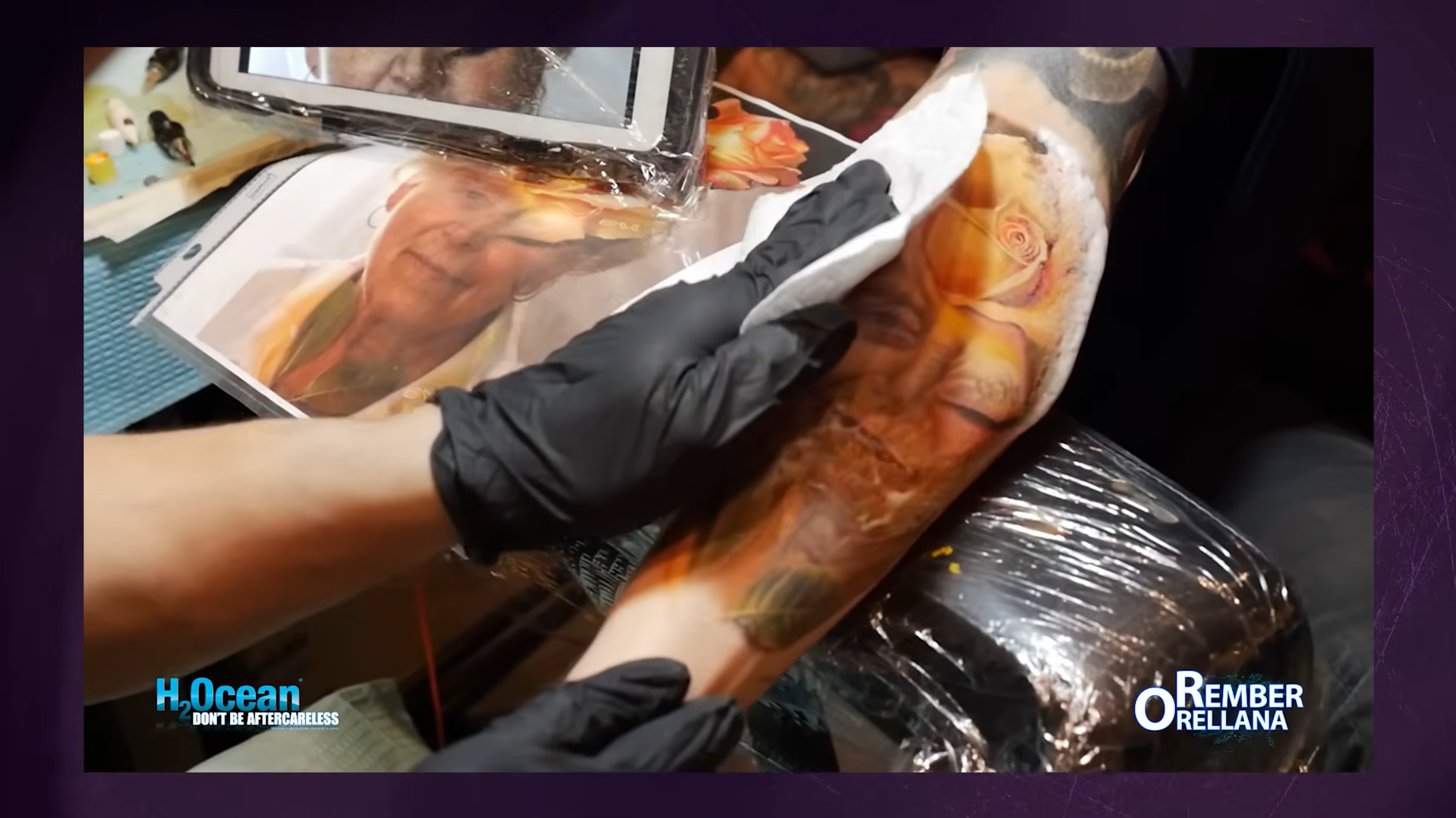
Why Is Aftercare the Artist's Responsibility Too?
Because clients look to their Tattoo Artist for guidance.
Eddie’s company grew through tattoo shops. Shops like Chico’s carried his products and recommended them, and clients came back for them.
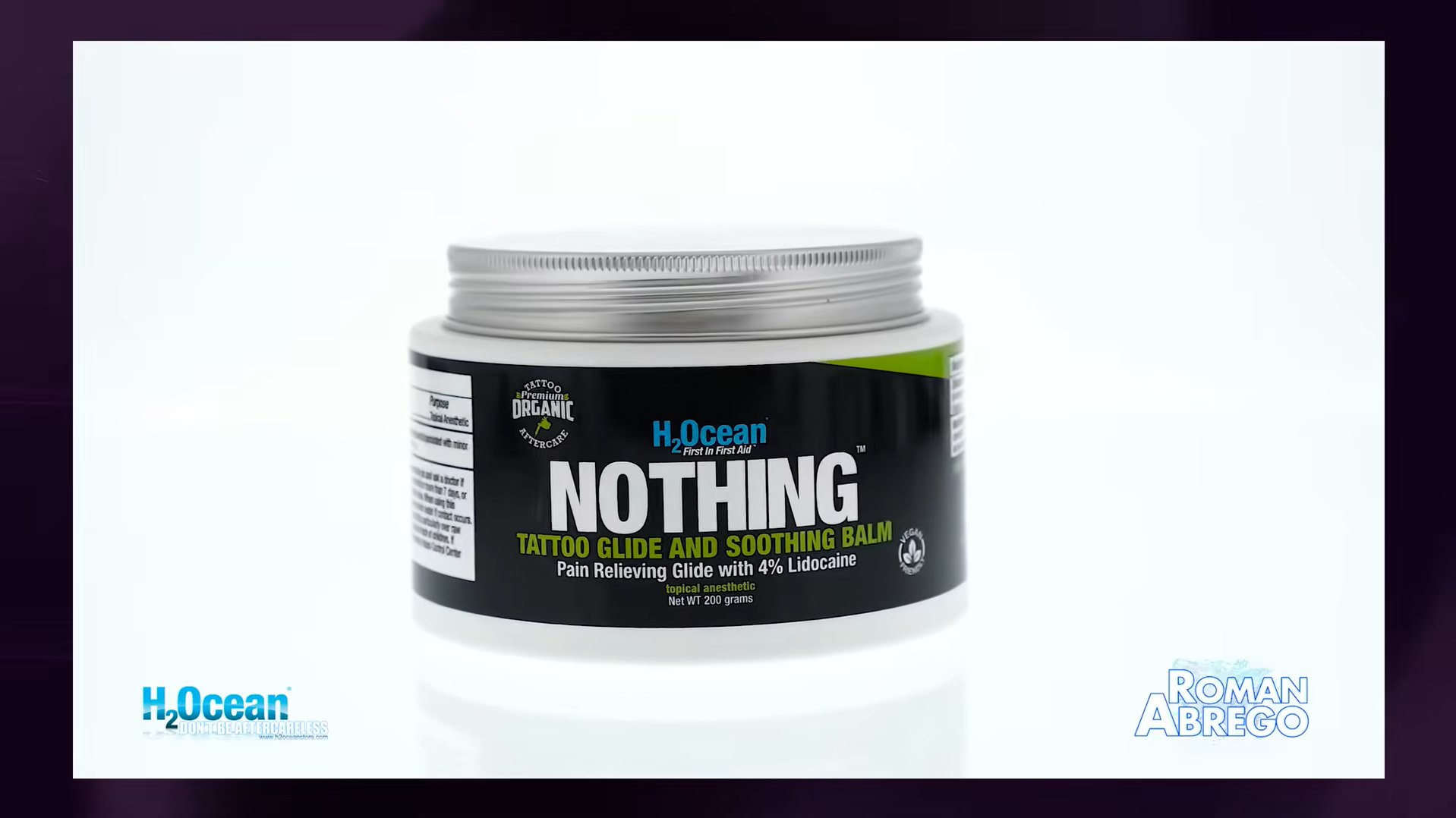
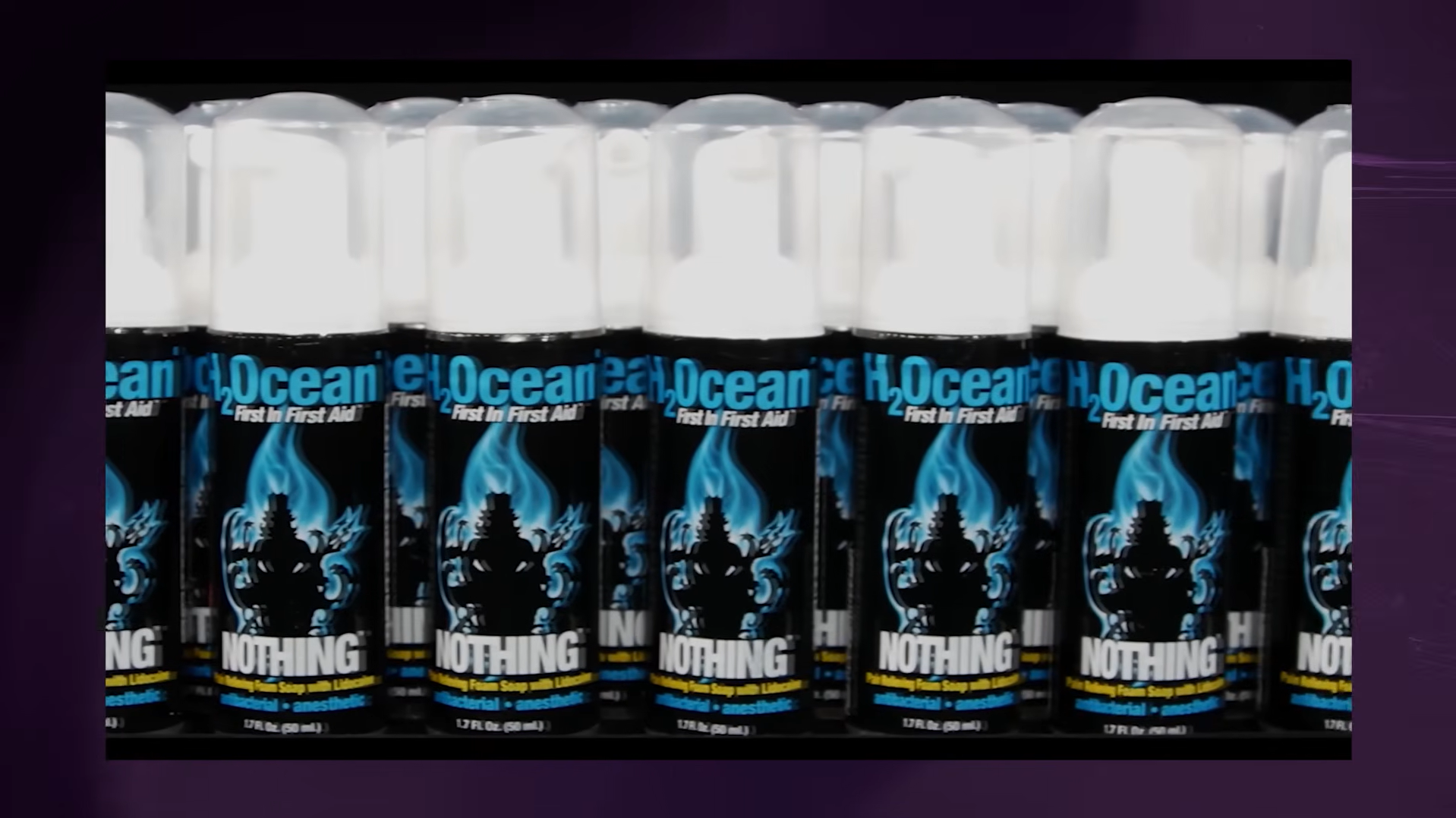
He’s also built products with clients in mind. H2Ocean was one of the first to bring out a foam soap, and Eddie says they made a lidocaine product to help people relax while getting tattooed. “Tattoos hurt, right?” he says. “Especially when you get older.”
Before you start, read about the mistakes aspiring tattoo apprentices should avoid.
How Do You Learn Aftercare the Right Way?
You learn it through hands-on training with experienced Tattoo Artists, who can teach you how to care for clients before, during, and after a tattoo.
Tattooing is a human craft, which is why Tattoo Artists are still essential. For gear, see the tools every beginner Tattoo Artist should know.
What Does Ink Different's Traditional Tattoo Apprenticeship Teach?
Ink Different’s Traditional Tattoo Apprenticeship is an 18 to 24 month, four-phase tattoo apprenticeship built for beginners. Ink Different has trained Tattoo Artists for 15 years. No prior art experience is required.
Phase One: Art and design.
Phase Two: Machine practice on synthetic skin.
Phase Three: Supervised tattoos on real clients in a tattoo studio.
Phase Four: Building independence and preparing for licensing.
Licensing support: Guidance through your state’s requirements, like how to get your tattoo license in Texas or how long a tattoo license takes in Colorado.
This is a career that comes with confidence. You’ll finish with job-ready skills, licensing support, and a guaranteed job offer at one of Ink Different’s own tattoo studios. The Traditional Tattoo Apprenticeship is available at 60+ tattoo studios nationwide.
Seats are limited, with only two apprentices per tattoo studio per Mentor.
What Is the Master Mentorship Program?
Once you’ve built your foundation, Ink Different’s Master Mentorship connects you with Master Mentors, including Al Fliction, Liz Cook, Kyle Dunbar, Boneface, Jordi Pla, Marcel Oliveira, and Kara Gutierrez.
How Does Ink Different Make Training Accessible?
Ink Different offers Spanish-speaking locations in Denver, Orange County, NYC, Miami, San Antonio, and San Diego. Its “Good Humans” culture means you join a supportive community from day one.
Ready to Build a Career Built on Craft?
Eddie Kolos has spent more than two decades in tattoo aftercare, and he still shows up to conventions for the love of the art and the people. He’s planning a big party for H2Ocean’s 25th anniversary, and as Chico says, everyone’s invited.
His advice for everyone: “Don’t be aftercareless.” To learn more about H2Ocean’s products and ingredients, visit h2ocean.com and explore their blogs.
Ready to become a Tattoo Artist? Apply now to Ink Different’s Traditional Tattoo Apprenticeship and start building an AI-proof career with licensing support and a guaranteed job offer at one of Ink Different’s own tattoo studios.
Follow Chico at @m4l_chico.
Frequently Asked Questions
Who is Eddie Kolos?
Eddie Kolos is the founder of H2Ocean, an aftercare brand for tattoos and piercings he started around 2001.
What does Eddie say about plastic wraps?
He says they hold in the oozing your body needs to release, can trap bacteria, and shouldn’t be used for more than a day or two.
Why does Eddie still go to tattoo conventions?
For “the love of the art and the people,” and to reconnect with friends he hasn’t seen in a long time.
Do I need art experience to start the Traditional Tattoo Apprenticeship?
No. The Traditional Tattoo Apprenticeship is built for beginners.
How long does the Traditional Tattoo Apprenticeship take?
Ink Different’s Traditional Tattoo Apprenticeship takes 18 to 24 months across four phases, with licensing support and a guaranteed job offer at one of Ink Different’s own tattoo studios.
Is tattooing an AI-proof career?
Yes. Tattooing depends on human skill and trust between a Tattoo Artist and a client.