Cover-Up Tattoos: What's Actually Possible
You know the feeling. A client sits down in your chair, rolls up a sleeve, and shows you a faded ex's name, a wobbly line-work regret, or something they got at 19 that no longer fits who they are. They look at you with a mix of hope and embarrassment and ask the same question everyone asks: "Can you fix this?" That moment is where great Tattoo Artists are made, and where the unprepared get exposed.
A cover-up tattoo is a new tattoo strategically designed and applied over an existing one to hide, redesign, or transform the old ink into something the client is proud to wear. Learning how to actually deliver that transformation is one of the highest-value skills you can build, and it is exactly the kind of hands-on craft we teach at Ink Different Tattoos.
Key Takeaways
Definition: A cover-up tattoo hides or redesigns old ink by layering a new, carefully planned design over it.
Feasibility: Most tattoos can be covered, but dark, dense, or large pieces limit design options significantly.
Design rule: Cover-ups usually need to be 30–50% larger and darker than the original tattoo to work.
Skill level: Cover-ups are advanced work requiring mastery of color theory, contrast, saturation, and placement judgment.
How to learn: Ink Different's Traditional Tattoo Apprenticeship (18–24 months) teaches cover-up fundamentals through live, in-person mentorship.
What is a cover-up tattoo?
A cover-up tattoo is a new design placed over an existing tattoo to conceal or reimagine it, using darker tones, larger shapes, and clever contrast to make the eye read the new art first, and the old ink fade into shadow.
Think of the skin like a canvas that already has a painting on it. You cannot simply paint white over it and start fresh. Instead, you have to build a new image that absorbs the old one into its shadows and structure. The old tattoo does not disappear; it gets reorganized into something new.
That is what makes cover-ups both an art and a puzzle. Your client is not asking for a blank slate; they are asking you to turn a chapter they regret into a story they want to tell again. When you get it right, you are not just applying ink. You are giving someone a fresh sense of ownership over their own body.

What's actually possible with a cover-up?
Most existing tattoos can be covered, but what's possible depends on the size, darkness, and density of the original, since a cover-up almost always needs to be bigger and bolder than the piece underneath.
Here is the honest truth many people do not hear until they are in the chair: a small, faded outline gives you tons of freedom, while a large, solid black tribal piece boxes you in. The darker and denser the original, the more limited your palette and design choices become.
That does not mean heavy tattoos are impossible to cover. It means you have to be strategic. Sometimes the answer is a bold, high-contrast design. Sometimes the honest, professional move is to recommend a few laser lightening sessions first so you can deliver a result the client will love for decades. Knowing the difference is what separates a pro from someone winging it.
Pro Tip:When a client's expectations exceed what's realistic, guiding them toward laser lightening first is not a lost sale. It is a sign of integrity that builds trust and referrals for life.
What factors decide if a cover-up will work?
The success of a cover-up tattoo depends on the original tattoo's darkness, size, and placement, along with the client's skin tone, healing history, and how flexible they are with the new design.
Before you promise anything, you learn to read the skin like a map. Every existing tattoo tells you what your options are.
Ink darkness: Faded and light tattoos are easiest to cover; dense black requires bigger, darker designs.
Size: Your cover-up typically needs to be 30 to 50 percent larger than the original to ensure full concealment.
Placement: Areas with thin skin or heavy wear (hands, feet, elbows) hold ink differently and affect cover-up viability.
Skin tone: Client skin tone affects which colors will show and how the design reads against existing ink.
Scarring: Old work with scar tissue or blowouts changes how new ink settles and may require adjustment to design.
Understanding these variables is not something you memorize from a video. It is something you develop by watching a Mentor make real calls on real clients, which is why so many aspiring artists stall out trying to learn this alone. Avoiding that trap is covered in our guide on the mistakes aspiring tattoo apprentices should avoid.
How does the cover-up process work step by step?
A cover-up follows a repeatable process: assess the original, choose a concealing design, size and darken it appropriately, then tattoo in layers so the old ink disappears into the new artwork.
Here is the workflow you will learn to run with confidence:
Assess the original. Evaluate darkness, saturation, scarring, and placement. Decide if a direct cover-up is realistic or if lightening is needed first.
Set client expectations. Explain honestly what colors and designs are possible over the existing ink. Manage the story before you draw it.
Design bigger and bolder. Draft a piece large enough and dark enough to absorb the original. Organic shapes, flowers, and strategic shading hide old lines best.
Map the placement. Position the stencil so the darkest new elements land over the darkest old ink, creating visual hierarchy.
Tattoo in layers. Build depth and contrast so the eye reads the new design first and the old tattoo fades into shadow and becomes unrecognizable.
Guide aftercare. Cover-ups often carry more saturated ink, so proper healing matters. Point clients to trusted resources like the American Academy of Dermatology tattoo care guidelines.
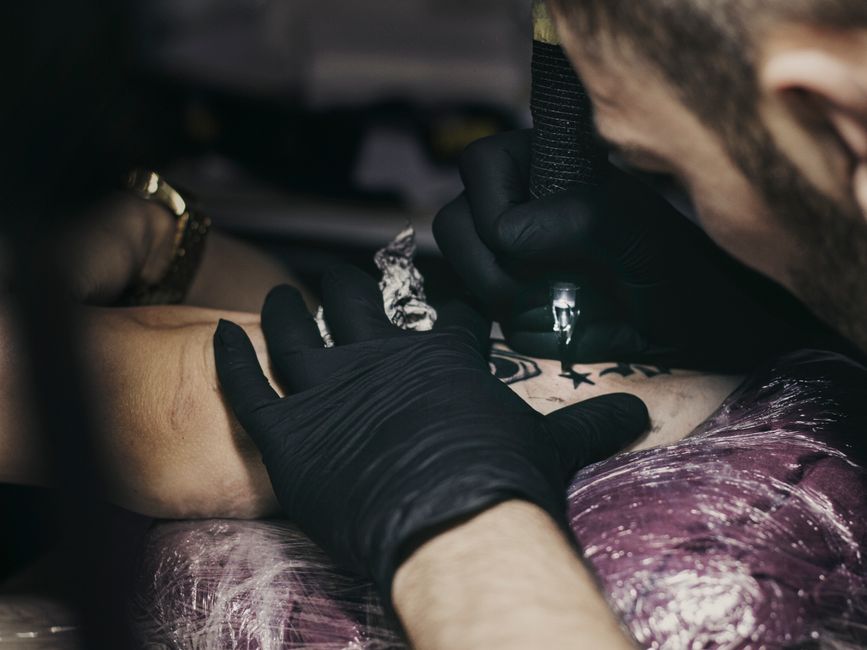
Notice how much of this happens before the Tattoo Machine ever touches skin. Great cover-ups are won in the planning stage—this is where your design skill, your judgment, and your client communication make all the difference.
Why do cover-ups demand serious skill?
Cover-ups demand advanced skill because you're solving a design problem, not starting fresh, which requires mastery of color theory, contrast, saturation, and placement that only comes from real hands-on training.
Anyone can copy a flash design onto clean skin. Very few artists can look at a botched name tattoo and design something that both looks intentional and completely hides the past. That gap in skill is exactly why cover-up specialists command higher income and stay booked out months in advance.
It is also why this craft is so resistant to being replaced by technology. A machine cannot read a nervous client, negotiate a design that respects the skin, and adapt in real time. This is deeply human work, which is part of whyTattoo Artists remain essential in an AI-driven world. According to the Bureau of Labor Statistics, skilled craft and fine artists continue to be valued for exactly the kind of judgment and creativity a cover-up requires.
How do you learn to design cover-ups the right way?
You learn cover-up tattooing through a structured, in-person tattoo apprenticeship where a licensed Mentor teaches you design theory, safe technique, and how to make real decisions on live clients.
You cannot shortcut this. Watching tutorials will show you what a good cover-up looks like, but it will not build the muscle memory, the confidence, or the judgment to handle the client who is fighting back tears in your chair. That only comes from a real path, in a real Tattoo Studio, next to someone who has done it thousands of times.
This is exactly why more aspiring artists are treating a tattoo apprenticeship as a serious college alternative. Instead of racking up debt for a degree that may not lead anywhere, you build a tangible, AI-proof skill that pays. And if you have been stuck in a job that drains your creative potential, that decision is one of the most freeing you can make. If timing has been your hesitation, our post on why spring is the best time to become a Tattoo Artist might be the nudge you need.
What does the Traditional Tattoo Apprenticeship include?
Ink Different's Traditional Tattoo Apprenticeship is an 18- to 24-month, four-phase Tattoo Artist Training program that takes you from beginner to job-ready, with personalized hands-on mentorship and licensing support along the way.
We have been training professional Tattoo Artists since 2011. That is 15 years of refining a path that actually works. You start remotely to build your foundations, then finish in real studios where you learn cover-ups, color, line work, and client communication under a live Mentor's eye. No prior art experience is required. We meet you where you are and grow the skill from the ground up.
Here is what that gives you:
Personalized training: One-on-one guidance instead of a crowded lecture hall or generic online course.
Start remote, finish in studios: Build fundamentals remotely, then apply them on real skin in working tattoo studios.
Beginner-friendly: No portfolio or formal art background needed to begin your journey as a Tattoo Artist.
Licensing support: We help you navigate state-by-state requirements, from getting your tattoo license in Texas to how long licensing takes in Colorado.
Safety-first standards: You'll train in professional hygiene practices aligned with OSHA bloodborne pathogen standards, so you protect every client.
Beyond the technique, you join our "Good Humans" culture: a supportive, family-like community where you are never grinding alone. Seats in live, in-person mentorship are limited by nature, so the artists who move decisively are the ones who get the personalized attention that makes cover-up mastery possible.
How can Master Mentorship push you further?
Ink Different's Master Mentorship is a one-year, in-person program where beginner and experienced artists train directly with award-winning Mentors to master a specific style, accelerate their career, and build a recognizable brand.
If you want to specialize in cover-ups, realism, or another style, this is where you accelerate. You learn from names like Al Fliction, Liz Cook, Kyle Dunbar, Boneface, and Jordi Pla, celebrity Tattoo Artists known for pushing the craft forward. It is intensive, focused skill development designed for artists ready to own their craft and their business.
Once your skills are sharp, you'll want the world to see them. Start planning early with our guide to platforms that help Tattoo Artists build their brand.
Ink Different also offers Spanish-speaking locations in Denver, Orange County, NYC, Miami, San Antonio, and San Diego, so language never has to stand between you and this career.
Ready to become a Tattoo Artist?
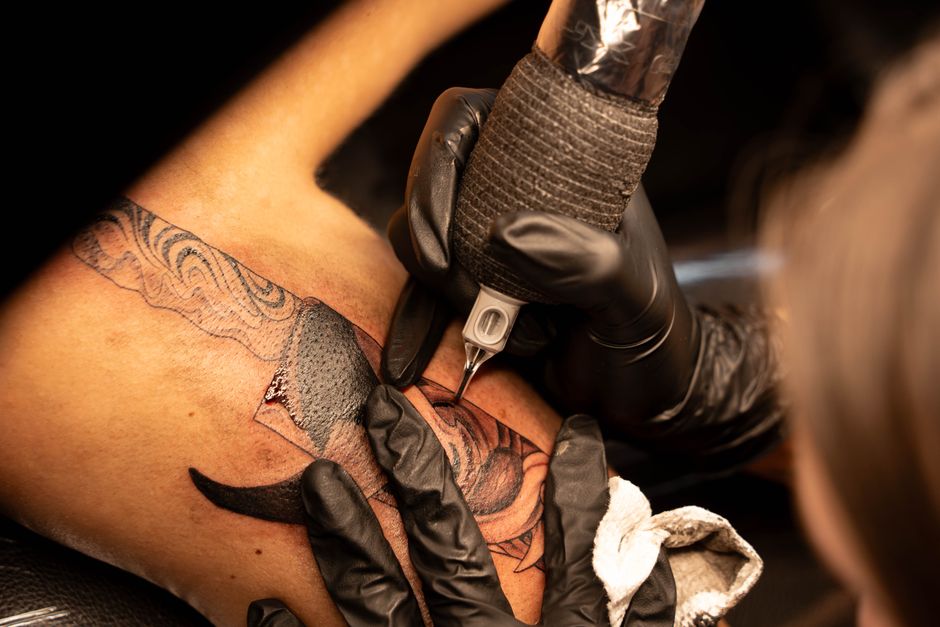
Every faded name, every regret on someone's arm, is an opportunity waiting for an artist skilled enough to transform it.
Ready to become a Tattoo Artist? Apply now to Ink Different's Traditional Tattoo Apprenticeship and start building an AI-proof career with licensing support along the way. Prefer to test the waters first? Fill out our quick questionnaire to get personalized support and find out if the Tattoo Apprenticeship Program is right for you.
Frequently Asked Questions
Can any tattoo be covered up?
Most tattoos can be covered, but very dark, dense, or large pieces limit design options. In some cases, a few laser lightening sessions first give better, longer-lasting results.
Does a cover-up tattoo have to be bigger than the original?
Usually yes. A cover-up typically needs to be 30 to 50 percent larger and darker than the original tattoo to fully conceal the old ink underneath.
Do I need art experience to learn cover-up tattooing?
No. Ink Different's Traditional Tattoo Apprenticeship is built for beginners and teaches drawing, design, and cover-up fundamentals from the ground up, with no prior portfolio required.
How long does the Traditional Tattoo Apprenticeship take?
Ink Different's Traditional Tattoo Apprenticeship takes 18 to 24 months across four phases. You start remotely to build foundations, then finish training on real skin in working studios.
What makes Ink Different Tattoos unique?
Ink Different offers live, in-person mentorship, 15 years of proven experience since 2011, award-winning Mentors, licensing support, and a supportive "Good Humans" culture as a genuine college alternative.
Is a tattoo career safe from being replaced by AI?
Yes. Cover-ups and custom tattooing require human judgment, empathy, and real-time adaptability that machines cannot replicate, making skilled Tattoo Artists a resilient, AI-proof career choice.