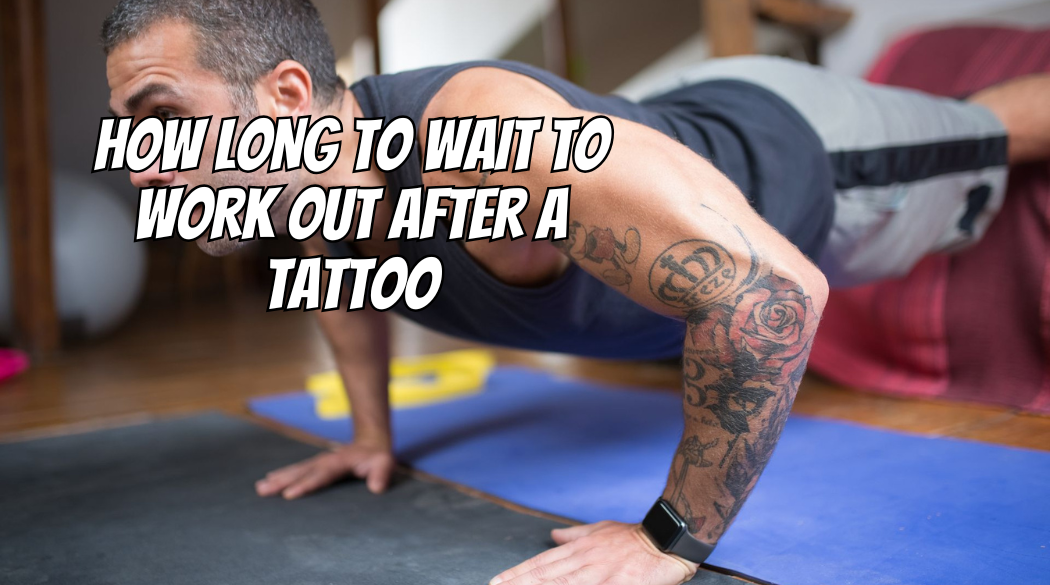
How Long to Wait to Work Out After a Tattoo
As a general guide, skip hard workouts for at least the first couple of days after a new tattoo. Stick to light, low-sweat activity for the rest of the first week or two, and save intense training that stretches or rubs the tattooed area until it has healed on the surface. That’s often around two weeks. Bigger tattoos, or ones over joints and muscles you train hard, may need longer.
Mayo Clinic notes that most tattoos take about two weeks to heal, which is why that’s a common benchmark. Below, we break down why the wait matters, how placement changes it and how to ease back into your routine. Always follow your own Tattoo Artist’s aftercare instructions first.
Key Takeaways
First couple of days: Rest from intense exercise while the skin starts to close.
First one to two weeks: Keep workouts light, and avoid heavy sweat and friction on the tattoo.
After surface healing: Return to full training once scabbing and flaking are done.
Placement matters: Tattoos over joints or muscles you train often need extra time.
Skip soaking: Avoid pools, hot tubs and open water until the tattoo is fully healed.
Why Do You Need to Wait to Work Out After a Tattoo?
A new tattoo is an open wound. Sweat, friction and germs from gym surfaces can irritate it, slow healing and raise the risk of infection.
Tattooing creates many tiny punctures in the skin, and your body treats the area like any other wound. Exercise can interfere in a few ways:
Sweat can irritate raw, healing skin.
Stretching and flexing can pull at forming scabs.
Friction from clothing, straps and equipment can rub the tattoo.
Shared surfaces like benches and mats can carry germs.
Mayo Clinic notes that skin infections are possible after getting a tattoo, so keeping the area clean while it heals matters.
How Long Should You Wait to Work Out After a Tattoo?
Plan on resting from intense exercise for the first couple of days, keeping activity light for the first week or two and returning to heavy training once the tattoo has healed on the surface.
Your timeline depends on the tattoo’s size, placement and how your skin heals. Here’s a general, phased approach:
Days 1 to 2: Rest from intense workouts and let the initial tenderness and swelling settle.
Days 3 to 7: Light movement, like walking, with little sweat or friction on the tattoo.
Week 2: Gradually add moderate exercise if the tattoo is healing well. Keep it clean and avoid rubbing.
After surface healing: Return to full training once scabbing and flaking have finished and the skin feels normal.
Surface healing isn’t the end of the process. Healthline notes that it can take as long as six months for the skin below a tattoo to fully heal, so keep protecting it from the sun even after you’re back in the gym. The American Academy of Dermatology notes that UV light can fade some tattoo inks.
Which Tattoo Locations Need the Longest Recovery?
Tattoos over joints, large muscles or high-movement areas usually need the most patience before hard workouts.
Arms and shoulders: Pressing, pulling and curling stretch the skin.
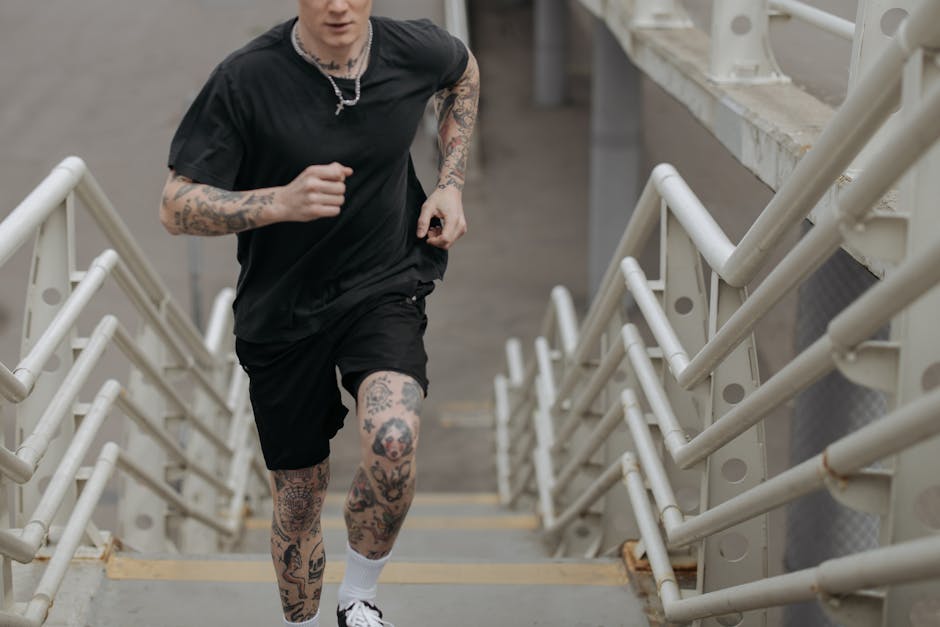
Legs and calves: Running and squatting create movement and plenty of sweat.
Chest and back: Large areas that sweat heavily and press against benches.
Hands, feet and ribs: High-movement or high-friction areas that can heal slowly.
If your new tattoo sits over a muscle you train often, give it extra time or temporarily switch your focus to other areas.
What Happens If You Work Out Too Soon?
Working out too soon can irritate the tattoo, disturb scabs, raise infection risk and lead to patchy healing.
Infection risk: Sweat and germs from shared surfaces can irritate the open wound.
Patchy healing: Scabs pulled off early can take ink with them.
Irritation: Constant rubbing and stretching can keep the skin inflamed.
Slower healing: Repeated irritation can drag out recovery.
Warning: If you notice redness that spreads, worsening pain or swelling, pus, a bad smell or fever, contact a healthcare provider. Those aren’t part of normal healing.
How Do You Safely Return to the Gym After a Tattoo?
Ease back in gradually, keep the tattoo clean and dry, avoid friction and adjust if anything feels off.
Step 1: Start With Low-Impact Movement
Begin with activities that don’t stretch or rub the tattooed area. Walking or easy cardio keeps you moving without much strain.
Step 2: Keep the Area Clean and Dry
After any workout, gently wash the tattoo with mild soap and pat it dry. Don’t let sweat sit on it.
Step 3: Protect Against Friction
Wear loose, breathable clothing. Avoid equipment that rubs directly on the tattoo, and wipe down shared equipment before you use it.
Step 4: Skip Pools, Hot Tubs and Saunas
Soaking a healing tattoo can soften scabs and raise infection risk. The CDC advises people with new tattoos to stay out of saltwater and brackish water if possible.
Step 5: Ramp Up Slowly
Increase intensity gradually. If the area feels tight or sore, or looks irritated, scale back.

Why Does a Great Tattoo Artist Know This Stuff Cold?
How a tattoo heals affects how it looks for years, so good Tattoo Artists make aftercare part of the job.
A tattoo that heals well reflects the skill behind it. That’s why experienced Tattoo Artists give clients clear guidance on washing, moisturizing, sun protection and when to return to activities like working out.
That kind of practical knowledge comes from hands-on training and experience. It’s also part of why tattooing remains such a human craft, which we explore in why Tattoo Artists are still essential.
If you’re curious about the career side, start by reading about the mistakes aspiring tattoo apprentices should avoid.
Turn Your Passion Into an AI-Proof Career
For 15 years, Ink Different Tattoos has trained aspiring Tattoo Artists through in-person mentorship, as a college alternative. You don’t need a degree or prior art experience.
What You Can Expect From Our Traditional Tattoo Apprenticeship
The Traditional Tattoo Apprenticeship runs 18 to 24 months across four phases, with in-person training at one of 60+ tattoo studios nationwide. It’s built for beginners.
Structured training: From art and design principles and machine practice to supervised tattooing and a Junior Artist Externship.
Job-ready skills: Everything from linework to sanitation and aftercare coaching.
Licensing support: Help meeting state requirements. See how to get your tattoo license in Texas, tattoo license requirements in California and how long it takes to get a tattoo license in Colorado.
Interest-free payment plans: Flexible payments make training more accessible.
A Career That Comes With Confidence
You’ll finish with job-ready skills, licensing support and a guaranteed job offer at one of Ink Different’s own tattoo studios. According to ZipRecruiter, the average Tattoo Artist in the United States earns $106,858 a year as of November 2026.
Mentorship That Pushes Your Brand and Skills Further
Our one-year, in-person Master Mentorship is for beginners and experienced Tattoo Artists alike. You’ll train with celebrity and award-winning Master Mentors, including Al Fliction, Liz Cook, Kyle Dunbar, Boneface, Jordi Pla and Marcel Oliveira, to master a style, grow your career and run your own business.
Making Tattoo Training Accessible for Everyone
We offer Spanish-speaking locations in Denver, Orange County, NYC, Miami, San Antonio and San Diego. Our “Good Humans” culture means you join a supportive, family-like community.
Ready to Become a Tattoo Artist?
Now you know how long to wait to work out after a tattoo. If learning about aftercare has you curious about the craft itself, there’s a clear path in. Each Mentor takes just two tattoo apprentices per tattoo studio, so seats fill up quickly.
Ready to become a Tattoo Artist? Apply now to Ink Different’s Traditional Tattoo Apprenticeship and start building an AI-proof career with licensing support along the way.

Frequently Asked Questions
How long should I wait to work out after a tattoo?
Skip intense workouts for the first couple of days, keep things light for the first week or two and return to heavy training once the tattoo has healed on the surface. Follow your Tattoo Artist’s advice.
Can I lift weights with a new tattoo?
Avoid heavy lifting that stretches or rubs the tattooed area until it’s healed on the surface, often around two weeks. Training other body parts gently is usually easier on the tattoo.
Is sweating bad for a healing tattoo?
Sweat can irritate healing skin, so gently wash and pat the tattoo dry after any workout.
Can I go swimming after a tattoo?
Wait until it’s fully healed. The CDC advises people with new tattoos to stay out of saltwater and brackish water if possible, and pools and hot tubs can also soften scabs.
What are signs my tattoo is irritated or infected after a workout?
Contact a healthcare provider if you notice redness that spreads, worsening pain or swelling, pus, a bad smell or fever.