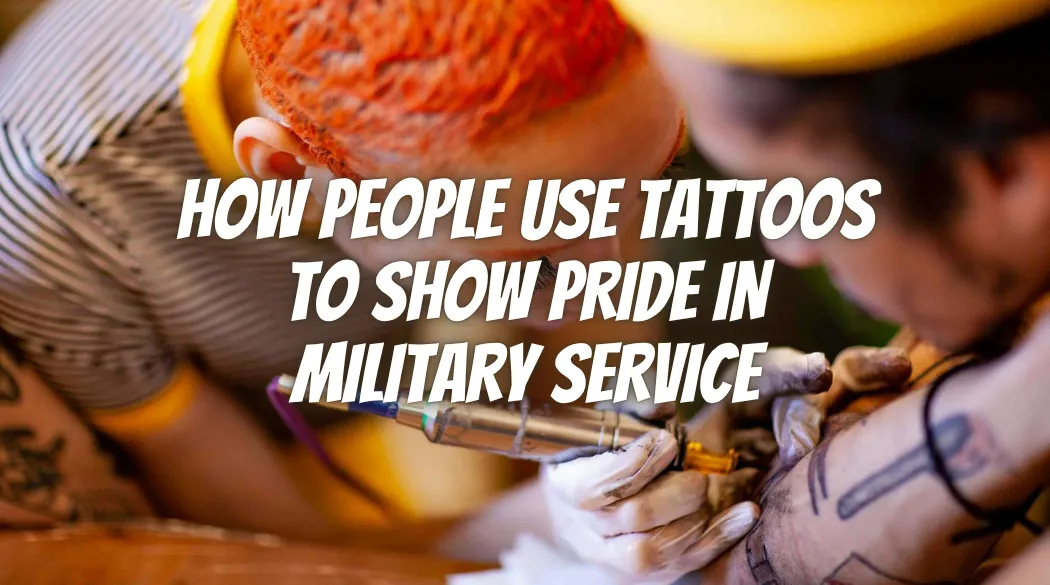
How People Use Tattoos to Show Pride in Military Service
Ink That Honors Service, Sacrifice, and Lasting Pride
May is a meaningful month for a lot of people, especially those with ties to the military. It's Military Appreciation Month, and Armed Forces Day falls on May 17. It's a time when the country pauses to recognize the people who've served, sacrificed, and shown up when it mattered most.
Tattoos have long been part of how people hold onto what matters. Research shows that 25% of people who get tattooed do it for deeply personal reasons, like marking a significant experience or a struggle they've survived. Another 12% see their tattoos as a direct extension of who they are. For military members, veterans, and their families, these two motivations often come together in one design. A tattoo can hold a lifetime of service, loss, and identity all at once.
Here, we’ll talk about that intersection. Whether you're a veteran thinking about your first piece or someone who wants to honor a loved one who served, this one's for you.
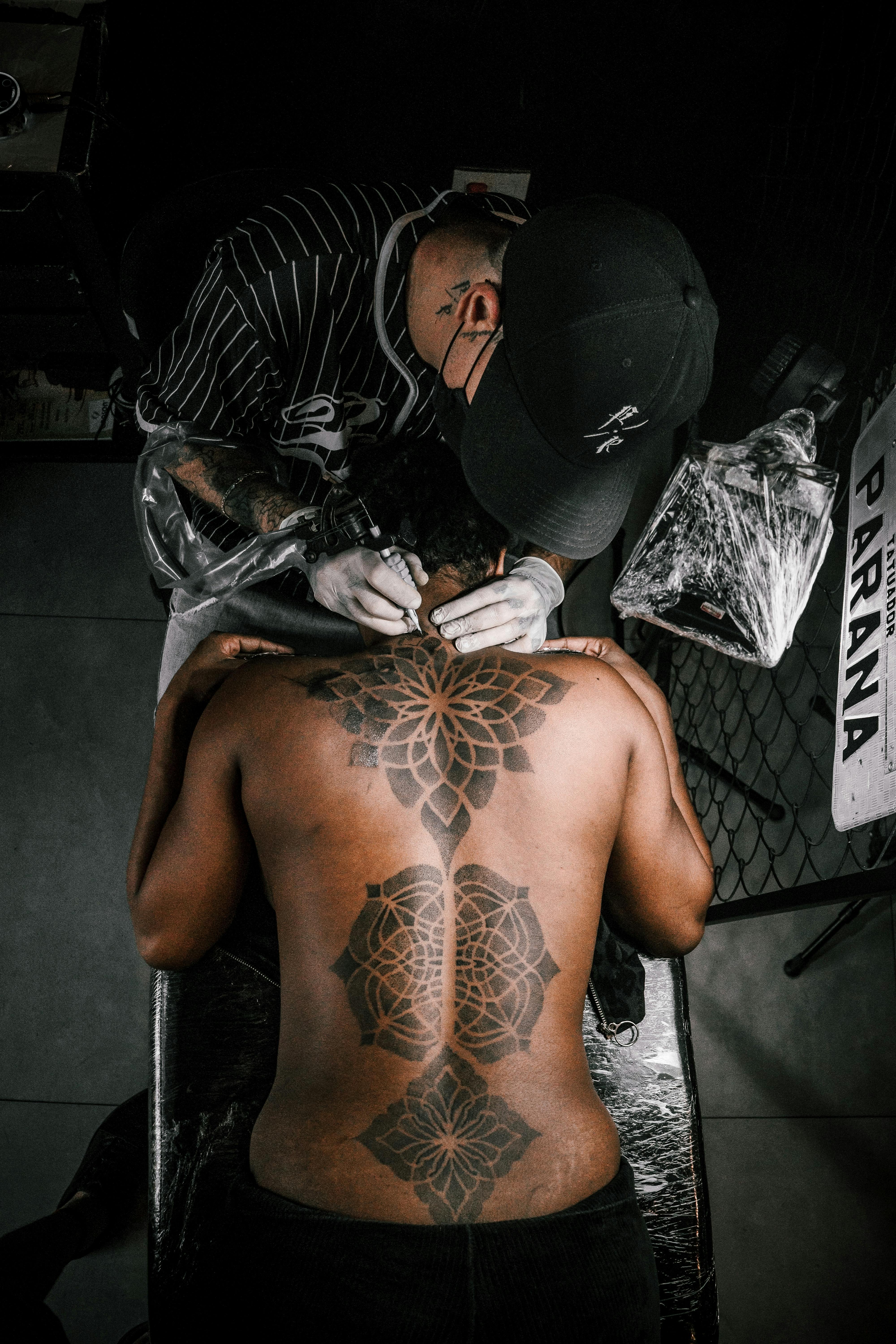
A Long History: Military Tattoos Through the Decades
Military tattooing goes way back. Sailors in the 18th century were among the first to make it a widespread tradition in Western culture. They'd get tattooed in ports around the world, with designs that often reflected where they'd been or what they believed would protect them. The anchor, the swallow, the compass, all of it came from that seafaring world.
By the time World War II rolled around, tattooing had become a full-blown tradition across all branches of the military. Getting inked was something you did with your unit, a shared experience that made the bond feel permanent.
Over the decades, it evolved from a rough-around-the-edges tradition into something much more intentional and personal. Today, military tattoos span everything from simple insignia to full sleeve tributes to fallen brothers and sisters.
What Military Tattoos Actually Represent
Not every military tattoo tells the same story, but most of them carry one of these core meanings:
Unit Pride: The bond between service members runs deep. A unit patch, motto, or number tattooed on the skin is a way of saying "these were my people." It's belonging made permanent.
Remembrance of Fallen Comrades: For many veterans, the hardest part of coming home is that not everyone makes it back. Tattoos dedicated to fallen brothers and sisters serve as a personal memorial that's always close.
Branch Identity: Whether it's the Army, Navy, Marines, Air Force, or Coast Guard, branch tattoos carry a sense of pride in the path chosen. They're a badge of belonging to something larger than yourself.
Survival and Resilience: Some tattoos mark the simple, powerful fact that the person made it through. A deployment, a battle, a season of loss. These pieces say: "I was there, and I'm still here."
Military tattoos aren't just decorative. They hold grief, gratitude, identity, and pride all in one image. No discharge paper, no certificate, no medal captures that the way a tattoo does. It lives on the body, and it travels with the person everywhere they go.
Popular Military Tattoo Styles and Symbols
There's a wide range of imagery that shows up in military tattoos, and each carries its own weight. Here's a look at some of the most common choices and the styles that tend to bring them to life best:
Common Symbols:
Dog Tags: One of the most recognizable military symbols. Dog tag tattoos often include names, service numbers, or dates, and they work as both a personal identifier and a tribute.
Eagles and Flags: The American eagle and the U.S. flag are go-to images for expressing patriotism and pride in service. They translate well across almost every tattoo style.
Branch Insignia and MOS Numbers: Many veterans choose to tattoo their specific Military Occupational Specialty number or their unit's official insignia. It's a precise, personal way to mark exactly where and how they served.
Memorial Portraits and Dates: Portrait tattoos of fallen comrades, paired with dates of birth and death, are among the most emotionally charged pieces in military tattooing.
Styles That Work Well:
Black and Grey Realism: Black-and-grey is the go-to for portrait tattoos and detailed imagery. The depth and shading in this style gives memorial pieces a lifelike, emotional quality that other styles can't quite match.
Traditional American: Bold lines, classic colors, and strong imagery. This style has deep roots in military tattooing, especially in the Navy, and it holds up beautifully over time.
Fine Line: For veterans who want something more subtle, fine line tattoos offer precision and elegance. Coordinates, names, or minimal insignia look especially clean in this style.
Choosing the right style matters just as much as choosing the right design. A good Tattoo Artist will help you figure out which approach fits your vision and your skin best.
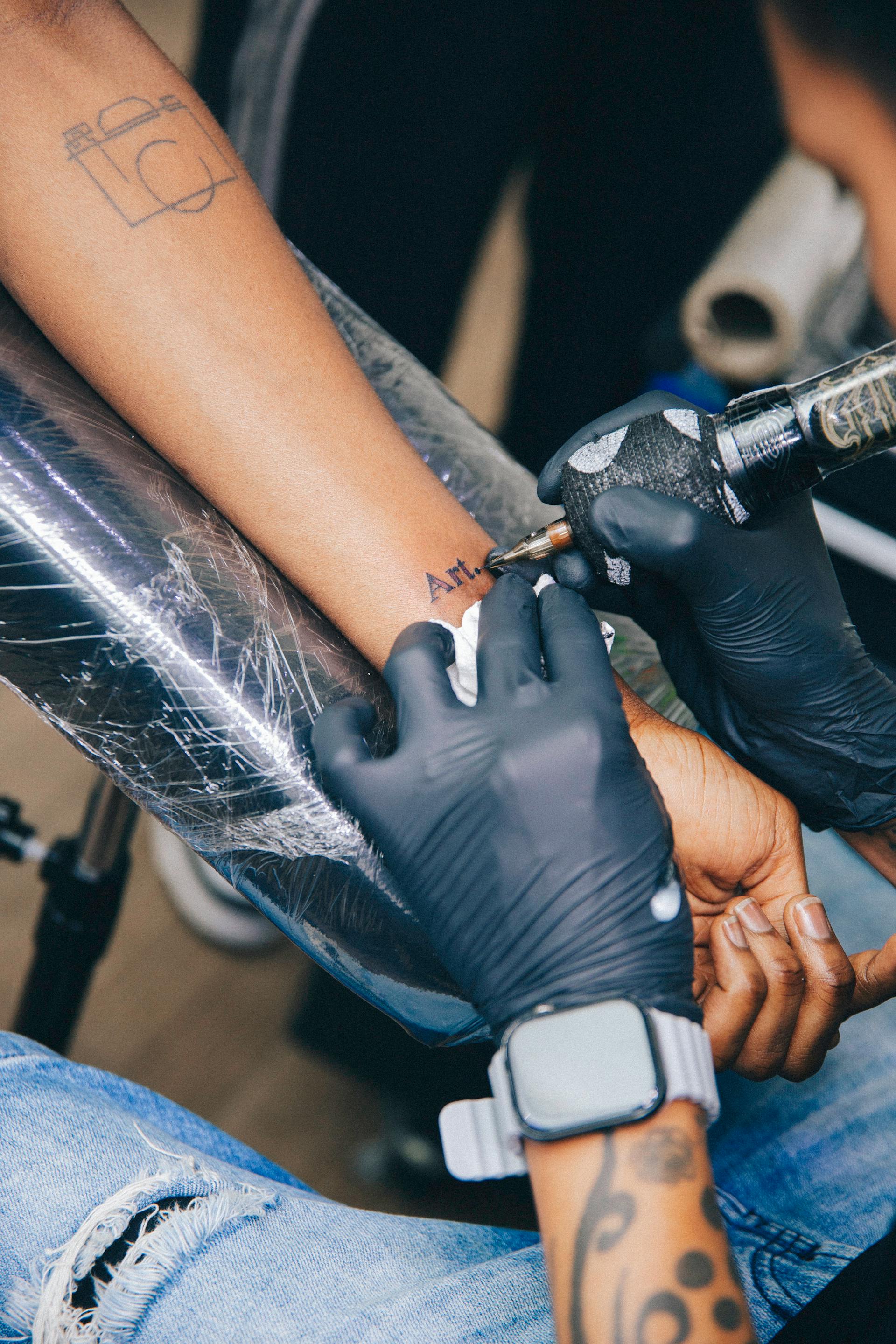
Memorial Tattoos: Carrying Fallen Brothers and Sisters
Memorial tattoos hold a different kind of weight. They're not just about the person wearing them. They're about someone who isn't there anymore. For veterans who've lost people they served alongside, these pieces are a way of making sure that person is never fully gone.
A few of the most meaningful styles for memorial pieces include:
Portrait Tattoos: A realistic portrait of a fallen service member, done well, can be one of the most powerful forms of tribute in tattooing. This style requires a highly skilled Tattoo Artist with experience in black and grey realism, because accuracy matters deeply here.
Name Tattoos: Sometimes simplicity carries the most weight. A name, a date, and a symbol. Many veterans choose to tattoo the names of those they lost in clean, readable script, often paired with dog tags, wings, or a branch emblem.
Coordinates and Dates: The exact location of a battle or the date someone was lost can become a quiet, private memorial. These pieces often mean the most to the person wearing them and to those who know the story behind them.
When it comes to memorial tattoos, placement matters, too. A lot of veterans choose spots that feel intentional, like over the heart, forearm, or on the back. These decisions are deeply personal. And, a good Tattoo Artist will take the time to understand what the piece means before a single line is drawn.
Where Military Tributes Find Their Home: Why Ink Different Tattoos Gets It Right
A military tribute tattoo deserves more than a quick appointment and a flash design pulled off the wall. It deserves a team that actually listens, takes the time to understand the story, and brings genuine skill to the work.
Tattoo Artists Who Take the Time to Listen: At Ink Different Tattoos, the Tattoo Artists don't just execute a design. They sit with you, ask the right questions, and make sure the piece reflects what it's supposed to reflect. For military tributes especially, that level of care makes all the difference.
A Studio Built on Safety and Professionalism: Every station at Ink Different Tattoos follows strict hygiene and sterilization protocols. You're walking into a clean, professional environment where your health and comfort are taken seriously from the moment you step in.
Custom Work, Every Single Time: Military tattoos aren't one-size-fits-all, and at Ink Different Tattoos, neither is the process. Every piece is designed around your story, your branch, your people. No templates, no shortcuts.
A Culture of Mentorship and Excellence: Ink Different Tattoos is also proud to train the next generation of Tattoo Artists through our Traditional Tattoo Apprenticeship.
When your tattoo carries that kind of meaning, you want it done by people who understand what's at stake. At Ink Different Tattoos, that's exactly what you get.
Wear It With Honor: Closing Thoughts on Military Tattoos
Service leaves a mark. Sometimes that mark is invisible, something only the person who served can feel. And sometimes, people choose to make it visible, to carry it on their skin where it can be seen, remembered, and honored.
Military tattoos are one of the most personal forms of tribute out there. They hold entire chapters of a person's life in a single image. A unit, a name, a date, a symbol. They say: I served. I remember. I carry this with me.
This May, during Military Appreciation Month, if you've been thinking about getting a piece that honors your service or someone else's, there's no better time. Book a consultation with Ink Different Tattoos and bring your story. The team is ready to help you turn it into something lasting, something worthy of everything it represents.
Frequently Asked Questions
Do military tattoos have to be large and detailed to be meaningful?
Not at all. Some of the most powerful military tattoos are small and simple, like a name, a date, or a set of coordinates. What makes them meaningful is the story behind them, not the size.
Can family members of veterans get military tribute tattoos?
Absolutely. Many spouses, children, and siblings choose to honor a loved one's service through tattoos. It's a personal decision, and no rule says you have to serve to carry the tribute.
Is there a best placement for a military memorial tattoo?
There's no universal rule, but placement often carries its own meaning. Many people choose the chest (close to the heart), the forearm (visible and personal), or the upper arm. Talk to your Tattoo Artist about what feels right for your specific piece.
How do I find a Tattoo Artist who can do a realistic portrait for a memorial tattoo?
Look through a Tattoo Artist's portfolio specifically for portrait work and black and grey realism. Portrait tattoos require a specific skill set, and it's worth taking your time to find someone whose previous work shows strong, accurate detail. At Ink Different Tattoos, the team can guide you toward the right artist for your vision.