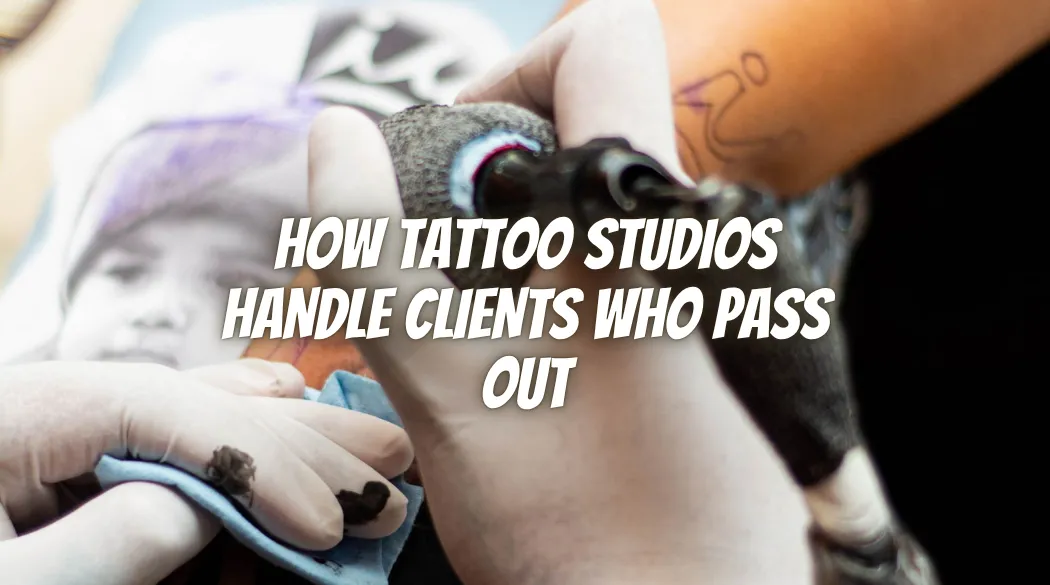
How Tattoo Studios Handle Clients Who Pass Out
You finally landed your seat behind the tattoo machine, the ink is flowing, the linework is clean, and then your client's face goes pale, their eyes flutter, and they slump in the chair. Your heart drops. What do you do? This exact moment is where amateurs freeze, and true professionals shine.
At Ink Different Tattoos, we've spent over a decade training Tattoo Artists to handle these high-pressure situations with calm, confidence, and skill. Client fainting during a tattoo is a vasovagal response, a sudden drop in heart rate and blood pressure that causes temporary loss of consciousness, often triggered by pain, anxiety, low blood sugar, or the sight of blood. Learning how to manage it is not optional; it's part of becoming a real Tattoo Artist.
Key Takeaways
Cause: Most tattoo fainting is a vasovagal response triggered by pain, anxiety, low blood sugar, or an empty stomach.
First response: Stop tattooing, recline the client, elevate their legs, and keep the airway clear.
Prevention: Feed clients beforehand, hydrate them, monitor breathing, and take breaks during long sessions.
Training matters: Professional tattoo artists learn emergency response and bloodborne pathogen safety through structured mentorship.
The difference: Composure under pressure is a skill you build, not a talent you're born with.
Why do tattoo clients pass out?
Tattoo clients most often pass out because of a vasovagal response, where stress, pain, or the sight of blood triggers a sudden drop in blood pressure and heart rate, cutting oxygen flow to the brain.
It's more common than beginners expect. Fear and adrenaline flood the body before the needle even touches skin, and when that adrenaline crashes, so does the client. Add an empty stomach, dehydration, or a long session, and you've got the perfect recipe for a fainting episode.
Understanding the "why" removes the panic. Once you know that a faint is usually a predictable physical response, not a mysterious emergency, you can prepare for it, prevent it, and respond like a pro.
Good to know: Fainting during a tattoo is rarely dangerous when handled correctly. The real risk comes from an unprepared artist who freezes or lets the client fall.
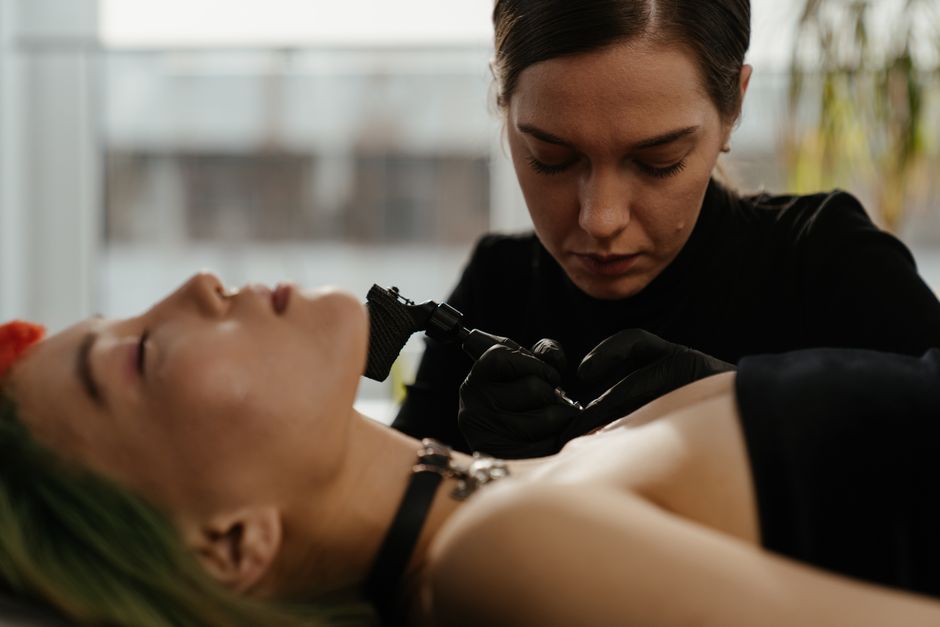
What are the warning signs a client is about to faint?
The warning signs a client is about to faint include sudden paleness, sweating, dizziness, nausea, yawning, tunnel vision, and a shift in their breathing or conversation.
Your eyes and ears are your first tools. A client who was chatting happily and suddenly goes quiet is often the first red flag. Watch for skin that turns gray or clammy, a request to "just take a quick break," or complaints about feeling hot or dizzy.
Experienced tattoo artists learn to read these signals early. Catching the warning signs before a full faint means you can stop, reposition your client, and often avoid the collapse entirely. That awareness is one of many things new artists overlook, which is why we cover the mistakes aspiring tattoo apprentices should avoid in depth during training.
How do tattoo studios respond when a client passes out?
Tattoo studios respond to a fainting client by stopping the tattoo immediately, safely reclining the person, elevating their legs, ensuring an open airway, and monitoring them until they fully recover.
Here's the step-by-step process professional tattoo studios follow when a client passes out. Memorize it, because in the moment you won't have time to think.
Stop tattooing: Lift the tattoo machine away from the skin instantly and set it down safely.
Support the client: Guide them into a reclined or lying-down position so they can't fall and injure themselves.
Elevate the legs: Raising the legs above heart level helps restore blood flow to the brain.
Check the airway and breathing: Make sure nothing is blocking their airway and confirm they are breathing normally.
Cool and comfort: Loosen tight clothing, apply a cool cloth to the forehead, and speak in a calm, reassuring voice.
Offer sugar and water: Once they're alert, provide juice, soda, or a snack to restore blood sugar, plus water for hydration.
Monitor before resuming: Give them time to fully recover. Only continue if they feel steady and choose to keep going.
Escalate if needed: If the client doesn't regain consciousness within a minute, is injured, or has trouble breathing, call emergency services.
Notice that safety always beats finishing the piece. A client who trusts you to protect them will come back and refer their friends. Panic never does.
How can Tattoo Artists prevent clients from fainting?
Tattoo artists prevent fainting by making sure clients eat a solid meal beforehand, stay hydrated, avoid alcohol, take breaks during long sessions, and remain reclined rather than sitting rigidly upright.
Prevention starts before the needle. A quick pre-session checklist does most of the heavy lifting: Did they eat? Are they hydrated? Are they anxious? A nervous first-timer needs different handling than a seasoned collector.
Small habits make a big difference:
Feed them: Remind clients to eat within a couple of hours of their appointment.
Keep snacks and drinks on hand: Juice and candy raise blood sugar fast.
Pace the session: Build in breaks for long or high-pain pieces.
Control the room: A cool, well-ventilated tattoo studio reduces overheating and light-headedness.
Talk to them: Distraction and steady conversation ease anxiety and keep you tuned into their state.
Knowing your equipment inside and out frees up your attention for your client. If you're just starting to build that foundation, our guide to the tools every beginner tattoo artist should know is a smart first read.

What safety standards guide fainting response?
Fainting response is guided by bloodborne pathogen safety standards and basic first-aid principles, which every professional tattoo artist should master to protect both themselves and their clients.
When a client faints mid-session, you may be dealing with exposed skin, blood, and needles. That's why the OSHA bloodborne pathogen standards matter so much: they teach you how to handle exposure safely while caring for your client. Reputable studios build these protocols into everyday practice.
Aftercare also plays a role in a client's overall comfort and recovery. Understanding how skin heals, using resources like the American Academy of Dermatology tattoo care guidelines, helps you set clear expectations that reduce anxiety before and after the session. A confident, informed client is far less likely to spiral into a fainting episode.
Why does staying calm separate great artists from good ones?
Staying calm separates great tattoo artists from good ones because clients feed off your energy, and a composed artist turns a scary moment into a trust-building one that earns loyalty and referrals.
Anyone can pull a clean line on a good day. But the artists who build lasting careers are the ones who keep their hands steady and their voice calm when things go sideways. Composure is a seed you plant early and grow through experience and mentorship.
This is exactly why real skill can't be faked and can't be automated. As we explain in our piece on why tattoo artists are still essential, no machine can read a client's face, sense their fear, and respond with human care. That's your edge in an AI-proof career.
Where do you learn to handle real-world moments like this?
You learn to handle real-world moments like fainting clients through live, in-person mentorship in a working tattoo studio, where you practice safety, composure, and technique under an experienced mentor.
You can't learn this from a YouTube video. Watching someone else stay calm is not the same as being the one holding the tattoo machine when a client goes pale. That's the gap our Tattoo Apprenticeship Program was built to close.
At Ink Different Tattoos, we've spent over a decade training aspiring artists to become confident, professional tattoo artists. We're not a college, and we're not a shortcut. We're the Wise Guide walking beside you as you become the hero of your own career story. If you're stuck in a job that drains you and watching your creative potential go to waste, this is your path out.
Get serious about your craft with Become A Tattoo Artist
Our nationwide Traditional Tattoo Apprenticeship is a college alternative built for people who want real skills, not empty promises. Here's what you can expect:
18 to 24 months of personalized, hands-on tattoo artist training across four phases.
Start remote, finish in studios so you build foundations before you touch skin.
Perfect for beginners with no prior art experience needed.
Licensing support and job-ready skills so you graduate prepared to work professionally.
A career that comes with confidence
Real training means you handle fainting clients, tough sessions, and demanding pieces without panic. According to the Bureau of Labor Statistics on craft and fine artists, skilled artists build income through reputation and expertise, exactly what live mentorship develops. You'll graduate with the composure and technique clients trust, backed by licensing support and a guaranteed job offer at one of our tattoo studios.
Mentorship that pushes your brand and skills further
Ready to grow your career or master a specific style? Our one-year in-person Master Mentorship pairs you with celebrity and award-winning Mentors, including Al Fliction, Liz Cook, Kyle Dunbar, Boneface, and Jordi Pla. It's built for beginners and experienced artists chasing intensive skill development and studio ownership.
Making tattoo training accessible for everyone
We offer Spanish-speaking locations near Denver, in Orange County, near NYC, in Miami, in San Antonio, and in San Diego, so language never stands between you and a career you love.
Ready to become a Tattoo Artist?
Every professional Tattoo Artist who ever calmly caught a fainting client started exactly where you are now: curious, capable, and ready for something more. Seats in our tattoo apprenticeship are limited, and the artists who move first are the ones who build careers.
Ready to become a Tattoo Artist? Apply now to Ink Different's Traditional Tattoo Apprenticeship and start building an AI-proof career with licensing support along the way. Or fill out our quick questionnaire to get personalized support and find out if our Traditional Tattoo Apprenticeship is right for you.
Frequently Asked Questions
Is it dangerous when a tattoo client passes out?
Usually no. Most fainting is a temporary vasovagal response that resolves within a minute once the client is reclined and their legs are elevated. Trained artists monitor closely and call for help only if recovery stalls.
Do I need prior experience to learn tattoo safety and emergency response?
No. Ink Different's Traditional Tattoo Apprenticeship is built for beginners with no art background and teaches safety, composure, and emergency response from the ground up through live mentorship.
How long does the Traditional Tattoo Apprenticeship take?
The Traditional Tattoo Apprenticeship takes 18 to 24 months across four phases. You start remote to build foundations, then finish hands-on in professional tattoo studios with a mentor guiding you.
What makes Ink Different different from a tattoo course online?
Ink Different offers live, in-person mentorship in working studios, a "Good Humans" family-like culture, and over a decade of experience. Online courses can't teach you to calmly handle a real fainting client.
How can I stop a client from fainting during their tattoo?
Have clients eat beforehand, stay hydrated, avoid alcohol, and take breaks during long sessions. Keep the room cool, watch for warning signs, and keep snacks and juice on hand.
Does Ink Different guarantee a job after the apprenticeship?
Ink Different provides job-ready skills and licensing support so you graduate prepared to work professionally in an AI-proof career, though we do not promise a guaranteed job offer.