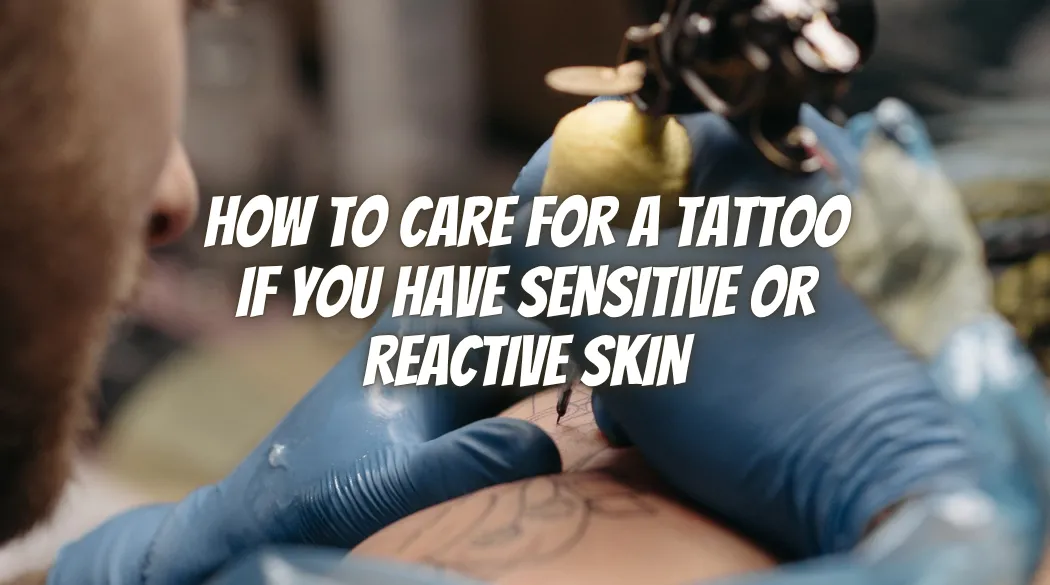
How to Care for a Tattoo If You Have Sensitive or Reactive Skin
If you have sensitive or reactive skin, getting a tattoo can feel like a gamble. Your skin flares, itches, or swells more than most people's after a session. Here's the truth: with the right knowledge and the right care, your skin doesn't have to work against you.
Sensitive or reactive skin is skin that responds more intensely than average to irritants, producing redness, itching, swelling, or breakouts. With proper tattoo aftercare using fragrance-free products, gentle healing routines, and a skilled Tattoo Artist, you can get beautiful, safe ink.
At Ink Different Tattoos, we believe every person deserves clean, safe, beautiful ink, and understanding your skin is the first step in that process.
Key Takeaways
Patch test first: Ask your Tattoo Artist to test the ink and aftercare products on a small area before your session to catch reactions early.
Go fragrance-free: Sensitive skin heals best with unscented, hypoallergenic aftercare products and no harsh soaps or perfumes.
Healing is slower: Reactive skin may take longer than the typical two to four weeks to fully heal and settle.
Artist skill matters: A trained, licensed Tattoo Artist who understands skin reduces trauma and reaction risk significantly.
Know the warning signs: Spreading redness, fever, or pus signals infection and needs immediate medical attention from a healthcare provider.
What does it mean to have sensitive or reactive skin?
Sensitive or reactive skin is skin that responds more intensely than average to irritants, producing redness, itching, swelling, or breakouts from products, friction, or trauma like tattooing. If you've ever broken out from a new lotion or turned red at the slightest scratch, you already know this well.
Your skin is not broken. It's simply more communicative. It tells you loudly when something doesn't agree with it, and a tattoo is a controlled injury that asks a lot of your body's healing system. Understanding your skin isn't vanity; it's the foundation of making informed decisions about permanent body art.
Think of your skin like a garden. You wouldn't plant seeds without knowing the soil first. The same goes for tattoos. Knowing how your skin behaves lets you prepare it, protect it, and help it heal the way it needs to.
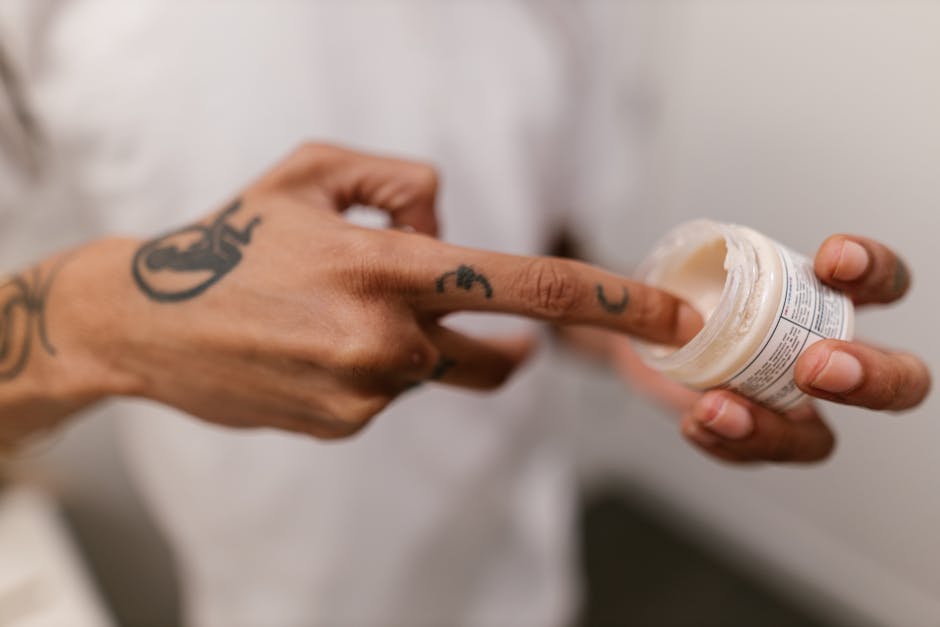
Why does your skin react more than most?
Reactive skin often flares due to a weaker skin barrier, allergies, conditions like eczema or psoriasis, or heightened sensitivity to tattoo inks, aftercare ingredients, or physical trauma. Several factors can stack on top of each other to amplify your response.
Common triggers include:
Allergens: Fragrances, dyes, and preservatives in aftercare products trigger flare-ups in reactive skin.
Ink pigments: Certain colors, especially reds and yellows, cause reactions in some people with sensitive skin.
Skin conditions: Eczema, psoriasis, and dermatitis lower your skin's tolerance to irritation and healing stress.
Barrier damage: Over-washing or harsh products strip your skin's protective layer, leaving it vulnerable.
The American Academy of Dermatology tattoo care guidelines note that tattoo reactions can appear immediately or develop over time, which is why a conversation with a dermatologist before your appointment is smart if you have a known skin condition. Early awareness prevents major complications down the road.
How do you prepare sensitive skin before a tattoo?
Prepare sensitive skin by hydrating for weeks beforehand, avoiding sun and alcohol, patch-testing products, and telling your Tattoo Artist about your history so they can adjust their approach. Preparation is where most of the battle is won.
Think of your skin like soil before planting. Healthy, moisturized, well-rested skin heals faster and reacts less. In the days leading up to your session:
Moisturize daily with a fragrance-free lotion for at least a week before your appointment.
Stay hydrated and get quality sleep so your body is ready to heal the new tattoo.
Avoid sunburn and tanning on the area to be tattooed to prevent pre-existing inflammation.
Skip alcohol and blood thinners the day before, since they can worsen swelling and bleeding.
Eat a solid meal before your appointment to keep your body steady and energized.
Pro Tip: Ask your Tattoo Artist to do a small patch test with the ink and aftercare product a week before your session. It's a simple step that can save you a world of trouble and let you switch products early if needed.
How should you care for a new tattoo on reactive skin?
Care for a new tattoo on reactive skin by cleaning gently, moisturizing thinly with fragrance-free products, avoiding scratching, and protecting it from sun and friction until fully healed. Follow these steps closely for best results.
Step 1: Keep the initial bandage on
Leave the wrap your Tattoo Artist applied on for the time they recommend, usually a few hours or overnight if it's a second-skin film. This protects your fresh tattoo from bacteria while it starts to close and begins the healing process.
Step 2: Wash gently with lukewarm water
Use clean hands and a fragrance-free, antibacterial soap. Never scrub or rub hard. Pat dry with a clean paper towel instead of a cloth, which can harbor bacteria and cause friction damage to reactive skin.
Step 3: Apply a thin layer of moisturizer
Less is more with sensitive skin. A thin layer of a hypoallergenic ointment or lotion keeps the skin supple without suffocating it. Over-applying traps moisture and can trigger breakouts on reactive skin.
Step 4: Resist the itch
Sensitive skin itches more during healing. Do not scratch or pick at the tattoo. Instead, gently tap the area or apply a cold compress over a clean barrier to calm the sensation safely.
Step 5: Protect and monitor
Keep the tattoo out of direct sun, pools, and tight clothing. Watch your skin daily and note anything unusual so you can act early if a reaction develops.
Following bloodborne pathogen and hygiene standards is not optional in a professional setting. The OSHA bloodborne pathogen standards are the same guidelines every reputable Tattoo Studio follows to keep you safe and prevent infection.

What products are safe for sensitive skin aftercare?
Safe aftercare for sensitive skin means fragrance-free, dye-free, hypoallergenic cleansers and moisturizers, avoiding petroleum-heavy products, alcohol-based cleaners, and anything with added scents or essential oils. Read every label before it touches your skin.
Look for these qualities in your aftercare lineup:
Fragrance-free: Scents are one of the top irritants for reactive skin and can trigger unexpected flare-ups.
Hypoallergenic: Formulated to reduce allergic reactions and minimize unknown ingredients.
Minimal ingredients: Fewer ingredients means fewer chances to react negatively during healing.
Non-comedogenic: Won't clog pores or cause breakouts around the tattooed area.
When in doubt, ask your Tattoo Artist for their recommendation. A well-trained professional knows which products work best for clients with delicate skin, because they've healed hundreds of tattoos and seen what works and what causes problems.
When should you worry about a reaction?
Worry about a tattoo reaction if you see spreading redness, worsening swelling after several days, pus, a fever, or a bumpy rash, since these can signal infection or an allergic reaction needing medical care. Trust your gut and act early.
Normal healing on sensitive skin includes some redness, mild swelling, itching, and light flaking that improves within a week or two. What is not normal:
Redness that expands outward in a ring instead of fading into the skin.
Yellow or green discharge or a foul smell coming from the tattoo.
Fever, chills, or feeling generally unwell during the healing window.
A raised, bumpy rash that appears days or weeks after the tattoo session.
If any of these appear, contact a healthcare provider immediately. Catching a problem early protects both your health and your tattoo. Reactive skin heals slower, so patience is part of the process, but pain that intensifies rather than eases deserves professional attention.
Why does the right mentor matter for skin-safe tattooing?
The right mentor matters because a Tattoo Artist trained in proper technique, hygiene, and skin science causes less trauma, reduces reaction risk, and knows how to adapt for sensitive skin. Skill on skin is not luck: it's training and experience built over years.
A lot of skin reactions come down to technique. An artist who goes too deep, works too heavy-handed, or ignores sanitation puts your skin through unnecessary trauma. That's exactly the kind of harm a properly trained professional avoids. When you train with mentors who have spent decades perfecting their craft, you learn not just how to tattoo. You learn how skin actually heals, how to read a person's reaction, and how to adjust in real-time.
This is where your story and ours meet. If you've ever thought about the person on the other side of the machine, if you've ever felt the pull to create clean, safe, beautiful work yourself, that pull is worth listening to. Being stuck in a job that ignores your creative potential is its own kind of reaction your spirit keeps having. Maybe it's time to answer it by exploring a path that lets you help people like you.
Curious about the path? Start by learning about tattoo apprenticeships as a college alternative, then read about the mistakes aspiring tattoo apprentices should avoid before you start your journey.
Get serious about skin-safe tattooing with Become A Tattoo Artist
Ink Different Tattoos has spent 15 years training aspiring Tattoo Artists to work safely and beautifully on all skin types, including sensitive and reactive skin.
What you can expect from our Traditional Tattoo Apprenticeship
Our Traditional Tattoo Apprenticeship is an 18 to 24 month, four-phase tattoo apprenticeship designed for beginners with no prior experience. You train hands-on in professional tattoo studios, learning everything from line work and machine handling to hygiene standards, skin science, and how skin actually heals across different types.
A career that comes with confidence
You graduate job-ready with real, transferable skills, a guaranteed job offer to one of our tattoo studios, and licensing support to help you work professionally. In a world where machines are replacing so much, tattooing remains a deeply human, AI-proof craft.
Mentorship that pushes your brand and skills further
Ready to level up faster? Our Master Mentorship is a one-year, in-person tattoo apprenticeship with celebrity and award-winning Mentors including Al Fliction, Liz Cook, Kyle Dunbar, Boneface, and Jordi Pla. It's built for growing your career, mastering a specific style, and building your own business with a proven foundation.
Making tattoo training accessible for everyone
We offer Spanish-speaking locations near Denver, Orange County, NYC, Miami, San Antonio, and San Diego, so language never has to be a barrier to your growth and success. Our Good Humans culture means you're joining a supportive, family-like community, not going it alone.
Ready to become a Tattoo Artist? Seats in our Tattoo Apprenticeship Program are limited by design, because live, in-person mentorship demands it. Apply now to Ink Different's Traditional Tattoo Apprenticeship and start building an AI-proof career with licensing support along the way. You can also fill out our quick questionnaire to get personalized support and find out if the tattoo apprenticeship is right for you.
Frequently Asked Questions
Can I get a tattoo if I have sensitive or reactive skin?
Yes. Most people with sensitive skin get tattoos safely by patch-testing ink, using fragrance-free aftercare, choosing a skilled Tattoo Artist, and following a gentle healing routine.
How long does a tattoo take to heal on sensitive skin?
Sensitive skin often heals slower than average. While typical tattoos heal in two to four weeks, reactive skin may take four to eight weeks to fully settle.
What aftercare products are best for reactive skin?
Choose fragrance-free, dye-free, hypoallergenic cleansers and moisturizers with minimal ingredients. Avoid scents, alcohol-based cleaners, and heavy ointments.
Do I need any experience to join Ink Different's Tattoo Apprenticeship Program?
No prior experience required. Ink Different's Traditional Tattoo Apprenticeship is built for beginners and teaches fundamentals, hygiene, and skin science from day one.
How long is the Ink Different Traditional Tattoo Apprenticeship?
The Traditional Tattoo Apprenticeship runs 18 to 24 months across four phases. You start remote, finish hands-on in studios, and receive licensing support.
What makes Ink Different different from other tattoo training programs?
Ink Different offers live, in-person mentorship from award-winning Mentors, a supportive Good Humans culture, 15 years of training professional Tattoo Artists, and a college alternative model.