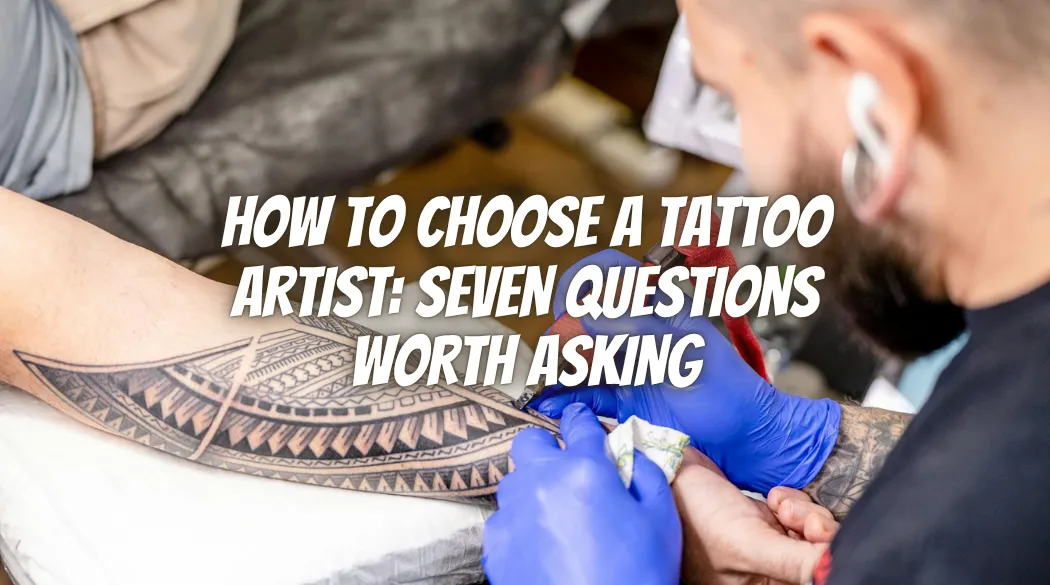
How to Choose a Tattoo Artist: Seven Questions Worth Asking
Choosing a tattoo artist is the process of evaluating a professional's skill, hygiene, licensing, and style match before trusting them with permanent work on your body. That design you've been carrying in your head for months, maybe years, deserves better than handing it to the first person with a machine. The difference between a decision you love and one you regret often comes down to the questions you ask before the needle ever touches skin.
At Ink Different Tattoos, we've spent 15 years teaching Tattoo Artists how to earn that trust, and we know exactly what a great one looks like from both sides of the chair.
Key Takeaways
Ask first: Request portfolio proof, licensing, hygiene practices, and style specialty before booking any tattoo.
Safety matters: A trustworthy artist follows OSHA bloodborne pathogen standards and works in a licensed studio.
Style fit: Choose an artist whose portfolio shows consistent, healed work in your desired style.
Both sides: The same qualities you look for in an artist are what Ink Different's Tattoo Apprenticeship Program builds in you.
The path: Ink Different's Traditional Tattoo Apprenticeship offers live mentorship and licensing support for an AI-proof, creative career.
What Should You Ask Before Choosing a Tattoo Artist?
Before choosing a tattoo artist, you should ask about their portfolio, licensing, hygiene practices, style specialty, healing expectations, pricing structure, and how they handle custom designs. These seven areas separate a true professional from someone winging it.
Think of it like hiring a builder for your home. You wouldn't hand over your keys without seeing their past work and checking their credentials. Your skin deserves the same due diligence, because unlike a house, you can't sell it and move.
The best artists welcome these questions. A pro who gets defensive when you ask about hygiene or wants to rush you past your concerns is telling you something important. Listen to that.
Why Does Choosing the Right Tattoo Artist Matter So Much?
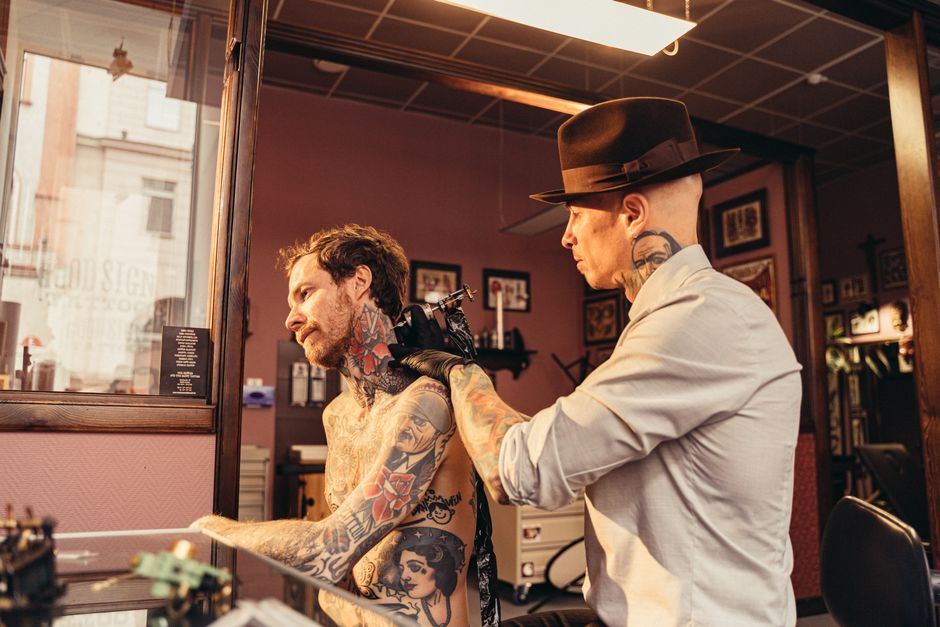
Choosing the right tattoo artist matters because a tattoo is permanent, and poor technique or unsanitary conditions can lead to blowouts, fading, or serious skin infections. The stakes are your body and your health.
A skilled artist understands how ink sits in skin, how it heals, and how it will age over the next twenty years. That knowledge is not guesswork. It's built through years of hands-on training under experienced mentors.
According to the American Academy of Dermatology tattoo care guidelines, proper technique and aftercare are essential to avoiding complications. The artist you choose sets the foundation for how your tattoo heals and holds up over time.
What Are the Seven Questions Worth Asking?
The seven questions worth asking a tattoo artist cover their experience, specialty, hygiene, licensing, healing guidance, custom design process, and pricing. Ask them in order, and you'll know quickly whether you've found your person.
Here's your step-by-step checklist. Walk through it before you commit to anyone.
How long have you been tattooing, and how were you trained? A structured apprenticeship background signals real, supervised skill development.
What styles do you specialize in? An artist who does everything often masters nothing. Match their specialty to your design.
Can I see healed photos of your work? Fresh tattoos look sharp on anyone. Healed work reveals true technique.
What are your hygiene and sterilization practices? They should mention single-use needles, autoclaves, and glove protocol without hesitation.
Are you and the studio licensed? Licensing proves they've met state health and safety standards.
How do you approach custom designs? A great artist collaborates rather than copies, and won't rush your consultation.
What should I expect during healing? Clear aftercare guidance shows they care about the result, not just the paycheck.
Pro Tip:If an artist can't answer questions four and five with confidence, walk away. Hygiene and licensing are non-negotiable, no matter how good the portfolio looks.
How Do You Read a Tattoo Artist's Portfolio?
You read a tattoo artist's portfolio by looking for clean line work, smooth shading, consistent quality across pieces, and especially healed photos that prove the work lasts. Anyone can post a shiny fresh photo.
Zoom in. Are the lines crisp and even, or shaky and blown out? Does the shading transition smoothly, or does it look muddy? Consistency across many pieces tells you their skill is repeatable, not a one-time lucky shot.
Pay attention to whether their portfolio matches what you want. An artist who lives and breathes fine-line script may not be your best bet for a bold traditional sleeve. Style fit is where great tattoos are born. If you're an aspiring artist studying portfolios, our guide to platforms that help tattoo artists build their brand shows how the pros present their best work.
What Safety and Licensing Questions Should You Ask?
You should ask whether the artist uses single-use needles, follows OSHA bloodborne pathogen standards, sterilizes equipment in an autoclave, and holds a current state tattoo license. These are your health safeguards.
The OSHA bloodborne pathogen standards exist specifically to protect against cross-contamination and infection. Any tattoo studio worth your trust treats these rules as sacred, not optional.
Licensing requirements vary by state, and a licensed artist has proven they meet local health standards. If you're curious how that process works, check out how to get your tattoo license in Texas or how long a tattoo license takes in Colorado. Understanding licensing helps you spot a true professional and shows what real training looks like.

What if You Want to Be the Artist Answering These Questions?
If you dream of being the artist clients trust with their stories, the path starts with real, supervised training that builds the exact skills and credentials people look for. Maybe reading this list stirred something in you.
Here's the truth: every question above is really a question about training. Portfolio quality, hygiene mastery, licensing, style command: all of it comes from learning under experienced mentors, not from watching videos alone. If you're stuck in a job that drains you while your creative potential collects dust, you already know that feeling won't fade on its own.
Tattooing is one of the rare careers that can't be automated. A human hand, reading skin and emotion in real time, is irreplaceable. We break down why tattoo artists are still essential. And if college never felt like your path, know that tattoo apprenticeships are gaining ground as a solid alternative to college. You can also explore why a tattoo apprenticeship is worth trying for your career change.
How Ink Different Trains You to Earn That Trust
Ink Different's Traditional Tattoo Apprenticeship is an 18- to 24-month, four-phase tattoo artist training program that builds you from beginner to job-ready, with licensing support along the way. No prior art experience required.
We've spent 15 years training professional tattoo artists across the country. Our approach is simple: you are the hero of this journey, and we're the guide handing you the map and the tools. You start remotely to build your foundation, then finish hands-on in real tattoo studios where the craft actually lives.
What Can You Expect From Our Traditional Tattoo Apprenticeship?
Four-phase structure: Progressive training from drawing fundamentals to live client work.
Personalized mentorship: Live, in-person guidance from experienced tattoo artists.
Beginner-friendly: Built for people starting from scratch, no formal art background needed.
Licensing support: We help you navigate the credentials clients look for.
A career like this comes with something a paycheck alone can't buy: confidence. When you can answer all seven of those questions with ease, you become the artist people seek out.
Mentorship That Pushes Your Brand and Skills Further
For those ready to level up, our one-year, in-person Master Mentorship pairs beginner and experienced artists with celebrity and award-winning mentors like Al Fliction, Liz Cook, Kyle Dunbar, Boneface, and Jordi Pla. It's built for mastering a specific style, exploding your career, and stepping into business ownership.
Making Tattoo Training Accessible for Everyone
We offer Spanish-speaking locations in Denver, Orange County, NYC, and Miami, so language never stands between you and your calling. Our Good Humans culture means you're joining a family-like community, not just enrolling in a course.
Remember:Seats in our Tattoo Apprenticeship Program are limited because live, personalized mentorship can't be mass-produced. The seed you plant today decides what you'll harvest in two years.
Ready to Become a Tattoo Artist?
Every day you stay in a job that doesn't fit is a day your talent waits on the sidelines. Whether you're choosing an artist for your own skin or choosing to become one, the lesson is the same: real skill, earned through real mentorship, is what makes the difference.
Apply now to Ink Different's Traditional Tattoo Apprenticeship and start building an AI-proof career with licensing support along the way. Not sure yet? Fill out our quick questionnaire to get personalized support and find out if our Tattoo Apprenticeship Program is right for you.
Frequently Asked Questions
How do I know if a tattoo artist is good?
A good tattoo artist shows a consistent portfolio with healed photos, follows strict hygiene practices, holds a current license, and specializes in your desired style. Confidence answering your questions is a strong sign.
What seven questions should I ask a tattoo artist before booking?
Ask about their experience and training, style specialty, healed work, hygiene and sterilization, licensing, custom design process, and healing expectations. These reveal professionalism quickly.
Why does a tattoo artist's hygiene matter so much?
Unsterile equipment can cause infections and bloodborne diseases. Reputable artists follow OSHA standards, use single-use needles, and work in licensed studios to protect your health.
Do I need art experience to become a tattoo artist?
No. Ink Different's Traditional Tattoo Apprenticeship teaches drawing fundamentals and machine skills from day one, designed for complete beginners with no prior art background.
How long does Ink Different's Tattoo Apprenticeship take?
The Traditional Tattoo Apprenticeship takes 18 to 24 months across four phases. You start remotely to build foundations, then finish hands-on in real studios with live mentorship.
What makes Ink Different different from a tattoo school?
Ink Different offers live, in-person mentorship from award-winning mentors, a Good Humans community, 15 years of experience, and licensing support as a college alternative nationwide.