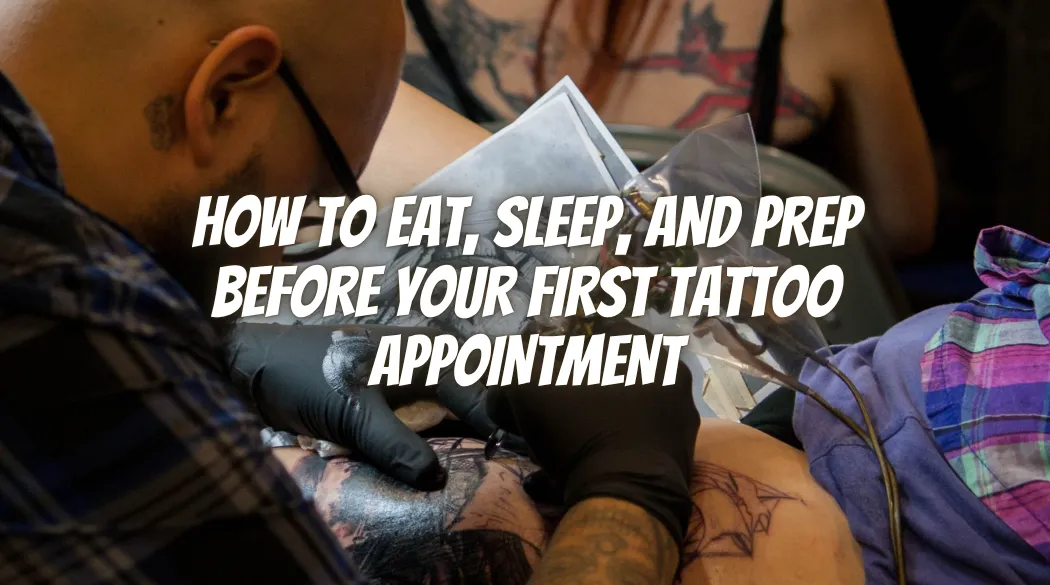
How to Eat, Sleep, and Prep Before Your First Tattoo Appointment
Your first tattoo appointment sits on the calendar, and part of you is buzzing with excitement while part of you wonders if you should have eaten breakfast, gotten more sleep, or done something to get ready. Tattoo prep is the set of eating, sleeping, and hydration habits you follow in the days and hours before your appointment to keep your body steady, your skin healthy, and your experience smooth.
At Ink Different Tattoos, we've spent over fifteen years watching how the best sessions start long before the needle touches skin.
Key Takeaways
Eat first: Have a full, balanced meal 1-2 hours before your appointment to keep blood sugar stable and prevent dizziness.
Sleep well: Aim for 7-9 hours the night before so your body handles pain better and heals faster afterward.
Hydrate: Drink water for several days beforehand, since well-hydrated skin takes ink better and heals cleaner.
Avoid: Skip alcohol and blood-thinning substances for at least 24 hours before getting tattooed to reduce bleeding.
Want the other chair? Ink Different's Traditional Tattoo Apprenticeship trains beginners into job-ready professionals in 18-24 months.
What Does It Mean to Prep for Your First Tattoo?
Prepping for your first tattoo means preparing your body and mind in the days before your appointment so you feel steady, comfortable, and ready to sit for the session. It's less about complicated rituals and more about treating your body well.
Think of your body like soil before planting a seed. The healthier the ground, the better the growth. When you show up well-fed, well-rested, and hydrated, your skin cooperates and your nervous system stays calm.
Good prep also protects the final result. A relaxed, healthy client heals better, and that means your first tattoo looks the way it was meant to look for years to come.
What Should You Eat Before a Tattoo Appointment?
You should eat a full, balanced meal with protein, complex carbs, and healthy fats about 1-2 hours before your tattoo appointment to keep your blood sugar stable and prevent fainting. Getting tattooed on an empty stomach is one of the most common rookie mistakes.
Tattooing triggers a physical stress response, and when your blood sugar drops during that response, you can feel dizzy, nauseous, or even faint. A steady meal is your buffer against all of that.
Smart pre-tattoo meal ideas
Protein: eggs, chicken, fish, or beans to keep you full and fueled.
Complex carbs: oatmeal, brown rice, or whole-grain toast for slow-release energy.
Snacks to pack: a granola bar, banana, or juice for longer sessions.
Pro Tip: For sessions over two hours, bring a snack and a sugary drink. Sipping juice mid-session can rescue you fast if your energy dips.

How Much Sleep Do You Need Before Getting Tattooed?
You should aim for 7-9 hours of quality sleep the night before your tattoo appointment so your body can better manage discomfort and stay calm during the session. A tired body is a tender body.
When you're running on little sleep, your pain tolerance drops and your patience wears thin. That combination makes even a small tattoo feel harder than it should.
Rest also supports healing. Your skin does much of its repair work while you sleep, so a solid night before (and after) your session sets the stage for a cleaner heal.
Why Does Hydration Matter for Your Skin?
Hydration matters because well-hydrated skin is more supple, holds ink more evenly, and heals faster than dry, dehydrated skin. Your artist is essentially working on a living canvas, and moisture keeps that canvas at its best.
Start drinking extra water two to three days before your appointment, not just the morning of. Consistent hydration plumps the skin and makes the tattooing process smoother for both you and your artist.
The American Academy of Dermatology tattoo care guidelines also emphasize proper skin hydration around tattoos, and it's a foundational part of keeping your skin resilient before and after the needle.
How Should You Prepare the Day Of Your Appointment?
On the day of your appointment, eat a real meal, wear loose comfortable clothing, arrive early, and bring water plus a snack to stay comfortable through your session. A calm morning leads to a calm chair.
Your step-by-step day-of checklist
Step 1: Eat a balanced meal 1-2 hours before you leave the house.
Step 2: Shower and gently clean the area being tattooed. Skip heavy lotions right before.
Step 3: Dress in loose clothing that gives your artist easy access to the tattoo area.
Step 4: Pack water, a snack, headphones, and your ID.
Step 5: Arrive 10-15 minutes early so you can settle in without rushing.
A professional Tattoo Studio should always follow strict hygiene standards, including practices aligned with OSHA bloodborne pathogen standards. Don't be shy about noticing clean gloves, fresh needles, and a sanitized workstation. It's your right as a client.

What Should You Avoid Before Getting Tattooed?
Avoid alcohol, excessive caffeine, and blood-thinning substances for at least 24 hours before your tattoo, since they can increase bleeding and slow healing. What you skip is just as important as what you do.
Alcohol thins your blood and can lead to more bleeding, which pushes out ink and makes the artist's job harder. Showing up hungover or intoxicated is also a reason many studios will turn you away entirely.
No alcohol: for at least 24 hours before your appointment.
Go easy on caffeine: too much can raise anxiety and thin the blood slightly.
Skip heavy sun exposure: sunburned skin can't be tattooed safely.
Check medications: ask your doctor about anything that thins blood.
If you want a deeper look at what trips up first-timers on both sides of the chair, our guide to mistakes aspiring tattoo apprentices should avoid is worth a read.
What If You Want to Be the One Holding the Machine?
If prepping for your first tattoo has you dreaming about the other side of the chair, becoming a professional Tattoo Artist is a real, learnable path that starts with the right mentorship.
Tattooing is one of the rare careers that's genuinely AI-proof. A machine can't sit with a nervous client, read their story, and translate it into permanent art. If you're curious why human artists still matter, we break it down in why tattoo artists are still essential.
How Ink Different Trains the Next Generation of Tattoo Artists
Ink Different Tattoos offers a Traditional Tattoo Apprenticeship, an 18- to 24-month, four-phase program that turns beginners into job-ready professionals with licensing support and hands-on mentorship. We've been training Tattoo Artists since 2011.
We built our tattoo apprenticeship as a college alternative for people who want to work with their hands, build a real income, and skip the mountain of student debt, with hands-on training in real tattoo studios alongside experienced Mentors.
What You Can Expect from Our Traditional Tattoo Apprenticeship
Personalized hands-on training through four progressive phases.
Start remote, finish in studios so you build a foundation before touching skin.
Beginner-friendly: no prior art experience required to begin.
Licensing support and job-ready skills upon completion.
A career in tattooing is one that comes with confidence. You'll learn the tools of the trade, the safety standards, and the artistic fundamentals that separate hobbyists from professionals. If you're just starting to explore gear, our list of tools every beginner tattoo artist should know is a great starting point.
Mentorship That Pushes Your Brand and Skills Further
For those ready to level up, our Master Mentorship is a one-year, in-person program led by award-winning mentors including Al Fliction, Liz Cook, Kyle Dunbar, Boneface, and Jordi Pla. It's built for beginner and experienced artists who want to master a specific style, explode their career, and step into business ownership.
Making Tattoo Training Accessible for Everyone
We offer Spanish-speaking locations in Denver, Orange County, New York City, Miami, San Antonio, and San Diego, because talent shows up in every language. If you're weighing this against a degree, see how tattoo apprenticeships are gaining ground as a college alternative.
Our "Good Humans" culture means you're never learning alone. You join a supportive, family-like community that celebrates your growth every step of the way. The Bureau of Labor Statistics tracks craft and fine artists as a real, working career field, and we help you build the skills to enter it seriously.
Ready to Take the First Step?
Prepping for your first tattoo is really about respect: respect for your body, your artist, and the art you're about to carry forever. Eat well, sleep well, hydrate, and show up steady.
And if that quiet pull toward the other chair won't let go, seats in our tattoo apprenticeship are limited.
Ready to become a Tattoo Artist? Apply now to Ink Different's Traditional Tattoo Apprenticeship and start building an AI-proof career with licensing support along the way. Or fill out our quick questionnaire to get personalized support and find out if our Tattoo Apprenticeship Program is right for you.
Frequently Asked Questions
Should I eat before getting a tattoo?
Yes. Eat a full, balanced meal with protein and complex carbs about 1-2 hours before your appointment to keep blood sugar stable and prevent dizziness or fainting.
Can I drink alcohol before a tattoo appointment?
No. Avoid alcohol for at least 24 hours beforehand. Alcohol thins your blood, increases bleeding, and many studios refuse to tattoo intoxicated clients.
How much sleep should I get before getting tattooed?
Aim for 7-9 hours of quality sleep the night before. Being well-rested improves pain tolerance, keeps you calm, and supports faster healing afterward.
Does hydration affect how a tattoo turns out?
Yes. Well-hydrated skin is more supple, takes ink more evenly, and heals faster. Start drinking extra water two to three days before your appointment for best results.
Do I need art experience to become a tattoo artist?
No. Ink Different Tattoos' Traditional Tattoo Apprenticeship is built for beginners and teaches drawing and tattooing fundamentals from the start with no prior art background required.
How long does the Ink Different apprenticeship take?
The Traditional Tattoo Apprenticeship takes 18-24 months across four phases. Apprentices start remotely, finish in real studios, and receive licensing support upon completion.