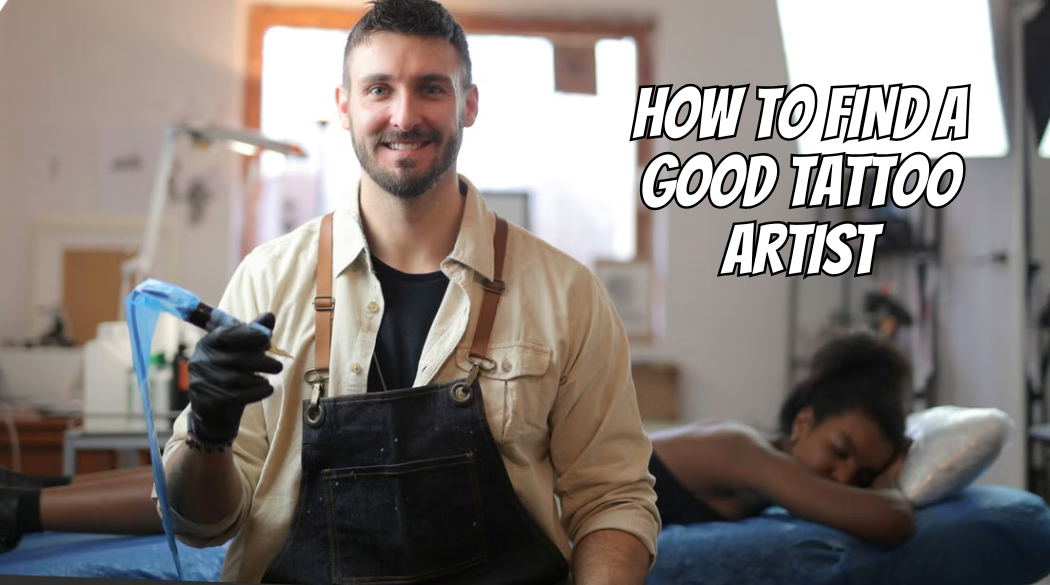
How to Find a Good Tattoo Artist
To find a good Tattoo Artist, start with portfolios, ideally including photos of healed work, in the style you want. Then confirm the Tattoo Artist and tattoo studio meet your state or local licensing rules and follow strict hygiene practices. Finally, book a consultation to see how they communicate. A good Tattoo Artist produces clean, consistent work that heals well, works safely and is honest with you about your idea.
Choosing carefully matters. According to Pew Research Center, most tattooed Americans do not regret getting a tattoo. But about a quarter (24%) say they ever regret getting one or more of their tattoos. This guide walks you through where to look, what to check and the red flags to avoid. pewresearch
Key Takeaways
Portfolio first: Look for consistent work and healed photos, not just fresh ones.
Match the style: Choose a Tattoo Artist who specializes in the style you want.
Safety is non-negotiable: Look for sterile, single-use needles, clean surfaces and proper licensing where your state requires it.
Use the consultation: A good Tattoo Artist listens, gives honest feedback and never rushes you.
Watch for red flags: No portfolio, dirty stations, pressure to rush or dodged questions.
What makes a tattoo artist good?
A good Tattoo Artist consistently produces clean, well-composed work that heals well, follows strict hygiene practices and communicates honestly.
Skill isn’t just how a tattoo looks the day you get it. It’s how it looks years later. Line weight, saturation, placement and color choices all affect whether a tattoo stays crisp or blurs over time.
The best Tattoo Artists understand how ink settles, how different skin tones hold color and how a design needs space to stay readable. That knowledge comes from training and experience.
Pro Tip: Ask how long they’ve been tattooing and how they trained. Solid training is a strong sign of good fundamentals.
Where should you look to find a good tattoo artist?
Start with Instagram and TikTok portfolios, tattoo studio websites, online reviews and referrals from people whose tattoos you admire in person.
Social media is where most Tattoo Artists show their work. Search your city plus the style you want, like “Denver realism” or “Miami fine line,” and look at both posts and tagged client photos.
Real-world referrals are valuable too. If you see a tattoo you love on someone, ask who did it. Most people are happy to share.

How do you read a tattoo artist's portfolio?
Look for consistency across many pieces, clean linework, smooth shading, healed photos and depth in the specific style you want.
One great photo could be a lucky shot or a heavy edit. What you want to see is steady quality across many tattoos.
What should you actually look at in a tattoo portfolio?
Linework: Are lines solid and even, without wobbles or gaps?
Healed photos: Fresh tattoos almost always look good. Healed photos show how the work holds up.
Style depth: If you want black-and-gray realism, pick a Tattoo Artist who does a lot of it.
Composition: Does the design flow with the body, or does it look pasted on?
Variety of skin tones: See how their work looks on different skin.
Matching the Tattoo Artist to the style matters. A great traditional Tattoo Artist may not be the best choice for fine-line script, and vice versa.
What safety signs should you look for in a tattoo studio?
A safe tattoo studio uses sterile, single-use needles, keeps surfaces disinfected, follows bloodborne pathogens safety practices and meets your state or local licensing requirements.
Your health comes first. A good Tattoo Artist opens sealed needles in front of you, wears gloves and keeps their station clean. Professional tattoo studios follow the OSHA Bloodborne Pathogens Standard, which is designed to prevent the spread of diseases through blood.
Licensing rules vary. Some states license individual Tattoo Artists, while others license tattoo studios. Texas, for example, licenses tattoo studios, which we explain in how to get your tattoo license in Texas. Many state health departments offer online license lookups.
It’s also smart to ask about ink. The U.S. Food and Drug Administration has issued alerts about contaminated tattoo inks and advises consumers to ask their Tattoo Artist or tattoo studio about the inks they use. Mayo Clinic notes that skin infections and allergic reactions are possible after tattooing, which is why choosing a clean tattoo studio matters.
A good Tattoo Artist will also send you home with clear aftercare instructions, consistent with guidance like the American Academy of Dermatology’s tips for caring for tattooed skin.
Warning: If a Tattoo Artist reuses ink caps, skips gloves or avoids your questions about sterilization, walk away.
How to find a good tattoo artist: step by step
Define your style, research portfolios, check licensing and hygiene, book a consultation and trust your instincts.
Step 1: Define your style and placement. Collect reference images and decide where you want the tattoo.
Step 2: Research portfolios. Make a shortlist of three to five Tattoo Artists whose healed work matches what you want.
Step 3: Check licensing and hygiene. Confirm the Tattoo Artist and tattoo studio meet your state or local requirements and follow safe practices.
Step 4: Book a consultation. Talk through your idea. A good Tattoo Artist listens, gives honest input and respects your limits.
Step 5: Ask questions. Ask about their experience, sterilization, the inks they use, pricing and aftercare.
Step 6: Trust your instincts. If the communication, cleanliness and portfolio all feel right, book. If not, keep looking.
What are the red flags of a bad tattoo artist?
Major red flags include no portfolio, no proof of licensing where required, a dirty work area, pressure to rush, prices that seem too good to be true and dismissive communication.
No portfolio or no healed work: You can’t judge quality without it.
Unclean setup: Dirty stations, reused supplies or no gloves.
Pressure tactics: Rushing you to book or decide on the spot.
Suspiciously low prices: Very cheap tattoos can reflect shortcuts in training, materials or hygiene.
Dismissive attitude: Getting annoyed at reasonable questions about safety or healing.
A cheap tattoo can end up costing more if you need a cover-up or removal later. Pros welcome your questions.
What if you want to become the artist people search for?
If admiring great tattoos has you curious about creating them, that’s worth exploring.
The Tattoo Artists people wait months to book didn’t get there by accident. Most trained through hands-on mentorship under experienced Tattoo Artists.
Tattooing is also a career that’s hard to automate. Software can generate a design, but it can’t read skin, build a client’s trust or adapt in real time. Read why Tattoo Artists are still essential. The pay can be strong too. According to ZipRecruiter, the average Tattoo Artist in the United States earns $106,858 a year as of November 2026.
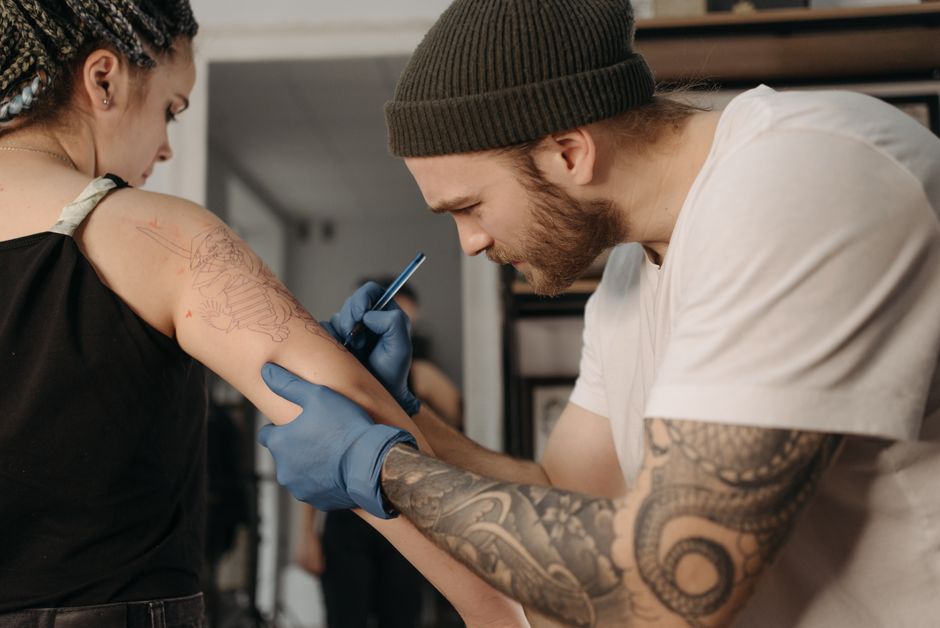
How Ink Different trains the next generation of great Tattoo Artists
For 15 years, Ink Different Tattoos has trained complete beginners to become job-ready Tattoo Artists through in-person mentorship and the Traditional Tattoo Apprenticeship.
What you can expect from Ink Different's Traditional Tattoo Apprenticeship
The Traditional Tattoo Apprenticeship runs 18 to 24 months across four phases. You train in person with a Mentor at one of 60+ tattoo studios nationwide.
Beginner-friendly: No prior art experience is required.
Hands-on mentorship: Personalized, in-person training with working Tattoo Artists.
Job-ready skills: Technique, hygiene and professionalism.
Licensing support: Help meeting your state’s requirements. See tattoo license requirements in California and how long it takes to get a tattoo license in Colorado.
Interest-free payment plans: Flexible payments make training more accessible.
A career that comes with confidence
You’ll finish with a portfolio, real client experience, licensing support and a guaranteed job offer at one of Ink Different’s own tattoo studios.
Mentorship that pushes your brand and skills further
Our one-year, in-person Master Mentorship is for beginners and experienced Tattoo Artists. You’ll train alongside celebrity and award-winning Master Mentors, including Al Fliction, Liz Cook, Kyle Dunbar, Boneface, Jordi Pla and Marcel Oliveira. It’s built for mastering a specific style, growing your career and moving into business ownership.
Making tattoo training accessible for everyone
We offer Spanish-speaking locations in Denver, Orange County, NYC, Miami, San Antonio and San Diego. Our “Good Humans” culture means you join a supportive, family-like community.
Ready to become a Tattoo Artist?
You came here to find a good Tattoo Artist. If the search has you curious about becoming one, there’s a clear path in. Each Mentor takes just two tattoo apprentices per tattoo studio, so seats fill up quickly.
Ready to become a Tattoo Artist? Apply now to Ink Different’s Traditional Tattoo Apprenticeship and start building an AI-proof career with licensing support along the way.
Frequently Asked Questions
How do I know if a Tattoo Artist is good?
Look for a consistent portfolio with healed work, experience in your chosen style, safe hygiene practices, proper licensing where required and honest communication during your consultation.
Where is the best place to find a good Tattoo Artist near me?
Search Instagram and TikTok using your city and preferred style, read reviews and ask people whose tattoos you like who did their work.
What questions should I ask a Tattoo Artist before booking?
Ask about their experience, how they sterilize equipment, which inks they use, pricing and what aftercare they recommend.
What should I check before booking a tattoo appointment?
Review healed portfolio photos, confirm the tattoo studio uses sterile single-use needles and meets local licensing rules and book a consultation to judge communication.
How common is tattoo regret?
Pew Research Center found that about 24% of tattooed Americans regret one or more of their tattoos. Taking your time to choose the right Tattoo Artist and design helps.
How long does it take to become a Tattoo Artist?
Most tattoo apprenticeships take one to three years. Ink Different’s Traditional Tattoo Apprenticeship takes 18 to 24 months across four phases.