How to Fix a Tattoo You Regret Without Removing It
Regret your tattoo? Here’s how to fix it.
Key Takeaways
Not every regretted tattoo needs laser removal to look right again
Cover-ups, reworks, and touch-ups can transform a tattoo you're unhappy with
A skilled Tattoo Artist can adjust color, add detail, or blend an old design into something new
The right fix depends on the tattoo's size, placement, and ink saturation
A consultation with a Tattoo Artist is the best first step before deciding on removal
Tattoo regret happens more often than people think, and it rarely means starting from scratch. Maybe the design felt right five years ago, but it doesn't match who you are now. Maybe the linework faded unevenly, or the piece just never turned out the way you pictured it.
Whatever the reason, removal isn't the only path forward. Laser removal takes months, sometimes years, and it can be uncomfortable and expensive. Many people assume it's their only option simply because they haven't explored what else is possible.
This guide walks through several ways to fix a tattoo you regret without erasing it completely. Each option works differently depending on your tattoo's age, size, and color, so think of this as a starting point for a genuine conversation with a Tattoo Artist.
1. Get a Cover-Up Built Around What You Already Have
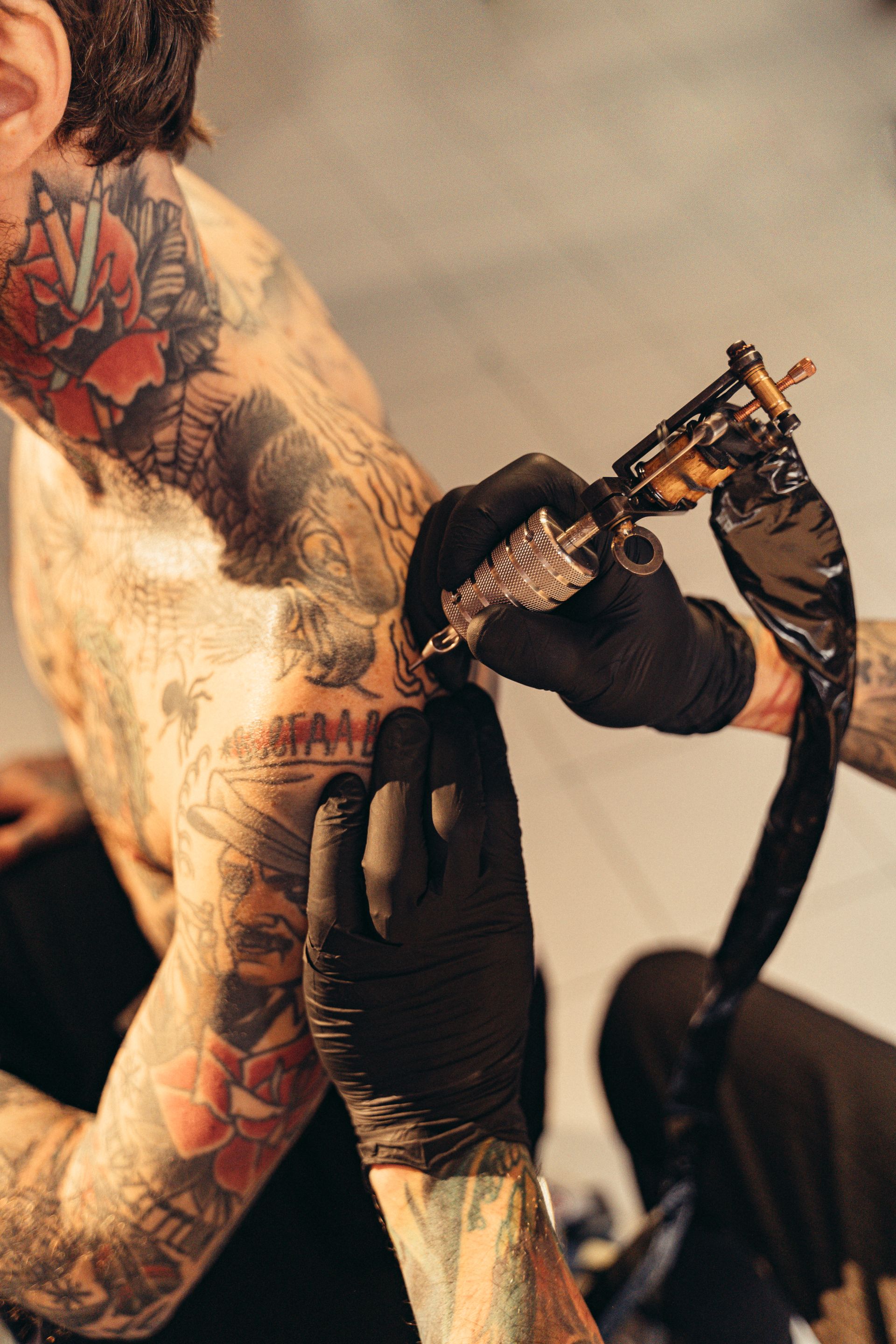
Tattoo cover-ups remain one of the most popular ways to deal with tattoo regret, and for good reason. A skilled Tattoo Artist can design something new that incorporates the existing ink rather than fighting against it.
The key to a successful cover-up is planning. Dark or dense tattoos may limit color options, but an experienced Tattoo Artist knows how to work with shading, placement, and design elements to hide what's underneath. Florals, geometric patterns, and animals often work well because they allow for natural blending and shadow work.
Before committing, ask to see examples of cover-up work specifically, not just general tattoo portfolios. Covering old ink requires different skills from working on bare skin, and not every Tattoo Artist specializes in it.
2. Ask About a Rework or Redesign
Sometimes a tattoo doesn't need to be hidden. It just needs to be improved. A rework involves adjusting the existing design rather than covering it entirely.
This might mean sharpening blurry linework, adding depth to flat shading, or adjusting proportions that feel off. If your tattoo was done years ago, styles and techniques have likely evolved since then, and a rework can bring it up to modern standards.
Reworks tend to cost less than full cover-ups and take less time, making them a good option if you like the overall concept but not the execution.
3. Consider Color Correction or Touch-Up Work
Color fading and blowout are common issues with older tattoos, especially those done outdoors or with lower-quality ink. If your main complaint is dull, patchy, or uneven color rather than the design itself, color correction might solve the problem.
A Tattoo Artist can reintroduce pigment, sharpen faded outlines, and even out saturation so the piece looks fresh again. This works especially well on solid tattoos to begin with but have simply aged over time.
Touch-ups are usually quicker and less expensive than a full redesign, so it's worth asking a Tattoo Artist to assess whether this alone could fix your concerns.
4. Add On to Change the Tattoo's Meaning or Look
Not every fix requires covering the original tattoo. Sometimes expanding it changes the entire feel of the piece.
Adding background elements, extending the design onto more skin, or incorporating new imagery around the original tattoo can shift its meaning without erasing what's already there. This approach works particularly well for small tattoos that feel incomplete or disconnected from the rest of your body art.
Talk through your ideas with a Tattoo Artist who can sketch a few directions before any needle touches skin. This gives you a chance to see the concept take shape before committing.
5. Blend the Tattoo Into a Larger Piece
If you have multiple tattoos you're unhappy with, or one large piece that feels disjointed, blending everything into a cohesive design can solve several problems at once.
This method takes more planning than a simple cover-up since it usually spans a larger area of skin. A Tattoo Artist maps out how existing tattoos connect, then designs new elements that tie everything together visually. The result often looks intentional, even if the original tattoos were done years apart by different Tattoo Artists.
This option tends to work best for sleeves, back pieces, or areas where several smaller tattoos have accumulated over time.
6. Talk to a Tattoo Artist Before Assuming Removal Is Necessary
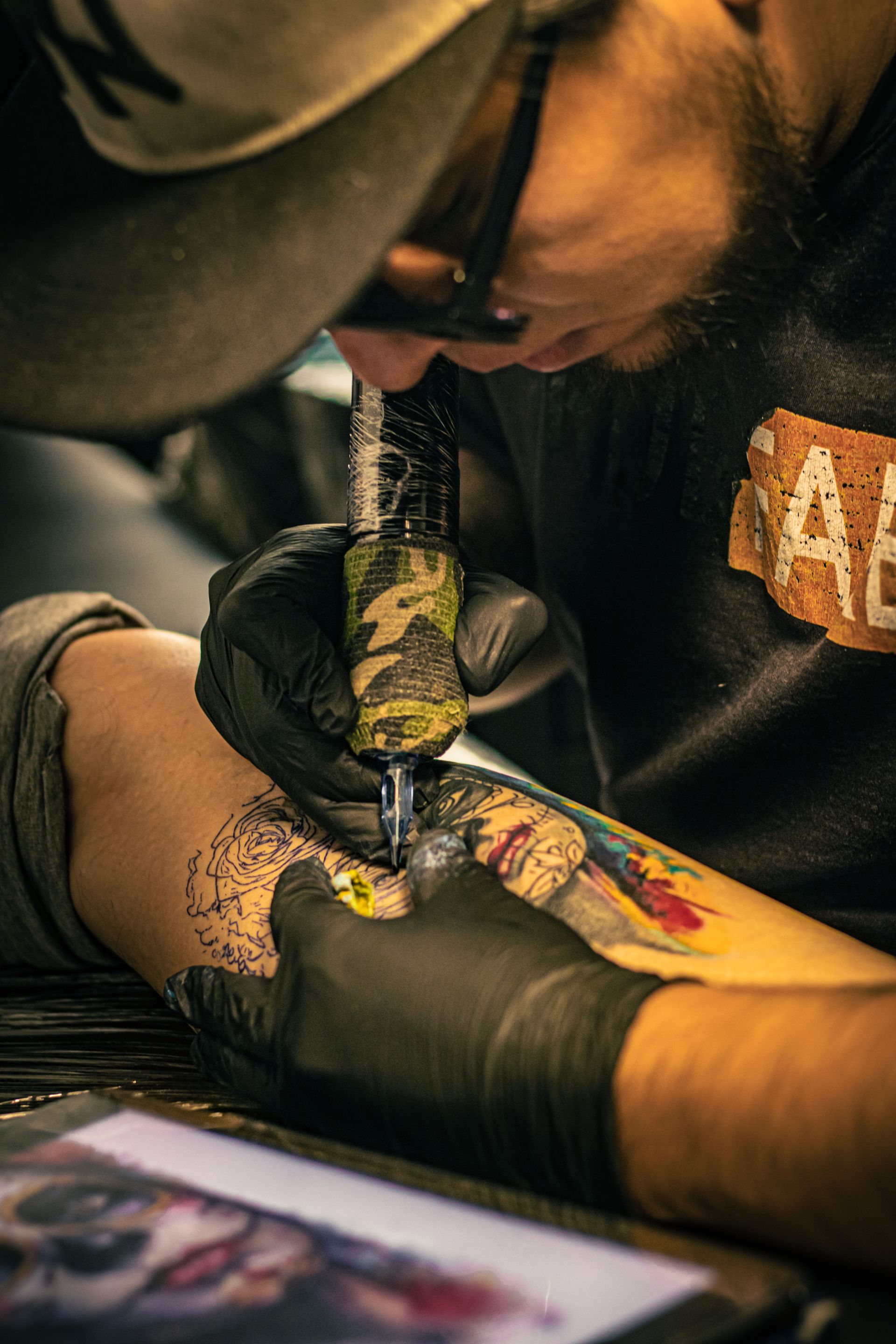
Before booking a laser removal session, it's worth sitting down with a Tattoo Artist for an honest assessment. They can tell you what's realistic given your tattoo's ink density, age, and placement.
In many cases, Tattoo Artists can suggest solutions clients haven't considered, whether that's a partial cover-up, selective fading combined with a rework, or a redesign that keeps sentimental elements while changing the parts you dislike.
Removal is sometimes the right call, especially for tattoos with heavy scarring or ink that's too dark to work with. But it shouldn't be the default option simply because it's the most well-known one.
Why Ink Different Tattoos Is the Right Call for Reworking Your Ink
Fixing a tattoo you regret takes more than technical skill. It takes a Tattoo Artist who listens, understands what went wrong the first time, and knows how to make it right. Here's what sets Ink Different Tattoos apart when it comes to reworking, covering, or touching up existing tattoos:
Skilled Tattoo Artists who specialize in cover-ups, reworks, and color correction, not just fresh designs
A clean, safe, and comfortable studio environment where every session follows strict health and safety protocols
We’re proud to train and guide the next generation of Tattoo Artists through our Traditional Tattoo Apprenticeship.
Custom solutions built around your specific tattoo and your goals, never a one-size-fits-all approach
Whether you're dealing with faded color, a design that no longer fits who you are, or a tattoo that just didn't turn out right, our Tattoo Artists take the time to understand what you want before picking up a needle. Your fix deserves the same care as your first tattoo did.
Turn Regret Into Something You're Proud Of
Tattoo regret doesn't have to follow you around forever, and it doesn't have to mean months of painful, expensive removal sessions. In many cases, the right Tattoo Artist can transform a piece you dislike into one you're excited to show off.
The sooner you start the conversation, the sooner you can stop avoiding mirrors or long sleeves because of a tattoo you regret. Book a consultation with a Tattoo Artist at Ink Different Tattoos today and find out what's possible for your ink right now.
Frequently Asked Questions
Can any tattoo be covered up?
Most tattoos can be covered, though dark or densely saturated ink may limit design options. A Tattoo Artist can assess your specific tattoo and recommend the best approach.
Is a rework cheaper than laser removal?
Reworks and touch-ups are typically less expensive and much faster than laser removal, which often requires multiple sessions spread over months or years.
How do I know if my tattoo can be fixed without removal?
The best way to find out is a consultation with a Tattoo Artist. They can evaluate your tattoo's size, color, and condition to recommend cover-up, rework, or touch-up options.
Does fixing an old tattoo hurt more than getting a new one?
Pain levels vary depending on the technique used, but reworking or covering an existing tattoo generally feels similar to getting a new tattoo in the same area.