How to Know if Tattooing Is the Right Career Path for You Before You Commit
Thinking About Tattooing? Here’s How to Know for Sure
Key Takeaways
Not everyone who loves tattoos is built for a tattoo career, and that's okay to figure out now.
Your artistic habit matters more than your skill level when starting a tattoo apprenticeship.
Tattooing demands serious physical and mental stamina that most people don't think about upfront.
Ink Different Tattoos offers a structured, Mentor-led tattoo apprenticeship with a guaranteed job offer and very limited spots.
A lot of people feel it, that pull toward tattooing that's hard to explain. Maybe you've always loved the art form. Perhaps you're tired of sitting in a cubicle imagining a completely different life. Whatever brought you here, you're asking a really important question: is this actually the right career for me?
It's totally normal to feel unsure. Tattooing looks exciting from the outside, but it's also a professional craft that takes serious time and dedication to build. The last thing you want is to jump in headfirst without knowing what you're actually signing up for.
Below are honest steps to help you figure out whether tattooing is genuinely your path before you commit to anything.
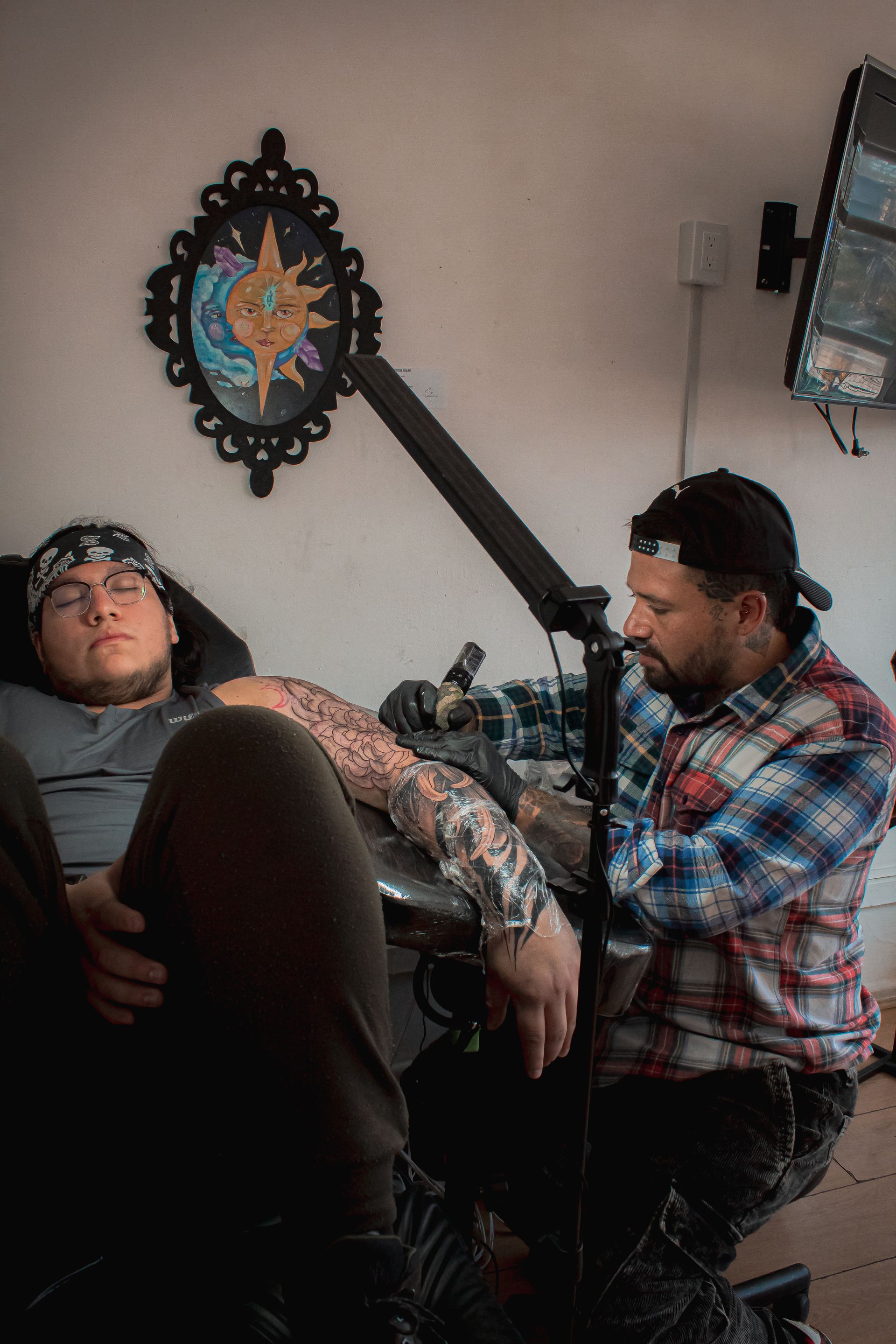
Step 1: Ask Yourself Why You're Drawn to Tattooing
This is the first question worth sitting with, and it deserves an honest answer. Are you drawn to tattooing because you love the art itself? Because you want to connect with people and create something meaningful for them? Or because you crave creative freedom and independence in your work? These are solid, career-sustaining reasons.
If the pull is mostly about the lifestyle aesthetic or the "cool factor," that's worth noticing too. Surface-level interest tends to fade when the work gets hard. Genuine passion for the craft is what carries Tattoo Artists through the tough early years.
Step 2: Honestly Assess Your Artistic Foundation
You don't need to be a trained artist or have a fine arts degree to become a Tattoo Artist. What matters more is whether you have a habit of creating. Do you sketch regularly? Do you enjoy working with design, illustration, or any visual medium? That baseline matters.
If you haven't drawn in years and struggle to stay consistent with it, that's useful information. Tattooing is applied art. The more comfortable you are drawing, the faster you'll pick up the technical side of tattooing. A genuine love for making things visually is a strong foundation to build from.
Step 3: Shadow or Talk to a Working Tattoo Artist
No amount of YouTube videos or Instagram scrolling will give you what one genuine conversation with a working Tattoo Artist can. Reach out to someone whose work you admire, be respectful of their time, and ask if they'd be open to a quick chat. Most Tattoo Artists are more approachable than people expect.
When you do get that conversation or shadowing opportunity, pay attention to the full picture. Watch how they interact with clients, how they prep their station, how they manage time. Ask about the parts of the job nobody posts about: the long hours, the physical strain, the slow seasons. Getting a realistic look at the day-to-day will tell you a lot about whether you can actually see yourself doing this.
Step 4: Test Your Tolerance for the Process (Not the Needles — the Work)
A lot of people focus on whether they can handle being around needles. That's not really what breaks most people. What actually tests you is the physical and mental endurance the job demands. Tattoo Artists spend hours hunched over clients, holding steady hands through fatigue, and staying mentally focused through long sessions.
Hand strain, back pain, and eye fatigue are occupational realities for Tattoo Artists. Before committing to a tattoo apprenticeship, pay attention to how your body handles repetitive, detail-oriented work over extended periods. If you can stay focused, stay patient, and stay steady when you're tired. You've got a big piece of what this career requires.
Step 5: Research the Financial Reality of Tattooing
Tattooing can absolutely be a financially stable career, but it's important to go in with realistic expectations about the timeline. In the early stages of a tattoo apprenticeship, income is usually limited. You're still building your skills, your portfolio, and your client base. That ramp-up period is true, and it takes anywhere from one to a few years depending on the path you take.
The long-term picture, though, is genuinely strong. Experienced Tattoo Artists in the U.S. can earn an average of $106,858 annually, depending on their location, specialization, and clientele. Going in with eyes open about the early stage makes the whole journey a lot more manageable.
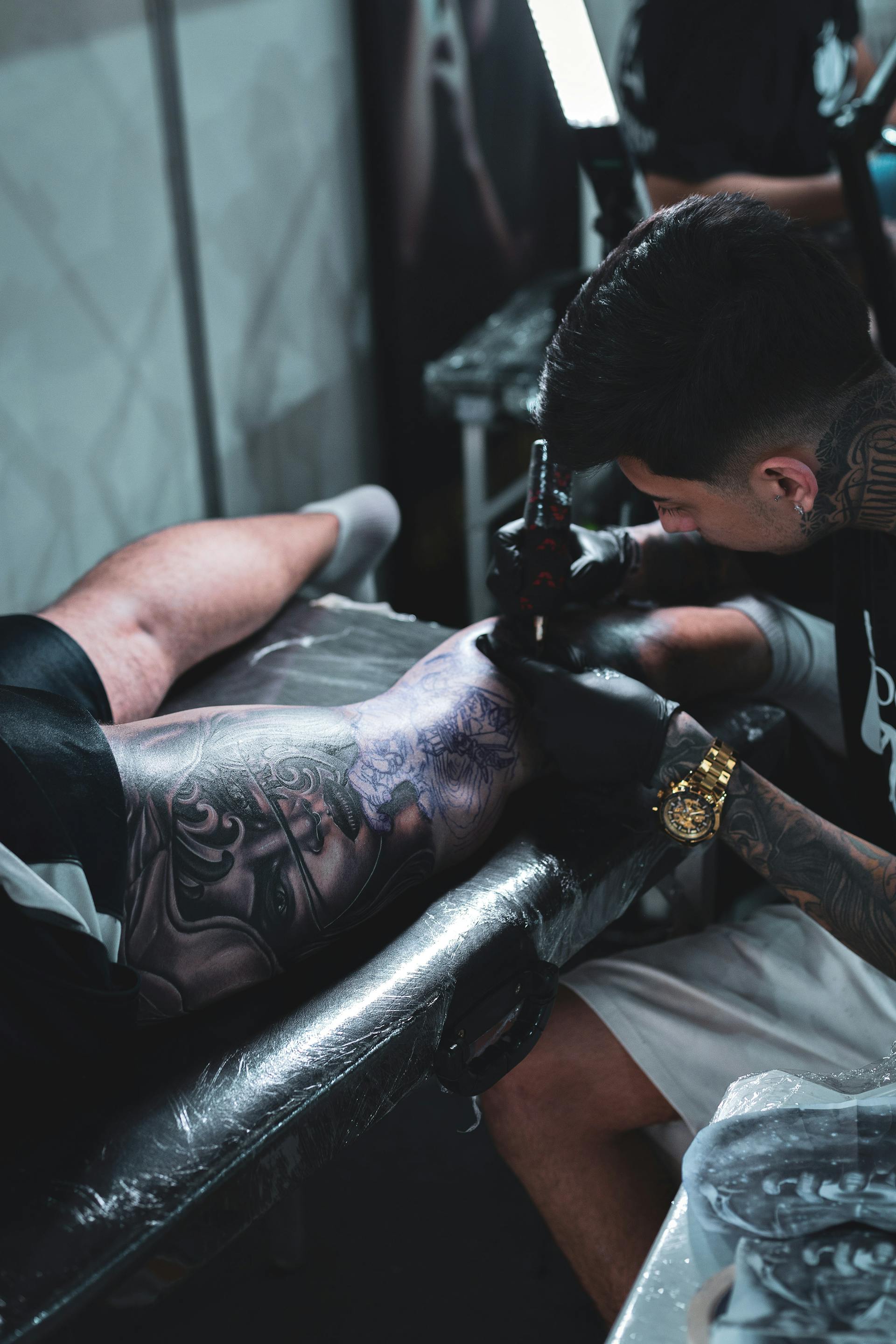
Step 6: Look Into What a Tattoo Apprenticeship Actually Involves
A tattoo apprenticeship is not just watching someone work and hoping skills transfer by osmosis. It's a structured, hands-on learning experience where you build technical skills under the guidance of professional Tattoo Artists. You learn everything from needle mechanics and ink theory to client communication and sanitation standards.
The time commitment is significant. At Ink Different, our Traditional Tattoo Apprenticeship runs between 18 and 24 months. You'll be drawing constantly, practicing on synthetic skin, and gradually working toward real clients under supervision. It's intense, but that intensity is exactly what prepares you to work confidently as a professional Tattoo Artist. If that kind of immersive, real-world learning sounds more appealing than sitting in a classroom, a tattoo apprenticeship is a great fit for you.
Step 7: Take an Honest Inventory of Your Commitment Level
Tattooing is not a career you can half-commit to and still expect results. It takes years of consistent practice, a thick skin for feedback, and the kind of resilience that keeps you going when progress feels slow. Before you take the leap, be honest with yourself about whether you're ready for that timeline.
The Tattoo Artists who thrive are the ones who show up every day, take critique seriously, and stay curious about improving their work. If you're someone who gets discouraged easily or needs immediate results to stay motivated, that's something to work on before starting a tattoo apprenticeship. But if you're the type who gets energized by a long-term challenge and genuinely loves the craft, this path was probably built for you.
Why Ink Different Tattoos Sets You Up for a Professional Tattoo Career
If you've read through these steps and feel like tattooing genuinely fits, the next question is where to start. Not all tattoo apprenticeships are built the same, and the structure behind yours makes a huge difference in how fast you grow and where you end up. Here's what makes Ink Different’s Traditional Tattoo Apprenticeship different:
Structured 18-to-24-month tattoo apprenticeship divided into four clear phases, so you always know where you are in your training and what comes next.
Hands-on learning. You build a portfolio under the guidance of experienced Master Mentors who are invested in your growth.
Spanish-speaking training available at select locations, making the tattoo apprenticeship more accessible to a wider range of aspiring Tattoo Artists.
A guaranteed job offer waiting for you when you complete the tattoo apprenticeship, not a vague promise, an actual offer.
Ink Different Tattoos only accepts two tattoo apprentices per studio per Mentor. If this feels like your path, the time to move is now.
Your Next Move Is Closer Than You Think
You've done the thinking; you've gone through the steps. If tattooing keeps coming back as the answer, that's telling you something worth listening to. The question isn't whether you're ready to be perfect; it's whether you're ready to start.
Ink Different Tattoos accepts very few tattoo apprentices per tattoo studio, and those spots fill up. Every day you wait is a day someone else takes the seat that could have been yours. Book your consultation with Ink Different Tattoos today and take the first step toward a career you'll actually want to show up for.
Frequently Asked Questions
What if I love tattoos as a client but I'm not sure I want to make them?
Being a fan of tattoos and wanting to create them are two different things. Spend time drawing and creating before committing. If making art energizes you as much as collecting it, that's a strong sign.
Is it too late to start a tattoo apprenticeship if I'm in my late 20s or 30s?
Not at all. Many successful Tattoo Artists started their tattoo apprenticeships well into adulthood. What matters far more than age is your drive, your consistency, and your willingness to put in the work.
How do I know if I'm cut out for client-facing work as a Tattoo Artist?
Tattooing is as much about people as it is about art. If you enjoy building connections, making people feel comfortable, and taking pride in giving someone something they'll wear for life, you're wired for it.
Can I pursue a tattoo apprenticeship while still figuring out my artistic style?
Yes, and honestly, that's part of what a tattoo apprenticeship is for. You'll explore different techniques and influences throughout your training, and your personal style will develop naturally the more you practice.