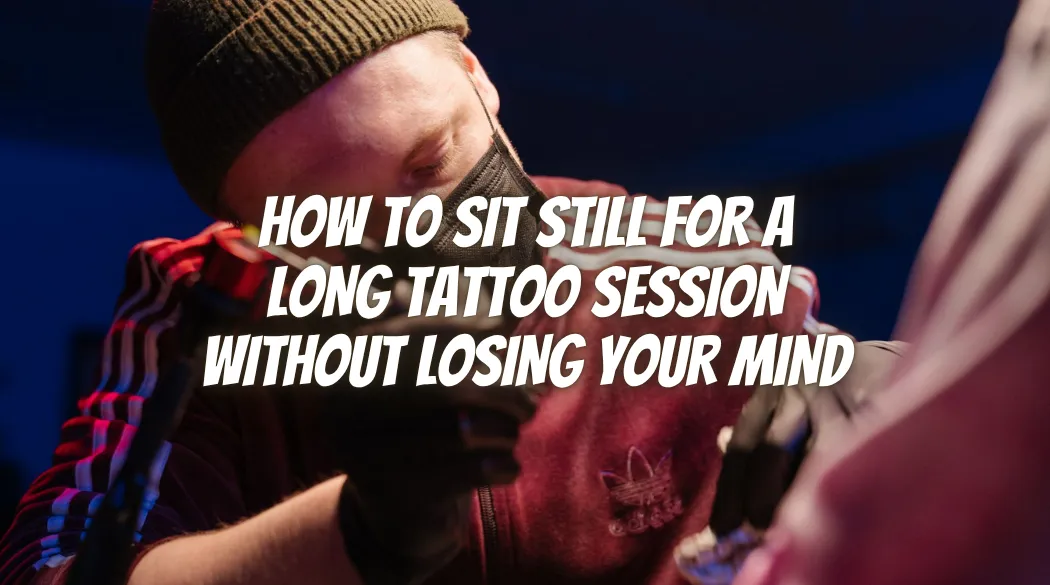
How to Sit Still for a Long Tattoo Session Without Losing Your Mind
You are three hours into a full-day session. Your lower back is on fire, your leg has gone numb, and that little voice in your head is screaming to jump out of the chair. Sitting still for a long tattoo session is the practiced discipline of managing your body, breath, and mind so you can endure hours of tattooing calmly and safely.
At Ink Different Tattoos, we teach both sides of that equation, because understanding the endurance of the chair makes you a sharper Tattoo Artist behind the machine.
Key Takeaways
Prep your body: Sleep well, eat a full meal, hydrate, and wear loose clothing to build endurance for long sessions.
Master your breath: Slow, controlled breathing calms your nervous system and reduces perceived pain during tattooing.
Move strategically: Micro-adjustments during breaks prevent stiffness without disrupting your artist's line work.
Use mental tools: Distraction, music, and reframing discomfort make marathon sessions manageable and meaningful.
Learn both sides: Ink Different's 18–24 month Traditional Tattoo Apprenticeship teaches you client comfort and tattooing from day one.
Why is sitting still for a long tattoo session so hard?
Sitting still for a long tattoo session is hard because your body is fighting sustained discomfort, adrenaline dumps, and hours of forced stillness all at once. Your nervous system is not built to hold one position under repeated needle stimulation for four, six, or eight hours.
Early in a session, adrenaline masks the sting. Once that wears off, the pain feels sharper and your patience thins. This is where most people start squirming, and squirming is exactly what makes the artist's job harder.
Understanding the biology helps. Your body reads the needle as a mild, repeated threat, so it tenses up. According to the American Academy of Dermatology tattoo care guidelines, tattooing breaks the skin barrier thousands of times per minute, which is why fatigue and soreness build over the hours.
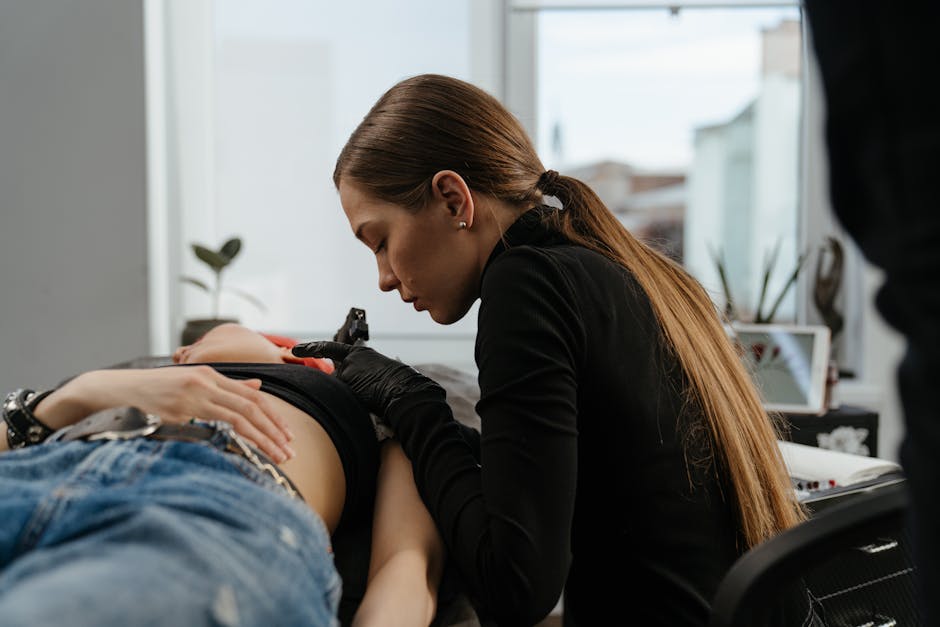
How should you prepare your body before a long session?
You should prepare for a long tattoo session by sleeping well, eating a full meal, hydrating, and dressing in loose, comfortable clothing. Your body burns energy processing pain, so showing up depleted sets you up to tap out early.
Think of your body like soil before planting a seed. If the ground is dry and starved, nothing takes root. Fuel it properly, and you give yourself hours of steady endurance.
Sleep: Get a full night of rest so your pain tolerance is at its peak.
Food: Eat a real meal one to two hours before your appointment to stabilize blood sugar.
Hydration: Well-hydrated skin takes ink better and keeps you from feeling lightheaded.
Clothing: Wear loose layers that let your artist reach the area without pinching or overheating you.
Snacks: Bring water and a snack for the breaks you will absolutely need.
Skip the alcohol the night before. It thins your blood, worsens healing, and makes long sessions harder. A clear head is your best ally in the chair.
How do you calm your mind during a marathon tattoo?
You calm your mind during a long tattoo by controlling your breathing, using distraction tools, and reframing the discomfort as temporary and purposeful. The mental game is often harder than the physical one.
Slow, deep breathing tells your nervous system the threat is not real danger. Breathe in for four counts, hold for four, and exhale for six. This simple rhythm can take the edge off the sharpest passes.
Distraction is your friend. Load a podcast, an audiobook, or a long playlist. Some people fall into an almost meditative headspace once they stop resisting the sensation and start riding it.
Pro Tip: Do not stare at the machine. Watching every pass makes your brain anticipate pain. Look away, breathe, and let your artist work.
What are the steps to stay still during a long tattoo session?
You stay still during a long tattoo session by following a repeatable routine: fuel up, settle in, breathe steadily, adjust only during breaks, and refuel throughout. A system beats willpower every time.
Step 1: Fuel and hydrate. Arrive rested and fed so your body has energy reserves to spend on endurance.
Step 2: Find your position early. Get comfortable before the first line so you are not shifting once the ink starts flowing.
Step 3: Set your breathing rhythm. Lock into slow, controlled breaths from the very first pass.
Step 4: Use micro-adjustments only. If you must move, tell your artist first and shift slowly during a pause, never mid-line.
Step 5: Take scheduled breaks. Stand, stretch, snack, and reset your mind every 60 to 90 minutes.
Step 6: Refuel and refocus. Sip water, eat a bite, and mentally reset before you settle back in.
Communication is the thread that ties every step together. A good Tattoo Artist wants you to speak up, because a still, relaxed client produces cleaner, sharper work.
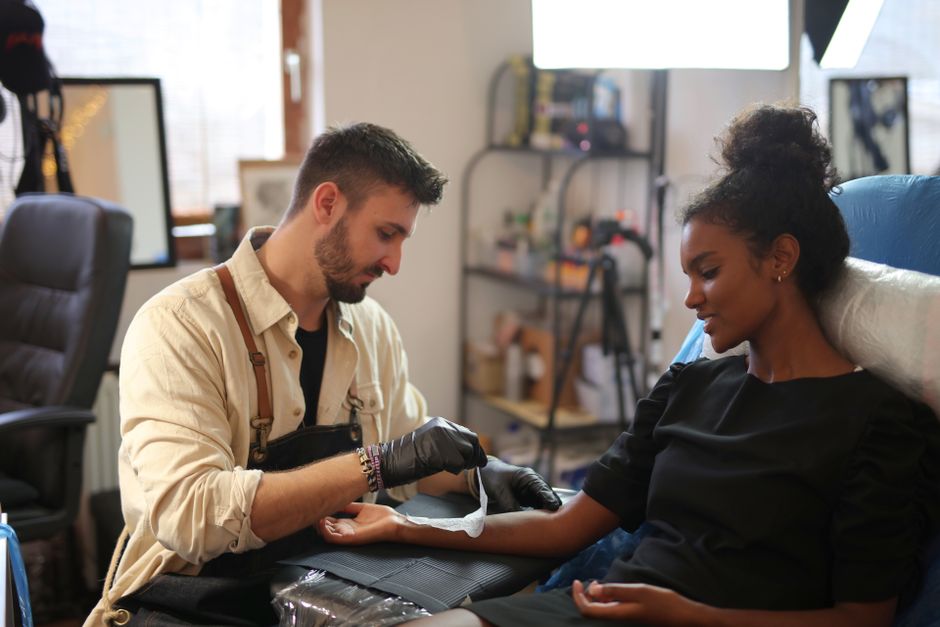
When should you ask for a break?
You should ask for a break the moment you feel your body tensing, your focus slipping, or your urge to move becoming constant, roughly every 60 to 90 minutes. Waiting until you are miserable only makes the whole session worse.
There is no medal for suffering in silence. Tensing up leads to involuntary flinches, and flinching is what causes wobbly lines. A short stretch protects the quality of your tattoo.
Listen for warning signs like clammy skin, dizziness, or nausea. These can signal you need food or water fast. Tattooing safely also means following hygiene standards like the OSHA bloodborne pathogen standards, which reputable studios take seriously to keep you protected.
Why does understanding the artist's perspective change how you see stillness?
Understanding the artist's perspective changes everything, because you learn that a client's stillness is a shared responsibility built on comfort, communication, and pacing. The best Tattoo Artists are also the best at keeping clients calm.
When you learn to tattoo, you discover how much a relaxed client improves your work. You learn to read body language, offer breaks before they are begged for, and pace long sessions so nobody burns out. That skill separates hobbyists from professionals.
This is where the real career begins. If watching a great artist manage a marathon session lights something up in you, that spark is worth chasing. If you have wondered whether this craft could be your path, our post on a career change into a tattoo apprenticeship is a great next read.
Machines will never replace the human connection between a Tattoo Artist and a client enduring hours in the chair together. We break down in why Tattoo Artists are still essential. This is an AI-proof craft rooted in trust, and tattoo apprenticeships are proving to be a solid alternative to college for people seeking meaningful work.
How can you learn this craft from the other side of the machine?
You can learn tattooing through Ink Different's Traditional Tattoo Apprenticeship, an 18- to 24-month, four-phase Tattoo Artist training built to take beginners to job-ready professionals. No prior art experience is required to start.
For 15 years, we have trained aspiring Tattoo Artists as a serious college alternative. Instead of taking on debt for a degree that may not lead anywhere, you build a real, hands-on skill with income potential and a craft AI cannot replace.
What You Can Expect from Our Traditional Tattoo Apprenticeship
Our Traditional Tattoo Apprenticeship is personalized, hands-on, and Mentor-led, with hands-on training in real tattoo studios alongside experienced Mentors.
Beginner-friendly: No formal art background needed; we teach fundamentals from day one.
Four phases: A structured path from drawing basics to supervised live client work.
Licensing support: We guide you toward the credentials your state requires.
Job-ready skills: You graduate with the real ability to work professionally in a Tattoo Shop.
This is a career that comes with confidence. You will know how to run a clean station, manage a long session, keep a client comfortable, and produce work you stand behind. If you are just starting to explore, avoid the common pitfalls in our guide to mistakes aspiring tattoo apprentices should avoid.
Mentorship That Pushes Your Brand and Skills Further
Our one-year, in-person Master Mentorship is built for those ready to grow their careers. You train directly with celebrity and award-winning Master Mentors like Al Fliction, Liz Cook, Kyle Dunbar, Boneface, and Jordi Pla to master a style and build a business.
Making Tattoo Training Accessible for Everyone
We offer Spanish-speaking locations in Denver, Orange County, NYC, Miami, San Antonio, and San Diego. Our Good Humans culture means you join a supportive, family-like community that never lets you feel alone on the journey.
Seats in our tattoo apprenticeship are limited, because real mentorship cannot be mass-produced.
Ready to Become a Tattoo Artist?
You have spent enough time enduring things that do not fulfill you, whether it is a numb leg in the chair or a dead-end job that drains your spark.
Ready to become a Tattoo Artist? Apply now to Ink Different's Traditional Tattoo Apprenticeship and start building an AI-proof career, with licensing support along the way. You can also fill out our quick questionnaire to get personalized support and find out if our tattoo apprenticeship is right for you.
Frequently Asked Questions
How long can a tattoo session safely last?
Most safe sessions last four to eight hours with scheduled breaks. Longer sessions increase skin trauma and fatigue, risking healing issues and lower-quality work.
What should I eat before a long tattoo session?
Eat a balanced meal with protein and carbs one to two hours before. This stabilizes blood sugar and gives your body energy to endure hours of tattooing.
Is it okay to move during a tattoo?
Small, communicated micro-adjustments during breaks are fine. Sudden mid-line movements ruin line work, so always tell your artist before shifting position.
Do I need art experience to join Ink Different's apprenticeship?
No. Ink Different's Traditional Tattoo Apprenticeship is beginner-focused and teaches drawing and machine fundamentals from day one.
How long does the Traditional Tattoo Apprenticeship take?
Ink Different's Traditional Tattoo Apprenticeship takes 18 to 24 months across four phases, starting remote then finishing in real studios with mentors.
Does Ink Different offer training in Spanish?
Yes. Ink Different offers Spanish-speaking locations in Denver, Orange County, NYC, Miami, San Antonio, and San Diego for accessible training.