How to Spot a Tattoo Studio With Poor Hygiene Standards
A tattoo studio with poor hygiene standards is a shop that fails to follow proper sterilization, sanitation, and bloodborne pathogen protocols, putting clients at risk of infection and disease. At Ink Different Tattoos, we believe knowing how to spot these warning signs is the first skill every great Tattoo Artist and every smart client should own.
Whether you are booking your next tattoo or considering a career behind the tattoo machine, understanding hygiene is not optional. It is the foundation everything else is built on.
Key Takeaways
Biggest red flag: No gloves, no single-use needles, and no visible disinfection between clients signal poor hygiene standards.
Sterilization standard: Reputable studios use an autoclave and OSHA-compliant bloodborne pathogen protocols to prevent infection.
Your right: You can ask to see sterilization equipment and licensing before any work begins—professionals welcome these questions.
Training matters: Proper tattoo hygiene is taught, not guessed, through structured Tattoo Artist Training with licensed mentors.
Ink Different: Our Traditional Tattoo Apprenticeship teaches clean practices from day one, with 18–24 months of hands-on mentorship and licensing support.
What is a tattoo studio with poor hygiene standards?
A tattoo studio with poor hygiene standards is any shop that ignores sterilization, reuses needles, skips disinfection, or fails to follow bloodborne pathogen safety rules, exposing clients to infections like hepatitis and staph.
Tattooing breaks the skin thousands of times, which means every surface and tool must be treated as a potential pathway for bacteria and viruses. A clean studio treats this seriously. A careless one treats your health like an afterthought.
The difference is not always obvious at first glance. Some studios look stylish and polished on the surface but cut corners where it counts. That is why learning to read the real signals, not just the decor, protects you.
Why does studio hygiene matter so much?
Studio hygiene matters because improper sterilization can transmit serious infections, including hepatitis B, hepatitis C, HIV, and bacterial skin infections, through contaminated needles and surfaces.
According to OSHA bloodborne pathogen standards, any workplace where employees may contact blood must follow strict controls. Tattoo studios fall squarely under these rules. When a shop ignores them, it is not just breaking protocol, it is gambling with your body.
Beyond infection, poor hygiene affects healing. The American Academy of Dermatology tattoo care guidelines emphasize that clean application and proper aftercare prevent complications. A sloppy environment undermines your tattoo before the ink even settles.
Remember: A tattoo is permanent, and so is the decision to trust the person holding the machine. Your health is worth a few extra questions.
What are the red flags of a dirty tattoo studio?
The clearest red flags of a dirty tattoo studio include no gloves, reused needles, missing autoclave sterilization, dirty surfaces, no handwashing station, and an artist unwilling to answer hygiene questions.
You do not need a medical degree to catch most of these. You just need to know what to look for. Here are the warning signs that should make you pause, or walk out.
No gloves: A professional tattoo artist wears fresh gloves and changes them when contaminated.
Reused needles: Needles and tubes should come from sealed, single-use packages opened in front of you.
No autoclave: Reusable tools must be sterilized in an autoclave, not just wiped down.
No barrier film: Machines, bottles, and surfaces should be wrapped in plastic barriers to prevent cross-contamination.
Dirty floors and counters: Visible grime, old ink, or clutter signals a shop that cuts corners on hygiene.
No licensing posted: Legitimate studios and artists display current licenses and inspection records.
Defensive answers: A clean shop welcomes your questions. A dirty one dodges them.
If you notice several of these together, trust your instincts. There is always another studio that will earn your business the right way.
How do you inspect a tattoo studio step by step?
To inspect a tattoo studio, verify licensing, watch for glove use, confirm single-use needles, check for an autoclave, and observe disinfection between clients before committing to any work.
Think of this as a quick pre-flight checklist. It takes only a few minutes and could save you months of regret. Walk through it every single time.
Step 1: Check the licensing and certifications
Look for posted licenses and bloodborne pathogen certifications. Requirements vary by state, so review your local rules. For example, you can learn how to get your tattoo license in Texas to understand what credentials a legitimate artist should hold.
Step 2: Observe the artist preparing their station
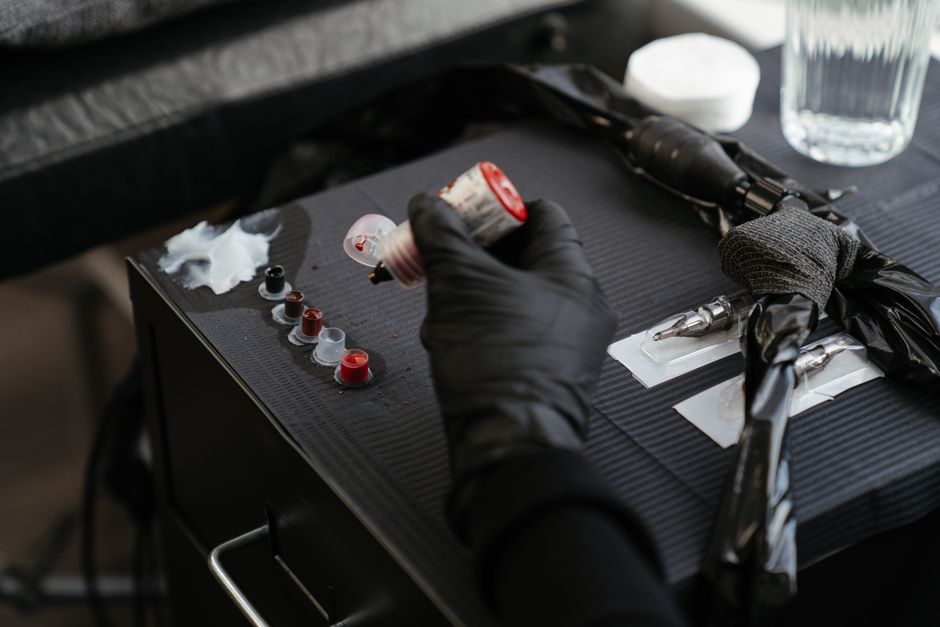
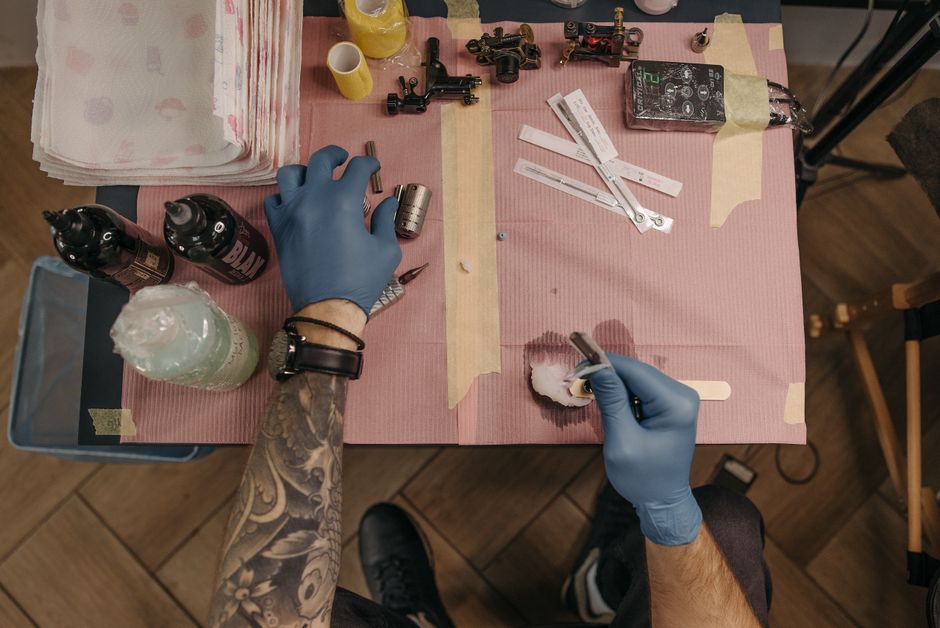
A clean setup includes fresh gloves, barrier film on the machine and bottles, and sealed needle packages opened in front of you. This is non-negotiable.
Step 3: Ask about sterilization
Confirm they use an autoclave for reusable equipment and single-use disposables for everything else. If they cannot explain their process, that is your answer.
Step 4: Inspect the overall environment
Check for a dedicated handwashing sink, clean floors, sharps disposal containers, and separation between the tattooing area and casual spaces.
Step 5: Trust your gut
If anything feels wrong, you are allowed to leave. No tattoo is worth your health. The best studios make you feel confident, not anxious.
What questions should you ask before getting tattooed?
Before getting tattooed, ask whether needles are single-use, how equipment is sterilized, if the artist is licensed, and how they handle cross-contamination between clients.
A confident, well-trained artist will answer every question without hesitation. In fact, they will respect you more for asking. Here are the essentials to cover.
Are your needles single-use and opened in front of me?
How do you sterilize reusable tools?
Are you licensed and current on bloodborne pathogen training?
How do you prevent cross-contamination between clients?
What aftercare do you recommend for safe healing?
If an artist treats these questions as an insult, that tells you everything. The pros know hygiene is the mark of a real professional, not a bother.
Where do you learn proper tattoo hygiene?
You learn proper tattoo hygiene through structured, hands-on Tattoo Artist Training under licensed mentors who teach sterilization, bloodborne pathogen safety, and clean station setup as core skills.
Here is the truth too many people skip past: hygiene is not something you pick up from YouTube or absorb by hanging around a shop. It is taught deliberately, practiced repeatedly, and reinforced until it becomes second nature. That is the difference between a hobbyist and a career professional.
The Bureau of Labor Statistics groups Tattoo Artists among craft and fine artists, a field where skill and reputation drive your income. In this industry, your reputation lives and dies on whether clients trust you to keep them safe. Clean work is career insurance.
How does Ink Different train you to work clean?
Ink Different Tattoos trains you to work clean through a four-phase Traditional Tattoo Apprenticeship that builds hygiene, sterilization, and bloodborne pathogen skills alongside artistic technique, with licensing support throughout.
For 15 years, since 2011, we have trained professional Tattoo Artists the right way, as a college alternative for people who are serious about pursuing excellence and refuse to cut corners.
What You Can Expect from our Traditional Tattoo Apprenticeship
Our Traditional Tattoo Apprenticeship runs 18 to 24 months through four structured phases. You train hands-on in real tattoo studios where hygiene is practiced live, not just discussed. No prior experience is required, because we teach you from the ground up.
Phase 1: Foundations in drawing, machine handling, and sanitation.
Phase 2: Supervised practice with proper sterilization and station setup.
Phase 3: Live client work under direct mentor supervision.
Phase 4: Building your client roster and preparing for licensing.
A Career That Comes With Confidence
When you finish, you walk away with job-ready skills, licensing support, and a guaranteed job offer at one of our tattoo studios. This is an AI-proof career built on human craft and trust, the kind of work no robot can replace. See why tattoo artists are still essential to understand the future of the craft.
Mentorship That Pushes Your Brand and Skills Further
For those ready to go even deeper, our one-year in-person Master Mentorship connects you with celebrity and award-winning Mentors like Al Fliction, Liz Cook, Kyle Dunbar, Boneface, and Jordi Pla. It is built for mastering a specific style, growing your career, and owning your own business.
Making Tattoo Training Accessible for Everyone
We offer Spanish-speaking locations near Denver, in Orange County, near NYC, in Miami, in San Antonio, and in San Diego.
Ink Different also operates nationwide, with the Traditional Tattoo Apprenticeship available in 60+ locations. Our Good Humans culture means you join a supportive, family-like community that has your back from start to finish.
Ready to Become a Tattoo Artist?
You now know how to spot a tattoo studio with poor hygiene standards, and more importantly, why mastering clean practices matters for your health and your future career.
Seats in our tattoo apprenticeship are limited because real mentorship cannot be mass-produced.
Ready to become a Tattoo Artist? Apply now to Ink Different's Traditional Tattoo Apprenticeship and start building an AI-proof career, with licensing support along the way. Or fill out our quick questionnaire to get personalized support and find out if our Traditional Tattoo Apprenticeship is right for you.
Frequently Asked Questions
How can you tell if a tattoo studio is unsanitary?
A studio is likely unsanitary if the artist skips gloves, reuses needles, lacks an autoclave, shows dirty surfaces, or refuses to answer hygiene questions clearly.
What equipment should a clean tattoo studio have?
A clean studio should have an autoclave for sterilization, single-use needles, barrier film, a dedicated handwashing sink, sharps disposal containers, and posted licenses.
Do I need experience to learn proper tattoo hygiene?
No. Ink Different Tattoos' Traditional Tattoo Apprenticeship is built for beginners and teaches sterilization, bloodborne pathogen safety, and clean station setup from phase one.
How long does the Ink Different apprenticeship take?
The Traditional Tattoo Apprenticeship takes 18 to 24 months across four phases, starting remote and finishing hands-on in real Tattoo Studios with mentor support.
What makes Ink Different different from learning on my own?
Ink Different offers live in-person mentorship from award-winning mentors, community support, 15 years of experience, and licensing support that no video tutorial can replace.
Are Spanish-speaking tattoo apprenticeships available?
Yes. Ink Different offers Spanish-speaking locations near Denver, Orange County, NYC, Miami, San Antonio, and San Diego for accessible Tattoo Artist Training.