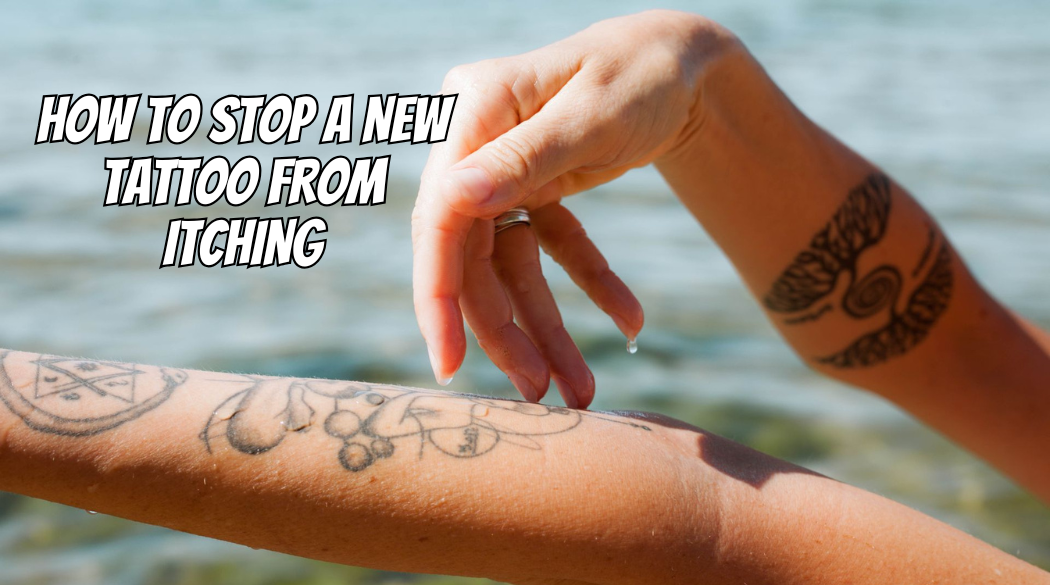
How to Stop a New Tattoo From Itching
To stop a new tattoo from itching, keep it clean and lightly moisturized with a fragrance-free lotion, and avoid heat, sweat and tight clothing that rubs it. If the urge gets intense, gently tap or pat around the area instead of scratching. Itching is usually a normal sign that your skin is healing, and it typically fades as the tattoo settles.
You’re not alone. A chapter in the medical book series Current Problems in Dermatology notes that tattoo complaints dominated by itching and swelling are remarkably common, affecting approximately one-third of tattooed people. Below, we cover why tattoos itch, how to calm the itch safely and when to call a doctor. Always follow your Tattoo Artist’s aftercare instructions first.
Key Takeaways
Why it itches: Your skin is healing, drying and shedding as it repairs the tattooed area.
Best fix: Keep it clean and use a thin layer of fragrance-free lotion.
Never scratch: Scratching or picking can pull out ink and raise the risk of infection or scarring.
When it starts: Itching often shows up a few days in, as the skin starts to flake.
Watch for red flags: Spreading redness, worsening swelling, pus, fever or a persistent rash mean it’s time to see a doctor.
Why does a new tattoo itch in the first place?
A new tattoo itches because your skin is healing. As the surface repairs, it dries, tightens and flakes, and your nerves register that activity as itching.
Dryness is a big factor. When healing skin loses moisture, it can feel tight and itchy. That’s why gentle, regular moisturizing makes such a difference.
Mayo Clinic notes that most tattoos take about two weeks to heal on the surface, and itching is often part of that process.
Pro Tip: Mild itching is usually a sign your tattoo is healing on schedule. The goal is to soothe it gently, not attack it with harsh products.
When does a new tattoo start itching?
Many new tattoos start itching a few days after the session, often around the time the skin begins to flake and peel, a lot like a mild sunburn.
The first day or two usually involve more soreness and tenderness. Itching tends to arrive once your skin moves into the flaking stage, which is a normal part of healing.
Itching can come and go for a couple of weeks. Larger or more heavily colored pieces may itch a bit longer because more skin is healing. Deeper healing takes longer too. According to Healthline, the skin below a tattoo can take as long as six months to fully heal.
How do you stop a new tattoo from itching?
Keep it clean, moisturize lightly and protect it from friction, heat and sweat while it heals.
Wash gently. Clean the tattoo with lukewarm water and a mild, fragrance-free soap as your Tattoo Artist recommends, then pat it dry with a clean paper towel.
Moisturize lightly. Apply a thin layer of fragrance-free lotion or the product your Tattoo Artist recommends. The American Academy of Dermatology suggests a water-based lotion when tattooed skin feels dry.
Cool it down. Briefly hold a clean, cool (not icy) damp cloth near the area to calm the sensation, without soaking the tattoo.
Tap, don’t scratch. If the urge is strong, gently tap or pat around the tattoo instead.
Avoid friction and heat. Wear loose clothing, and skip heavy sweating, direct sun, pools and hot tubs while it heals.
Consistency matters more than any single product.
Warning: Before taking an antihistamine or any other medication for itching, talk to a healthcare provider.
What should you never do when a new tattoo itches?
Never scratch, pick, peel or rub a healing tattoo. You can pull out ink, cause patchy spots and raise your risk of infection.
Scratching can remove flakes and scabs before they’re ready, and they can take some of the ink with them.
No scratching or rubbing: It can damage new skin and lead to scarring.
No peeling flakes: Let them come off on their own, usually while you wash.
No heavily scented products: Fragranced lotions and alcohol-based products can irritate healing skin.
No soaking: Skip baths, hot tubs and swimming until your tattoo is fully healed.
Keeping your hands off is the hardest part, but it’s often the difference between a crisp healed tattoo and a patchy one. Professional tattoo studios also follow strict hygiene rules, like the OSHA Bloodborne Pathogens Standard, to lower infection risk from the start.
When should you worry about tattoo itching?
Contact a doctor if itching comes with spreading redness, swelling that gets worse after a few days, pus, fever or a raised, bumpy rash. These can be signs of infection or an allergic reaction.
Mild itching, flaking and slight redness are usually normal. Warning signs tend to get worse instead of better.
Sometimes itching lasts much longer than normal healing. In a survey of about 300 tattooed adults led by NYU Langone dermatologist Marie Leger, some participants reported rashes, severe itching or swelling lasting more than four months. Most long-lasting complications occurred in red and black ink, according to News-Medical’s report on the study. Mayo Clinic also notes that red ink is more likely to cause allergic reactions than other colors.
If you notice any of these signs, contact a healthcare provider or dermatologist promptly. Only they can diagnose and treat the cause.

Why does aftercare knowledge matter for Tattoo Artists?
A Tattoo Artist’s reputation depends on how well their work heals, and guiding clients through the itchy stage is part of that.
The tattoo you see on day one is only half the story. The other half is how it heals, which depends a lot on the aftercare guidance the client gets.
Good Tattoo Artists explain why skin itches, when it flakes and how to handle it, which builds trust and repeat clients. That hands-on knowledge is also part of why Tattoo Artists are still essential.
If you’re curious about tattooing as a career, read about the mistakes aspiring tattoo apprentices should avoid. According to ZipRecruiter, the average Tattoo Artist in the United States earns $106,858 a year as of November 2026.
Get serious about tattoo aftercare with Ink Different Tattoos
For 15 years, Ink Different Tattoos has trained professional Tattoo Artists who understand the full craft, from the first line to the healed result, through the Traditional Tattoo Apprenticeship.
It’s a college alternative for people who want to build a hands-on creative career. Learn why tattoo apprenticeships are gaining ground as a solid alternative to college.
What you can expect from our Traditional Tattoo Apprenticeship
The Traditional Tattoo Apprenticeship runs 18 to 24 months across four phases of personalized, hands-on training. You train in person with a Mentor at one of 60+ tattoo studios nationwide.
Beginner-friendly: No prior art experience is required.
Hands-on training: Learn machine handling, hygiene, linework and client aftercare.
Licensing support: Help meeting your state’s requirements. See how to get your tattoo license in Texas, tattoo license requirements in California and how long it takes to get a tattoo license in Colorado.
Interest-free payment plans: Flexible payments make training more accessible.
A career that comes with confidence
You’ll finish with job-ready skills, licensing support and a guaranteed job offer at one of Ink Different’s own tattoo studios. Our “Good Humans” culture means you join a supportive, family-like community.
Mentorship that pushes your brand and skills further
Our one-year, in-person Master Mentorship lets you train alongside celebrity and award-winning Master Mentors, including Al Fliction, Liz Cook, Kyle Dunbar, Boneface, Jordi Pla and Marcel Oliveira. It’s built for mastering a specific style, growing your career and owning your own business.
Making tattoo training accessible for everyone
We offer Spanish-speaking locations in Denver, Orange County, NYC, Miami, San Antonio and San Diego. Each Mentor takes just two tattoo apprentices per tattoo studio, so seats fill up quickly.

Ready to Become a Tattoo Artist?
Knowing how to calm an itchy new tattoo is one small part of a craft built on care and skill. If aftercare has you curious about tattooing as a career, there’s a clear path in.
Ready to become a Tattoo Artist? Apply now to Ink Different’s Traditional Tattoo Apprenticeship and start building an AI-proof career with licensing support along the way.
Frequently Asked Questions
How do I stop my new tattoo from itching fast?
Wash it gently, apply a thin layer of fragrance-free lotion and keep it away from heat and friction. Tap around the itch instead of scratching.
Is it normal for a new tattoo to itch?
Yes. Itching is a common part of healing, often starting a few days in as the skin begins to flake.
What happens if I scratch my new tattoo?
Scratching can pull out ink, remove flakes and scabs too early and lead to patchy spots, scarring or infection.
Can I take an antihistamine for an itchy tattoo?
Talk to a healthcare provider before taking any medication for tattoo itching.
When should I see a doctor about an itchy tattoo?
If itching comes with spreading redness, worsening swelling, pus, fever or a persistent raised rash. These can be signs of infection or an allergic reaction.
How long does tattoo itching last?
It usually comes and goes for a couple of weeks while the surface heals. Itching that lasts months, or appears in one ink color, is worth checking with a doctor.