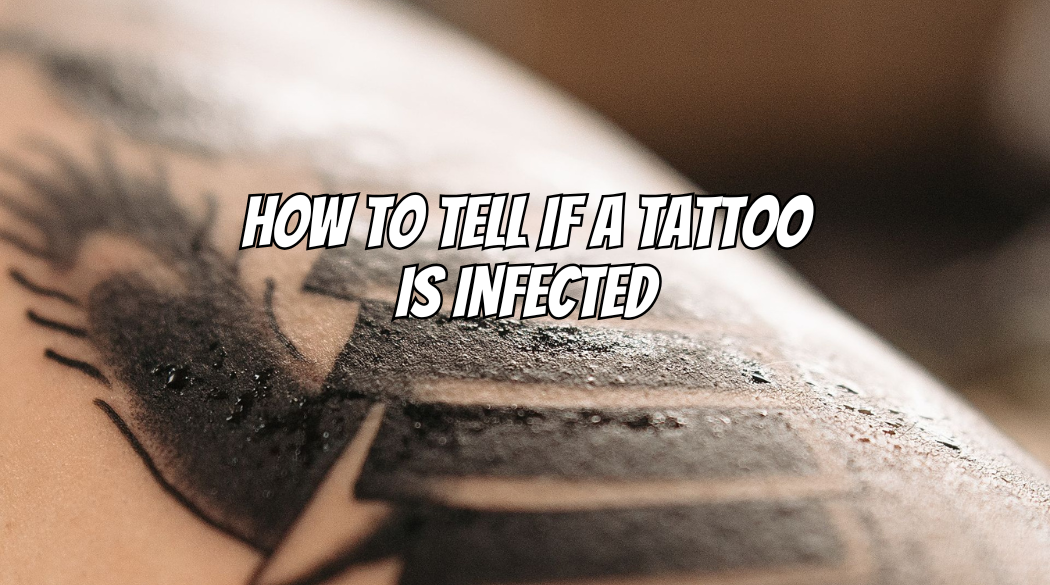
How to Tell If a Tattoo Is Infected
Signs that a tattoo may be infected include redness that spreads or gets worse, increasing swelling or pain, pus, a bad smell, warmth around the area, red streaks, or fever and chills. The key difference from normal healing is direction. Normal healing gets better day by day, while an infection usually gets worse. If you notice these signs, contact a doctor. Only a healthcare provider can diagnose and treat an infection.
This guide explains the warning signs, how to tell them apart from normal healing and how to lower your risk. It’s general information, not medical advice.
Important: If you have a fever, red streaks spreading from the tattoo or rapidly worsening symptoms, seek medical care right away.
Key Takeaways
Warning signs: Spreading redness, worsening swelling or pain, pus, a bad smell, heat, red streaks or fever.
Healing vs. infection: Normal healing improves day by day, while infection tends to get worse.
Timing varies: Some infections show up within days, while others, like certain bacterial infections linked to contaminated ink, can appear later.
See a doctor: Don’t try to diagnose or treat a suspected infection yourself.
Prevention: Choose a clean, reputable tattoo studio and follow your aftercare instructions closely.
What Does It Mean When a Tattoo Is Infected?
A tattoo infection happens when germs, usually bacteria, get into the skin through the wound a tattoo creates and cause your body to react.
Every new tattoo is an open wound. The needle punctures the skin many times to deposit ink, and the skin needs time to repair. If germs get in during the tattoo or while it heals, an infection can develop.
Mayo Clinic notes that a skin infection is possible after getting a tattoo, sometimes because of contaminated ink or equipment that isn’t sterilized correctly. Most infections are preventable with clean practices and good aftercare.
What Are the Signs a Tattoo Is Infected?
The most common warning signs are redness that spreads, worsening swelling, warmth, pus, a bad smell, red streaks, and fever or chills.
Watch for:
Spreading redness: Redness that grows larger instead of fading after a few days.
Worsening swelling or pain: Puffiness or soreness that increases instead of calming down.
Pus or thick discharge: Yellow or green fluid, rather than the thin, clear fluid of early healing.
Heat: The area feels noticeably hot.
A bad smell coming from the tattoo.
Red streaks spreading outward from the tattoo.
Fever or chills: Whole-body symptoms that need prompt medical attention.
Persistent bumps or rash: Red bumps or nodules within the tattoo that don’t go away.
That last sign matters because not every infection shows up right away. In a 2011 to 2012 investigation, the CDC found that infections linked to contaminated tattoo ink can range from mild inflammation (e.g., rash, papules, or nodules) to severe abscesses requiring extensive and multiple surgical debridements. In one New York case, a persistent rash began about a week after the tattoo. cdc
Some symptoms, like an itchy rash, can also come from an allergic reaction rather than an infection. Mayo Clinic notes that tattoo ink can cause allergic skin reactions, sometimes years later. A doctor can tell the difference.
Warning: Red streaks spreading from the tattoo, especially with fever, can signal a serious infection. Seek medical care right away.

How Do You Tell Normal Healing From an Infection?
Normal healing usually involves mild redness, tenderness, swelling and some clear fluid in the first few days, all of which improve over time. Possible infection signs tend to get worse instead.
In the first two to three days, some discomfort is expected. Mild redness, light swelling and thin, clear or slightly cloudy fluid are common. Over the next week or two, flaking and itching are typical as the skin repairs itself. Mayo Clinic notes that most tattoos take about two weeks to heal.
A simple rule: healing trends better each day. If your tattoo looked calmer on day two and worse on day five, contact a doctor.
The American Academy of Dermatology also shares tips for caring for tattooed skin as it heals.
How Do You Check a Tattoo for Infection Step by Step?
Wash your hands, look closely in good light, compare it with how it looked the day before, check your temperature and contact a doctor if anything is getting worse.
Step 1: Wash your hands. Avoid adding germs while you check.
Step 2: Look in good light. Note any redness, swelling or discharge.
Step 3: Notice warmth. Check whether the area feels unusually hot compared with the skin around it.
Step 4: Compare with yesterday. A daily photo makes it easy to see whether things are improving or getting worse.
Step 5: Check for discharge and odor. Pus, thick fluid or a bad smell are reasons to call a doctor.
Step 6: Take your temperature. Fever is a reason to seek medical care promptly.
Step 7: Contact a doctor if needed. If symptoms are getting worse, or you have fever or red streaks, call a healthcare provider. Don’t wait it out.
Pro Tip: Take a dated photo each day during the first two weeks. A visual timeline helps you and your doctor see how things have changed.
Why Do Tattoos Get Infected in the First Place?
Tattoo infections are usually linked to contaminated equipment, contaminated ink, unclean surfaces, unwashed hands or problems with aftercare.
Common causes include:
Unsterile needles or equipment: Reused or improperly cleaned tools can spread germs.
Contaminated ink or water: The CDC notes that contamination can occur during manufacturing or when inks are diluted with nonsterile water by tattoo artists. In the New York cluster the CDC investigated, a total of 19 infections were identified, including 14 confirmed with M. chelonae.
Dirty work surfaces: Skipping proper disinfection raises the risk.
Unwashed hands: Germs can be introduced during or after the session.
Aftercare problems: Picking scabs, soaking the tattoo or not keeping it clean can let germs in.
Professional tattoo studios follow the OSHA Bloodborne Pathogens Standard for sterilization and cross-contamination control. The U.S. Food and Drug Administration also advises consumers to ask their Tattoo Artist or tattoo studio about the inks they use.
How Can You Prevent a Tattoo Infection?
Choose a clean, reputable tattoo studio, make sure sterile single-use equipment is used and follow your Tattoo Artist’s aftercare instructions closely.
Before you book, do your homework. A reputable tattoo studio should open fresh needles in front of you, change gloves as needed and keep a clean, organized station. If anything feels off, it’s fine to walk away.
After your session:
Keep it covered for as long as your Tattoo Artist advises.
Wash gently with clean hands and a mild, fragrance-free soap.
Moisturize lightly with the product your Tattoo Artist recommends.
Don’t pick or scratch scabs or flaking skin.
Avoid soaking in pools, hot tubs, baths or open water while it heals.
Curious about the equipment that keeps clients safe? Read about the tools every beginner Tattoo Artist should know.
Why Does the Tattoo Artist’s Training Matter So Much?
A well-trained Tattoo Artist lowers infection risk through sterilization, cross-contamination control and safe technique, skills learned through hands-on mentorship.
Anyone can buy a tattoo machine online. Running a clean, safe station takes training and accountability. That knowledge is passed down in working tattoo studios, under experienced Mentors.
If you’ve ever considered tattooing as a career, safety is where professionalism starts. It’s about protecting the person in your chair. To start off right, read about the mistakes aspiring tattoo apprentices should avoid.
Get Serious About Clean, Safe Tattooing With Ink Different
For 15 years, Ink Different Tattoos has trained aspiring Tattoo Artists to work safely and professionally through in-person mentorship. It’s a college alternative for people who want a hands-on career.
What You Can Expect From Our Traditional Tattoo Apprenticeship
The Traditional Tattoo Apprenticeship runs 18 to 24 months across four phases, with in-person training at one of 60+ tattoo studios nationwide. No prior art experience is required. Training covers safety fundamentals that help keep clients healthy, from sterilization to aftercare. Interest-free payment plans help make training more accessible.
A Career That Comes With Confidence
You’ll finish with job-ready skills, licensing support and a guaranteed job offer at one of Ink Different’s own tattoo studios. Tattooing is a hands-on craft that’s hard to automate, which we explain in why Tattoo Artists are still essential. According to ZipRecruiter, the average Tattoo Artist in the United States earns $106,858 a year as of November 2026.
Mentorship That Pushes Your Brand and Skills Further
Our one-year, in-person Master Mentorship puts you alongside celebrity and award-winning Master Mentors, including Al Fliction, Liz Cook, Kyle Dunbar, Boneface, Jordi Pla and Marcel Oliveira. It’s built for mastering a specific style, growing your career and owning your own business.
Making Tattoo Training Accessible for Everyone
We offer Spanish-speaking locations in Denver, Orange County, NYC, Miami, San Antonio and San Diego.
Ready to Become a Tattoo Artist?
Knowing the signs of a tattoo infection is a reminder that great tattooing is built on safety, skill and care for people. If that appeals to you, there’s a clear path into the craft. Each Mentor takes just two tattoo apprentices per tattoo studio, so seats fill up quickly.
Ready to become a Tattoo Artist? Apply now to Ink Different’s Traditional Tattoo Apprenticeship and start building an AI-proof career with licensing support along the way.
Frequently Asked Questions
How soon can a tattoo get infected?
Some infections show signs within a few days, while others can appear later. The CDC has documented tattoo-linked infections from contaminated ink that showed up as a persistent rash about a week after the tattoo.
What does an infected tattoo look like?
Possible signs include spreading or worsening redness, swelling, pus, warmth, red streaks and a bad smell. Only a doctor can diagnose an infection.
When should I see a doctor about a tattoo?
See a doctor if you have a fever, red streaks, pus or a bad smell, or if symptoms get worse instead of better. Seek care right away for fever with spreading redness.
Can an infected tattoo heal on its own?
Don’t wait to find out. If you think your tattoo may be infected, contact a healthcare provider, since infections can get worse without proper treatment.
Could it be an allergic reaction instead of an infection?
Possibly. Tattoo ink can cause allergic reactions, sometimes long after the tattoo. A doctor can tell the difference and recommend the right care.
How can I lower my risk of a tattoo infection?
Choose a clean, reputable tattoo studio, make sure sterile single-use equipment is used, ask about the inks they use and follow your aftercare instructions closely.
Related reading: Why spring is the best time to become a tattoo artist, platforms to help tattoo artists build their brand, career change with a tattoo apprenticeship, and start your tattoo apprenticeship this spring.