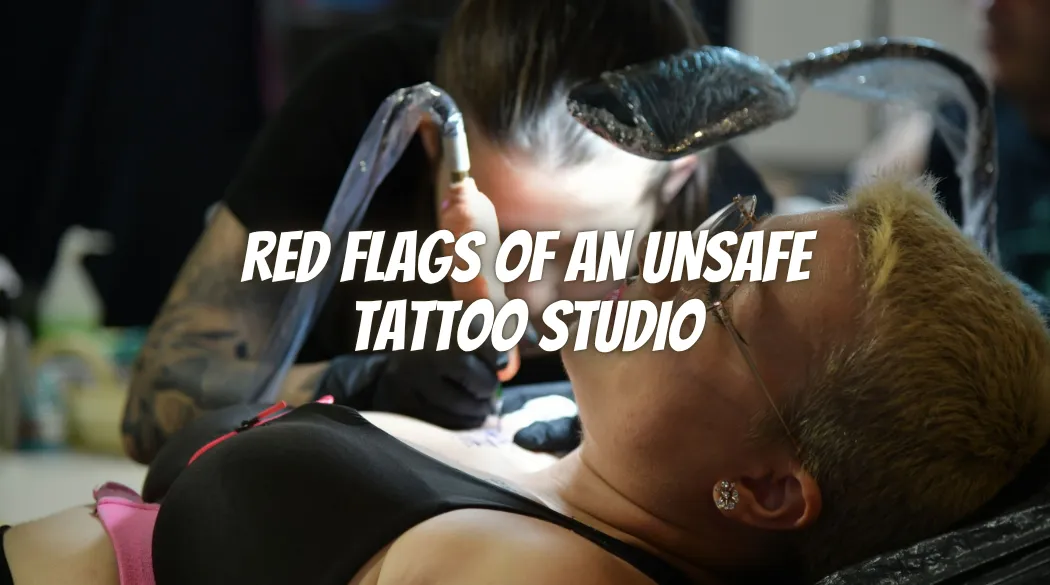
Red Flags of an Unsafe Tattoo Studio
You walk into a tattoo studio, ink still buzzing in the air, and something feels off. The floor is sticky. The Tattoo Artist skips washing their hands. There is no license anywhere on the wall. That gut feeling you are ignoring is trying to protect you.
Whether you are getting tattooed or dreaming of a career behind the machine, learning to read these warning signs matters. Red flags of an unsafe tattoo studio are any signs, practices, or conditions that point to poor hygiene, missing credentials, or a disregard for client health and legal safety standards.
Spotting them early protects your skin, your money, and your future in this craft.
Key Takeaways
Top warning sign: No visible license, expired certifications, or a Tattoo Artist refusing to show credentials.
Hygiene rule: Fresh gloves, single-use needles, sealed sterile packaging, and an autoclave are non-negotiable.
Legal standard: Tattoo studios must follow the OSHA bloodborne pathogen standard to protect clients and staff.
Career insight: Learning proper safety inside a real studio separates professionals from amateurs.
Your path: Ink Different Tattoos teaches safety, licensing prep, and job-ready skills through hands-on mentorship.
What Makes a Tattoo Studio Unsafe?
A tattoo studio is unsafe when it fails to follow basic sanitation, sterilization, and licensing standards. This puts both clients and Tattoo Artists at risk of infection or disease. Safety is not decoration on a wall. It is a daily discipline.
The tattoo world runs on trust. When you sit in that chair, you hand over your skin and your health to someone with a needle. A safe tattoo studio treats that trust seriously, every time. An unsafe one treats it like an afterthought.
Unsafe practices can lead to infections, allergic reactions, and bloodborne diseases like hepatitis. The American Academy of Dermatology tattoo care guidelines emphasize that proper studio conditions and aftercare are essential to avoid complications. For aspiring artists, understanding this is step one toward building a professional, respected career.

What Are the Biggest Hygiene Red Flags?
The biggest hygiene red flags include reused needles, dirty surfaces, no gloves, missing sharps containers, and no autoclave for sterilizing equipment. Cleanliness tells you everything about a tattoo studio's standards.
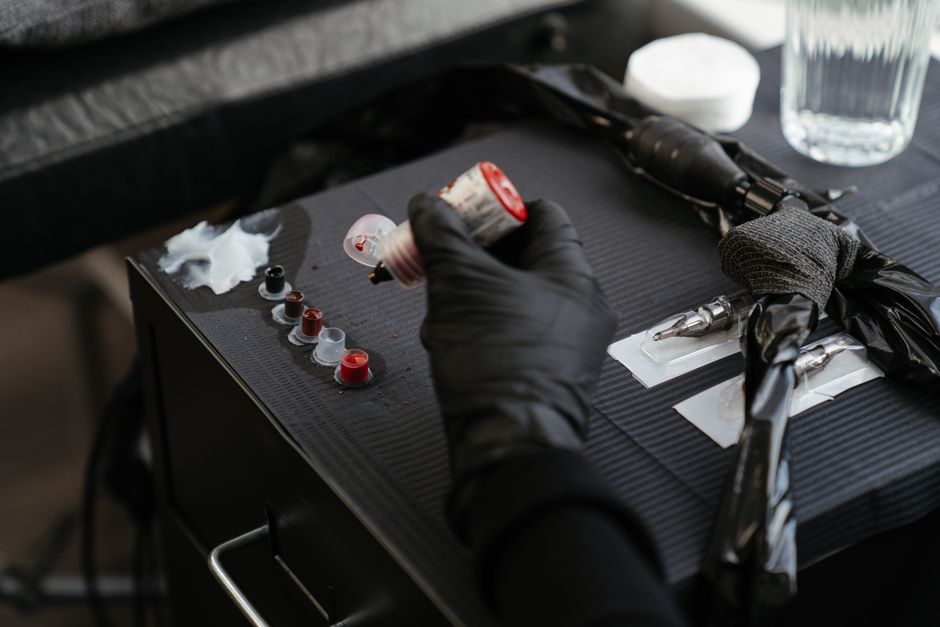
Watch how the Tattoo Artist prepares. Do they open fresh, sealed needle packages in front of you? Do they wear new gloves and change them when they touch other surfaces? These small moments reveal whether a tattoo studio respects the craft.
Here are the hygiene warning signs you should never ignore:
No gloves: A professional Tattoo Artist always wears fresh disposable gloves during setup and the tattoo.
Reused needles: Every needle must be single-use and opened from sealed packaging in front of you.
No autoclave: Reusable tools must be sterilized in an autoclave, not just wiped down.
Dirty surfaces: Sticky floors, cluttered stations, and unwrapped equipment signal neglect.
No sharps container: Used needles should go into a designated, sealed disposal container.
These standards align with OSHA bloodborne pathogen standards, which every legitimate tattoo studio must follow. If you're serious about this career, avoiding these missteps is part of the foundation. Our guide on mistakes aspiring tattoo apprentices should avoid digs deeper into building good habits early.
How Can You Spot Licensing and Certification Problems?
You can spot licensing problems when a tattoo studio has no visible permit, refuses to show Tattoo Artist certifications, or clearly skips legal requirements in its state. Paper matters as much as talent.
Most states require both the tattoo studio and the individual Tattoo Artist to hold a license. A legitimate shop displays its permits proudly, usually near the front desk. If you ask about credentials and get a shrug or a story, that is your answer.
Licensing requirements vary by state, and knowing them protects you.
Pro Tip:Always ask to see the tattoo studio's health department permit and the Tattoo Artist's bloodborne pathogen certification. A professional will happily show you.
What Equipment Red Flags Should You Watch For?
Equipment red flags include cheap, unbranded machines, unsealed ink caps, refilled ink bottles, and uncovered tools during the tattoo. Good tools reflect good intentions.
A trained eye notices details. Professional tattoo machines, single-use ink caps, and barrier-wrapped clip cords are standard, not extras. When you see ink poured back into a shared bottle or equipment left uncovered, walk away.
If you're just starting to learn the trade, understanding gear is part of the journey. Our guide on tools every beginner Tattoo Artist should know will help you recognize quality equipment from the moment you step into any studio.
The tools do not make the Tattoo Artist, but how a Tattoo Artist treats their tools tells you who they really are. Sloppy equipment habits are almost always a sign of sloppy safety habits.
Why Does the Studio's Culture Matter for Safety?
A tattoo studio's culture matters because a rushed, dismissive, or ego-driven environment often cuts corners on safety. A respectful, mentorship-minded shop protects both clients and standards.
Pay attention to how people treat each other. Are Tattoo Artists pressuring clients into bigger designs? Do they mock questions about hygiene? Is there no mentorship happening for newer Tattoo Artists? These are quiet red flags that predict bigger problems.
The best tattoo studios feel like a family. They share knowledge, hold each other accountable, and treat safety as a point of pride. That "Good Humans" culture is exactly what we cultivate at Ink Different Tattoos, because great Tattoo Artists are grown in great environments.
How Do You Inspect a Studio Before Committing?
To inspect a tattoo studio, verify licensing, observe hygiene practices, check equipment, ask questions, and trust your instincts before you sit in the chair. A five-minute check can save you months of regret.
Whether you are a client or an aspiring apprentice touring shops, follow these steps:
Step One: Check the license. Look for the health department permit and the Tattoo Artist's certifications displayed openly.
Step Two: Watch the setup. Confirm fresh gloves, sealed needles, single-use ink caps, and barrier-wrapped equipment.
Step Three: Scan for cleanliness. Floors, surfaces, and stations should be spotless, with a visible sharps container.
Step Four: Ask direct questions. A professional Tattoo Artist welcomes questions about sterilization, autoclaves, and aftercare.
Step Five: Trust your gut. If something feels wrong, it probably is. Leave and find a tattoo studio that earns your trust.
If you are weighing a career change and touring tattoo studios to learn the trade, that same checklist becomes your professional radar. Our post on a career change tattoo apprenticeship can help you decide if this path is right for you.
How Ink Different Tattoos Trains You to Do It Right
Ink Different Tattoos trains you to recognize and practice professional safety standards from day one. You get a real path to an AI-proof career with hands-on mentorship and licensing support.
Everything above is exactly what separates amateurs from professionals. It cannot be learned from a video. It has to be lived, practiced, and mentored inside a real tattoo studio. We have spent over fifteen years training professional Tattoo Artists across the country. Founded in 2011, Ink Different offers a nationwide Traditional Tattoo Apprenticeship as a college alternative.
Here is what that looks like in practice:
Traditional Tattoo Apprenticeship: Runs eighteen to twenty-four months through a proven Four-Phase structure, with in-studio training and a guaranteed job offer.
Beginner-friendly: No prior art experience needed. We build your foundation from the ground up.
Hands-on training: Learn sanitation, machine handling, and technique under live, in-person mentorship.
Job-ready skills: Graduate prepared to work professionally, with licensing support along the way.
An AI-proof career: Tattooing is a human craft that machines cannot replace.
Master Mentorship: A one-year, in-person track with Master Mentors like Al Fliction, Liz Cook, and Kyle Dunbar. Built for beginners and experienced Tattoo Artists chasing a specific style or studio ownership.
Spanish-speaking locations: Available in Miami, Brooklyn, Denver, Orange County, Naples, Oklahoma City, and San Diego.
Ready to Become a Tattoo Artist?
You have learned to read the red flags of an unsafe tattoo studio. Now picture being the Tattoo Artist who sets the standard, the one clients trust with their skin.
Openings in our Traditional Tattoo Apprenticeship are limited, and the best time to start is now.
Ready to become a Tattoo Artist? Apply now to Ink Different's Traditional Tattoo Apprenticeship and start building an AI-proof career with licensing support along the way. Or fill out our quick questionnaire to get personalized support and find out if our Traditional Tattoo Apprenticeship is right for you.
Frequently Asked Questions
What is the number one red flag of an unsafe tattoo studio?
The number one red flag is reused or unpackaged needles. Every needle must be single-use and opened from sealed sterile packaging directly in front of you.
Do I need experience to start a tattoo apprenticeship?
No. Ink Different's Traditional Tattoo Apprenticeship is built for beginners. We teach drawing, sanitation, and technique from day one, no prior art experience required.
How long does the Traditional Tattoo Apprenticeship take?
The Traditional Tattoo Apprenticeship takes 18 to 24 months through a 4-Phase structure, with hands-on, in-person mentorship inside professional tattoo studios.
What makes Ink Different Tattoos different from a tattoo school?
Ink Different is a college alternative offering live, in-person mentorship with award-winning Tattoo Artists, a supportive "Good Humans" culture, and over 15 years of training professional Tattoo Artists.
Is tattooing a safe career choice with AI on the rise?
Yes. Tattooing is an AI-proof, deeply human craft that machines cannot replicate. Skilled Tattoo Artists remain essential, making it a smart, future-focused career path.
How do I verify a studio is legally licensed near me?
Ask to see the tattoo studio's health department permit and the Tattoo Artist's bloodborne pathogen certification. Requirements vary by state, so check your local health department.