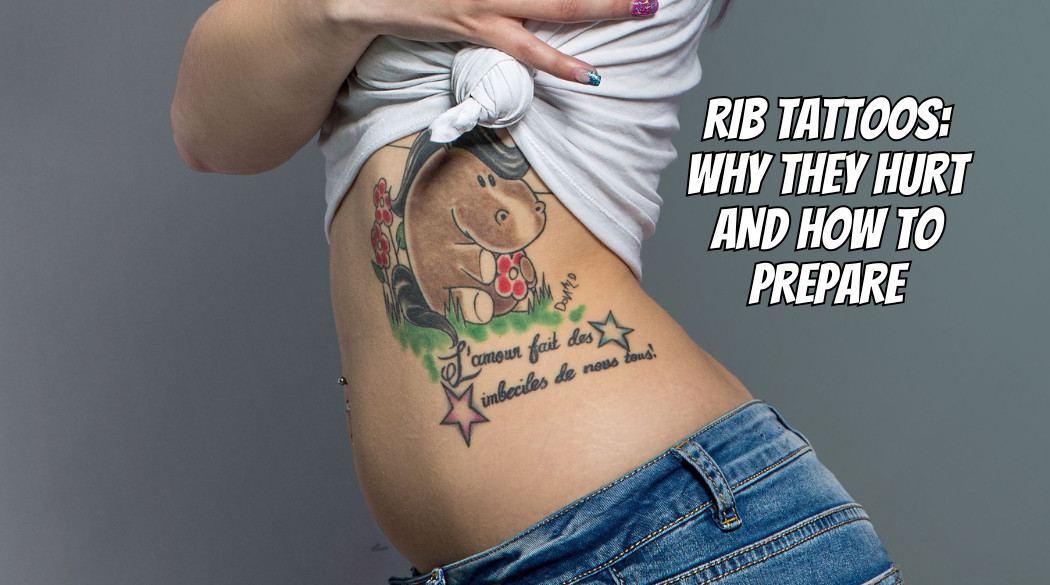
Rib Tattoos: Why They Hurt and How to Prepare
Rib tattoos are known as one of the more painful placements. The skin over the rib cage is thin, with little fat to cushion the bone, and the area moves every time you breathe. With good preparation, steady breathing and an experienced Tattoo Artist, though, most people get through a rib session just fine. Rib tattoos also age well, since the area is usually covered and protected from the sun.
This guide is part of our tattoo placement series. It covers why rib tattoos hurt, how to prepare, what healing looks like and design ideas that suit the ribs.
Key Takeaways
Pain: Usually high, especially over bone and near the sternum and armpit.
Why it hurts: Thin skin, little padding and constant movement from breathing.
Preparation helps: Rest, food, hydration and loose clothing can make a real difference.
Healing: About two weeks on the surface for most tattoos. Rib tattoos can feel sore longer because the area moves so much.
Aging: Rib tattoos are usually covered, which helps protect them from sun fading.
Why Do Rib Tattoos Hurt So Much?
Rib tattoos hurt because the skin is thin, there’s little fat or muscle to cushion the bone and the area moves with every breath.
On fleshier areas, fat and muscle help soften the sensation. Over the ribs, there’s very little padding, so the needle is felt more directly. Your rib cage also rises and falls as you breathe, so the area never stays completely still.
Pain is personal. Sleep, stress, hydration and even your mood on the day can all affect how a rib session feels.

What Does a Rib Tattoo Feel Like During the Session?
Many people describe a sharp, hot or scratchy feeling, which can feel stronger over bone and near the sternum.
Shading and color packing often feel more intense than linework, and discomfort can build during longer sessions. Some people find the sensation becomes easier to tolerate once they settle into a steady rhythm of breathing and rest.
Breathing matters. Holding your breath or breathing in short, tense bursts can make the sensation feel worse. Slow, steady breaths help your body stay more relaxed.
How Do You Prepare for a Rib Tattoo?
Rest well, eat beforehand, stay hydrated, wear loose clothing and talk with your Tattoo Artist about breaks.
Get a good night’s sleep. Being well-rested can make discomfort easier to handle.
Eat a solid meal. Low blood sugar can leave you lightheaded during a long session.
Stay hydrated. Drink water in the days leading up to your appointment.
Skip alcohol beforehand. Many Tattoo Artists recommend avoiding alcohol before a session, since it can affect bleeding.
Ask about medications. If you take medication that affects bleeding, talk to your doctor before your appointment. Don’t stop any prescribed medication on your own.
Dress for access. Wear loose, comfortable clothing that makes the ribs easy to reach and won’t rub afterward.
Bring distractions and snacks. Headphones and a small snack can help during longer sessions.
Plan breaks with your Tattoo Artist. Let them know if you’d like short breaks. A good Tattoo Artist will build them into the session.
It’s also a good idea to ask about the inks your Tattoo Artist uses. The U.S. Food and Drug Administration advises consumers to ask their Tattoo Artist or tattoo studio about the inks they use.
How Can You Manage the Pain During Your Session?
Breathe steadily, take breaks when you need them, stay distracted and communicate with your Tattoo Artist.
Slow, controlled breathing is your best tool. When the sensation spikes, try to keep breathing rather than holding your breath. Short breaks to stretch, sip water and reset can make the rest of the session easier.
If you’re considering a numbing cream, talk to your Tattoo Artist first, and check with a healthcare provider about whether a product is safe for you.

How Long Do Rib Tattoos Take to Heal?
Most tattoos take about two weeks to heal on the surface, according to Mayo Clinic. Rib tattoos may feel tender longer, because the area moves constantly and clothing often rests against it.
Deeper healing takes longer. According to Healthline, the skin below a tattoo can take as long as six months to fully heal.
To help your rib tattoo heal well:
Wash gently: Use lukewarm water and a mild, fragrance-free soap, then pat dry.
Moisturize lightly: The American Academy of Dermatology suggests a water-based lotion when tattooed skin feels dry.
Avoid tight clothing: Skip tight waistbands, bras or straps that press on the tattoo.
Avoid soaking: Skip baths, pools and hot tubs until it’s healed. The CDC advises people with new tattoos to stay out of saltwater and brackish water if possible.
Don’t pick or scratch: Let flakes fall off naturally.
If you notice spreading redness, increasing pain or swelling, pus or fever, contact a healthcare provider. Mayo Clinic notes that skin infections are possible after tattooing.
How Do Rib Tattoos Age Over Time?
Rib tattoos often age well, because the area is usually covered by clothing and gets less sun than places like the hands or forearms. The AAD notes that UV light can fade some tattoo inks, so that protection helps. Use sunscreen whenever your rib tattoo will be in the sun.
Like any area, the skin on your sides can change with weight changes, pregnancy or muscle gain, which may affect how a design looks over time. Bold lines and good saturation help designs stay readable.
What Are the Best Rib Tattoo Design Ideas?
The ribs offer a long, curved space that suits designs following the body’s natural lines.
Script and quotes: Lettering running along the ribs is a popular choice.
Florals and vines: These can follow the curve of the rib cage gracefully.
Animals and nature scenes: Snakes, birds and koi can flow along the side of the torso.
Larger side pieces: The ribs can anchor a bigger design that extends toward the hip or back.
Fine-line and ornamental work: Delicate designs can work well here, sized properly.
Talk with your Tattoo Artist about how a design will sit when you move and breathe.
Why Does Your Tattoo Artist Matter So Much for Rib Work?
An experienced Tattoo Artist can work efficiently on moving skin, which keeps lines clean and can shorten your time in the chair.
Skilled Tattoo Artists know how to stretch and position the skin, pace the session and read your comfort level. They’ll also follow strict hygiene practices, like the OSHA Bloodborne Pathogens Standard.
When choosing a Tattoo Artist for rib work, look for healed rib and side tattoos in their portfolio.

Curious About Tattooing as a Career?
If learning about challenging placements like ribs has you thinking about tattooing professionally, Ink Different’s Traditional Tattoo Apprenticeship builds the skills step by step, from drawing fundamentals to tattooing real skin under supervision.
For 15 years, Ink Different has trained aspiring Tattoo Artists as a college alternative. The Traditional Tattoo Apprenticeship runs 18 to 24 months across four phases, with in-person training at one of 60+ tattoo studios nationwide. No prior art experience is needed.
Phase 1, Art and Design Principles: Drawing, shading, digital design and building a portfolio.
Phase 2, Machine Mastery and Practice Tattooing: Hand-control exercises, machine operation, lining, shading and color packing.
Phase 3, Supervised Tattoos: Tattooing real skin under a Mentor’s direct supervision.
Phase 4, Junior Artist Externship: Building client relationships and refining your skills while you start earning.
You’ll finish with job-ready skills, licensing support and a guaranteed job offer at one of Ink Different’s own tattoo studios. Interest-free payment plans help make training more accessible.
For Tattoo Artists who want to go further, the one-year, in-person Master Mentorship offers training with celebrity and award-winning Master Mentors, including Al Fliction, Liz Cook, Kyle Dunbar, Boneface, Jordi Pla and Marcel Oliveira.
We also offer Spanish-speaking locations in Denver, Orange County, NYC, Miami, San Antonio and San Diego, and our “Good Humans” culture means you join a supportive, family-like community. Each Mentor takes just two tattoo apprentices per tattoo studio, so seats fill up quickly.
Ready to learn? Apply now to Ink Different’s Traditional Tattoo Apprenticeship, or fill out our quick questionnaire to see if it’s right for you.
Frequently Asked Questions
How painful is a rib tattoo?
Rib tattoos are usually among the more painful placements because of thin skin, little padding over bone and movement from breathing.
How should I prepare for a rib tattoo?
Sleep well, eat a solid meal, stay hydrated, skip alcohol beforehand, wear loose clothing and plan breaks with your Tattoo Artist.
Can I take a painkiller before a rib tattoo?
Talk to your doctor before taking anything, especially medications that can affect bleeding.
How long does a rib tattoo take to heal?
The surface usually heals in a couple of weeks, though rib tattoos may feel tender longer because the area moves so much. Deeper healing takes longer.
What should I wear after a rib tattoo?
Loose, soft clothing that doesn’t press on the area. Avoid tight waistbands, bras or straps while it heals.
Do rib tattoos fade?
Rib tattoos often hold up well because they’re usually covered. Using sunscreen when the area is exposed helps keep them bold.
Related reading: career change tattoo apprenticeship, platforms to help tattoo artists build their brand, and why spring is the best time to become a tattoo artist.