South Korea Legalises Tattooing by Non-Medical Professionals
South Korea Legalises Tattooing by Non-Medical Professionals
In This Article
What are the requirements to become a tattoo artist in South Korea?
How can you start your tattoo career after this legal shift?
A tattoo apprenticeship is the structured, hands-on path that transforms raw passion into a licensed, professional career. South Korea's recent decision to legalize tattooing by non-medical professionals is a global green light for creativity, signaling that your time is now. This new legal landscape is your invitation to step into the light and build a career that reflects your artistic soul.
Key Takeaways
Legal Shift:South Korea has legalized tattooing by non-medical professionals, ending a 33-year ban.
Global Impact:This law change signals a worldwide trend toward recognizing tattooing as a legitimate art form.
Your Path:A structured tattoo apprenticeship is the safest, most effective way to build a professional career.
Guaranteed Outcome:Ink Different’s Traditional Apprenticeship offers a guaranteed job offer upon completion.
Your Next Step:The momentum is building globally; now is the time to act and start your training.
What does South Korea's tattoo law change mean for the global industry?
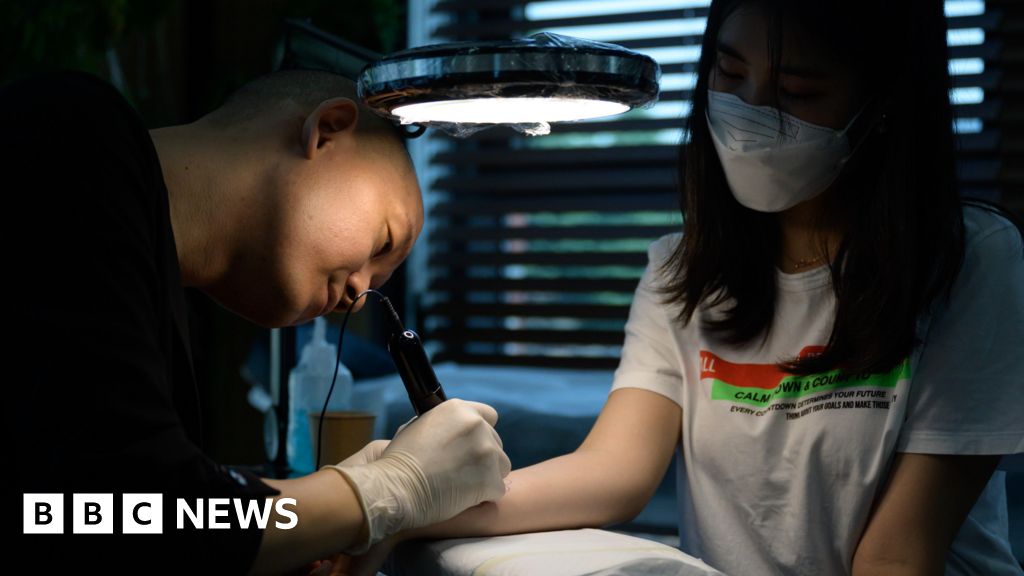
South Korea's new law effectively decriminalizes tattooing by non-medical professionals, recognizing it as a protected form of artistic expression.This is a monumental shift that breaks a 33-year-old legal barrier and sets a powerful precedent for artists worldwide.
Imagine a seed that has been dormant for decades, finally pushing through the soil toward the sun. That’s what this law represents for the tattoo community. For years, South Korean artists operated in a legal gray area, facing fines and shutdowns despite their skill and dedication. Now, the path is clear, not just for them, but for every artist who has ever been told their passion wasn't a "real" career.
This change isn't just about one country; it’s a global signal. It tells you that the world is finally catching up to the reality that tattooing is a skilled trade, a respected art form, and a viable profession. As you consider your own journey, remember that a strong foundation is everything. Learning from mistakes aspiring tattoo apprentices should avoidis the first step toward building a lasting career, and our tattoo apprenticeships as a college alternativep rovide the structure you need.

Why did South Korea ban non-medical tattooing for so long?
The ban originated from a 1992 Supreme Court ruling that classified tattooing as a "medical procedure," restricting it to licensed doctors.This was rooted in a historical view of tattoos as potentially unhygienic and associated with criminal gangs, rather than as art.
You might wonder how such a creative field could be stifled for so long. The law was a relic of a different time, failing to recognize the evolution of hygiene standards, artistic technique, and cultural acceptance. It created a system where artists were forced to work illegally, depriving them of legal protections, business opportunities, and the recognition they deserved.
This historical context is crucial because it shows that legal barriers can and do fall. Your dream career is not held back by permanent obstacles; it's held back by temporary ones. The key is to be ready with the right skills when the door opens. Just as the industry evolves, so must your training, focusing on modern techniques and safety standards that meet today's global benchmarks, including understandingOSHA bloodborne pathogen standards.
How does the new law impact tattoo artists and clients?
The new law allows artists to operate legitimate businesses, obtain certifications, and work without fear of prosecution, while clients gain access to a safer, more regulated market.This creates a ripple effect of professionalism and trust.
For artists, this is liberation. It means you can build a brand, pay taxes, rent a studio, and market your services openly. It means your hard-earned skills are finally validated by the law. For clients, it means accountability. A licensed artist is accountable to health and safety standards, providing a layer of protection that didn't exist before.
This shift mirrors the journey of an apprentice. You start in a structured environment, learn the rules, and graduate into a professional who operates with confidence and integrity. The law now provides the framework; your training provides the skill. This is where you build your foundation, perhaps usingplatforms to help tattoo artists build their brandfrom day one.
Pro Tip:Always prioritize safety and hygiene in your practice. Following established guidelines, like those from theAmerican Academy of Dermatology tattoo care guidelines, is non-negotiable for a professional career.
What are the requirements to become a tattoo artist in South Korea now?
While specific South Korean licensing details are still being finalized, the universal path to professionalism is a structured apprenticeship under a licensed mentor.This is the proven model for mastering the craft safely and effectively.
The law opens the door, but it doesn't hand you the keys. You still need to learn the craft, master the machine, understand skin, and build a portfolio. In South Korea and everywhere else, the most respected path is apprenticeship. It’s the difference between guessing and knowing, between imitation and mastery.
Your journey should be built on a step-by-step process. Think of it as planting a tree: you need strong roots before you can expect to bear fruit. Here’s how that growth typically happens:
Step 1: Foundational Drawing and Design
Before you ever touch a machine, you learn to draw. This phase is about building your artistic vocabulary, understanding composition, and developing a style. It’s the bedrock of everything that follows.
Step 2: Machine Mechanics and Hygiene
Next, you learn the tools of the trade. This includes understanding tattoo machines, needles, inks, and the critical importance of sanitation and cross-contamination prevention. Safety is your first artistic responsibility.
Step 3: Practice on Synthetic Skin
With fundamentals in place, you begin practicing on synthetic skin. This is where you translate your drawing skills into linework, shading, and color packing, all in a low-pressure, controlled environment.
Step 4: Supervised Live Tattooing
Finally, under the direct watch of your mentor, you begin tattooing real human skin. Starting with simple designs on volunteers, you gradually build confidence and skill, receiving real-time feedback and correction.
This structured progression is exactly what we build into our Traditional Apprenticeship. It’s acollege alternativethat respects your time and investment, guiding you from zero experience to a licensed professional.
How can you start your tattoo career after this legal shift?
The best way to start your tattoo career is to enroll in a structured apprenticeship program that guarantees a job offer upon completion.This provides a clear, supported path from beginner to professional.
The momentum is building globally. As South Korea legalizes, other countries and states are sure to follow suit, increasing demand for skilled, professional artists. This is your FOMO moment—don’t let another year go by watching from the sidelines while others build the careers you dream of.
Here is your actionable plan to seize this moment:
Research Reputable Programs: zLook for programs with a proven track record, like Ink Different’s 14-year history of training artists.
Apply to an Apprenticeship: Submit your application to a program that matches your goals. The best programs have limited seats, so act fast.
Commit to the Process: Embrace the journey. It’s demanding, but every day of training is a step toward a life you design.
Build Your Brand Early: Start thinking about your artistic identity. Use platforms to help tattoo artists build their brand even as you learn.
Prepare for Your Guaranteed Job: Know that your hard work leads to a concrete offer, turning your training into a thriving career.
Why is Ink Different your guide in this new era of tattooing?
Ink Different Tattoos is your wise guide, offering a proven, college-alternative apprenticeship that turns aspiring artists into licensed professionals with a guaranteed job.We’ve been planting seeds and nurturing talent for over a decade.
You are the hero of this story, but every hero needs a guide. While the legal landscape shifts, the path to mastery remains constant. It requires dedication, the right mentorship, and a program that sees your potential and invests in it. That’s where we come in. We are the experienced hand on your shoulder, the map when the path gets confusing.
Our Traditional Apprenticeship is designed for you—the beginner with no experience, the career-changer hungry for a creative outlet, the artist ready to commit. It’s an 18-24 month journey that starts remote and finishes in our studios, culminating in a guaranteed job offer and your state license. This isn’t just training; it’s a career launch.
What You Can Expect from Our Traditional Tattoo Apprenticeship
This is a 4-phase program built on personalized, hands-on training. You’ll learn from licensed professionals in a real studio environment, progressing from fundamentals to a full client roster. It’s the structured foundation you need to build a lasting career.
Our Promise:A Career That Comes With Confidence. Upon completing all four phases, you receive a guaranteed job offer at one of our studios. This is the offer you cannot refuse.
Mentorship That Pushes Your Brand and Skills Further
For those ready to explode their career, ourMaster Mentorshipprogram offers one year of intensive, in-person training with award-winning mentors like Al Fliction, Liz Cook, and Kyle Dunbar. It’s for artists who want to master a specific style and build a brand that stands out.
Making Tattoo Training Accessible for Everyone
We believe geography shouldn’t limit your dreams. That’s why we offer Spanish-speaking training in key locations:Denver, Orange County, Brooklyn/NYC, Miami-Fort Lauderdale, Naples, Oklahoma City, San Antonio, and San Diego.Wherever you are, we have a seat waiting for you.
Limited Time Offer:Secure your seat for our next cohort. With only 2 seats available per month per location, programs fill up fast. Don’t let another year pass you by.
Frequently Asked Questions
What does South Korea's tattoo law change mean?
South Korea's law decriminalizes tattooing by non-medical professionals, recognizing it as artistic expression and setting a global precedent for the industry.
How long does a tattoo apprenticeship take?
Most tattoo apprenticeships take 18 to 24 months. The exact length depends on the program structure and how quickly an apprentice masters each phase of training.
Do I need prior art experience to become a tattoo artist?
No. Reputable structured programs like Ink Different Tattoos' Traditional Apprenticeship are built for beginners and teach drawing fundamentals from day one.
Is there a guaranteed job after a tattoo apprenticeship?
At Ink Different Tattoos, every graduate of the Traditional Apprenticeship receives a guaranteed job offer at one of our studios upon completing all four phases.
How can South Korea's law change impact my tattoo career?
South Korea's legal shift signals global acceptance of tattooing as a profession, increasing demand for skilled artists and validating your career choice worldwide.
Where can I do a tattoo apprenticeship near me?
Ink Different Tattoos operates studios nationwide, including Spanish-speaking locations in Denver, Miami, Brooklyn, San Diego, Naples, Oklahoma City, San Antonio, and Orange County.
Ready to take the first step?
The legal doors are opening worldwide, but your career starts with a single decision. The path is clear, the demand is growing, and the opportunity has never been greater. You have the passion; now you need the plan.
Ready to become a tattoo artist?Apply to the Traditional Tattoo Apprenticeship and start your path toward a guaranteed job offer at Ink Different Tattoos. Your journey from aspiring artist to licensed professional starts today.