Tattoo Pain Explained: What It Feels Like and How to Handle It
Understanding Tattoo Pain Before You Sit In the Chair
Thinking about getting a tattoo, but wondering how much it’s going to hurt? You’re definitely not the only one. Tattoo pain is a big question mark for a lot of people, and that’s totally normal. The truth is, pain feels different for everyone. Some folks barely notice it, while others find it more intense. Believe it or not, about 10% of people say they didn’t feel any pain at all during their tattoo session. That just goes to show how much our bodies and minds handle pain differently.
What you feel during tattooing depends on a bunch of things, like where you get inked, your personal pain threshold, and even your nervousness. Some spots on the body are more sensitive, and things like bleeding can make the experience a bit more uncomfortable. But here’s the good news: with the right mindset and a bit of preparation, you can manage the pain way better than you might expect.
Ahead, we’ll break down what tattoo pain actually feels like and share some solid tips on how to handle it. Let’s get into it.
What Tattoo Pain Actually Feels Like
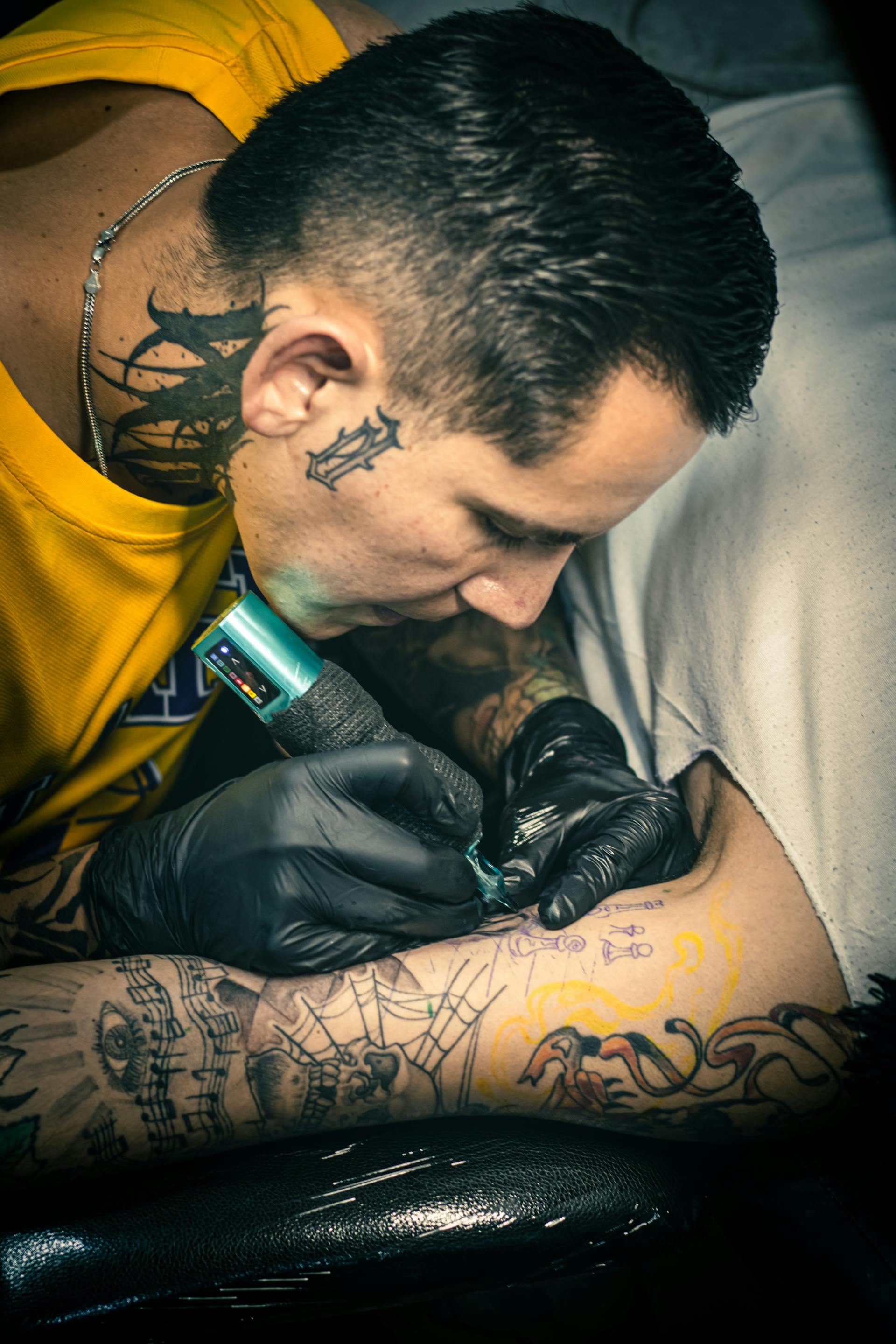
Getting a tattoo often brings up images of sharp needles and intense pain, but the actual feeling varies quite a bit. Most people describe tattoo pain as a mix of sensations, somewhere between scratching, burning, stinging, or even a light vibration on the skin. This happens because the tattoo machine’s needles move rapidly in and out, puncturing the skin to deposit ink. That constant tapping can feel rough, but it’s not usually unbearable.
As the tattoo session goes on, the pain might change. At first, it’s often sharp and noticeable, but after a while, your body starts to get used to it. The discomfort tends to settle into a duller, more manageable irritation. It’s important to remember that feeling some discomfort is totally normal during tattooing. It’s part of the process, but it’s rarely something you can’t handle with the right approach.
If you’re worried about pain, it helps to know that even people with low pain tolerance can get through tattoo sessions. The key is knowing what to expect and how your body reacts.
Why Tattoo Pain Varies From Person to Person
Pain is a deeply personal experience, and tattoo pain is no exception. Everyone’s pain tolerance is different, shaped by genetics, past experiences, and mental state. How rested and relaxed you are going into a session plays a huge role in how much discomfort you’ll feel. If you’re stressed or sleep-deprived, your pain sensitivity might spike.
Your body chemistry and skin sensitivity also affect how pain registers. Some people have naturally more sensitive skin or nerve endings, while others have thicker skin or higher thresholds for pain. This explains why about 10% of people say they didn’t feel any pain at all during their tattoo, while others find it quite uncomfortable.
Hydration and overall health can’t be overlooked either. Being well-hydrated and nourished helps your skin handle the needle better, and mental preparation can make a big difference. Approaching tattoo pain with calm and confidence often lessens the intensity you experience.
Does Tattoo Placement Affect Pain?
Where you choose to get inked makes a huge difference in how much pain you’ll feel. Some areas of the body are notorious for being more painful because they have more nerve endings, less fat, or are closer to the bone. For example, tattoos on the ribs, spine, feet, or elbows tend to hurt more because the skin is thin and sensitive there.
On the flip side, fleshy areas like the upper arms, thighs, or shoulders usually feel less painful. These spots have more padding and fewer nerve endings, which helps dull the sensation. Knowing this can help you mentally prepare for your tattoo session. If you’re new to tattoos and worried about pain, starting with less sensitive areas might be a good way to ease into the experience.
Understanding the pain differences based on placement means you can pick your tattoo spot with confidence. This knowledge helps set realistic expectations and keeps surprises at bay during your session.
How Tattoo Pain Changes During a Session
Tattoo pain isn’t static. It changes as your session progresses. At the start, the pain often feels sharp and very noticeable because your body is reacting to the new sensation. Your nerves are firing, and adrenaline kicks in, which can make the experience feel intense at first.
As time passes, your body begins to adjust. The pain usually becomes more manageable as you get used to the feeling. You might notice it dulls to a steady, less sharp sensation. However, toward the end of the session, sensitivity can increase again. Fatigue sets in, and the skin might become more tender from the prolonged work.
Understanding these phases can help you pace yourself mentally. Knowing that the beginning might be the toughest, with a smoother middle and a sensitive end, allows you to prepare and take breaks when needed.
How to Prepare for Tattoo Pain Before Your Appointment
Being ready before you sit down for your tattoo can make a huge difference in how you handle pain. Preparation is key, and here are some practical tips to get yourself set up for success:
Eat a proper meal beforehand: Having food in your system keeps your blood sugar steady, preventing lightheadedness or dizziness during the session.
Stay hydrated: Drinking plenty of water days before and on the day helps your skin stay healthy and better tolerate the needle.
Get enough sleep: A good night’s rest lowers stress and improves your pain tolerance.
Avoid alcohol and caffeine: These can thin your blood or make you more anxious, which can increase bleeding and sensitivity.
Wear comfortable clothing: Loose clothes make it easier to access the tattoo area and keep you relaxed.
Mental preparation: Approach your session with a calm and positive mindset. Visualize staying relaxed and confident throughout the process.
Following these steps helps your body and mind work together to reduce pain and make the experience smoother.
How to Handle Tattoo Pain During the Session
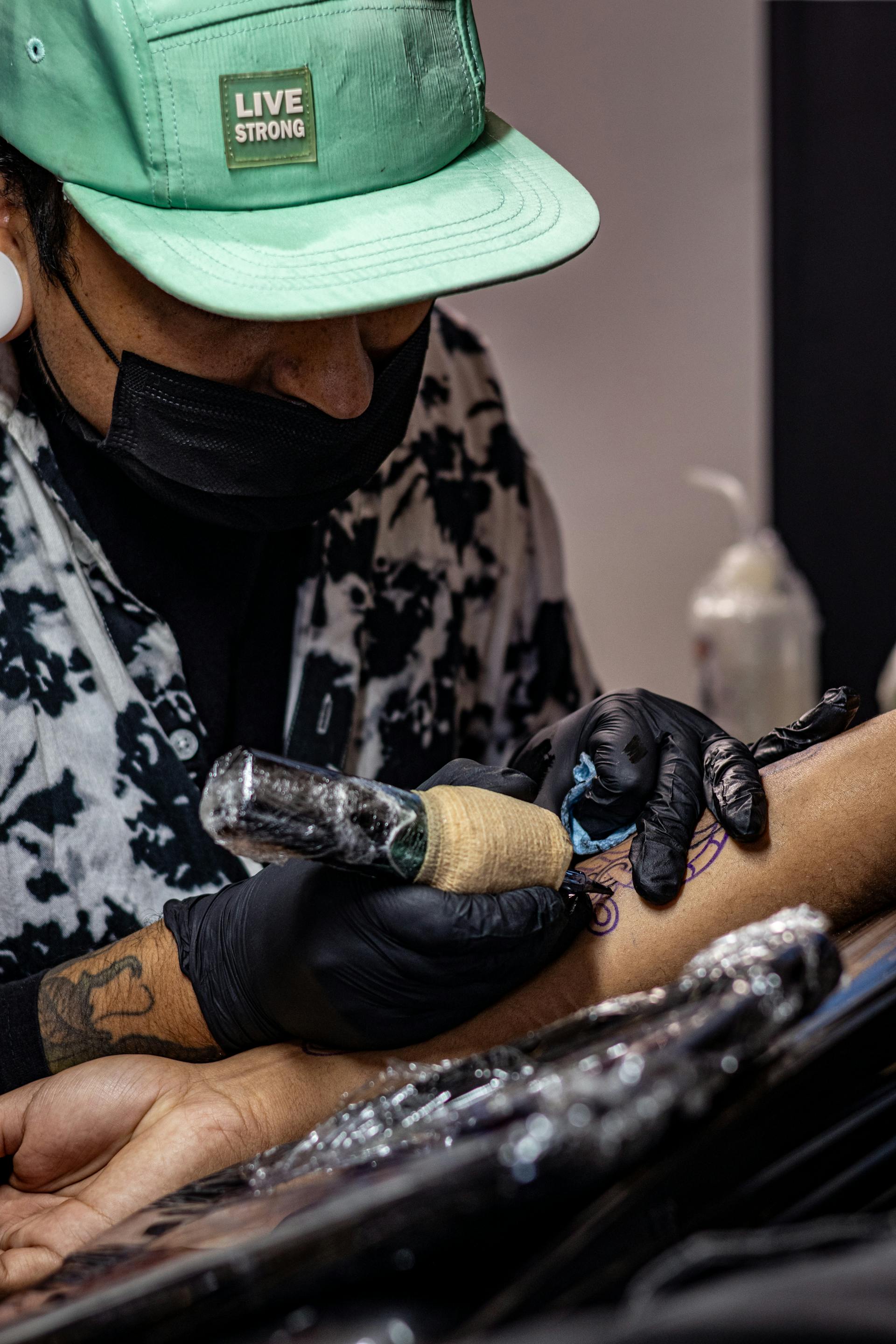
Once you’re in the tattoo chair, having a few strategies up your sleeve can really help manage discomfort. Here’s what works best for many people:
Use breathing techniques: Deep, slow breaths can lower tension and reduce pain perception. Try focusing on your breath to stay calm.
Stay relaxed and still: Tensing up makes pain worse, so consciously relax your muscles and try to stay as still as possible.
Take breaks when needed: Don’t hesitate to ask your Tattoo Artist for short pauses if the pain feels overwhelming.
Talk with your Tattoo Artist: Communication helps. Let them know how you’re feeling. They can adjust their technique or give you tips.
Listen to music or use distractions: Bringing headphones or chatting can take your mind off the pain and make time pass faster.
Using these tactics keeps your focus off the discomfort and helps you get through the session more comfortably.
Tattoo Aftercare and Pain Management
After your tattoo session ends, some soreness is completely normal. Your skin will feel tender and maybe a little swollen or itchy as it starts healing. This sensitivity usually lasts a few days to a week and is part of the natural repair process.
The healing goes through stages, from initial redness and swelling to peeling and fading of irritation. Proper tattoo aftercare is crucial during this time to keep the discomfort minimal and help your tattoo look its best. Basic tips include gently washing the area, applying recommended ointments, and avoiding tight clothing or scratching.
It’s also important to know when pain might signal something else. If you notice severe swelling, intense redness spreading, or sharp pain that worsens instead of improving, it could be an infection or reaction. In those cases, contacting your Tattoo Artist or a healthcare professional is the right move.
Common Myths About Tattoo Pain
There are plenty of myths floating around about tattoo pain that can make it seem scarier than it is. Let’s clear up some of the biggest ones:
“Tattoos are unbearable.” While tattooing can be uncomfortable, most people find the pain manageable with the right mindset and preparation. It’s rarely as intense as folks expect.
“Numbing creams solve everything.” These creams can help, but don’t always work perfectly. Some areas don’t respond well, and they don’t eliminate all sensation.
“Only tough people can handle tattoos.” Pain tolerance varies so much, and getting a tattoo isn’t about toughness. It’s about knowing how to manage your experience.
Understanding these myths helps set realistic expectations and keeps the focus on what really matters: your comfort and confidence.
Why Choosing the Right Tattoo Artist Matters for Comfort
Your Tattoo Artist’s skill and approach can make a huge difference in how much pain you feel. Experienced Tattoo Artists work efficiently and carefully, minimizing unnecessary discomfort during the session. They know how to adjust their technique based on your reactions and when to offer breaks.
A clean, professional tattoo studio also helps reduce stress and anxiety, which can heighten pain perception. Feeling safe and cared for sets the stage for a better experience overall.
Why Ink Different Tattoos is the Go-To Spot for First-Time Tattoo Clients
Getting a tattoo is more than just picking a design and sitting down in a chair. It’s a personal experience that deserves care, skill, and respect. At Ink Different Tattoos, we get that. Here’s why so many people trust us to guide them through their tattoo journey:
Professional Tattoo Artists Who Truly Care: Our Tattoo Artists aren’t just skilled with the needle. They listen, understand your story, and work with you to create something meaningful. Whether it’s your first tattoo or your tenth, you’ll feel supported every step of the way.
Clean, Safe, and Comfortable Tattoo Studio Environment: We follow strict hygiene protocols to keep everything spotless and sterile. You can relax knowing you’re in a space focused on your health and comfort.
Mentorship and Growth at the Core: Ink Different Tattoos isn’t just about tattoos. We’re proud to train the next generation of Tattoo Artists through our Traditional Tattoo Apprenticeship. Every Tattoo Artist here works under experienced Mentors who care about both creating and teaching.
Custom Tattoos Designed Just for You: Forget cookie-cutter designs. We work closely with you to bring your unique vision to life, whether subtle or bold, simple or intricate.
When you choose Ink Different, you’re not just getting a tattoo. You’re joining a community that supports you through every step of your tattoo experience.
Tattoo Pain Is Temporary, the Experience Lasts
Tattoo pain is a part of the process, but it’s never more than your body can handle. With the right mindset, preparation, and support from professional Tattoo Artists like those at Ink Different Tattoos, you can face the discomfort with confidence. Remember, the pain fades quickly, but the meaning and memories your tattoo carries last a lifetime.
Ready for your next ink? Book your tattoo appointment with Ink Different Tattoos today and start your journey with a team of professional Tattoo Artists that truly understands the experience.
Frequently Asked Questions
How long does tattoo pain usually last after the session?
Most people feel soreness and tenderness for a few days up to a week. The skin may feel sensitive as it heals, but this discomfort gradually lessens with proper aftercare.
Can I take painkillers before my tattoo to reduce pain?
It’s best to avoid blood-thinning painkillers like aspirin before your session, as they can increase bleeding. Over-the-counter options like acetaminophen may help, but check with your Tattoo Artist first.
Does skin color or type affect tattoo pain?
Pain varies more by individual sensitivity than skin color. Thicker or tougher skin may feel less painful in some areas, but everyone’s experience is unique.
Is it true that bigger tattoos hurt more?
Larger tattoos usually take longer to complete, so you might feel more discomfort overall. However, the pain intensity depends on placement and technique, not just size.