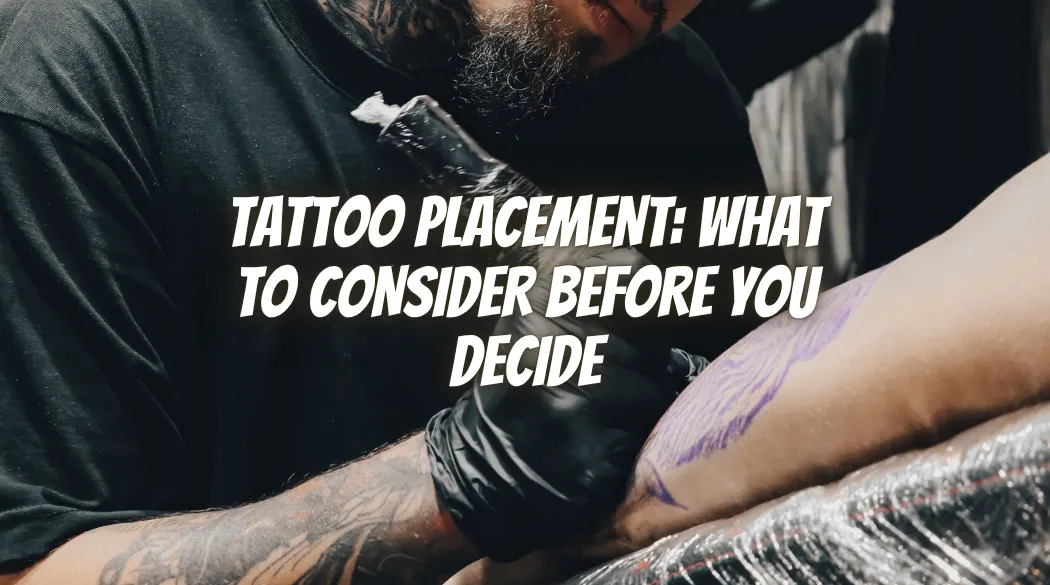
Tattoo Placement: What to Consider Before You Decide
You have the design locked in. You can picture it clearly. But then comes the question that stops so many people cold: where on the body should it actually go? That single decision can be the difference between a piece that ages beautifully and one that fades into a blur within a few years.
Tattoo placement is the strategic decision of where on the body a tattoo is applied, based on skin movement, pain tolerance, aging, visibility, and how the design flows with a person's natural anatomy. Whether you are a client thinking about your first piece or an aspiring Tattoo Artist ready to guide others, understanding placement is one of the most important skills in this craft.
Key Takeaways
Definition: Placement is where a tattoo sits on the body, chosen for movement, pain, aging, and visibility.
Pain matters: Bony, thin-skinned areas like ribs, ankles, and elbows hurt more than fleshy areas like the thigh and forearm.
Aging: High-friction zones like hands and feet fade faster; stable areas like the outer forearm hold detail for decades.
Career impact: Understanding placement is a core professional skill that separates hobbyists from licensed Tattoo Artists.
Learn it right: Ink Different teaches placement through live, in-person mentorship in real Tattoo Studios, not videos or self-study alone.
What is tattoo placement and why does it matter?
Tattoo placement matters because the location on the body affects how a tattoo heals, how well it holds ink over decades, how much it hurts, and how it fits the natural shape of the body. A great design in the wrong spot can look cramped, distorted, or blown out within years.
Think of the body as a canvas that moves, stretches, and ages. Unlike a flat piece of paper, skin bends at joints, wraps around muscle, and changes over time. A skilled Tattoo Artist reads that living canvas and places each design where it will flow naturally and last.
Placement is also deeply personal. Some people want a piece front and center; others want something private they can cover for work. Both are valid, and part of the craft is helping each person make a choice they will love for a lifetime. This is the human judgment that makes tattooing an AI-proof craft; your ability to read a person and a body is irreplaceable.
Which body areas hurt the most for tattoos?
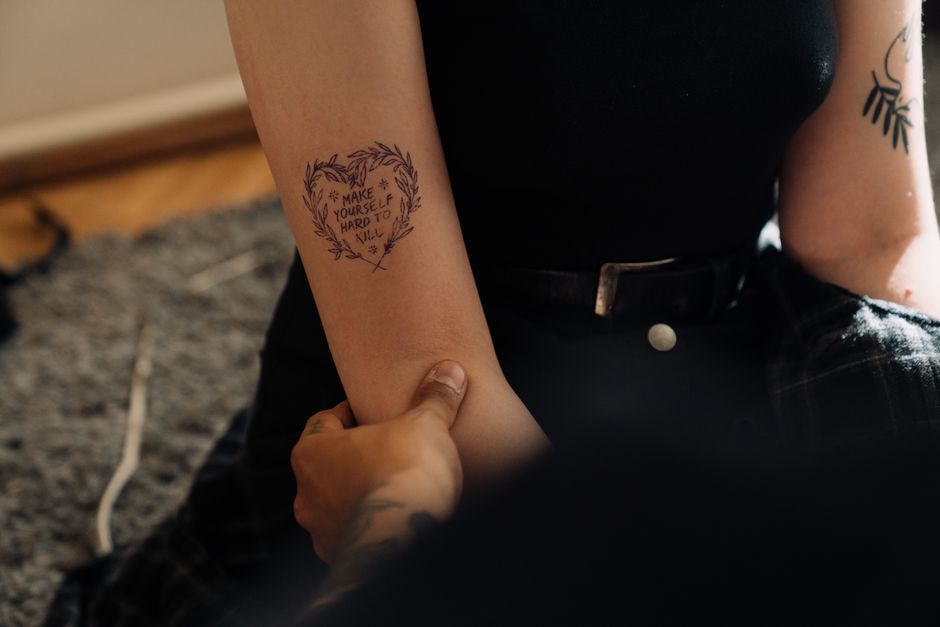
The most painful tattoo placements are bony or thin-skinned areas with lots of nerve endings, including the ribs, spine, ankles, feet, hands, elbows, and the inner arm. Fleshier, muscular areas like the outer thigh, forearm, and upper arm tend to be far more comfortable.
Pain is not just about toughing it out. Higher-pain areas often mean longer, more difficult sessions, which affects how you plan a piece and how you coach a client through it. Understanding pain tolerance helps you build trust and set realistic expectations; a core professional skill you'll refine through hands-on apprenticeship.
High pain: Ribs, spine, sternum, ankles, feet, hands, elbows, kneecaps.
Moderate pain: Inner arm, stomach, chest, neck, calf.
Lower pain: Outer thigh, forearm, upper arm, outer shoulder.
Pro Tip:For a client's first tattoo, guiding them toward a lower-pain, forgiving placement builds confidence and sets up a positive experience they will remember.
How does tattoo placement affect how a tattoo ages?
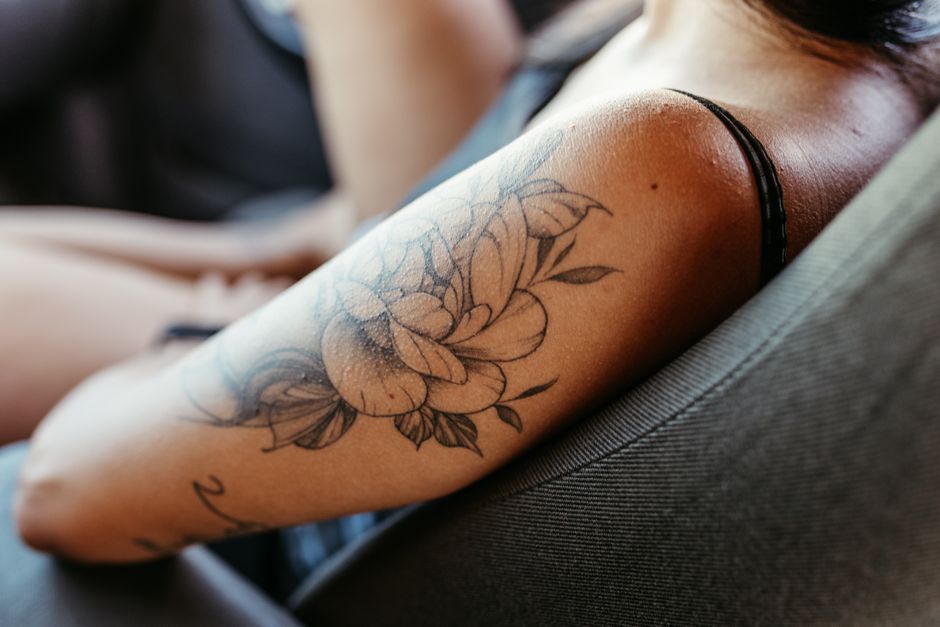
Tattoos placed on high-movement, high-friction areas like the hands, feet, fingers, and inner lips fade and blur fastest, while areas with stable, thicker skin such as the outer forearm and thigh hold detail for decades.
Skin regenerates constantly, and areas exposed to friction, sun, and stretching lose crisp lines sooner. That is why fine-line finger tattoos often need touch-ups within a couple of years, while a solid forearm piece can look sharp for a lifetime.
Sun exposure is a major factor too. The American Academy of Dermatology recommends protecting healed tattoos from UV light to preserve their appearance, according to their tattoo care guidelines. A knowledgeable artist factors sun exposure into placement recommendations and educates clients on long-term care.
How does placement affect visibility and your career?
Placement determines how visible a tattoo is in everyday life, which affects both a client's personal comfort and, for aspiring Tattoo Artists, the professional judgment they bring to every consultation.
Some clients need pieces they can hide for their jobs. Others want bold, visible statements. As a professional, your role is to guide, not judge, helping each person choose a placement that fits their life today and years from now.
For the artist's own career, understanding visibility is part of building trust and demonstrating that you can read a person's needs, not just push a design. This nuanced, human judgment is exactly why tattoo artists remain essential in a world of automation. Your ability to customize is your competitive edge.
How do you choose the right tattoo placement step by step?
To choose the right tattoo placement, evaluate the design size, the body's natural flow, pain tolerance, aging factors, and long-term visibility before committing to a location. Follow these steps for a confident decision.
Step 1: Match the design to the body's contours. Look at how the design will wrap around muscle, bone, and joints so it flows instead of fighting the anatomy.
Step 2: Consider the size and detail. Intricate, fine-detail work needs a stable, larger canvas like the back, thigh, or forearm to age well.
Step 3: Weigh pain and session length.Factor in the person's pain tolerance, especially for a first tattoo or a long session.
Step 4: Think about aging and friction. Avoid high-wear zones for pieces meant to stay crisp for decades.
Step 5: Decide on visibility. Confirm whether the person needs to conceal the tattoo for work or wants it on full display.
Step 6: Do a stencil test. Place the stencil and have the person move naturally to check flow and positioning before the first line.
These are the exact judgment calls that separate a hobbyist from a professional. They come from repetition, guidance, and real hands-on practice, not from watching videos alone. If you want to sidestep common early errors, our guide to mistakes aspiring tattoo apprentices should avoid is worth a read.
Where do you learn tattoo placement the right way?
You learn tattoo placement properly through a structured, in-person tattoo apprenticeship where experienced Mentors teach you to read the body, plan designs, and work safely on real skin. Books and tutorials help, but placement is a hands-on skill that cannot be mastered alone.
Placement is inseparable from safety, and safe practice means understanding hygiene, cross-contamination, and proper technique. Professional training follows standards like the OSHA bloodborne pathogen standards, which every serious artist must master. This is non-negotiable foundation work.
The demand for skilled craft artists remains real. The U.S. Bureau of Labor Statistics tracks steady interest in craft and fine artists, and tattooing has grown into a respected professional path. This is why so many people are choosing tattoo apprenticeships as a college alternative that offers real-world skill and professional income potential.
If you have been stuck in a job that drains you while your creative potential sits untapped, this is the pain we help people solve every day. You are not too late, and you do not need a fancy art degree to start. What you need is the right mentor and the courage to take the first step.
What does the Traditional Tattoo Apprenticeship offer?
Ink Different's Traditional Tattoo Apprenticeship is an 18- to 24-month, four-phase program that trains beginners with no prior experience into job-ready Tattoo Artists through personalized, hands-on mentorship in real Tattoo Studios.
You start remotely to build your foundations, then finish in real Tattoo Studios working alongside experienced professionals. There is no pretending here: you learn the real craft, in a real environment, with Mentors who have your back. This blend of remote theory and in-person practice is designed to meet you where you are while accelerating your path to professional readiness.
Beginner-friendly: No prior art experience required. We meet you where you are.
Four-phase structure: Progressive training from fundamentals to live client work.
Start remote, finish in studios: Learn theory, then apply it in person with real clients.
Licensing support and job-ready skills: We guide you toward a real path to working professionally and getting licensed in your state.
We have spent over 15 years training professional Tattoo Artists since 2011. This is a real career you can build with your hands, an AI-proof craft that keeps humans essential. If you have been waiting for a sign to start your tattoo apprenticeship, consider this it, and know that a meaningful career change through a tattoo apprenticeship is more within reach than you think.
What is the Master Mentorship program?
The Master Mentorship is a one-year, in-person program where beginner and experienced artists train directly with celebrity and award-winning Mentors to master a specific style, explode their career, and build toward studio ownership.
You learn from names that carry real weight in the industry, including Al Fliction, Liz Cook, Kyle Dunbar, Boneface, and Jordi Pla. This is intensive skill development for those who want to sharpen a signature style and grow a serious brand in the professional tattoo world.
Once your skills are ready, getting your work seen matters. Our roundup of platforms to help tattoo artists build their brand pairs perfectly with the momentum this program creates, helping you turn mastery into visibility and income.
How does Ink Different make training accessible?
Ink Different Tattoos offers Spanish-speaking locations so more aspiring artists can train in the language they are most comfortable learning in. Spanish-speaking training is available in Denver, Orange County, NYC, Miami, San Antonio, and San Diego.
Our culture is built around "Good Humans," a supportive, family-like community where you are never left to figure it out alone. Excellence and kindness are not opposites here; they grow from the same soil. We believe the best artists are whole people, and we invest in your growth as both a craftsperson and a person.
Seats in live, in-person mentorship are naturally limited, because real teaching takes real time and attention. When you plant this seed with us, you plant it with people who genuinely want to see you grow into a professional who honors this craft.
Ready to become a Tattoo Artist?
Tattoo placement is proof that this craft is about human judgment, connection, and skill built over time. It cannot be faked, rushed, or automated. That is exactly what makes it worth pursuing. The design in your head deserves a Tattoo Artist who understands the whole picture, and that artist could be you.
Ready to become a Tattoo Artist? Apply now to Ink Different's Traditional Tattoo Apprenticeship and start building an AI-proof career with licensing support and professional mentorship along the way. Not sure yet? Fill out our quick questionnaire to get personalized support and find out if our Tattoo Apprenticeship Program is right for you.
Frequently Asked Questions
What is the best tattoo placement for a first tattoo?
The outer forearm, upper arm, and outer thigh are ideal for first tattoos. These areas have lower pain levels, hold ink well, and heal reliably, making them forgiving and comfortable choices.
Which tattoo placements fade the fastest?
Hands, fingers, feet, and inner lips fade fastest due to constant friction, sun exposure, and rapid skin regeneration. These areas often need touch-ups within a few years.
Do I need art experience to learn tattoo placement and become an artist?
No. Ink Different's Traditional Tattoo Apprenticeship is built for beginners with no prior experience and teaches placement, design, and technique from the ground up through hands-on mentorship.
How long does the Traditional Tattoo Apprenticeship take?
The Traditional Tattoo Apprenticeship takes 18 to 24 months across four phases. You start remote to build foundations, then finish with hands-on training inside real Tattoo Studios.
What makes Ink Different different from other training options?
Ink Different offers live, in-person mentorship, over 15 years of experience since 2011, a "Good Humans" supportive community, access to award-winning Mentors, and licensing support as a college alternative.
Does Ink Different offer training in Spanish?
Yes. Ink Different Tattoos offers Spanish-speaking locations in Denver, Orange County, NYC, Miami, San Antonio, and San Diego, making professional training accessible to more aspiring artists.