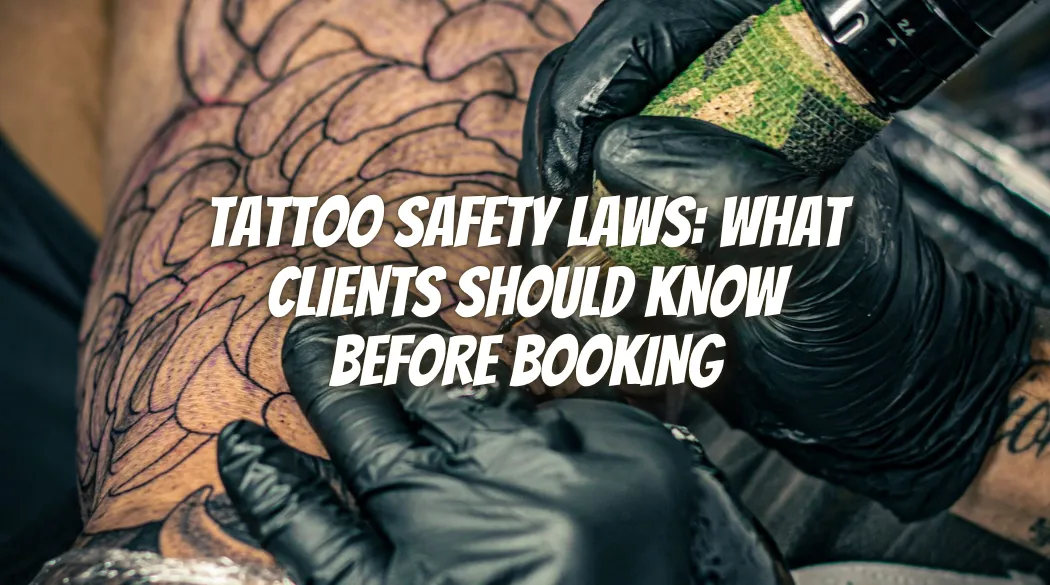
Tattoo Safety Laws: What Clients Should Know Before Booking
You have been saving that design in your phone for months. The lines, the shading, the meaning behind it, it all feels right. But before you sit in that chair, there is one thing that matters more than the artwork: your safety. Tattoo safety laws are state and local health regulations covering equipment sterilization, Tattoo Artist licensing, and infection control in tattoo studios.
Understanding them protects you, and if you dream of a career in the craft, mastering them is the foundation of everything. At Ink Different Tattoos, we train aspiring Tattoo Artists to treat safety seriously, because a great tattoo starts with a clean, compliant tattoo studio.
Key Takeaways
Regulation: Tattoo safety laws are set by state and local health departments, so rules vary by location.
Licensing: Reputable Tattoo Artists hold valid licenses and post health inspection certificates in view.
Sterilization: Studios must use single-use needles, autoclaved tools, and follow OSHA bloodborne pathogen standards.
Client power: You have the right to ask about training, licensing, and sterilization before you book.
Career path: Ink Different teaches safety-first training as the backbone of an AI-proof tattoo career.
What Are Tattoo Safety Laws?
Tattoo safety laws require tattoo studios and Tattoo Artists to follow strict hygiene, sterilization, and licensing standards. They exist to prevent infection and protect you the moment a needle touches your skin.
These rules are not federal for the most part. Instead, each state, and often each county or city, sets its own requirements through its department of health. That means the standards in Texas may differ from those in Colorado or California, even though the goal is the same: keeping clients safe.
Most laws cover Tattoo Artist licensing, tattoo studio permits, needle disposal, ink handling, and how equipment gets cleaned between clients. When you understand the basics, you stop being a passive customer and start being an informed one.
Good to know: A licensed Tattoo Artist has usually completed a bloodborne pathogen course and a supervised tattoo apprenticeship. That training is exactly what separates a professional from a hobbyist.
Why Do Tattoo Safety Laws Matter for You?
Tattoo safety laws matter because an unsterile needle can transmit serious infections like hepatitis B, hepatitis C, and staph. That risk can turn a tattoo into a medical emergency. Your health is not worth a shortcut.
Getting tattooed means breaking the skin thousands of times per minute. That open wound is a doorway. When a tattoo studio follows the rules, that doorway stays protected. When it does not, the risk climbs fast.
The American Academy of Dermatology outlines clear tattoo care guidelines that emphasize professional, licensed tattoo studios and proper aftercare. Following the law is not just paperwork: it is the difference between healing clean and dealing with complications.
How Do You Check If a Studio Is Licensed?
You can verify a tattoo studio's license by checking its current health department permit and your state's online licensing database. Confirm that the Tattoo Artist holds a valid tattoo license too.A trustworthy tattoo studio will never hesitate to show you.
Licensing requirements differ by state, so it helps to know your local rules.
Here is a simple, step-by-step way to confirm a studio is legit before you book.
How to Verify a Tattoo Studio: Step-by-Step
Look for the permit: Most states require studios to display a current health inspection certificate on the wall.
Search the state database: Many health departments list licensed studios and artists online. Search by name.
Ask about the artist's training: A licensed Tattoo Artist should be able to explain their apprenticeship and safety certification.
Read recent reviews: Look for consistent mentions of cleanliness, not just cool artwork.
Visit in person: Walk in, observe the space, and trust your gut before committing.
What Sterilization Standards Should You Expect?
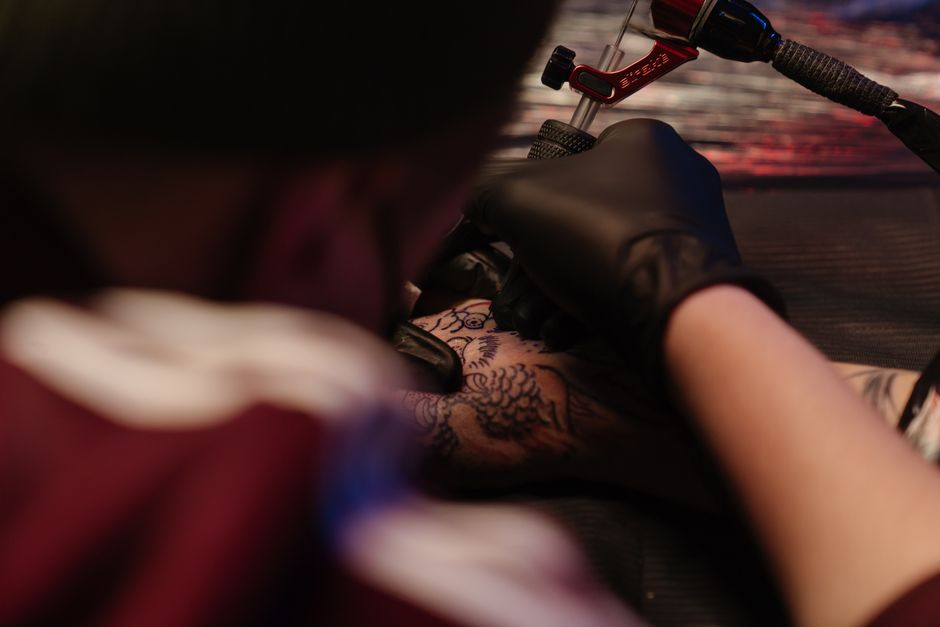
You should expect single-use, pre-sterilized needles opened in front of you, an autoclave for reusable tools, and fresh gloves. Disposable barriers should cover every surface the Tattoo Artist touches. Anything less is a warning sign.
The gold standard for handling blood and bodily fluids comes from OSHA bloodborne pathogen standards. Professional Tattoo Artists are trained to follow these guidelines to the letter, protecting both you and themselves.
Watch for these hallmarks of a clean setup:
Sealed needles: Opened from sterile packaging in your presence.
Barrier film: Plastic wrap covering the Tattoo Machine, clip cord, and bottles.
Glove changes: New gloves whenever the artist steps away and returns.
Sharps container: A dedicated, puncture-proof bin for used needles.
Fresh ink caps: Ink poured into single-use caps, never reused between clients.
What Questions Should You Ask Before Booking?
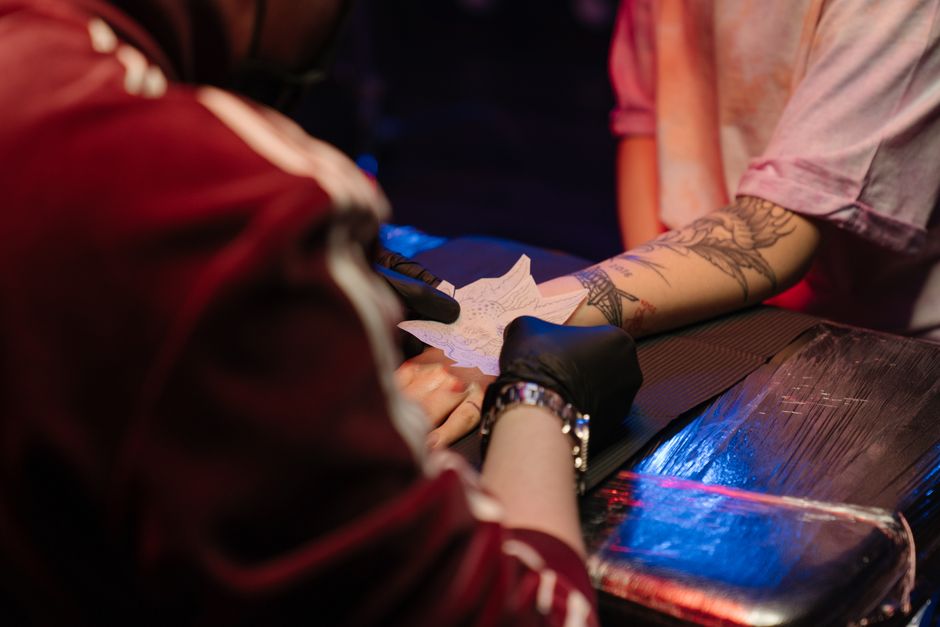
Before booking, ask whether the Tattoo Artist is licensed, how they sterilize equipment, whether needles are single-use, and how they completed their tattoo training. The right questions reveal whether you are in professional hands.
A skilled Tattoo Artist welcomes these questions because they take pride in doing things right. If someone gets defensive or dodges you, that tells you everything you need to know.
Keep this short list on your phone for your next consultation:
Are you and this tattoo studio currently licensed?
Do you open a new, sterile needle for every client?
How do you sterilize any reusable equipment?
Where did you complete your tattoo apprenticeship?
What aftercare instructions do you provide?

What Are the Red Flags of an Unsafe Studio?
Red flags include reused needles, no visible license, dirty surfaces, and a Tattoo Artist working without gloves. Watch out for cash-only home setups with no permit and pressure to book without a consultation. When in doubt, walk out.
Your instincts are a powerful tool. If the space feels dirty or the Tattoo Artist cannot answer basic safety questions, treat that as a warning. If the price seems too good to be true, it probably is.
Unlicensed "kitchen table" setups are especially risky. They may save you money today, but they skip the exact protections that keep your skin healthy tomorrow. A tattoo is permanent, and so is an infection scar. Choose the professional path every time.
What Do Safety Laws Look Like From Behind the Chair?
From the Tattoo Artist's side, safety laws mean daily station setup, documented sterilization, and proper waste disposal. Constant attention to cross-contamination comes from structured, hands-on training. It becomes second nature to a well-trained professional.
Here is the truth many people never consider: the Tattoo Artists who make you feel safe were taught to be that way. Nobody is born knowing how to break down a station or manage a sharps container. Those skills come from proper mentorship.
This is why skipping proper training often leads to the mistakes we warn against. If you are considering this career, check our guide on mistakes aspiring tattoo apprentices should avoid.
Learn Tattoo Safety the Right Way With Ink Different
Ink Different Tattoos trains aspiring Tattoo Artists to master safety, sterilization, and licensing as the foundation of a professional, AI-proof career. If reading this made you realize you want to be on the other side of the chair, you are in the right place.
Maybe you are in a job that does not use your creative skills. For over fifteen years, we have helped people make the shift into a professional career built on skill, not shortcuts. We are a college alternative for people who want serious, hands-on training.
What You Can Expect From Our Traditional Tattoo Apprenticeship
Our Traditional Tattoo Apprenticeship is an 18- to 24-month, four-phase training path designed for beginners with no prior experience. You will train in professional tattoo studios, learning everything from line work to the exact safety standards covered above.
Hands-on training: Personalized instruction with live, in-person Mentors.
Beginner-friendly: No formal art background required.
Safety-first curriculum: Bloodborne pathogen and sterilization mastery built in.
Licensing support: Job-ready skills and guidance toward your state license.
A Career That Comes With Confidence
When you finish, you walk away with actual, job-ready skills, licensing support, and a guaranteed job offer. You can enter a tattoo studio with your head held high, backed by craftsmanship machines cannot replace. According to the Bureau of Labor Statistics on craft and fine artists, hands-on skill and artistic talent remain in steady demand.
Mentorship That Pushes Your Brand and Skills Further
Ready to level up faster? Our one-year, in-personMaster Mentorshipputs you alongside award-winning Mentors like Al Fliction, Liz Cook, and Kyle Dunbar. It is built for beginners and experienced Tattoo Artists who want to master a style, advance their careers, and grow their businesses.
Making Tattoo Training Accessible for Everyone
We offer Spanish-speaking locations in Denver, Orange County, NYC, Miami, and San Diego, because talent speaks every language. And because you are joining a family, our "Good Humans" culture means you are never on your own.
Our Traditional Tattoo Apprenticeship trains only two Tattoo Apprentices per tattoo studio per Mentor, so you get proper, individual attention.
Ready to Book (or Become) With Confidence?
Whether you are booking your next tattoo or considering a career giving them, knowing your safety laws changes everything. As a client, you now have the power to choose a clean, licensed, professional tattoo studio. As an aspiring Tattoo Artist, you now understand that safety comes first in this career.
If a career in tattooing has been on your mind, now is a good time to explore it.
Ready to become a Tattoo Artist? Apply now to Ink Different's Traditional Tattoo Apprenticeship and start building an AI-proof career. Enjoy licensing support and a guaranteed job offer along the way. Or fill out our quick questionnaire to get personalized support and find out if our Traditional Tattoo Apprenticeship is right for you.
Frequently Asked Questions
Are tattoo safety laws the same in every state?
No. Tattoo safety laws are set by state and local health departments, so requirements for licensing, sterilization, and permits vary. Always check your specific state's rules before booking.
How do I know if my Tattoo Artist is licensed?
Ask to see the Tattoo Artist's license and the tattoo studio's current health inspection certificate. Many states also list licensed Tattoo Artists and tattoo studios in a searchable online database.
What sterilization practices should a safe studio follow?
A safe tattoo studio uses single-use needles opened in front of you, an autoclave for reusable tools, fresh gloves, and disposable barriers. It also uses a puncture-proof sharps container and follows OSHA standards.
Do I need experience to learn tattoo safety and become an artist?
No. Ink Different Tattoos' Traditional Tattoo Apprenticeship is built for beginners with no prior experience and teaches safety, sterilization, and licensing from day one.
How long does the Ink Different tattoo apprenticeship take?
The Traditional Tattoo Apprenticeship takes 18 to 24 months across four phases, combining hands-on training in professional tattoo studios with live, in-person Mentors.
What makes Ink Different different from other tattoo training?
Ink Different has trained professionals for over fifteen years. We offer live in-person mentorship, award-winning Mentors, licensing support, Spanish-speaking locations, and a "Good Humans" culture as a college alternative.