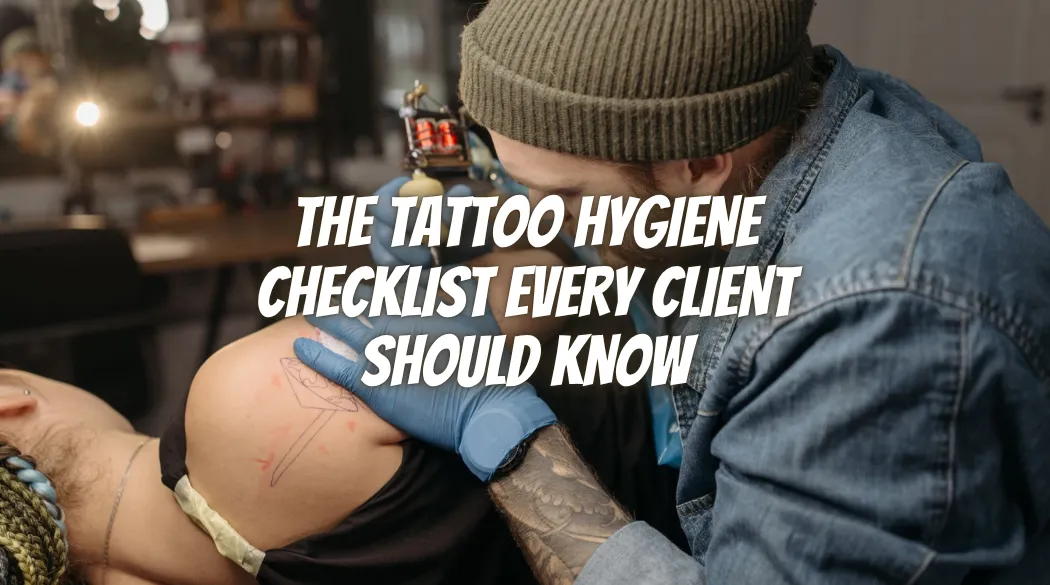
The Tattoo Hygiene Checklist Every Client Should Know
You are about to sit in a chair, roll up your sleeve, and let a stranger open your skin with a needle. That moment should feel exciting, not nerve-racking. The difference between the two comes down to one thing: cleanliness.
Tattoo hygiene is the set of sanitation and sterilization practices a studio follows to prevent infection and protect both the client and the Tattoo Artist.
Ink Different Tattoos has spent 15 years teaching aspiring Tattoo Artists that great ink starts with a spotless setup. Today, we are handing you the same checklist we teach our Tattoo Apprentices.
Key Takeaways
Non-negotiable: Every needle, tube, and ink cap must be single-use and opened in front of you.
Gloves matter: Your Tattoo Artist should wear fresh gloves and change them anytime they touch a non-sterile surface.
Look for OSHA compliance: Reputable tattoo studios follow OSHA bloodborne pathogen standards and display current health permits.
Aftercare is half the job: Following your Tattoo Artist's aftercare instructions prevents most infections after you leave.
Training is the root: Clean habits come from proper mentorship, not guesswork or online shortcuts.
What is tattoo hygiene, and why does it matter?
Tattoo hygiene is the practice of keeping every surface, tool, and hand sterile so bacteria and bloodborne pathogens never reach an open wound. A fresh tattoo is essentially an open door into your body, and cleanliness is what keeps that door guarded.
When hygiene slips, the consequences are serious: staph infections, hepatitis, and slow-healing skin that ruins the design underneath. According to OSHA bloodborne pathogen standards, any workplace where blood exposure is possible must follow strict protective measures. A tattoo studio is exactly that kind of environment.
That is exactly what proper hygiene protects. Clean tools and a clean station mean your tattoo heals well and looks the way it was designed to look. Your job as a client is simple: make sure everything is clean before the needle touches your skin.

How can you check a tattoo studio's cleanliness before your appointment?
You can judge a studio's hygiene before you ever book by reviewing its licensing, reading verified reviews, and taking a walk-through of the space. A clean shop has nothing to hide and everything to show off.
Start with the paperwork. A professional Tattoo Studio displays its current health department permit and its Tattoo Artists' bloodborne pathogen certifications, where clients can see them. If those are missing, ask. A confident, well-trained Tattoo Artist will happily point them out.
Next, use your senses during a walk-in visit:
Smell: The space should smell clean, not musty or overpowering.
Surfaces: Floors, counters, and chairs should be wiped down and clutter-free.
Separation: Sterile equipment should be stored away from waiting areas and food.
Staff: Tattoo Artists should look tidy and handle tools with obvious care.
Trust your gut. If something feels off, walk away. There is no shortage of studios that take cleanliness seriously.
What should a clean tattoo station look like?
A clean tattoo station uses fresh barrier film on every surface. Needles come sealed and single-use, opened in front of you, and ink caps are disposable and thrown away after your session. Nothing should be reused between clients.
When you sit down, look at how the station is dressed. Machines, cords, spray bottles, and armrests should be wrapped in plastic barrier film. This film gets torn off and replaced for every single client, so no surface is ever shared.
Your Tattoo Artist should open the needle and tube packaging right in front of you, showing you the intact seal. Ink should be poured into single-use caps, never dipped from a shared bottle. Once your session ends, needles go straight into a sharps container, and everything disposable gets tossed.
Pro Tip:Ask your Tattoo Artist to open the needle in front of you. A trained professional expects the question and respects you for asking.
What is the step-by-step tattoo hygiene checklist?
The tattoo hygiene checklist follows a simple order: verify credentials, watch the setup, and confirm fresh gloves and sealed tools. Then monitor cleanliness during the session and follow aftercare afterward. Run through these steps every single time.
Step 1: Verify credentials. Confirm that the studio's health permit and the Tattoo Artist's bloodborne pathogen certification are current and visible.
Step 2: Watch the setup. Make sure surfaces are wrapped in fresh barrier film and the station is prepped and clean.
Step 3: Confirm sealed tools. Needles and tubes should be opened from sealed packaging in front of you.
Step 4: Check the gloves. Your Tattoo Artist should wash their hands and wear fresh gloves, changing them anytime they touch a non-sterile surface.
Step 5: Confirm single-use ink. Ink should be poured into disposable caps, never dipped from a communal source.
Step 6: Monitor during the session. Watch that soiled materials are set aside, and clean supplies stay clean.
Step 7: Follow aftercare. Take home written aftercare instructions and follow them to the letter.
Print this. Screenshot it. Bring it with you. A checklist turns a nervous decision into a confident one, and it is exactly the kind of discipline our Tattoo Apprentices learn on day one. If you want to avoid rookie missteps as a future Tattoo Artist, our guide on mistakes aspiring tattoo apprentices should avoid pairs perfectly with this list.
What are the red flags that a tattoo studio is unsafe?
The biggest red flags are reused needles, no barrier film, and ink dipped from a shared bottle. Missing certifications and a defensive Tattoo Artist are red flags, too. Any one of these is a reason to leave.
Watch out for these warning signs:
No sharps container: Used needles should never sit loose on a counter.
Bare hands: Tattooing without gloves is an immediate deal-breaker.
Dirty floors and clutter: Cleanliness is a habit, and mess signals sloppiness everywhere else.
Pressure and shortcuts: A Tattoo Artist rushing to skip steps is putting your health at risk.
Vague answers: If they cannot explain their sterilization process, they may not have one.
A true professional treats your questions as a sign of respect, not a challenge. That confidence comes from proper training. It is exactly why where a Tattoo Artist learned matters so much.

How does hygiene continue after you leave the studio?
Hygiene continues at home through proper aftercare: keep the tattoo clean, moisturized, and protected while it heals to prevent infection and preserve the design. Half of a tattoo's outcome is decided after you leave the chair.
The American Academy of Dermatology tattoo care guidelines recommend washing the area gently with clean hands and applying a thin layer of recommended ointment. Avoid sun and soaking while your skin heals. Your Tattoo Artist should send you home with clear written instructions.
Follow the basics:
Wash gently with fragrance-free soap and clean hands only.
Moisturize lightly with the product your Tattoo Artist recommends.
Avoid submerging in pools, tubs, or the ocean until fully healed.
Keep it covered from direct sun and dirty environments.
Good aftercare protects your investment. A well-trained Tattoo Artist teaches it as thoroughly as they teach the tattoo itself.
Why does proper hygiene training matter for Tattoo Artists?
Proper hygiene training matters because safe tattooing depends on habits built during a tattoo apprenticeship, long before a Tattoo Artist ever touches a client. You cannot fake sterile technique.
Here is the truth most beginners miss: the cleanest Tattoo Artists are not naturally tidy people. They were trained by Mentors who refused to let a single shortcut slide. That is where hands-on, live, in-person mentorship separates itself from watching videos alone.
Tattooing is also one of the most AI-proof careers out there. A machine cannot build trust with a nervous client or dress a station with the care of a seasoned pro. That human touch is the whole point. As more people explore tattoo apprenticeships as a college alternative, the demand for Tattoo Artists who do it right keeps growing.
Get serious about a clean, professional tattoo career with Ink Different
Ink Different Tattoos trains aspiring Tattoo Artists to build spotless, professional habits from the very first day through our Traditional Tattoo Apprenticeship. We have been doing this since 2011, and hygiene is woven into everything we teach.
What you can expect from our Traditional Tattoo Apprenticeship
Our Traditional Tattoo Apprenticeship runs 18 to 24 months across four structured phases. You train in professional tattoo studios, learning sterile setup, bloodborne pathogen safety, and client care under a working Mentor. No prior art experience is required, because we teach you from the ground up.
A career that comes with confidence
By the time you finish, you walk out with job-ready skills and licensing support. You are ready to work as a professional in an industry that machines cannot replace.
Mentorship that pushes your brand and skills further
Ready to go deeper? Our one-year, in-person Master Mentorship pairs you with celebrity and award-winning Mentors like Al Fliction, Liz Cook, Kyle Dunbar, Boneface, and Jordi Pla. It is built for Tattoo Artists who want to master a style, advance their career quickly, or open their own studio.
Making tattoo training accessible for everyone
We offer Spanish-speaking locations in Denver, Orange County, NYC, Miami, and San Diego. Language never stands between you and a professional tattoo career. Our "Good Humans" culture means you join a supportive, family-like community, not a competition.
Remember: Seats in our Traditional Tattoo Apprenticeship are limited, because serious mentorship cannot be mass-produced.
Frequently Asked Questions
How do I know if a tattoo needle is clean?
A clean tattoo needle comes in sealed, sterile packaging that your Tattoo Artist opens in front of you. Needles are single-use only and should never be reused between clients.
What certifications should a Tattoo Artist have?
A professional Tattoo Artist should hold a current bloodborne pathogen certification and work in a studio with a valid health department permit. Reputable studios display these where clients can see them.
Can you get an infection from a tattoo?
Yes, tattoos can cause infections if hygiene is poor or aftercare is neglected. Following the American Academy of Dermatology's aftercare guidelines and choosing a clean studio dramatically lowers the risk.
Do I need experience to learn proper tattoo hygiene?
No. Ink Different Tattoos' Traditional Tattoo Apprenticeship is built for beginners. It teaches sterilization, bloodborne pathogen safety, and clean station setup starting in your first phase of training.
How long does the Ink Different Tattoo Apprenticeship take?
The Traditional Tattoo Apprenticeship takes 18 to 24 months across four phases. You train hands-on in professional tattoo studios with licensing support along the way.
What makes Ink Different different from other programs?
Ink Different offers 15 years of experience, live in-person mentorship, award-winning Mentors, a "Good Humans" community, and Spanish-speaking locations. It is a serious college alternative for aspiring professional Tattoo Artists.
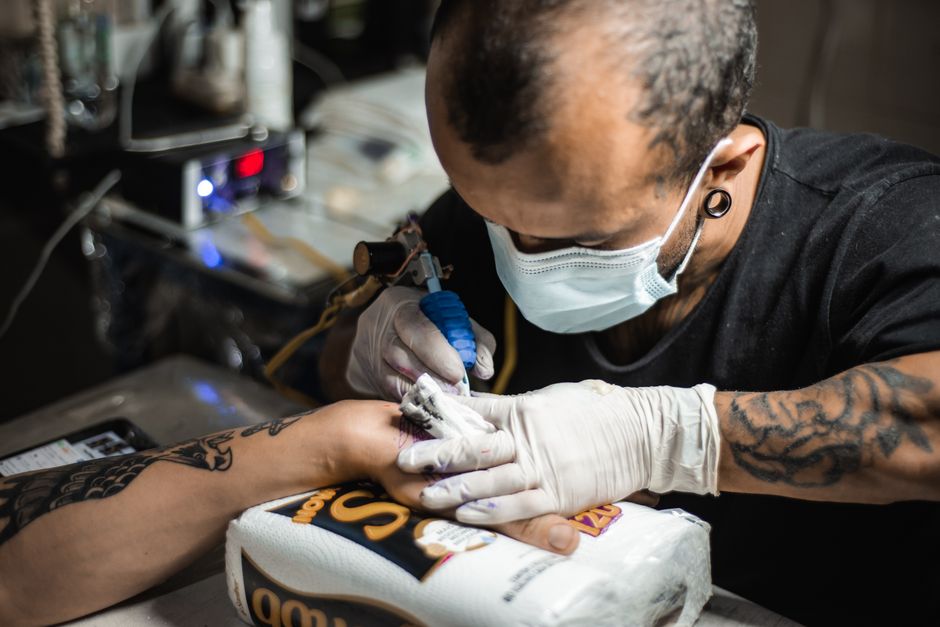
Ready to become a Tattoo Artist?
You now hold the same tattoo hygiene checklist we teach our Tattoo Apprentices. That means you already understand the discipline great Tattoo Artists live by. Clean hands, sealed tools, and genuine care are not extras. They are the foundation of every tattoo worth wearing.
The tattoo world rewards people who take the craft and the cleanliness behind it seriously.
Ready to become a Tattoo Artist? Apply now to Ink Different's Traditional Tattoo Apprenticeship and start building an AI-proof career with licensing support along the way. Not sure yet? Fill out our quick questionnaire to get personalized support and find out if our Traditional Tattoo Apprenticeship is right for you.