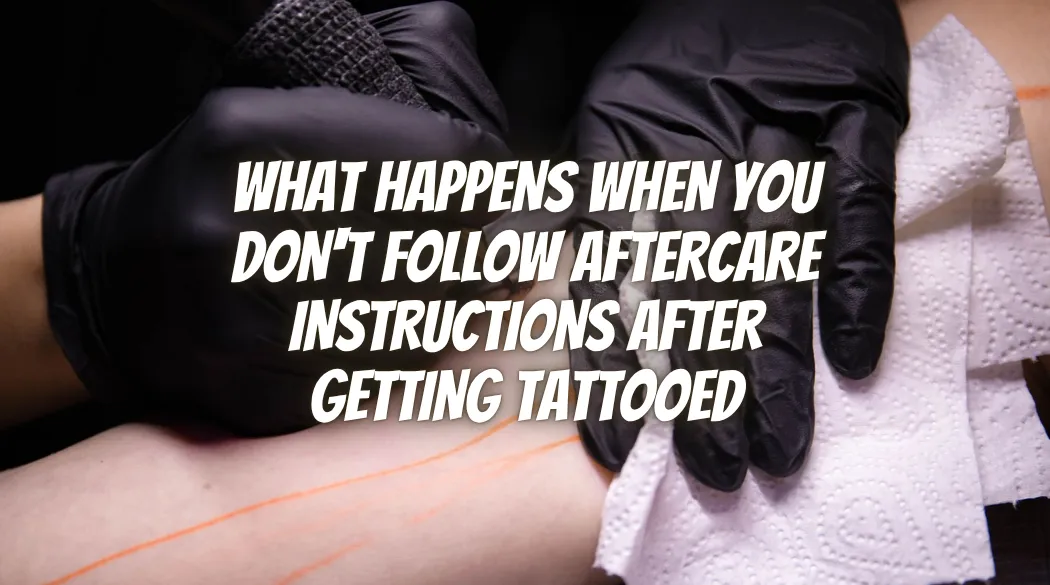
What Happens When You Don't Follow Aftercare Instructions After Getting Tattooed
You just left the studio with fresh ink, wrapped and glowing, feeling like you conquered the world. Then a few days later the color looks patchy, the skin is angry and red, and the design you loved starts to fade before your eyes. That heartbreak is almost always preventable. Tattoo aftercare is the set of cleaning, moisturizing, and protection steps you follow after getting tattooed to help the skin heal properly, preserve the design, and prevent infection, fading, and scarring.
At Ink Different Tattoos, we teach our tattoo apprentices that a beautiful tattoo lives or dies in the days after the needle stops. Ignore the instructions, and you risk permanent damage to both the ink and your skin.
Key Takeaways
Infection risk: Skipping aftercare invites bacteria into an open wound, causing swelling, pus, and possible scarring.
Fading and blowouts: Poor healing pulls ink from the skin, leaving faded, patchy, or blurry tattoos that need costly repairs.
Healing window: A new tattoo needs about two to four weeks of careful daily care to heal correctly.
Artist responsibility: Trained Tattoo Artists teach aftercare because client outcomes protect both the ink and studio reputation.
The fix: Ink Different's Traditional Tattoo Apprenticeship teaches safe practice and aftercare from day one of training.
What is tattoo aftercare and why does it matter?
Tattoo aftercare is the daily routine of gently cleaning, moisturizing, and shielding your new tattoo so the wounded skin heals cleanly and the ink stays sharp and vibrant. A fresh tattoo is an open wound layered with pigment, and how you treat it decides whether your design ages like fine leather or fades like a cheap sticker.
Think of your skin as soil and the tattoo as a seed. Plant it in clean, tended ground and it grows exactly as designed. Neglect it, and weeds like bacteria, scabbing, sun damage choke the life out of it. Your aftercare is the gardening that makes the difference.
The American Academy of Dermatology publishes clear tattoo care guidelines because dermatologists see the consequences of neglect every day. Aftercare is not optional advice. It is the finish line of the entire tattoo process, and it falls completely on your shoulders once you leave the studio.
What happens when you skip aftercare instructions?
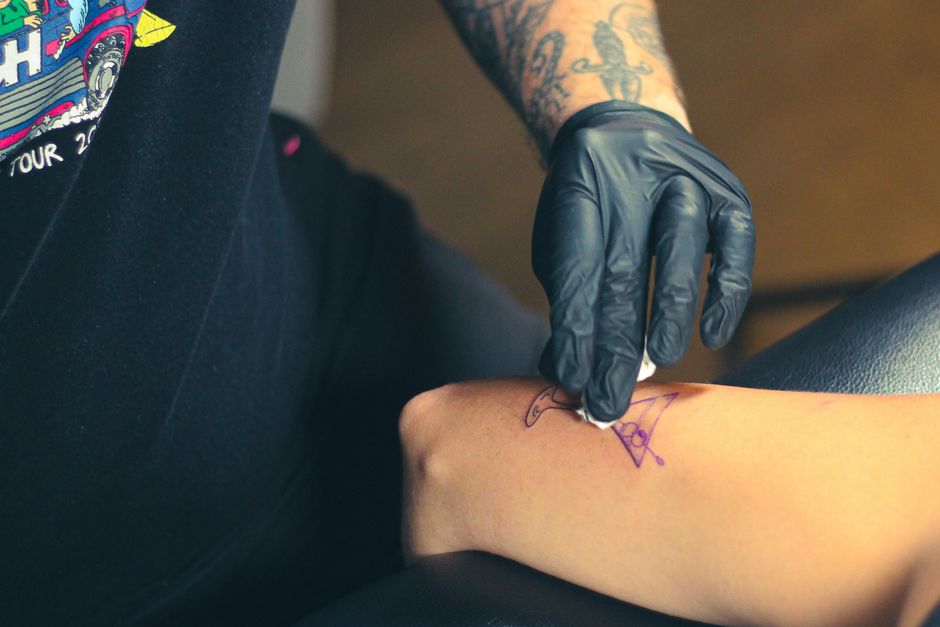
When you skip aftercare instructions, your tattoo can become infected, scab excessively, fade unevenly, and scar, sometimes permanently damaging the design and your skin. The damage rarely announces itself on day one. It creeps in while you assume everything is fine, and by the time you notice, the harm is done.
Here is the common chain of neglect and what it triggers:
Not washing it: Trapped bacteria and plasma lead to infection and heavy scabbing.
Picking scabs: Pulling scabs rips out fresh ink, creating faded gaps and holidays.
Over-moisturizing or under-moisturizing: Both cause the skin to heal poorly and blur the lines.
Sun exposure: UV rays fade pigment fast and can burn healing skin permanently.
Soaking in pools or baths: Prolonged water exposure softens scabs and introduces bacteria.
The worst part is that most of these outcomes are permanent. A blown-out line or a faded patch usually needs a costly touch-up or cover-up. This is why aftercare is cheaper than regret, and why professional artists invest time teaching it.
Why does ignoring aftercare cause infection?
Ignoring aftercare causes infection because a fresh tattoo is an open wound, and dirty skin, unwashed hands, and contaminated surfaces let bacteria enter the broken skin barrier. Your body is fighting to close that wound, and every shortcut you take gives germs a head start to colonize the area.
Signs of an infected tattoo include spreading redness, warmth, swelling, pus, and fever. This is not something to wait out or treat at home. Untreated tattoo infections can lead to serious complications like sepsis, which is exactly why safety standards exist in the first place.
Warning: If you notice pus, fever, or red streaks spreading from your tattoo, contact a medical professional right away. Infection is a medical issue, not a healing phase.
Professional studios follow strict hygiene protocols set by standards like the OSHA bloodborne pathogen standards. But even the cleanest studio cannot protect you once you walk out the door. That responsibility passes to you, and it is non-negotiable if you want to heal safely.
How does poor aftercare ruin the look of your tattoo?
Poor aftercare ruins a tattoo by causing ink loss during scabbing, blurred lines from over-hydration, and fading from sun and water exposure, leaving a dull, patchy design. The artist did their job with the machine. You finish the job with the routine, and that routine decides whether the design lasts or disappoints.
When scabs form thick and you pick at them, the ink under those scabs comes out with them. This creates what artists call "holidays," gaps in the color that need patching. Sun exposure on healing skin bleaches the pigment before it even settles into the dermal layer.
A crisp, saturated tattoo is a partnership. The Tattoo Artist lays the foundation, and your aftercare protects it. Break that partnership, and the work suffers no matter how skilled the hand behind the machine. This is why experienced artists spend time teaching it.
How do you care for a fresh tattoo the right way?
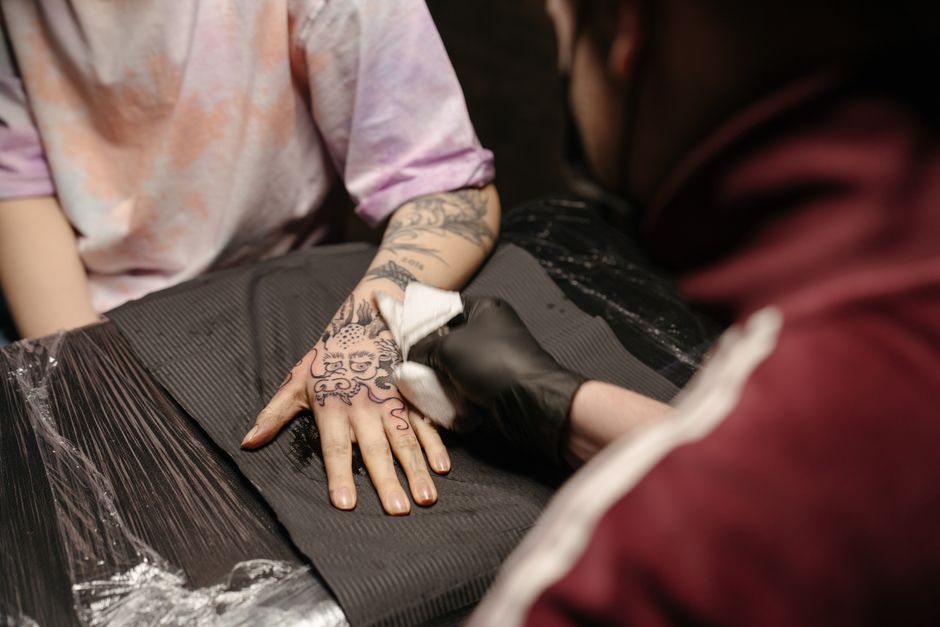
You care for a fresh tattoo by cleaning it gently, applying a thin layer of moisturizer, avoiding sun and soaking, and never picking scabs during the two to four week healing window. Follow these steps and your ink will thank you for years to come.
Step 1: Leave the wrap on. Keep the initial bandage on for the time your artist recommends, usually a few hours to overnight, to keep out bacteria and contamination.
Step 2: Wash gently. Use clean hands and mild, fragrance-free soap with lukewarm water. Pat dry with a clean paper towel, never a cloth.
Step 3: Moisturize thinly. Apply a small amount of recommended aftercare ointment or lotion two to three times a day. Too much suffocates the skin.
Step 4: Do not pick or scratch. Let scabs and flakes fall off naturally. Picking pulls out ink and invites infection.
Step 5: Avoid sun, pools, and soaking. Keep the tattoo out of direct sunlight and away from prolonged water for the full healing period.
Step 6: Protect it long term. Once healed, use sunscreen on the tattoo to keep the ink from fading over time.
Every professional studio hands you a version of these instructions. The clients who follow them keep their tattoos looking sharp for decades. The ones who do not end up back in the chair for expensive repairs.
Why does a great tattoo artist teach aftercare?
A great Tattoo Artist teaches aftercare because the client's healed result reflects the artist's skill and reputation, and clear guidance prevents infection, fading, and unhappy clients. The best artists know their work is not finished when they set down the Tattoo Machine.
This is the difference between someone who just draws on skin and a true professional. Real training covers hygiene, skin science, and client communication, not just line work. When you understand healing biology, you protect every person who trusts you with their skin, and you build a name for quality work.
If you are just starting out, learning what separates pros from amateurs matters. Our guide on the mistakes aspiring tattoo apprentices should avoid covers the aftercare knowledge gaps that sink new artists, and our list of tools every beginner tattoo artist should know shows how the right equipment supports safe, clean work from the first day.
How does Ink Different train artists who protect clients?
Ink Different Tattoos trains artists to protect clients by teaching hygiene, skin science, and aftercare from day one inside our four-phase Traditional Tattoo Apprenticeship. For 15 years, since 2011, we have built professionals who understand that great tattoos are a craft of care, not just design and speed.
A tattoo career is one of the most AI-proof careers left, because a robot cannot replicate the trust, hygiene, and human touch a skilled Tattoo Artist brings to the chair.
What you can expect from our Traditional Tattoo Apprenticeship
Our Traditional Tattoo Apprenticeship runs 18 to 24 months through four progressive phases, with hands-on training in real tattoo studios under live, in-person Mentors. No prior art experience is required. We meet you where you are and build your foundation from the ground up, teaching aftercare and safety as core pillars.
Personalized hands-on training with award-winning Mentors who teach hygiene and aftercare alongside technical skills.
Safety and aftercare mastery so your clients heal beautifully and your reputation grows.
Licensing support and job-ready skills so you finish prepared to work professionally in any state.
A career that comes with confidence
By the end of your tattoo apprenticeship, you carry real, job-ready skills and the licensing support to work in a professional tattoo studio. This is a genuine college alternative for people who want to build something with their own two hands.
Mentorship that pushes your brand and skills further
Ready to specialize or explode your career? Our one-year in-person Master Mentorship pairs you with celebrity and award-winning Master Mentors like Al Fliction, Liz Cook, Kyle Dunbar, Boneface, and Jordi Pla. It is built for both beginners and experienced Tattoo Artists who want to master a style and build a sustainable business.
Making tattoo training accessible for everyone
Ink Different offers Spanish-speaking locations in Denver, Orange County, New York City, Miami, San Antonio, and San Diego. Wherever you are near these cities, there is a place for you in our Good Humans community, a supportive, family-like culture where you never train alone, and aftercare is taught as a cornerstone of professionalism.
Ready to build a real career?
Every day you stay in a job that wastes your talent is a day your future waits on the shelf. The clients who ignore aftercare lose their tattoos. The people who ignore their calling lose something bigger: their time. Seats in our tattoo apprenticeship are limited.
Ready to become a Tattoo Artist who protects your clients and builds real relationships? Apply now to Ink Different's Traditional Tattoo Apprenticeship and start building an AI-proof career with licensing support and aftercare mastery along the way. Not sure yet? Fill out our quick questionnaire to get personalized support and find out if our tattoo apprenticeship is right for you.

Frequently Asked Questions
What happens if you don't follow tattoo aftercare instructions?
Skipping aftercare causes infection, heavy scabbing, faded or patchy ink, and scarring. Many outcomes are permanent and require costly touch-ups.
How long does a new tattoo take to heal completely?
Surface healing takes two to four weeks with proper care, but deeper skin layers may take several months to settle.
Do I need art experience to start a tattoo apprenticeship?
No. Ink Different teaches drawing fundamentals, safety, and aftercare from the ground up. No prior experience required.
How long is the Ink Different Traditional Tattoo Apprenticeship?
The program runs 18 to 24 months across four phases, starting remote and finishing hands-on with live Mentors.
What makes Ink Different different from other tattoo training programs?
We offer live in-person mentorship with award-winning artists, 15 years of experience, licensing support, and a supportive Good Humans community.
Will learning aftercare help me build a professional tattoo career?
Yes. Aftercare knowledge protects your work, prevents infections, builds client trust, and strengthens your professional reputation.