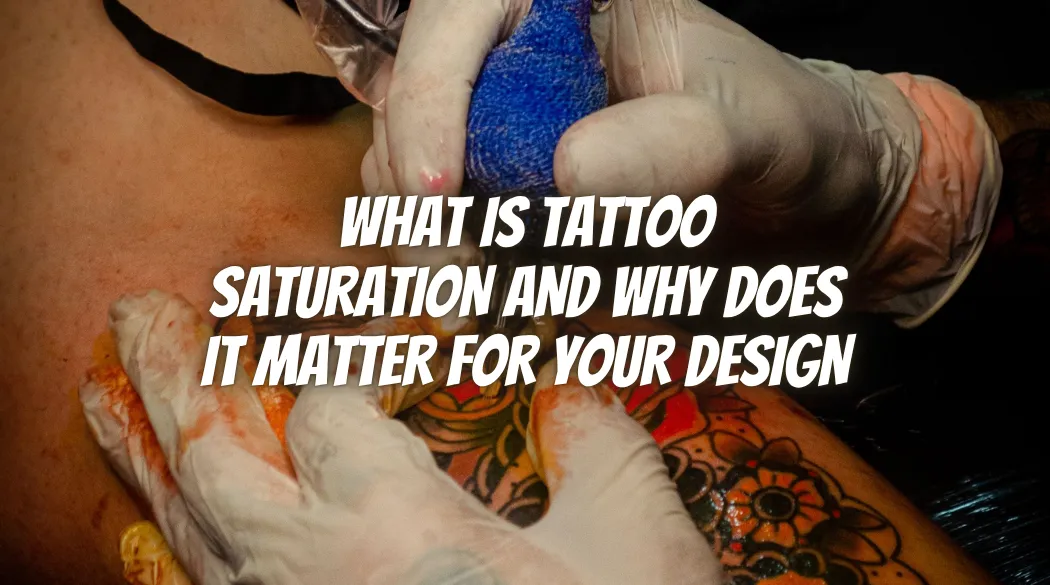
What Is Tattoo Saturation and Why Does It Matter for Your Design
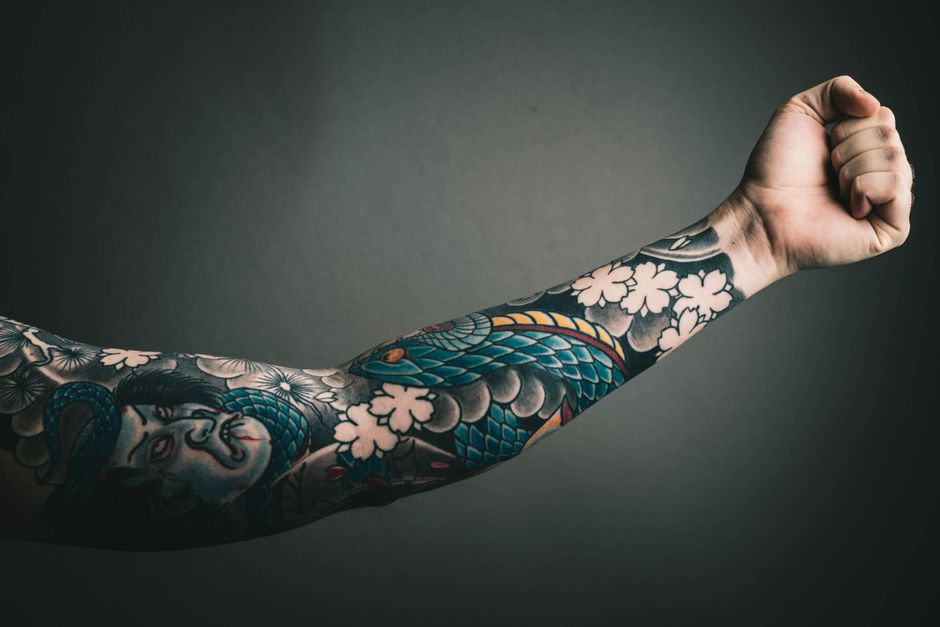
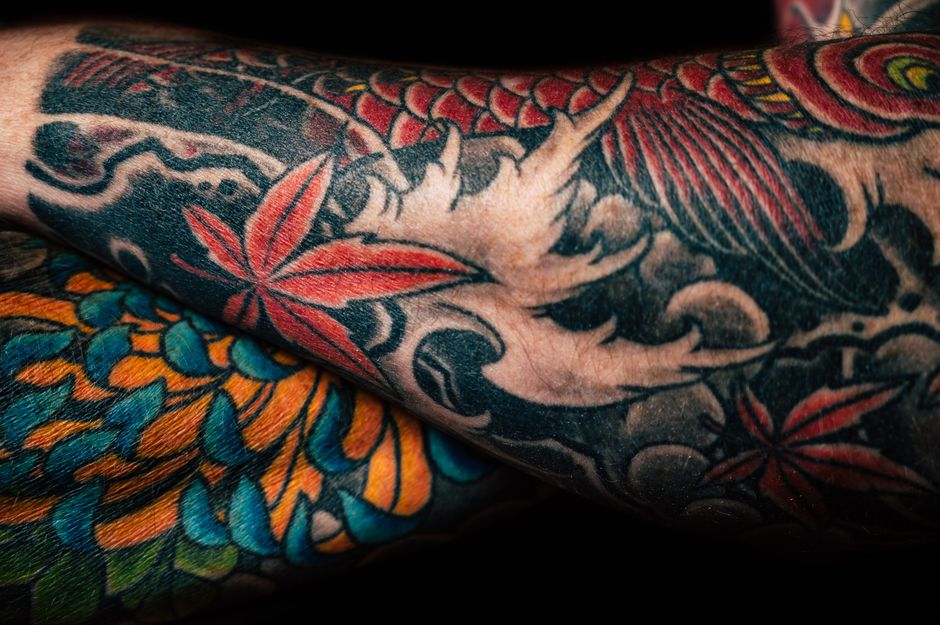
You've seen two tattoos of the exact same design, but one looks flat, patchy, and faded while the other glows with rich, solid color that reads clean from across the room. The difference isn't luck, and it isn't the machine. It's saturation, and it's one of the first things that separates a hobbyist from a professional. Tattoo saturation is the density and evenness of pigment packed into the skin, determining how solid, bold, and long-lasting the color or black appears once healed.
Master it, and your work sings. Miss it, and even your best linework falls apart. At Ink Different Tattoos, we've spent over 15 years teaching aspiring artists exactly how to get this right, because in a craft where execution is everything, saturation is non-negotiable.
Key Takeaways
Definition: Saturation is how densely and evenly pigment is packed into the skin for solid, lasting color.
Why it matters: Poor saturation causes patchy, faded, blown-out tattoos that need costly touch-ups and damage your reputation.
Main causes: Wrong needle depth, rushed passes, dull needles, and inconsistent hand speed all wreck saturation.
How to fix it: Consistent depth, proper angle, layered passes, and clean technique build even, solid saturation.
Where to learn: Ink Different's Traditional Tattoo Apprenticeship teaches saturation hands-on under live Mentors over 18-24 months.
What Is Tattoo Saturation?
Tattoo saturation is the depth, density, and evenness of pigment deposited into the dermis, which decides whether your color and black look solid and bold or thin and blotchy. Think of it as how "full" the ink sits in the skin.
When you pack color correctly, the pigment fills the layer evenly, like laying down a smooth, opaque coat of paint. When you don't, you get holidays (tiny gaps of skin showing through), fading, or a washed-out look that ages badly. Holidays are the enemy of professional work. They show every time the client moves in natural light.
Saturation applies to every tattoo you'll ever do: solid black work, full-color pieces, bold traditional roses, smooth gray-wash gradients. Every one of them lives or dies on how well you controlled saturation. It's a foundational skill, not an advanced flourish. New artists who skip this fundamental work end up chasing their tails for years, blaming everything except the real culprit: inconsistent depth and rushed passes.

Why Does Saturation Matter for Your Design?
Saturation matters because it determines whether your tattoo stays bold and readable for decades or fades into a muddy blur within a few years. Design is only half the equation: execution is the other half.
You can draw the cleanest illustration in the world, but if the ink isn't seated properly, the piece will heal patchy and dull. Clients notice, and worse, other Tattoo Artists notice. Good saturation is what makes your portfolio look professional instead of promising. It's the difference between "this artist has potential" and "this artist is ready to book me."
Here's why it's non-negotiable for your growth as an artist:
Longevity: Well-saturated ink resists fading and holds its shape as skin ages, giving clients value for their investment.
Legibility: Bold, solid color reads clearly from a distance instead of blending into surrounding skin.
Fewer touch-ups: Even saturation means clients aren't coming back to fix holidays, saving them money and saving you time on rework.
Reputation: Clean, healed work is your best marketing, better than any post you'll share on the platforms that help tattoo artists build their brand.
What Causes Poor Saturation in a Tattoo?
Poor saturation is usually caused by incorrect needle depth, dull or wrong needle groupings, rushed passes, inconsistent hand speed, and stretching the skin unevenly. Nearly all of it comes down to technique, not talent.
New artists often blame their equipment when the real issue is control. If your needle rides too shallow, the ink won't stay in the dermis. It'll fade during healing. Go too deep, and you'll blow the pigment out into a blurry smear that scars and looks blown-out forever. The sweet spot lives in the dermis, and finding it consistently takes repetition under guidance from someone who's already mapped the territory.
Common saturation killers include:
Wrong depth: Too shallow and ink fades out; too deep and you blow it out, causing permanent scarring and blur.
Speed inconsistency: Moving too fast leaves gaps; too slow overworks the skin and pushes ink out during healing.
Poor stretch: Loose skin catches the needle unevenly, creating inconsistent saturation across the design.
Overworking: Too many passes traumatize skin and push ink out during healing, leaving patchy results.
Dull needles: A dull needle creates drag and won't deposit pigment evenly, no matter how good your technique is.
Pro Tip: Overworking the skin is one of the most common beginner mistakes. Learn to read when a section is "done" instead of hammering it. This is one of the biggest mistakes aspiring tattoo apprentices should avoid.
How Do You Achieve Solid Saturation?
You achieve solid saturation by controlling needle depth, angle, hand speed, and skin tension, then building color in layered, deliberate passes rather than forcing it in one heavy stroke. Follow these steps to build the habit:
Step 1: Set your depth. Aim for the dermis. That layer is just below the epidermis. Practice on synthetic skin until you feel that consistent, buttery drag that tells you the needle is seated right. Your machine settings matter less than your feel for where that needle is riding.
Step 2: Stretch the skin tight. Three-point stretch keeps the surface flat and stable so the needle deposits ink evenly across the entire section. Loose skin wobbles, and wobbling skin means uneven saturation.
Step 3: Control your angle. Keep the needle grouping at a consistent angle to the skin surface so every needle point delivers the same amount of pigment. Angle drift is invisible to the eye but shows up as patchy color in the healed piece.
Step 4: Move at a steady pace. Even hand speed prevents both gaps and overworking. Rhythm beats speed every time. A slow, steady hand will out-saturate a fast, jerky hand on any day of the week.
Step 5: Layer your passes. Build saturation gradually with overlapping strokes instead of one aggressive pass. Let the ink do the work rather than forcing it. Each pass should be light enough that you're building, not blasting.
Step 6: Wipe and check. Clean the area, look for holidays, and fill only what needs filling before you move on. Unnecessary passes cause trauma and fading.
None of these steps are magic. They're muscle memory, and muscle memory is built through reps with someone watching over your shoulder who can catch the tiny errors you can't feel yet. That's the real value of learning the tools every beginner tattoo artist should know alongside a live Mentor who sees what you're doing wrong before you do.
How Does Saturation Affect Healing and Longevity?
Saturation directly affects healing because properly seated ink stays put during recovery, while overworked or shallow ink either fades or scars, and clean technique lowers infection and irritation risk. How you pack color shapes how the skin recovers permanently.
When you follow safe, hygienic practice aligned with OSHA bloodborne pathogen standards and you saturate without traumatizing the skin, the tattoo heals cleaner and holds its color truer. Overworked areas can scab heavily, scar, and lose pigment during the healing phase. That damage is permanent. Your client will see it every time they look in the mirror.
Aftercare matters too. Guiding your clients with trusted resources like the American Academy of Dermatology tattoo care guidelines protects your work in those critical first two weeks. A beautifully saturated tattoo can still fade if the healing phase goes wrong, so your job doesn't end when the machine turns off. You're passing the baton to your client, but you're also making sure they know how to carry it.
Where Can You Learn to Saturate Like a Pro?
You learn professional-level saturation through hands-on, in-person training under experienced Mentors who can correct your depth, angle, and pacing in real time, which is exactly what a structured tattoo apprenticeship provides. You can't learn this from a video or a book.
Saturation is a feel-based skill. No article, tutorial, or online course can tell you whether your needle is riding at the right depth right now, in this pass, on this section of skin. Only a live Mentor watching you work can do that. That's why we built our program around real, in-person guidance. You need someone there saying, "You're going too shallow on the left side, drop it a millimeter" or "You're overworking this shadow, step back now."
Here's the good news: this is an AI-proof, hands-on craft. Machines can generate designs, but they can't feel skin tension or seat pigment into a living human being. As we explain in our piece on why tattoo artists are still essential, the human touch behind saturation is exactly what keeps this career future-proof. The Bureau of Labor Statistics tracks craft and fine artists as skilled workers whose value comes from precisely this kind of irreplaceable handwork.
If you're in a job that drains your creative energy and pays you to show up instead of use your gifts, this is a path worth exploring. Seats in our program are limited, so it's worth acting sooner rather than later.
What Can You Expect from Our Traditional Tattoo Apprenticeship?
Ink Different's Traditional Tattoo Apprenticeship is an 18 to 24 month, four-phase training program that takes you from complete beginner to job-ready professional through personalized, hands-on mentorship. You train hands-on in real tattoo studios, working on real clients under supervised guidance.
You don't need any prior art experience to begin. Our four-phase structure builds your foundations step by step, and saturation is baked in from the ground up so you're not guessing your way through your first real client.
Here's what your journey includes:
Four-phase training: Fundamentals through live studio work, built for beginners with no art background.
Live, in-person mentorship: Real Mentors correcting your technique in real time so you feel the difference between good and great saturation.
Licensing support: Guidance toward getting licensed and working professionally in your state, including resources like how to avoid common apprenticeship mistakes.
Good Humans culture: A supportive, family-like community that has your back and celebrates your wins.
By the time you finish, you'll have job-ready skills, licensing support, and a guaranteed job offer at one of our tattoo studios.
How Does Mentorship Push Your Skills Further?
Our Master Mentorship is a one-year, in-person program that pairs you with celebrity and award-winning Mentors to sharpen a specific style, grow your career, and build toward studio ownership. It's for beginners and experienced artists alike.
If you want to master saturation in a specific style, whether that's bold color realism, smooth black-and-gray, or intricate dot-work, learning directly from names like Al Fliction, Liz Cook, Kyle Dunbar, Boneface, and Jordi Pla is how you get there fast. This is intensive, focused skill development with people at the top of the craft. You don't just learn their techniques; you absorb their standards, their work ethic, and their approach to building a sustainable career.
Is Tattoo Training Accessible for Everyone?
Ink Different offers Spanish-speaking training locations so language is never a barrier to building a professional tattoo career.
You can train with Spanish-speaking Mentors in Denver, Orange County, NYC, Miami, San Antonio, and San Diego. Wherever you're starting from, there's a path here for you.
Ready to Become a Tattoo Artist?
Saturation is a skill, and skills are learned, not born. If you're tired of watching your creative potential sit idle in a job that doesn't fit you, this is your moment to change direction.
Ready to become a tattoo artist? Apply now to Ink Different's Traditional Tattoo Apprenticeship and start building an AI-proof career with licensing support along the way. Want to know if it's the right fit? Fill out our quick questionnaire to get personalized support.
Frequently Asked Questions
What is tattoo saturation in simple terms?
Tattoo saturation is how densely and evenly ink is packed into the dermis. Good saturation means solid, bold color that lasts; poor saturation means patchy, faded results.
Why does my tattoo look patchy after healing?
Patchy healing usually means inconsistent saturation from uneven needle depth, rushed passes, or improper skin stretch. Aftercare mistakes during healing also cause pigment loss and visible gaps.
Can you learn tattoo saturation without prior art experience?
Yes. Saturation is a technique-based skill built through repetition and live mentorship, not prior art talent. Ink Different's Traditional Tattoo Apprenticeship is designed for complete beginners.
How long does it take to master tattoo saturation?
You build strong saturation fundamentals within our four-phase Traditional Tattoo Apprenticeship, which runs 18 to 24 months of hands-on, in-person training under live Mentors.
What makes Ink Different's training different?
Ink Different offers live, in-person mentorship with award-winning Mentors, a college-alternative structure, licensing support, and a Good Humans community built over 15 years of training professionals.
Where can I find a tattoo apprenticeship near me?
Ink Different Tattoos trains nationwide, with Spanish-speaking locations in Denver, Orange County, NYC, Miami, San Antonio, and San Diego. Apply online to find your fit and connect with a local Mentor.