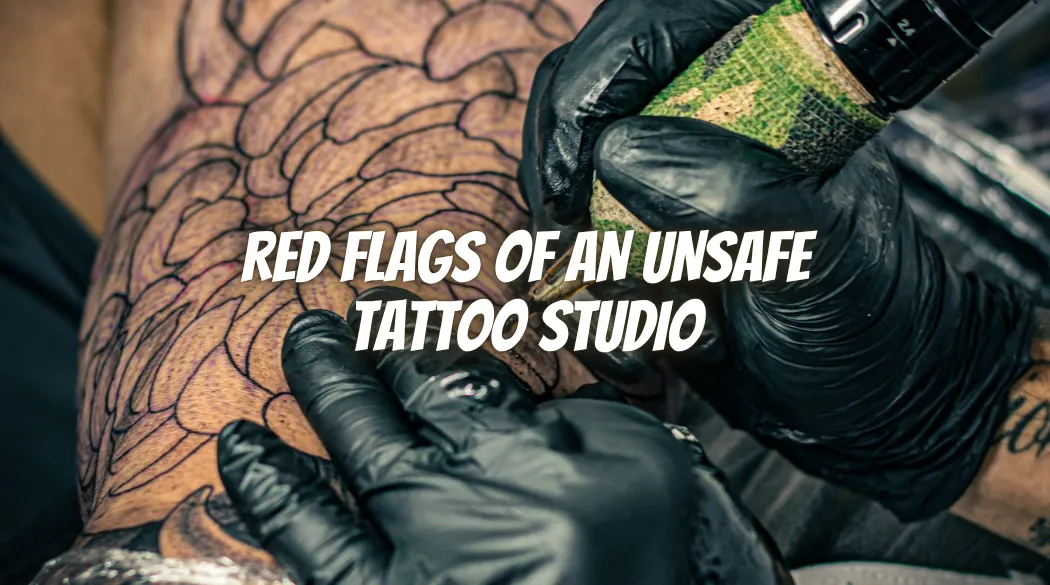
Red Flags of an Unsafe Tattoo Studio
Red flags of an unsafe tattoo studio are warning signs, from poor sterilization to unlicensed Tattoo Artists, that signal the shop cuts corners on safety, hygiene, or professionalism, putting clients and your career at risk. Sticky floors, no gloves in sight, ink caps that look reused: that uneasy feeling in your gut is your instinct trying to protect you, and you should always listen to it.
Whether you're a client trusting someone with your skin or an aspiring Tattoo Artist deciding where to learn, spotting an unsafe tattoo studio can save your health and your career. At Ink Different Tattoos, we've spent 15 years training professionals to recognize the difference between a tattoo studio built on excellence and one waiting for a disaster.
Key Takeaways
Hygiene first: Reused needles, missing gloves, and dirty surfaces are the most dangerous red flags of an unsafe tattoo studio.
Licensing: No visible license, permit, or bloodborne pathogen certification signals a studio operating outside legal standards.
Behavior: Rushed consultations, no portfolio, and pressure tactics reveal a shop that values speed over safety.
Your instinct: If a studio feels off, trust your gut and walk away before anyone touches your skin.
Training matters: Proper Tattoo Artist Training teaches you to run a clean, professional studio from day one.
What is an unsafe tattoo studio?
An unsafe tattoo studio is a shop that fails to follow proper sterilization, licensing, and safety standards, putting clients at risk of infection, bloodborne disease, and permanent harm. These studios treat corners as things to cut rather than lines to respect.
Think of a professional Tattoo Studio like a kitchen in a great restaurant. You would never eat where the cooks ignore food safety, and you should never get inked where the artist ignores skin safety. The stakes are just as high, because your skin is a permanent record.
For those learning the craft, recognizing an unsafe environment is a survival skill. The habits you pick up early become the habits that define your career. Choose wisely, and you plant seeds that grow into a reputation clients trust.
Why do these red flags matter so much?
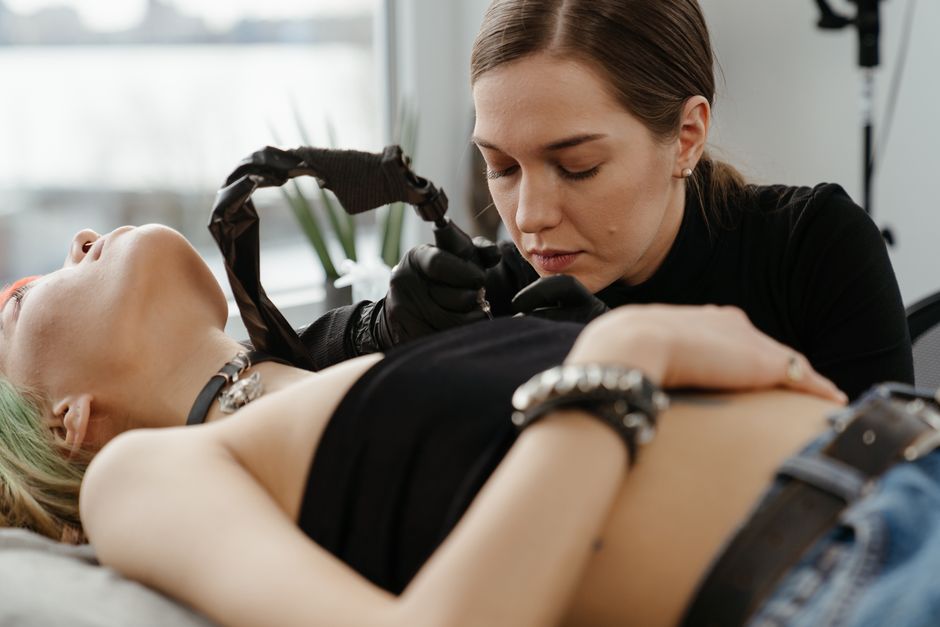
Red flags matter because tattooing breaks the skin barrier, and any lapse in hygiene can transmit infections like hepatitis, staph, or HIV. One shortcut can change a life forever.
The stakes are not exaggerated. According to OSHA bloodborne pathogen standards, any workplace where employees may contact blood must follow strict controls. Tattooing sits squarely inside those rules, and studios that ignore them endanger everyone who walks through the door.
Beyond disease, poor aftercare guidance leads to scarring and prolonged healing. The American Academy of Dermatology tattoo care guidelines stress that clean technique and proper healing instructions are essential. A studio that skips this conversation is skipping your safety.
What hygiene red flags should you watch for?
The most serious hygiene red flags include reused needles, no single-use disposables, missing gloves, unwrapped equipment, dirty floors, and no visible autoclave for sterilization. Clean studios make cleanliness impossible to miss.
Here are the hygiene warning signs that should stop you at the door:
Reused needles: Every needle should come from a sealed, single-use package opened in front of you.
No gloves: Your artist should glove up before touching any equipment and change gloves as needed.
No autoclave: Reusable tools must be sterilized in an autoclave, not just wiped down.
Reused ink caps: Ink should be poured into fresh, disposable caps for each client.
Dirty surfaces: Workstations, chairs, and armrests should be wrapped or wiped between clients.
Pro Tip:Ask to watch the artist set up your station. A professional will happily open sealed needles and lay down fresh barriers in front of you. Hesitation is a red flag.
If you are training to become an artist, these standards are not suggestions. They are the foundation of the craft. Learn more about the beginner missteps to sidestep in our guide on mistakes aspiring tattoo apprentices should avoid.
How do you spot licensing and legal red flags?
Licensing red flags include no visible business permit, no artist license posted, no bloodborne pathogen certification, and reluctance to answer questions about credentials. Legitimate studios display their paperwork with pride.
Every state regulates tattooing differently, but all require some form of licensing and health inspection. A studio that cannot show you a current license or permit is either careless or hiding something, and neither is acceptable.
Licensing rules vary by location, and knowing them protects you as a client and an artist. See how the process works in different states with our guides on how to get your tattoo license in Texas and how long a tattoo license takes in Colorado.
A properly licensed studio also means the artist completed real training. That credential is not a formality. It is proof they understand cross-contamination, skin anatomy, and safe technique.
What behavior and culture red flags reveal an unsafe shop?
Behavioral red flags include no portfolio, rushed or skipped consultations, pressure to decide quickly, dismissiveness about your questions, and an artist who seems annoyed by safety concerns. A great studio welcomes your questions.
Culture tells you everything. A professional Tattoo Artist treats a consultation like a partnership. They ask about placement, listen to your ideas, and explain aftercare. If the vibe feels like a rushed sales pitch, walk away.
Watch for these attitude red flags:
No portfolio: A legitimate artist shows healed work, not just fresh photos.
Pressure tactics: Rushing you into a design or deposit is a control move, not a service.
Dismissive answers: Any eye-roll at your hygiene question is a signal to leave.
No aftercare talk: Skipping the healing conversation means skipping your long-term health.
At Ink Different, we call our foundation the "Good Humans" culture. It means treating every client and every apprentice with respect, patience, and honesty. That culture is the opposite of every red flag on this list.
How do you inspect a tattoo studio step by step?
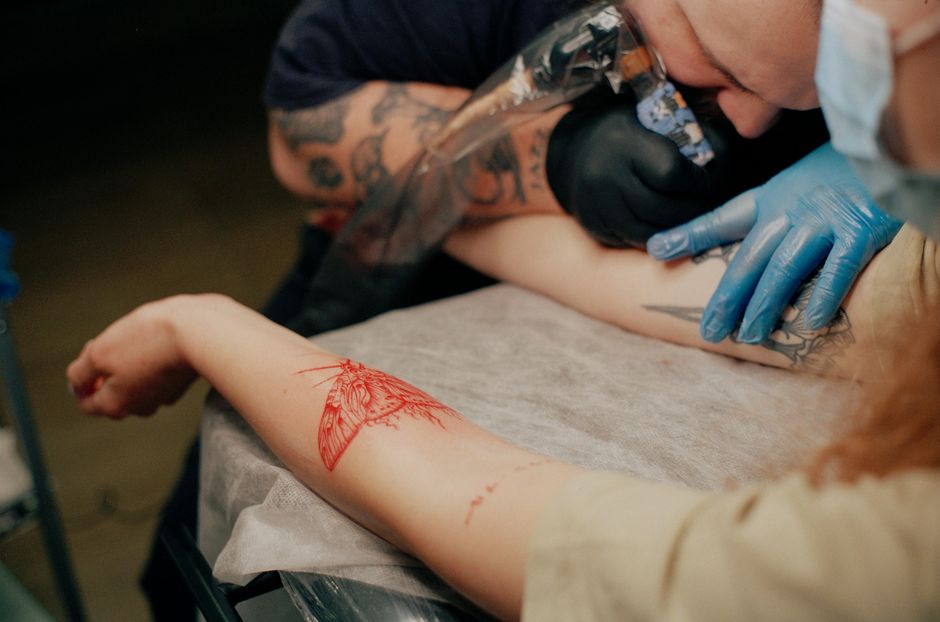
You inspect a tattoo studio by checking licensing, observing hygiene, reviewing portfolios, asking direct safety questions, and trusting your instincts before committing. Follow these steps every single time.
Step 1: Check the paperwork. Look for a posted business permit, artist license, and health inspection certificate near the front desk.
Step 2: Observe the space. Scan for clean floors, wrapped workstations, sealed needle packages, and a visible autoclave or sterilization area.
Step 3: Review the portfolio. Ask to see healed tattoos, not just fresh ink, so you can judge real quality.
Step 4: Ask direct questions. Inquire about single-use needles, glove protocol, and aftercare. Note whether the answers come easily.
Step 5: Trust your gut. If anything feels off after these checks, leave. No tattoo is worth risking your health.
These steps take five minutes and protect you for a lifetime. The same eye you use to inspect a studio as a client is the eye you will train to run your own clean shop as a professional.
Why the right training keeps you far from red flags
Proper Tattoo Artist Training teaches you sterilization, licensing, consultation, and aftercare so you never become the red flag other people warn about. Excellence is a habit you build, not a box you check.
Many unsafe studios exist because someone learned the craft in the wrong place, or never learned it properly at all. Real mentorship is the antidote. When you train under experienced professionals, safety becomes second nature, not an afterthought.
This is exactly why a structured tattoo apprenticeship beats guessing your way through YouTube tutorials. If you are weighing your options, our breakdown of tattoo apprenticeships as a college alternative shows why hands-on training builds a career that lasts.
The tattoo craft is also one of the most human, hands-on careers left. Machines cannot replicate the judgment, trust, and skin-to-skin connection involved. See why in our post on why tattoo artists are still essential.
Get serious about safety with Become A Tattoo Artist
Ink Different Tattoos' Traditional Tattoo Apprenticeship is a college alternative that trains beginners in safe, professional tattooing over 18 to 24 months, with licensing support built in. You become the standard, not the warning.
If you are stuck in a job that drains you while your creative potential collects dust, this is your path out. Our four-phase Traditional Tattoo Apprenticeship starts remotely and finishes in real studios, giving you personalized, hands-on training even if you have never picked up a Tattoo Machine.
What you can expect from our Traditional Tattoo Apprenticeship
Length:18 to 24 months across a proven four-phase structure.
Start remote: Build fundamentals from anywhere, then finish in a working Tattoo Studio.
Beginner-friendly: No prior art experience needed; we teach you from the ground up.
Licensing support: We guide you toward job-ready skills and the licensing your state requires.
This is a career that comes with confidence. You graduate knowing how to run a clean, safe studio, and you build an AI-proof craft that no algorithm can replace. Before you set up your own space, learn the essentials in our guide to tools every beginner tattoo artist should know.
Mentorship that pushes your brand and skills further
Ready to go deeper? Our one-year, in-person Master Mentorship pairs you with celebrity and award-winning mentors like Al Fliction, Liz Cook, Kyle Dunbar, Boneface, and Jordi Pla. It is built for beginners and experienced artists who want to master a style, explode their career, and own their business.
Making tattoo training accessible for everyone
We offer Spanish-speaking locations in Denver, Orange County, NYC, Miami, San Antonio, and San Diego, so language never stands between you and a professional future. Wherever you are, there may be an Ink Different studio near you.
Remember:Seats in our Tattoo Apprenticeship Program are limited because live, in-person mentorship cannot be mass-produced. If you are serious, do not wait to plant the seed.
Ready to become a Tattoo Artist?
You now know exactly how to spot the red flags of an unsafe tattoo studio, from reused needles to missing licenses to rushed consultations. That knowledge protects you as a client, and it points you toward the kind of artist you can become: clean, skilled, and trusted. The only thing standing between you and that future is the decision to start.
Ready to become a Tattoo Artist? Apply now to Ink Different's Traditional Tattoo Apprenticeship and start building an AI-proof career, with licensing support along the way. Want to know if it is the right fit? Fill out our quick questionnaire for personalized support and take the first real step this year.
Frequently Asked Questions
What is the biggest red flag of an unsafe tattoo studio?
Reused needles are the single most dangerous red flag. Every needle must come from a sealed, single-use package opened in front of you to prevent bloodborne infections.
How can I tell if a tattoo studio is licensed?
Licensed studios post their business permit, artist license, and health inspection certificate publicly. If you cannot find them or the artist avoids the question, treat it as a serious warning sign.
Do I need experience to join a tattoo apprenticeship?
No. Ink Different Tattoos' Traditional Tattoo Apprenticeship is built for beginners and teaches drawing, safety, and machine handling from day one; no prior art experience required.
How long does the Traditional Tattoo Apprenticeship take?
The Traditional Tattoo Apprenticeship takes 18 to 24 months across four phases. You start remotely to build fundamentals, then finish your hands-on training inside working studios.
What makes Ink Different different from other training?
Ink Different offers live, in-person mentorship from award-winning artists, a supportive "Good Humans" culture, and 15 years of experience training professionals, all as a college alternative.
Should I trust my gut about a tattoo studio?
Yes. If a studio feels dirty, rushed, or dismissive of your safety questions, leave immediately. Your instinct is a reliable early warning system, and no tattoo is worth the risk.