What Tattoo Culture Looks Like in Countries Where It Is Still Taboo
Imagine loving something so deeply that you have to hide it: your art, your voice, your entire identity pressed into someone's skin behind closed doors. In many corners of the world, that is exactly what being a Tattoo Artist looks like. At Ink Different Tattoos, we believe understanding the global story of ink helps you appreciate the freedom you have to build a career on your own terms.
Tattoo taboo is the cultural, religious, or legal stigma that discourages or forbids tattooing in certain societies, forcing the craft underground and affecting both artists and collectors worldwide.
Key Takeaways
Definition: Tattoo taboo is social, religious, or legal stigma forcing tattooing into underground, hidden spaces in many countries.
Where: Tattooing remains restricted or stigmatized in Japan, South Korea, parts of the Middle East, and conservative regions.
Why: Stigma stems from religious teachings, historic crime associations, and deep cultural conservatism about body modification.
Trend: Younger generations and social media are rapidly normalizing tattoos and challenging decades of cultural taboo worldwide.
Your advantage: Formal training builds a legitimate, licensed career you can practice openly, unlike hidden underground artists.
What does it mean when tattoo culture is still taboo?
When tattoo culture is taboo, ink carries social shame, professional risk, or legal consequences, pushing both artists and collectors to keep their work hidden from public view. It is a world where a beautiful piece must live under long sleeves, where a single visible marking can cost someone employment, relationships, or community standing.
In these societies, a tattoo is not just a design. It becomes a statement that can reshape someone's life trajectory. The artist and the client share a quiet understanding: this stays between us. That secrecy shapes everything, from how studios operate to how artists find clients, and it is a reminder that the craft you might take for granted is, in some places, an act of quiet rebellion.
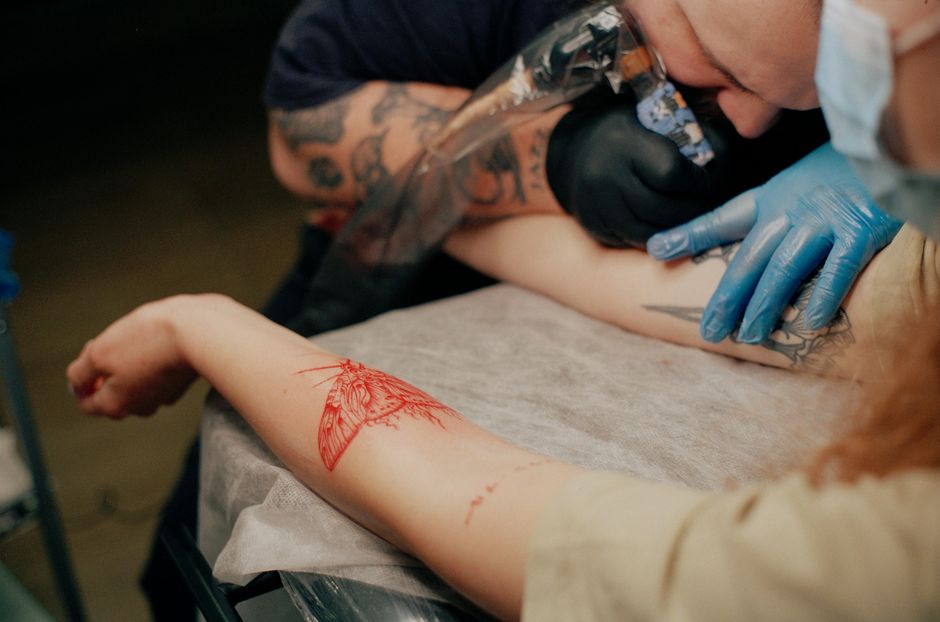
Where is tattooing still considered taboo today?
Tattooing remains taboo or restricted in Japan, South Korea, parts of the Middle East, and various conservative regions where religious or cultural norms discourage permanent body ink. The severity ranges from social disapproval to legal gray zones and outright bans.
In Japan, tattoos have long been associated with the Yakuza, so many public baths, gyms, and hot springs still ban visible ink. According to the U.S. Bureau of Labor Statistics on craft and fine artists, creative professionals thrive where communities embrace their work, which highlights how profoundly culture shapes an artist's freedom and income potential.
In South Korea, tattooing was historically restricted to licensed medical professionals, leaving artists in a strange legal limbo that persisted until recent years. In several Middle Eastern and conservative societies, religious interpretations of body purity discourage permanent body modification entirely. Even in countries where tattooing is technically legal, social acceptance lags far behind legal permission.
Why does tattooing remain taboo in some countries?
Tattooing stays taboo because of religious teachings, historic associations with crime, and deeply rooted cultural conservatism that views body modification as improper, rebellious, or spiritually harmful. These forces overlap and reinforce one another over generations, creating barriers that social media and younger voices are only now beginning to dismantle.
Three common roots drive the stigma:
Religion: Some faith traditions interpret permanent markings as forbidden, disrespectful to the body, or spiritually unclean based on centuries-old doctrine.
Crime ties: In Japan and elsewhere, ink became linked to organized crime, coloring public perception for decades and creating associations that younger generations are still fighting to erase.
Conservatism: Older generations often equate tattoos with rebellion, poor character, lack of professionalism, or social instability, a bias that persists even as workplaces modernize.
Understanding these roots is not about judgment. It is about seeing how fragile creative freedom can be, and why building a legitimate, respected path as a Tattoo Artist matters so much, especially when you have the opportunity to do so openly.
How do Tattoo Artists work in places where ink is frowned upon?
In taboo cultures, Tattoo Artists often work from private studios, apartments, or word-of-mouth networks, prioritizing discretion, client trust, and rigorous hygiene over visible storefronts or public advertising. Their work is real and skilled, but their signs are invisible.
These artists build reputations through referrals, trusted social media handles, and private portfolios rather than street-facing shops. A client finds them through a friend's recommendation, a carefully managed private message, or a quietly shared portfolio link. The barrier to entry is trust, not visibility.
Even underground, the best of them refuse to cut corners on safety. Standards like the OSHA bloodborne pathogen guidelines and proper aftercare informed by the American Academy of Dermatology tattoo care guidelines remain the backbone of responsible tattooing anywhere in the world. Hygiene transcends geography and legality.
Worth remembering: Great tattooing is never about the size of the sign out front. It is about skill, safety, and trust: the same foundation you build in a structured tattoo apprenticeship, and the same foundation that lets you practice with integrity and pride no matter where your career takes you.
How is tattoo culture changing in these countries?
Tattoo culture is shifting rapidly as younger generations, global celebrities, and social media platforms normalize ink and challenge decades of cultural stigma and legal restriction. What was once hidden is slowly stepping into the light, reshaping entire societies' relationship with body art.
In South Korea, artists have publicly pushed for legal reform, and world-renowned tattooers now attract global clients and international recognition. In Japan, younger people increasingly view ink as personal expression rather than a mark of crime, with major cities now hosting legitimate tattoo conventions and festivals.
Social media is the great equalizer. A phone screen does not care about local taboos, and it lets artists showcase their work to an international audience regardless of local restrictions. If you want to understand that shift firsthand and see how to leverage it for your own brand, our guide to platforms that help Tattoo Artists build their brand shows how digital tools break down old walls and create opportunity.
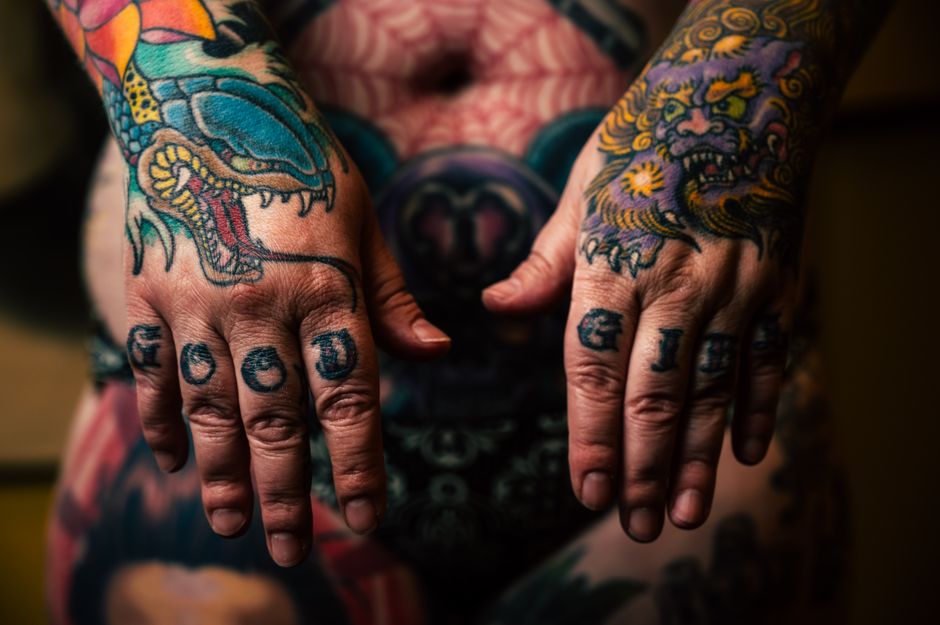
What can you learn from artists working against the grain?
Artists working in taboo cultures prove that passion, discipline, and craft mastery matter more than convenience: a lesson that applies directly to your career decision and your commitment to growth.
Here is what their example teaches you, step by step:
Step 1: Commit to the craft obsessively. These artists train relentlessly because they cannot rely on foot traffic or easy validation from society.
Step 2: Respect the fundamentals without exception. Hygiene, line work, machine control, and safety never bend, no matter the environment or pressure.
Step 3: Build trust deliberately through reputation. Every client is earned through skill and word-of-mouth, not luck or marketing spend.
Step 4: Use every tool and platform you have. From social media to direct referrals, they maximize every opportunity for visibility and connection available to them.
You have something these artists would treasure: the freedom to train openly, get licensed legally, and build a public career with pride. Wasting that freedom in a dead-end job is its own kind of taboo. If you are nervous about making mistakes early on, read our breakdown of mistakes aspiring tattoo apprentices should avoid before you start, so you can learn from others' experiences and accelerate your own path.
Get Serious About Your Tattoo Career With Ink Different Tattoos
Ink Different offers a Traditional Tattoo Apprenticeship built for beginners who want a real, professionally legitimate career instead of a hidden underground practice. We have trained professional Tattoo Artists since 2011, building a reputation for hands-on mentorship and job-ready graduates.
Where artists in taboo cultures fight for the right to practice openly, you get to choose a structured, transparent path to legitimacy and pride.
What You Can Expect from Our Traditional Tattoo Apprenticeship
Our Traditional Tattoo Apprenticeship runs 18 to 24 months across a four-phase structure. You train hands-on in real tattoo studios, learning under experienced Mentors every step of the way.
Beginner-friendly: No prior art experience required. We build your foundations from the ground up through structured curriculum and patient instruction.
Personalized: Hands-on training tailored to your pace, learning style, and creative goals.
Career-ready: Comprehensive licensing support and job-ready skills by the time you complete all four phases.
A Career That Comes With Confidence
Tattooing is an AI-proof craft rooted in irreplaceable human skill and trust, something no machine can replicate or replace. If you want proof of tattooing's future-proof nature, read why Tattoo Artists are still essential even as automation reshapes other industries. We prepare you for licensing and offer a guaranteed job offer at one of our tattoo studios, so you can work professionally with confidence, not secrecy.
Mentorship That Pushes Your Brand and Skills Further
Ready to level up faster? Our one-year, in-person Master Mentorship pairs you with celebrity and award-winning Mentors including Al Fliction, Liz Cook, Kyle Dunbar, Boneface, and Jordi Pla. It is built for mastering a signature style, growing your career visibility, and owning your own business with confidence.
Making Tattoo Training Accessible for Everyone
We offer Spanish-speaking locations near Denver, Orange County, NYC, Miami, San Antonio, and San Diego, so language never blocks your path to training or success. Our "Good Humans" culture means you join a supportive, family-like community from day one, with peers who share your creative vision.

Ready to take the first step?
Tattoo Artists in taboo cultures spend their lives fighting for the chance to practice openly. You already have that chance. Seats in our tattoo apprenticeship are limited, so decisive action matters when you are ready to commit.
Ready to become a Tattoo Artist? Apply now to Ink Different's Traditional Tattoo Apprenticeship and start building an AI-proof career with licensing support and mentorship along the way. Prefer to explore first? Fill out our quick questionnaire to get personalized support and find out if our Traditional Tattoo Apprenticeship is right for you and your goals.
Frequently Asked Questions
Where is tattooing still taboo in the world today?
Tattooing remains taboo or restricted in Japan, South Korea, and parts of the Middle East, plus many conservative regions where religion or culture discourages permanent body ink.
Why is tattooing considered taboo in Japan?
In Japan, tattoos are historically linked to Yakuza organized crime, so public baths, gyms, and pools still ban visible ink, though younger generations increasingly reject this stigma.
Is tattoo culture becoming more accepted globally?
Yes. Younger generations, celebrities, and social media are steadily normalizing tattoos worldwide, pushing art once hidden into mainstream acceptance across many previously restrictive countries.
Do I need art experience to become a Tattoo Artist?
No. Ink Different's Traditional Tattoo Apprenticeship is designed for beginners and teaches drawing and machine fundamentals from day one, no prior art background required.
How long does the Traditional Tattoo Apprenticeship take?
Ink Different's Traditional Tattoo Apprenticeship takes 18 to 24 months across four phases, starting remote and finishing hands-on in real Tattoo Studios with Mentor guidance.
What makes Ink Different different from other training options?
Ink Different offers 15 years of experience, live in-person mentorship, award-winning Mentors like Al Fliction and Liz Cook, licensing support, and a supportive community as a college alternative for aspiring Tattoo Artists.