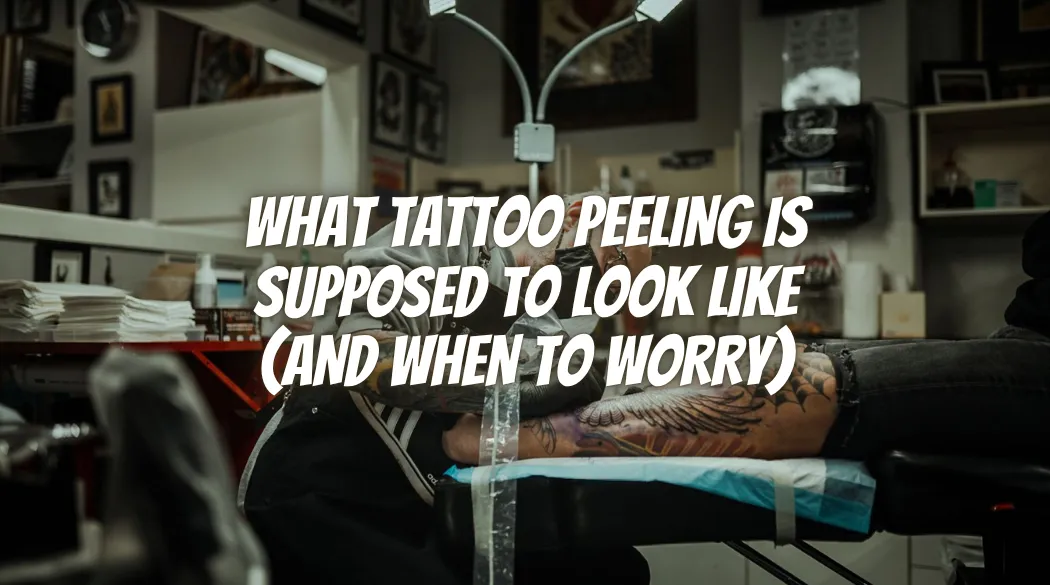
What Tattoo Peeling Is Supposed to Look Like (and When to Worry)
Your new tattoo is peeling — here’s what’s actually normal.
Key Takeaways
Peeling is a completely normal part of the tattoo healing process
Normal peeling looks like dry, flaky skin, not raw, oozing, or deeply cracked
Picking or pulling at the skin can damage your tattoo and slow healing
Some warning signs, like swelling and pus, do need attention from a professional
Placement matters, as certain body parts peel more heavily than others
The studio and Tattoo Artist you choose can directly impact how smoothly you heal
You just got a new tattoo. You’re obsessing over it, sneaking glances at it all day, and then, it starts peeling. Suddenly, you’re panicking, wondering if something went wrong or if your tattoo is ruined.
Here’s the thing: it’s probably not ruined. In fact, peeling is one of the clearest signs that your body is doing exactly what it’s supposed to do. The skin went through a lot during your session, and it’s now rebuilding itself from the inside out.
That said, not all peeling looks the same. Some of it is totally expected. Some of it is a reason to reach out to your Tattoo Artist. This guide walks you through all of it so you know exactly what to look for and what to do.
Why Your Tattoo Peels in the First Place
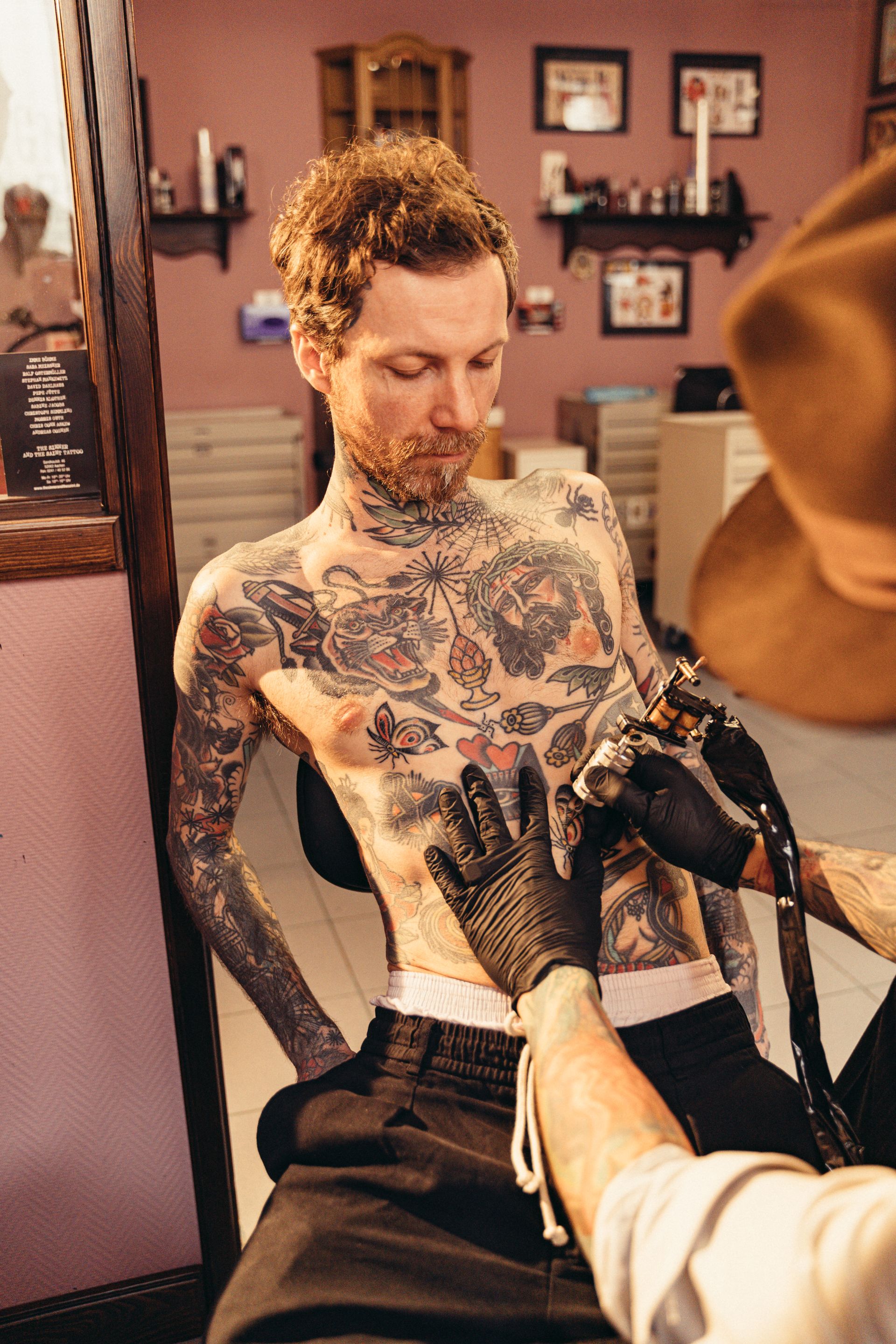
Getting tattooed is technically an injury to the skin. The needle passes through the outer layer of skin thousands of times to deposit ink into the dermis below. Your body reads this as damage and kicks off its natural repair response.
Part of that response involves shedding the top layer of skin, the epidermis, that was affected during the process. As the skin heals and regenerates, the damaged outer cells dry out and start to flake off. That’s peeling. It’s not the ink leaving your skin (even if the flakes look a little colored). It’s just dead skin making way for the new layer forming underneath.
What Normal Tattoo Peeling Actually Looks Like
Normal peeling usually starts around days three to five after your session. The skin over the tattoo will start to look dry, tight, and maybe a little dull. Then it begins to flake, similar to a sunburn peel, but often thinner and more delicate.
Here’s a rough timeline of what’s typical:
Days 1–2: The tattoo looks shiny, slightly raised, and a little swollen. No peeling yet as this is still the early inflammation stage.
Days 3–5: The surface starts to tighten and look dry. You might notice the start of light flaking around the edges first.
Days 5–7: Active peeling kicks in. The skin flakes off in thin, translucent or slightly pigmented sheets. It may feel itchy.
Days 7–14: Most of the peeling wraps up. The tattoo might look a little cloudy or faded at first. This is normal. The final color settles once the skin fully regenerates.
The flakes themselves can look faintly inky, which can be alarming if you’ve never seen it before. This is just the tinted dead skin cells shedding, not the actual ink embedded in your dermis. Your tattoo is safe.
What You Should NOT Do When Your Tattoo Is Peeling
This is where a lot of people accidentally damage their tattoos. The urge to pick, scratch, or peel is real, but resisting it matters.
Don’t pick or peel the skin. Pulling off flakes before they’re ready to fall on their own can pull ink out with them, leaving patchy spots in the healed tattoo.
Don’t scratch. Scratching breaks the delicate healing skin and introduces bacteria. If the itch is unbearable, a light pat is a safer way to get some relief.
Don’t over-moisturize. A thin layer of fragrance-free lotion keeps things comfortable. Slathering on too much suffocates the skin and can cause issues like clogged pores or prolonged healing.
Don’t soak it. Baths, pools, and the ocean are off-limits while your tattoo is actively healing. A regular shower is fine, just keep the water lukewarm and don’t let it blast directly on the tattoo for too long.
Don’t expose it to direct sun. UV rays are harsh on healing skin and can break down the ink before it’s had a chance to fully settle.
Signs Your Tattoo Peeling Might Be a Problem
Most peeling is harmless. But a few signs are worth paying attention to.
Excessive redness that spreads. Some redness around a fresh tattoo is expected. If it’s spreading outward, getting more intense after day two or three, or forming streaks, that can point to infection.
Warmth and swelling that doesn’t subside. Mild swelling in the first 48 hours is normal. Swelling that sticks around past day three, especially paired with heat, needs attention.
Pus or unusual discharge. Clear fluid or a little plasma in the first day or so is fine. Anything thick, yellow, or green is not.
Thick, raised scabbing. Light scabbing can happen, especially after a longer session or dense work. Thick, raised scabs, particularly ones that crack, can signal a healing problem, or result from picking.
Ink falling out in large patches. Some very minor fading during healing is normal. Significant ink loss, especially in chunks, usually points to something that went wrong during healing or the session itself.
Fever or chills. If you’re feeling sick alongside any skin symptoms, take that seriously. A systemic response like this warrants a conversation with a medical professional, not just your Tattoo Artist.
When in doubt, contact the studio where you got tattooed. A good Tattoo Artist would rather hear from you and find out everything’s fine than have you suffer in silence.
How Long Does Tattoo Peeling Last?
For most people, active peeling wraps up within one to two weeks. The surface will look healed before the deeper layers actually are, which is why many Tattoo Artists say a tattoo takes about four to six weeks to fully heal from the inside out.
After the peeling stops, you might notice the tattoo looks a little dull or hazy. That’s just the new skin sitting on top before it fully clears. Give it a few more weeks and the color will sharpen back up.
The takeaway: surface healing and full healing are two different things. Keep up with aftercare even after the peeling stops.
Does Where You Got Tattooed Affect How It Heals?
Yes, quite a bit, actually. Placement plays a real role in how the peeling process goes.
Hands and fingers peel heavily and frequently because the skin there renews itself faster than almost anywhere else on the body. This is also why hand tattoos tend to fade more quickly over time.
Feet and ankles deal with a lot of friction from socks and shoes, which can make healing a little rougher. Peeling in these areas can be more intense and take longer to settle.
Elbows and knees are high-movement joints. The skin constantly folds and stretches, which can lead to more cracking and extended healing.
Ribs and the torso tend to heal pretty well because the skin there isn’t under constant stress. But the tighter the skin during the session, the more dramatic the peeling can look as it releases.
Inner arms and thighs typically heal smoothly because the skin is softer and less exposed to friction and UV. These areas often show the least dramatic peeling.
If you’re getting tattooed somewhere high-friction or high-movement, your Tattoo Artist should walk you through any extra steps you need to take during healing.
Where You Get Tattooed Matters More Than You Think
The healing process doesn’t start when you leave the studio. It starts the moment a Tattoo Artist picks up the needle. How clean the environment is, how experienced the artist is, and how well they communicate aftercare can all directly affect the way your skin heals.
At Ink Different Tattoos, every client walks away not just with a tattoo but with a clear understanding of how to take care of it. Our Tattoo Artists don’t just do the work and send you out the door. They take their craft seriously, and that includes making sure the skin heals the way it should.
Here’s what sets Ink Different Tattoos apart:
Tattoo Artists who actually talk to you. Our Tattoo Artists take the time to explain what your skin will go through post-session. No guesswork, no Googling at midnight, wondering if something is wrong.
Studios held to strict hygiene standards. Everything from the needles to the surfaces follows professional-grade sanitation protocols. A clean setup means a cleaner heal.
Professional expertise behind every session. Our Tattoo Artists aren’t just technically skilled. They understand the skin, the ink, and the long-term care that good work requires. That knowledge makes a difference in the chair and after you leave.
A community built around growth. Beyond client work, Ink Different Tattoos is home to one of the country’s leading tattoo apprenticeships, the Traditional Tattoo Apprenticeship. That means our Tattoo Artists are part of a culture that takes education and mastery seriously, and clients benefit from that.
When you pick a studio that genuinely cares about quality, you’re not just getting a tattoo. You’re getting a better experience from start to healed.
Stop Guessing and Start Healing Right
Tattoo peeling is one of those things that looks scary when you don’t know what to expect. But now you do. Normal peeling is your skin doing its job. The key is knowing what to watch for, what to leave alone, and when to reach out.
The best thing you can do for your tattoo, beyond the aftercare steps, is to start with a studio you actually trust. At Ink Different Tattoos, we’re ready to walk you through every step, from the design conversation to the healed result.
Don’t wait on it. Book your session with Ink Different Tattoos today. Spots fill up fast, and the right Tattoo Artist is waiting to bring your vision to life.
Frequently Asked Questions
Is it normal for tattoo ink to come out during peeling?
The flakes can look slightly pigmented, but the actual ink stays in the dermis. What you’re seeing is tinted dead skin cells, not your tattoo fading away.
Should I moisturize more if my tattoo is peeling?
Keep up with light, regular moisturizing, but don’t overdo it. A thin layer of unscented lotion, a few times a day, is the sweet spot. Too much can actually slow things down.
What if my tattoo is peeling and really itchy?
Itching is super common during the peeling phase. Pat the area gently instead of scratching. Keeping it lightly moisturized can help take the edge off.
Can I shower normally while my tattoo is peeling?
Yes, just keep the water lukewarm and avoid letting the stream hit the tattoo directly for too long. Pat dry instead of rubbing.
How do I know if my tattoo is infected vs. just healing?
Normal healing involves light redness, some swelling in the first couple of days, and peeling. Infection usually involves spreading redness, heat, pus, or feeling sick. If you’re unsure, reach out to your Tattoo Artist or a medical professional.