What the Texture of Healed Tattoos Is Supposed to Feel Like
You run your fingertips across a tattoo you got months ago, and something feels off. Maybe it's a little raised, a little rough, or oddly smooth in some places and bumpy in others. The texture of a healed tattoo is the way tattooed skin feels once the healing process is fully complete, ideally as smooth and level as the untattooed skin surrounding it.
Learning why that texture matters is one of the first seeds a serious artist plants on the road to mastering the craft, and it's a skill we teach every day at Ink Different Tattoos.
Key Takeaways
Ideal feel: A fully healed tattoo should feel smooth and flat, matching the surrounding skin with no raised lines.
Healing timeline: Surface healing takes 2 to 3 weeks, but deeper texture can normalize over 3 to 6 months.
Raised lines: Temporary raising is common; permanent ridges often signal overworked skin or scarring from technique.
Skill matters: Consistent needle depth and hand pressure are what produce smooth, well-healed texture.
Learn it right: Ink Different's Traditional Tattoo Apprenticeship teaches proper depth and healing from day one.
What is a healed tattoo supposed to feel like?
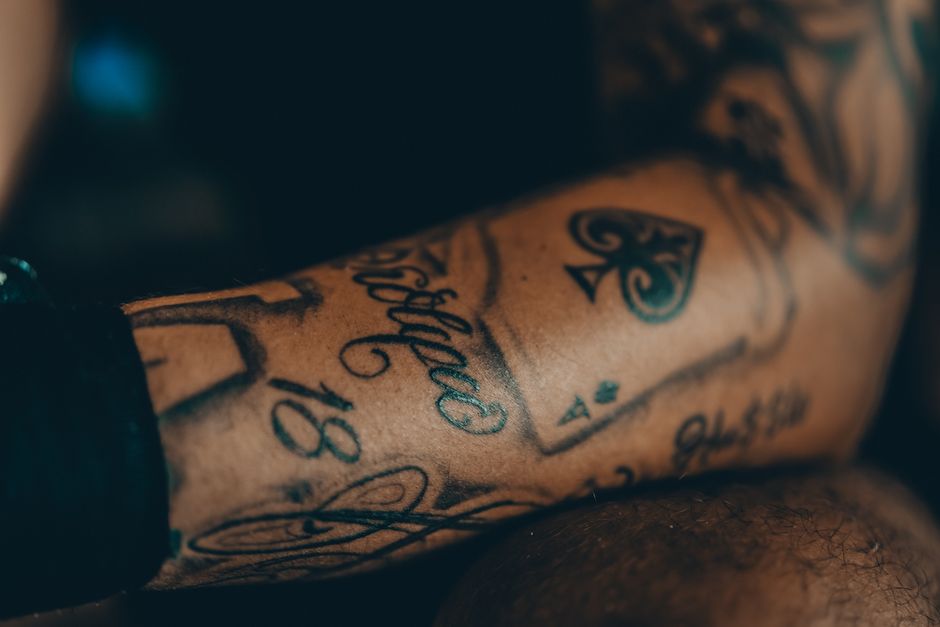
A properly healed tattoo should feel completely smooth and flat, blending seamlessly with the surrounding skin so you can barely tell where the ink begins by touch alone.
Think of your skin as a canvas that repairs itself. When ink is placed at the correct depth in the dermis, your body heals over it cleanly, leaving the surface level and even. You should be able to close your eyes, glide a finger across the piece, and not feel the design at all.
In the first few weeks, that's not the case yet. Fresh tattoos scab, flake, and feel textured as your skin rebuilds itself. That's normal. The real test comes months later, when everything has settled and the skin has fully recovered.
Why does the texture of a healed tattoo matter so much?
Texture matters because it's the physical fingerprint of technique, revealing whether a Tattoo Artist controlled needle depth, pressure, and speed correctly during the session.
Ink and design get all the attention, but texture tells the deeper story. Smooth healing means the artist worked the skin gently and precisely. Rough or raised healing often means the skin was pushed too hard, too deep, or gone over too many times.
For you as a client, texture is comfort and confidence. For you as an aspiring artist, it's proof of your craftsmanship. Learning to read healed skin is like learning to read the growth rings of a tree: it tells you exactly what happened underneath.
Pro Tip: When you look at a Tattoo Artist's portfolio, ask to see healed photos, not just fresh ones. Healed work is the honest measure of skill.
Why does my healed tattoo feel raised or bumpy?
A raised or bumpy healed tattoo is usually caused by mild scar tissue, overworked skin, or a natural reaction along the lines, and it can be either temporary or permanent depending on the cause.
Some raising is completely harmless. Many people notice their tattoo lines puff up slightly in heat, after exercise, or during weather changes. This is often a mild reaction from the immune system and usually flattens back out.
Permanent raising is different. It typically comes from technique problems: needles driven too deep, too many passes over the same line, or heavy-handed pressure that damages the skin. That kind of texture points to overworking, which can leave lasting ridges.
Temporary raising: Puffs up with heat, exercise, or allergies, then settles down.
Permanent raising: Consistent ridges you feel long-term, often from overworked or scarred skin.
Allergic texture: Certain ink pigments (often red) can cause bumps and irritation.
If you're concerned about a persistent reaction or infection, the American Academy of Dermatology's tattoo care guidelines are a trustworthy place to learn what healthy healing looks like.
How long does it take for a tattoo to feel normal again?
A tattoo's surface heals in about 2 to 3 weeks, but the deeper layers of skin can take 3 to 6 months to fully settle and reach their final, normal texture.
People often judge a tattoo too early. The surface may look done after a couple of weeks, yet the skin beneath is still rebuilding for months. During this window, some texture is expected and shouldn't alarm you.
Here's a simple timeline of what your skin goes through:
Days 1 to 6: Open wound stage. Tender, possibly weeping, definitely textured.
Week 1 to 2: Scabbing and flaking. The surface feels rough and dry.
Week 2 to 4: The top layer heals; a shiny or slightly raised feel is common.
Month 2 to 6: Deep healing completes and texture levels out to match surrounding skin.
Following proper aftercare during this whole process protects your final texture. Skipping it, or picking at scabs, is one of the fastest ways to end up with lasting bumps.
What texture is a warning sign of a bad tattoo?
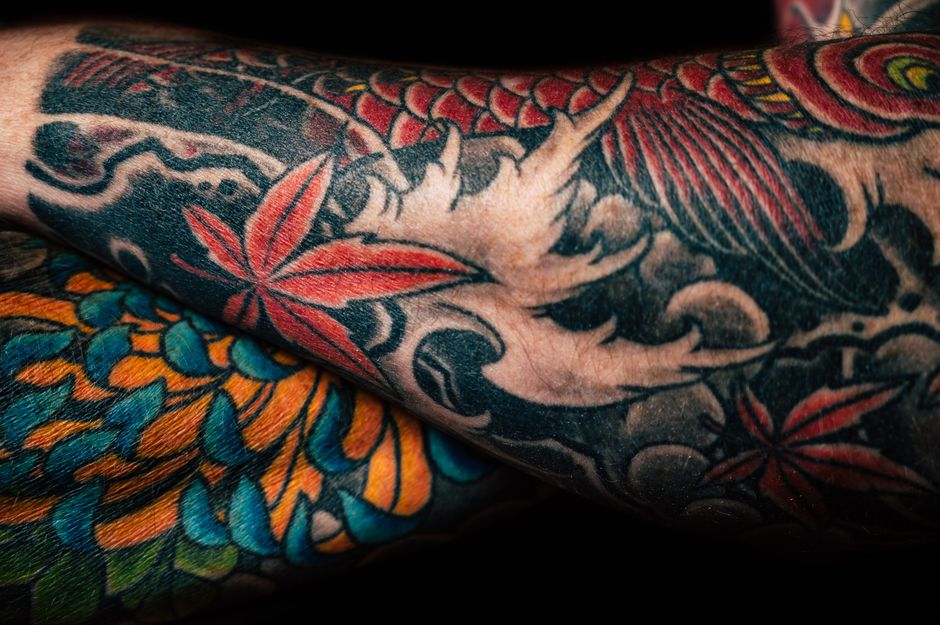
Warning-sign textures include deep permanent ridges along lines, patchy raised areas that never flatten, and blown-out lines that feel and look blurry, all pointing to technique or hygiene issues.
A little raising that comes and goes is fine. But certain textures are red flags you shouldn't ignore, especially if they come with pain, warmth, or discharge weeks after your session.
Persistent ridges: Hard, raised scar-like lines that never settle usually mean overworked skin.
Blowouts: Ink spread under the skin from needles going too deep, leaving a blurry, uneven feel.
Signs of infection: Ongoing swelling, heat, oozing, or pus needs a doctor, not patience.
Proper hygiene prevents many of these problems entirely. Every professional studio should follow strict cross-contamination controls, and the OSHA bloodborne pathogen standards set the baseline every serious Tattoo Artist is trained to meet. This is exactly the kind of foundation we drill into our apprentices, and avoiding these outcomes is covered in our guide on mistakes aspiring tattoo apprentices should avoid.
How do skilled Tattoo Artists control healed texture?
Skilled Tattoo Artists control healed texture by mastering three fundamentals: consistent needle depth, steady hand pressure, and the right number of passes, so the skin heals level instead of scarred.
Smooth healing isn't luck. It's the result of thousands of small, controlled decisions that a trained artist makes in real time. Depth is the big one: too shallow and ink falls out, too deep and you cause scarring and blowouts.
Here's what separates artists who leave silky-smooth work behind from those who don't:
Step 1: Read the skin. Every body part and every client heals differently. Great artists adjust to thickness and elasticity.
Step 2: Dial in depth. Ink belongs in the dermis, a precise layer that takes real practice to hit consistently.
Step 3: Control pressure and speed. Light, even movement prevents trauma that leads to ridges.
Step 4: Limit passes. Going over a line too many times overworks the skin and destroys smooth texture.
You can't learn this from a video or a weekend crash course. It takes live, in-person repetition under someone who has done it thousands of times. That's the difference between guessing and knowing, and it's why real mentorship is priceless.
How can you learn to create smooth, well-healed tattoos?
You learn to create smooth, well-healed tattoos through a structured, hands-on tattoo apprenticeship where a Mentor guides you on real needle depth, pressure, and healing over 18 to 24 months.
Maybe you're stuck in a job that drains you, feeling your creative potential slip away one dull shift at a time. Maybe you've been sketching for years, wondering if you'll ever turn that talent into a real income. Understanding healed texture is a hint at what this career actually demands: precision, patience, and a Mentor who cares.
At Ink Different Tattoos, we've spent over 15 years turning beginners into working professionals. Tattooing is one of the most AI-proof careers left, a craft that lives entirely in human hands and human skin. You can read more about that in our post on why Tattoo Artists are still essential.
If college never felt like your path, you're not alone. A growing number of people are choosing hands-on training instead, as we cover in tattoo apprenticeships as a college alternative. And if you're ready to trade a dead-end routine for something meaningful, our guide on the career-change tattoo apprenticeship shows you where to start.
What to expect from our Traditional Tattoo Apprenticeship
Ink Different's Traditional Tattoo Apprenticeship is an 18- to 24-month, four-phase Tattoo Artist training program that takes you from complete beginner to job-ready professional with real licensing support.
You don't need any prior art experience to begin. We built this tattoo apprenticeship for people starting from scratch, giving you personalized, hands-on instruction every step of the way, finishing inside real tattoo studios where the skin, the machine, and the pressure are all real.
Here's what your journey includes:
Four-phase structure: Fundamentals to independent client work, built in a logical progression.
Live, in-person mentorship: Learn depth and healing from Mentors who correct you in real time.
Licensing support: We help you navigate the requirements to work legally in your state.
Good Humans culture: A supportive, family-like community that has your back the whole way.
Licensing rules vary by state, so knowing your local path matters. If you're in Texas, see how to get your tattoo license in Texas. Interested in California or Colorado? We also have guides on transferring a tattoo license to California and how long a tattoo license takes in Colorado. For job outlook and industry context, the Bureau of Labor Statistics on craft and fine artists tracks this growing field.
Want to master a specific style or launch a brand?
Ink Different's Master Mentorship is a one-year, in-person tattoo apprenticeship where beginner and experienced Tattoo Artists train alongside award-winning Master Mentors to accelerate skill, specialize in a style, and build your brand.
Is training available in Spanish?
Yes, Ink Different offers Spanish-speaking training in multiple locations including Denver, Orange County, NYC, Miami, San Antonio, and San Diego.
Ready to Become a Tattoo Artist?
Understanding healed texture is a small window into a much bigger truth: tattooing is a real craft that rewards skill, patience, and great mentorship. Seats in our tattoo apprenticeship are limited.
Ready to become a Tattoo Artist? Apply now to Ink Different's Traditional Tattoo Apprenticeship and start building an AI-proof career with licensing support along the way. Want to know if it's the right fit first? Fill out our quick questionnaire for personalized guidance.

Frequently Asked Questions
Should a healed tattoo be smooth or raised?
A fully healed tattoo should feel smooth and flat, matching the surrounding skin. Mild temporary raising with heat or exercise is normal, but permanent ridges usually signal overworked skin or technique issues.
How long until my tattoo feels completely normal?
The surface heals in 2 to 3 weeks, but deeper skin layers can take 3 to 6 months to fully settle before texture matches the surrounding skin.
Why does my healed tattoo feel bumpy along the lines?
Bumpy lines often come from mild skin reactions that fade, or from overworked skin and scarring from too many passes or heavy-handed pressure.
Do I need art experience to learn how to tattoo smoothly?
No. Ink Different's Traditional Tattoo Apprenticeship is built for beginners with no prior experience and teaches proper needle depth, pressure, and healing from day one.
How long is Ink Different's Tattoo Apprenticeship Program?
The Traditional Tattoo Apprenticeship runs 18 to 24 months across four phases. You start remotely to build fundamentals, then finish inside real Tattoo Studios with hands-on mentorship.
What makes Ink Different different from other training options?
Ink Different offers live, in-person mentorship, over 15 years of experience, award-winning mentors, licensing support, and a supportive Good Humans community, all as a college alternative.