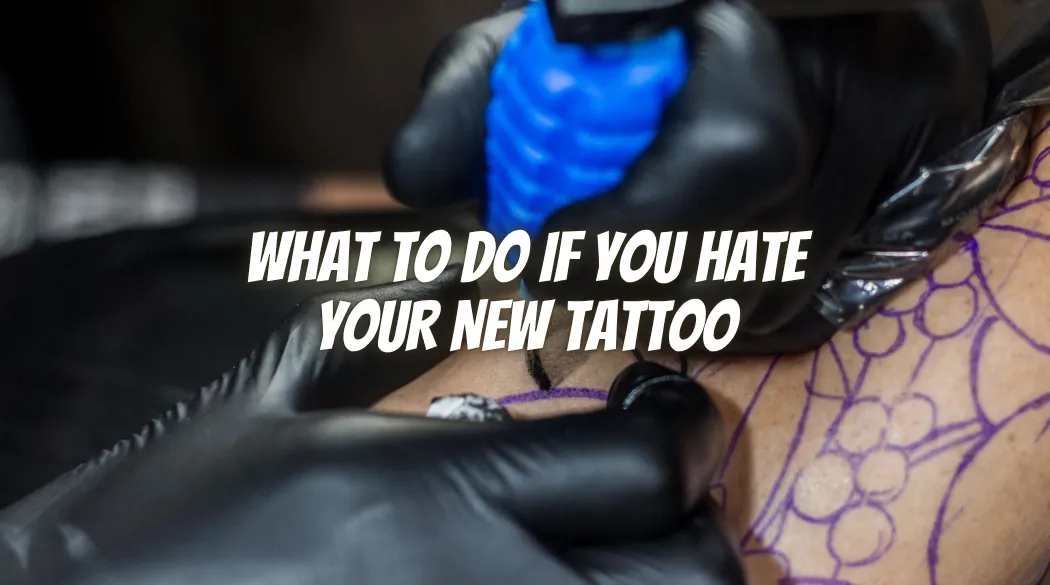
What to Do If You Hate Your New Tattoo
That sinking feeling when you peel back the bandage and your heart drops: you were supposed to love this forever, and right now you kind of hate it. Almost everyone who has ever been inked has sat in that exact spot, staring at fresh work and wondering if they made a mistake. The good news from the team at Ink Different Tattoos is that most tattoo regret is temporary, fixable, or completely avoidable with the right knowledge.
Tattoo regret is the feeling of dissatisfaction or anxiety you experience after getting a tattoo, often triggered by the healing process, mismatched expectations, or working with an artist who wasn't the right fit for your vision.
Key Takeaways
Wait first: Fresh tattoos look swollen, scabby, and dull for 2 to 4 weeks before settling into their true appearance.
Don't panic: Most early tattoo regret fades once the skin fully heals and color brightens.
You have options: Touch-ups, cover-ups, reworks, and laser removal can all fix a tattoo you dislike.
Prevention wins: Choosing a skilled, licensed artist is the single best way to avoid regret.
Turn pain into purpose: Hating a tattoo often sparks the desire to learn the craft properly yourself.
Why do some people hate their new tattoo at first?
Most people hate their new tattoo at first because fresh ink is swollen, red, and crusted with scabs, which hides the clean, settled look the design will have once fully healed. Your skin just went through controlled trauma. The redness, the shine, the raised texture: none of that is the finished product. What you see in week one is a wound, not a work of art.
On top of the physical healing, your brain plays tricks too. You spent weeks imagining the tattoo one way, and the reality takes time to match the picture in your head. That gap between expectation and reality is where regret loves to hide.
Pro Tip: Do not judge a tattoo until it has fully healed. Give it a minimum of four weeks before you decide how you truly feel about it.
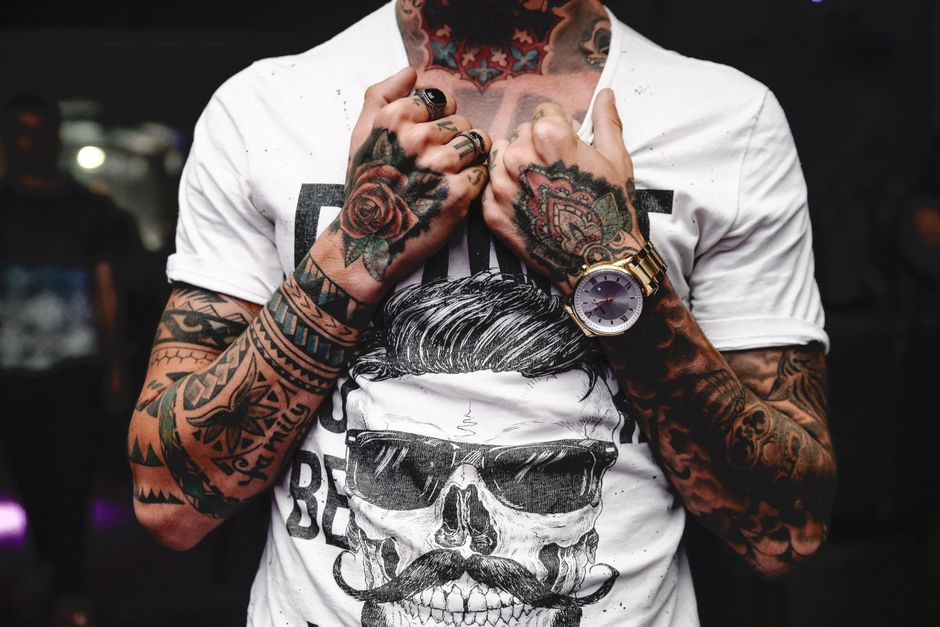
How do you know if it's just healing or a real problem?
You can tell the difference by waiting through the full healing cycle: if the tattoo brightens and sharpens over a few weeks, it was just healing, but blurred lines, patchy color, or crooked placement that remain are real problems. During healing, your tattoo passes through predictable stages. The American Academy of Dermatology outlines proper tattoo care guidelines that help you heal cleanly and avoid infection, which can distort a design and make temporary issues feel permanent.
Watch for these signs of a genuine craftsmanship issue versus normal healing:
Blown-out lines: Ink that spreads under the skin into a blurry haze is a technique problem, not healing.
Patchy or faded color: Spots that stay light after full healing may need a touch-up.
Crooked placement: Alignment issues will not correct themselves over time.
Misspelled or wrong design: A real mistake that healing cannot fix.
What steps should you take if you hate your new tattoo?
If you hate your new tattoo, follow a calm, step-by-step process: let it heal, protect it properly, assess it with fresh eyes, then talk to your artist about touch-ups or alternatives before considering removal. Acting in panic leads to worse decisions. Here is the path smart people take instead.
Step 1: Let it heal completely
Give your tattoo at least four weeks. Follow aftercare instructions, keep it clean, and resist judging it until the scabs are gone and the color has settled.
Step 2: Protect it while you wait
Avoid sun, soaking, and picking. Healthy healing can transform a tattoo you thought you hated into one you can live with, or even love.
Step 3: Reassess with fresh eyes
Once healed, look at it in different lighting and ask trusted friends for honest feedback. Your initial reaction is rarely your final verdict.
Step 4: Talk to your artist
Many artists offer free touch-ups within a set window. A small adjustment to color saturation or line crispness can change everything.
Step 5: Explore your bigger options
If it is still a problem, research cover-ups, reworks, or removal. You have more control than that first panicked moment made you believe.
What are your options for fixing a tattoo you dislike?
Your options for fixing a disliked tattoo include a touch-up, a rework by a more skilled artist, a cover-up with a new design, or laser removal to lighten or erase it entirely. Each path fits a different situation, so match the fix to the problem.
Touch-up: Best for minor fading, patchy color, or lines that need sharpening after healing.
Rework: A talented artist can redraw, add shading, or restructure a weak design into something strong.
Cover-up: A larger, darker new design conceals the old one, often turning a regret into something you are proud of.
Laser removal: A medical process that gradually breaks down ink; slower and more costly, but it works for full erasure.
Here is the truth that stings a little: the quality of your artist determines almost every one of these outcomes. A great artist prevents the problem, and a great artist is also who you want executing the fix.

How can you prevent regret before the needle touches skin?
You prevent tattoo regret by choosing a licensed, highly skilled artist, reviewing their healed portfolio, approving the final design before your appointment, and never rushing the decision. Prevention is cheaper, faster, and far less painful than any fix. The single biggest factor is who holds the needle. Skill, hygiene, and communication separate a tattoo you treasure from one you hide.
Before you book, do this:
Study the artist's healed work, not just fresh shots that always look flawless.
Confirm the studio follows OSHA bloodborne pathogen standards for safety and sterilization.
Approve the stencil and placement on your skin before any ink goes in.
Sleep on big decisions; permanent art deserves patience.
If you want to dig deeper, our guide to mistakes aspiring tattoo apprentices should avoid reveals the exact errors that produce regret, straight from the chair.
What does hating your tattoo teach you about being an artist?
Hating a tattoo teaches you that craftsmanship is everything, and for many people that frustration becomes the spark that drives them to learn to tattoo the right way themselves. Think about where your regret really came from. It usually traces back to an artist who rushed, who lacked training, or who never learned under a true mentor. That realization is powerful. It means the difference between a tattoo you love and one you hate is learnable skill.
A lot of people who end up in our chairs as apprentices started exactly where you are now: staring at ink they wished was better and thinking, "I could do this, and I could do it right." That seed of frustration is often the beginning of a whole new career. Tattooing is one of the most human, hands-on crafts left standing. As we explain in our post on why tattoo artists are still essential, no machine can replace the connection between a skilled artist and a living client. That makes it an AI-proof path worth taking seriously.
How Ink Different trains you to tattoo without regret
Ink Different Tattoos trains aspiring artists through a hands-on Traditional Tattoo Apprenticeship built to produce confident, licensed professionals who create work clients love, not regret. For 15 years, since 2011, we have mentored people from every background into skilled Tattoo Artists. We are a college alternative for those who crave a creative, meaningful career instead of a cubicle and a commute that drains the life out of them.
What you can expect from our Traditional Tattoo Apprenticeship
Our Traditional Tattoo Apprenticeship runs 18 to 24 months across a proven four-phase structure. You train hands-on in real tattoo studios doing hands-on work under live, in-person guidance from experienced Mentors.
Beginner friendly: No prior art experience required; we build your skills from the ground up.
Personalized training: One-on-one mentorship, not a crowded classroom.
Licensing support: We help you earn the credentials you need to work professionally.
Job-ready skills: You graduate able to execute clean, confident work that holds up after healing.
A career that comes with confidence
When you truly understand line work, shading, color theory, and sterilization, you stop producing tattoos people regret. That is confidence, and it is the foundation of an AI-proof career. You also graduate with licensing support and a guaranteed job offer at one of our tattoo studios. According to the Bureau of Labor Statistics, skilled craft and fine artists continue to find demand for genuine, handmade work that machines cannot replicate.
Mentorship that pushes your brand and skills further
Ready to level up fast? Our one-year, in-person Master Mentorship puts you alongside celebrity and award-winning Mentors like Al Fliction, Liz Cook, Kyle Dunbar, Boneface, and Jordi Pla. It is built for intensive skill development, mastering a style, and launching a business you own.
Making tattoo training accessible for everyone
Ink Different operates nationwide, with the Traditional Tattoo Apprenticeship available in 60+ locations, including Spanish-speaking locations in Denver, Orange County, NYC, Miami, San Antonio, and San Diego.
Remember: Seats in our tattoo apprenticeship are limited because real mentorship cannot be mass-produced.
Ready to turn regret into a career?
Maybe a tattoo you hate is the loudest sign yet that you are meant to do this better. If you have been wondering whether now is the right moment, our posts on tattoo apprenticeships as a college alternative and career change tattoo apprenticeship will show you the door is wide open.
Ready to become a tattoo artist? Apply now to Ink Different's Traditional Tattoo Apprenticeship and start building an AI-proof career with licensing support along the way. Or fill out our quick questionnaire to get personalized guidance and find out if our Traditional Tattoo Apprenticeship is right for you.
Frequently Asked Questions
How long should I wait before deciding I hate my tattoo?
Wait at least four weeks. Fresh tattoos look swollen, scabby, and dull during healing, so the true appearance only emerges once the skin fully recovers and color settles.
Can a tattoo I hate be fixed?
Yes. Most disliked tattoos can be improved with a touch-up, a professional rework, a cover-up design, or laser removal. The right fix depends on the specific problem.
How do I avoid tattoo regret next time?
Choose a licensed, highly skilled artist, review their healed portfolio, confirm the studio follows OSHA safety standards, and approve the final stencil and placement before any ink goes in.
Do I need art experience to become a tattoo artist with Ink Different?
No. The Traditional Tattoo Apprenticeship at Ink Different Tattoos is built for beginners and teaches drawing and tattooing fundamentals from day one through hands-on mentorship.
How long is the Ink Different Traditional Tattoo Apprenticeship?
The Traditional Tattoo Apprenticeship takes 18 to 24 months across a 4-Phase structure. You start remote to build foundations, then finish hands-on in real tattoo studios with live mentorship.
Is tattooing a stable career in the age of AI?
Yes. Tattooing is a hands-on, human craft that machines cannot replicate, making it an AI-proof career with steady demand for skilled, licensed artists.