Why AI Tattoo Designs Can Be Misleading
AI Tattoo Designs Look Great Online, but Are They Real?
If you've ever scrolled through Pinterest or TikTok and stumbled across a tattoo design so gorgeous, chances are it wasn't made by a human. AI image generators have taken over creative spaces online, and tattoo content is no exception. Right now, over 150 million people use AI image tools every single month, pumping out around 80 million images a day. A huge chunk of those are tattoo designs, and they're everywhere.
The problem is, a lot of people don't know they're looking at AI-generated work. These images get pinned, saved, screenshotted, and brought into tattoo studios across the world with the expectation that a Tattoo Artist can just recreate it. And that's where things get complicated. What looks like a stunning tattoo reference image is often something that was never meant to exist on skin at all.
Read on as we break down exactly why AI designs can mislead you before you even sit in the chair. We’ll also tell you what to do instead so your actual tattoo turns out the way you envisioned it.
AI Designs Are Built to Look Good, Not to Work on Skin
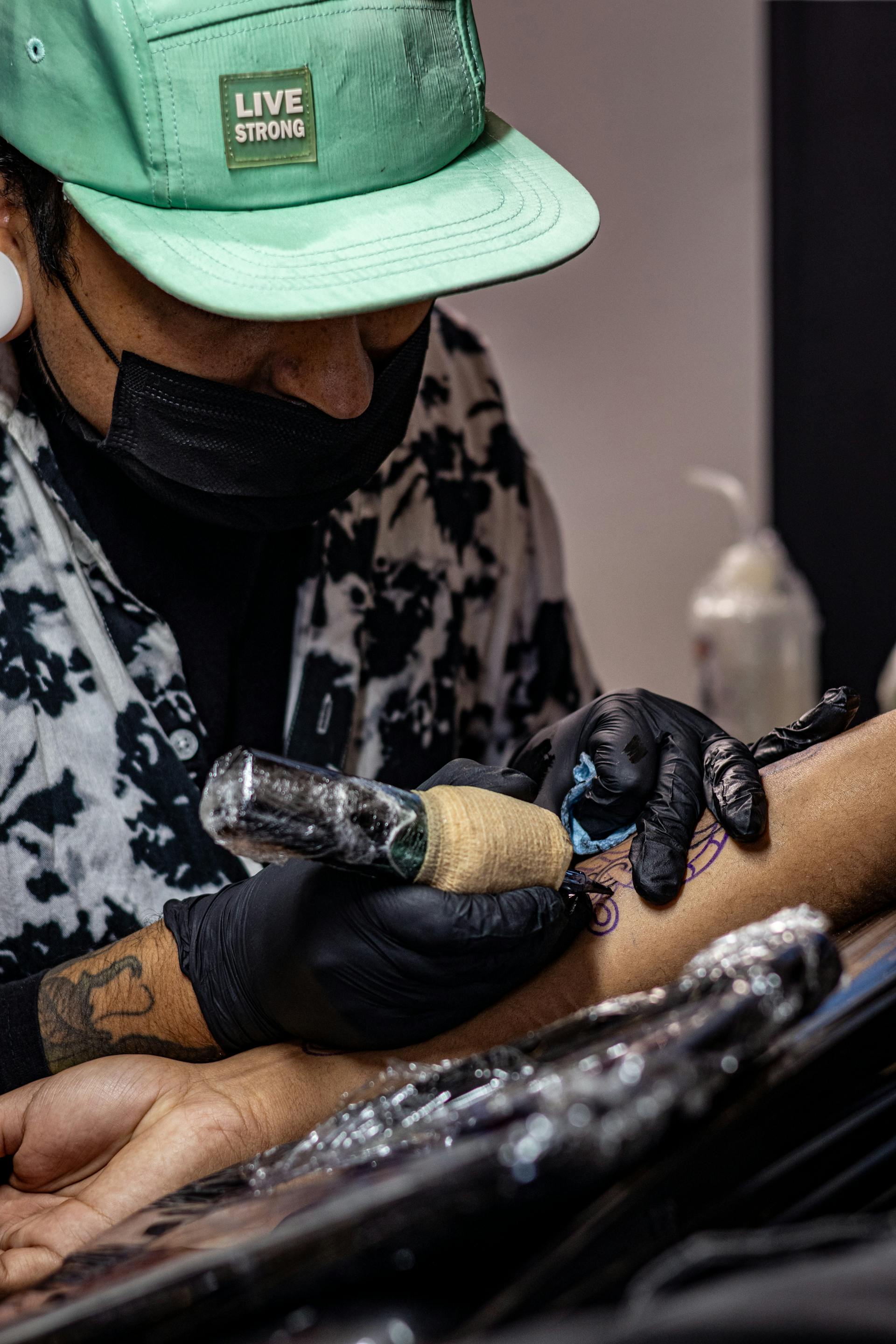
AI doesn't understand tattoos. It understands pixels. When an AI generates a tattoo design, it's pulling from thousands of reference images and producing something that looks visually appealing on a screen. The result is often a design packed with hyper-fine details, impossible gradients, and shading so subtle it practically blends into nothing.
The reality is that ink on skin behaves very differently from a digital file. Lines need to be thick enough to hold up over time. Shading needs contrast to survive the healing process. Details that look crisp on a 4K screen become a blurry mess when translated to actual skin. AI has no concept of needle size, ink spread, or what happens when your skin stretches or ages. It just makes things look pretty, and that's a completely different goal from making something that works as a tattoo.
AI Has No Idea How Tattoos Age
Here's something a lot of people don't think about when they're in love with a design: tattoos are permanent, and they change. Fine lines blur over the years. Tightly packed black areas can spread and lose definition. Tiny details that look sharp right after a session can fade into each other within a few years.
AI doesn't account for any of this. It generates a design that looks incredible on day zero, with no consideration for what it'll look like on year five. A skilled Tattoo Artist thinks about longevity when drawing up a custom design, choosing line weights, spacing, and shading techniques that will hold up long-term. AI skips all of that because it simply doesn't know it needs to.
Body Placement Doesn't Exist in AI's World
AI works on a flat, two-dimensional canvas. Your body is anything but. Arms curve. Ribs expand and contract with every breath. Shoulders have natural contours that shift depending on how you move. A design that looks perfectly balanced and symmetrical on screen can end up stretched, warped, or distorted when it's placed on an actual body part.
Professional Tattoo Artists spend years learning how to design for the body, not just on paper. They understand how a design needs to be adjusted to flow with muscle and bone. They know how placement affects the way a tattoo reads from different angles, and make a design feel like it belongs on your skin. AI generates designs in a vacuum, completely disconnected from the body they're supposed to live on.
AI Mixes Styles Without Rules
Tattoo styles each have their own rules, their own history, and their own technical requirements. Traditional tattooing uses bold outlines and flat color fills. Realism relies on gradual tonal shifts and no harsh outlines. Blackwork is built on strong contrast and deliberate negative space. These aren't just aesthetic choices; they're techniques that exist for specific reasons.
AI pulls from all of these styles at once without understanding any of them. It might generate something with a realistic face, watercolor splashes in the background, and geometric linework all in the same piece. Then, they’re blended together in a way that looks interesting on screen but is a nightmare to actually execute. A professional Tattoo Artist looking at an AI-generated design often has to untangle multiple conflicting style choices just to figure out what the client actually wants. That's extra work, and it can lead to miscommunication about the final result.
Clients Get Attached to Something That Can't Be Tattooed
This is honestly the hardest part of the whole AI tattoo situation. You find a design online, you fall completely in love with it, you save it, maybe you even show your friends. By the time you walk into a tattoo studio, you're emotionally invested. And then a Tattoo Artist sits down with you and has to explain that what you've brought in isn't actually achievable as a tattoo.
That conversation is awkward for everyone. It's not that the Tattoo Artist doesn't want to help you; they absolutely do. But an AI-generated design with impossible details and unrealistic shading cannot work on skin. The gap between what AI can generate and what can actually be tattooed is massive, and it can create frustration and disappointment on both sides. Going in with realistic expectations and the right kind of references makes the whole process smoother and gets you a tattoo you'll genuinely love.
What to Bring to Your Tattoo Consultation Instead
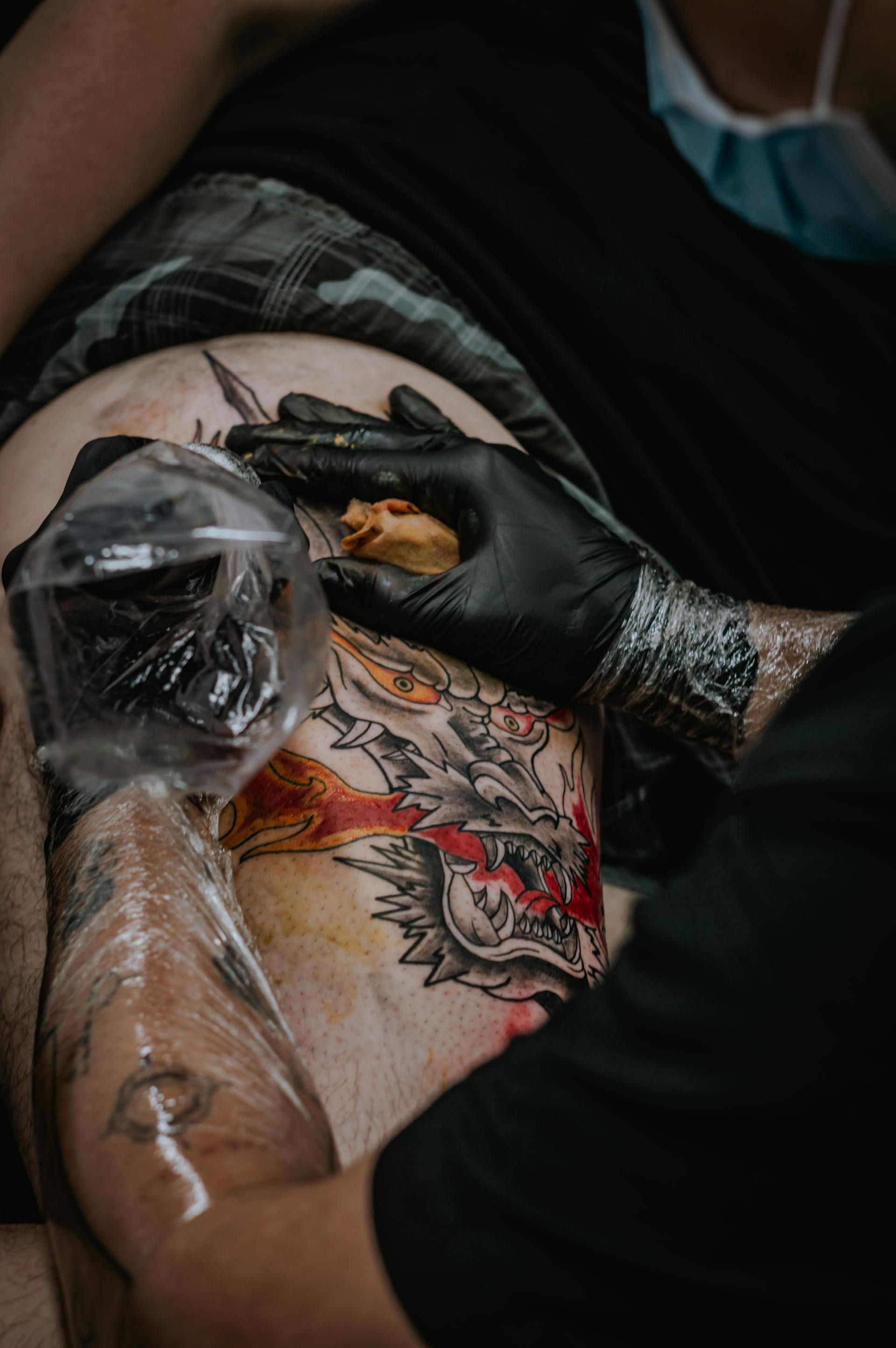
So if AI designs aren't the move, what should you actually bring? The good news is that putting together solid reference material doesn't have to be complicated. A few well-chosen references will tell your Tattoo Artist so much more than a single AI image ever could.
Here's what actually helps:
Photos of real tattoos in the style you want
Multiple references for different elements
The body placement you have in mind
A general idea of what feeling or mood you're going for.
Questions, honestly
The consultation is a conversation, not a transaction. Bringing these kinds of references opens the door to genuine creative collaboration, and that's where the best tattoos come from.
How Ink Different Tattoos Handles Design the Right Way
After everything we've covered, it's clear that a great tattoo starts long before the needle ever touches skin. It starts with expertise, honest conversations, and a design process built around what actually works. At Ink Different Tattoos, that's exactly what you get.
Here's what makes the experience different:
Tattoo Artists who listen first: At Ink Different Tattoos, the design process starts with understanding you, your story, your ideas, and your expectations. The goal isn't just to put ink on skin. It's to create something that actually means something and holds up over time.
Custom designs built for your body: No cookie-cutter work here. Every design is created with your specific placement, skin tone, and lifestyle in mind. The Tattoo Artists at Ink Different Tattoos know how to translate an idea into something that flows naturally with your body.
A clean, safe, and professional studio environment: Hygiene and safety aren't afterthoughts. Our tattoo studio follows strict protocols so you can focus on the fun part of the process without having to worry about anything else.
Mentorship woven into every level: Ink Different Tattoos is also home to the Traditional Tattoo Apprenticeship. This means every Tattoo Artist working here operates within a culture of continuous learning, feedback, and growth.
When you walk into Ink Different Tattoos, you're not bringing in a screenshot and hoping for the best. You're starting a genuine conversation with people who are genuinely invested in getting your tattoo right.
Your Tattoo Deserves More Than an Algorithm
AI tools are impressive, and they're not going anywhere. But impressive visuals and great tattoos are two completely different things. A tattoo lives on your body permanently, through skin changes, aging, movement, and time. That's not something an algorithm can design for. It takes a real person with technical knowledge to create something that will still look good years down the road.
The next time you're planning a tattoo, and you find yourself tempted by a gorgeous AI image, save it for inspo. But don't bring it in as your final reference. Know what it actually is: a digital rendering with no understanding of skin, bodies, or the long game. Then book a consultation with someone who does understand all of that.
At Ink Different Tattoos, our team is ready to take your ideas and turn them into something worth wearing for life. Book your consultation with Ink Different Tattoos today, and let's build your next tattoo the right way.
Frequently Asked Questions
Can a Tattoo Artist use an AI design as a starting point?
Yes, but with significant modifications. A skilled Tattoo Artist can look at an AI image and redraw it in a way that's actually tattooable. Then, they’ll adapt the design to suit your body placement and skin.
Why do AI tattoo designs look so realistic if they can't actually be done?
AI generates images based on what looks visually appealing on a screen, not what works as a tattoo. The "realism" you see is a digital effect that ink and needles physically cannot replicate at that level of detail or subtlety.
How do I know if a tattoo design I found online is AI-generated?
Look for telltale signs like overly perfect symmetry, impossible fine details, and textures that look more like a digital painting. When in doubt, ask your Tattoo Artist.
Will an AI-generated tattoo fade faster than a custom one?
The issue isn't the source of the design; it's whether the design was adapted properly for skin. AI designs brought in without modification often contain elements that fade quickly because they weren't built with longevity in mind. A Tattoo Artist who reworks the design with proper structure gives you a much better long-term result.