Why Japanese Tattoo Studios Have a Different Set of Rules for Clients
Picture walking into a tattoo studio where you don't get to argue about the design, where cell phones stay in your pocket, and where earning a full-body suit can take years of showing up and proving your respect. That is the world of traditional Japanese tattooing, and it runs on a completely different rulebook than the one most Western clients know.
Japanese tattoo studio rules are the unwritten and written codes of conduct, commitment, and respect that govern how clients behave and how tattoos are earned inside a traditional Irezumi studio. If you are stuck in a dead-end job dreaming of a creative career, understanding this culture is more than trivia: it is a window into the discipline that separates hobbyists from professional Tattoo Artists.
At Ink Different Tattoos, we have spent over 15 years training aspiring Tattoo Artists to respect the craft the way the great Japanese masters do.
Key Takeaways
Rooted in respect: Japanese tattoo studios prioritize the client's trust in the artist over client control of design.
Commitment matters: Traditional Irezumi work is earned over months or years, not booked in a single afternoon.
Strict etiquette: Clients follow rules on silence, punctuality, discretion, and deference to the master artist.
A lesson for artists: These rules teach discipline, focus, and mentorship values that professional training reinforces.
Your path: Ink Different's Traditional Tattoo Apprenticeship builds this same respect for craft into a lasting career.
What Are Japanese Tattoo Studio Rules for Clients?
Japanese tattoo studio rules for clients are a set of cultural expectations that place trust in the artist, demand commitment to long projects, and require respectful, quiet, and discreet conduct inside the studio.
Traditional Japanese tattooing, known as Irezumi, is treated as a sacred craft passed down through generations. The studio is not a walk-in convenience store; it is closer to a workshop where a master (or "Horishi") controls the flow, the design, and the pace.
Clients often accept large-scale work that unfolds over many sessions. You do not simply point at a flash sheet and demand a matching piece. You place your body in the hands of the artist and trust their vision, their placement, and their timeline.
Why Do Japanese Tattoo Studios Have Different Rules?
Japanese studios have different rules because tattooing there carries deep historical, cultural, and social weight, shaped by centuries of tradition and a period when tattoos were tied to outsider status.
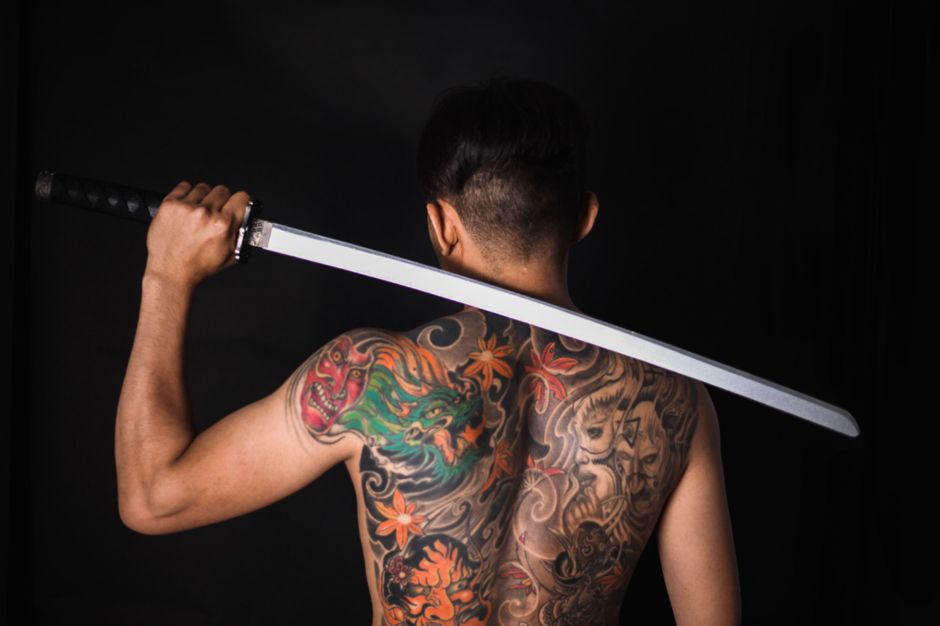
For much of Japanese history, Irezumi was both admired as a fine craft and stigmatized because of its association with the Yakuza. That tension created a culture of discretion. Many studios operate privately, by referral only, and expect clients to keep their work covered in public spaces like gyms and hot springs.
The rules also reflect the value placed on the artist's authority. In the West, the client is often "always right." In Japan, the artist is the trusted expert, and the client's job is to honor that expertise. Cultural historians and the Smithsonian have documented how this reverence shaped the craft into what many consider one of the most refined tattoo traditions in the world.
Pro Tip: The difference is not about strictness for its own sake. It is about protecting the integrity of a craft that takes a lifetime to master.
How Does Client Commitment Work in Traditional Japanese Studios?
In traditional Japanese studios, clients commit to long-term relationships where a single body suit can take dozens of sessions over one to five years, requiring patience, loyalty, and consistent attendance.
A full body suit is not an impulse buy. It is a journey. The client returns again and again, building trust with the artist session by session, watching the design grow across their skin like a garden maturing over seasons.
This commitment runs both ways. The artist invests enormous time in one client. In return, the client is expected to show up on time, follow aftercare guidance carefully, and not shop the unfinished work around to other studios. Loyalty is the currency.
If you are someone tired of half-finished projects and quick wins that never satisfy, this model has a powerful lesson: real growth comes from committing to something bigger than a single sitting. This is exactly the philosophy behind stepping into a structured apprenticeship. When you start your tattoo apprenticeship, you are planting seeds that will take time and care to grow into mastery.
What Etiquette Do Clients Follow Inside a Japanese Tattoo Studio?
Clients in Japanese tattoo studios follow etiquette that includes punctuality, silence during sessions, discretion about the artist's identity, respectful bowing, and complete trust in the artist's design decisions.
Here is how the client experience often unfolds, step by step:
Step 1: Get a referral. Many top studios only accept clients introduced by existing clients or trusted contacts.
Step 2: Consult with humility. You share your idea, then defer to the artist's placement, sizing, and composition.
Step 3: Arrive on time and quiet. Punctuality signals respect; excessive talking during work is discouraged.
Step 4: Follow aftercare precisely. Proper healing protects the artist's reputation and your investment.
Step 5: Keep it discreet. Covering large work in public and protecting the artist's privacy is standard.
Notice how hygiene and healing sit at the center of this etiquette. Professional standards like the OSHA bloodborne pathogen standards and the American Academy of Dermatology tattoo care guidelines reinforce the same idea: safety and respect for the skin are non-negotiable. These are the same standards that guide every professional tattoo artist, regardless of whether they're working in Kyoto or California.
Why Does the Master-Apprentice Relationship Matter So Much?
The master-apprentice relationship matters because Japanese tattoo knowledge is passed down through years of hands-on mentorship, not textbooks, making the human bond the true engine of the craft.
An apprentice in a traditional Irezumi studio might spend years mixing ink, cleaning, observing, and earning the right to touch skin. The relationship is built on patience, service, and trust. The client rules and the apprentice rules come from the same root: reverence for the craft and the people who carry it forward.
This is exactly why we believe live, in-person mentorship beats any shortcut. You cannot download decades of tattoo wisdom. You absorb it by standing next to a Mentor who has already walked the path. If you want to avoid the pitfalls beginners face, review our guide on the mistakes aspiring tattoo apprentices should avoid. When you understand the master-apprentice model, you understand why shortcuts fail and why mentorship matters.

What Can Aspiring Tattoo Artists Learn From These Rules?
Aspiring Tattoo Artists can learn that discipline, respect for the craft, patience, and deep mentorship create the foundation for a lasting, professional, and thriving career.
You do not have to move to Tokyo to absorb these values. The lessons translate directly to any studio, anywhere:
Respect the craft: Treat every line like it matters, because it lives on someone's skin forever.
Commit fully: Real skill is built through consistent, long-term practice, not weekend hacks.
Trust your Mentor: Growth accelerates when you learn from someone who has already mastered the path.
Protect the client relationship: Loyalty, safety, and discretion build a career that lasts.
Here is the truth that should light a fire under you: a hand-inked tattoo made by a skilled human is something no machine can replicate. The Bureau of Labor Statistics on craft and fine artists highlights the enduring demand for skilled hands. We explore this in depth in our post on why tattoo artists are still essential. Human craftsmanship cannot be automated away.
How Ink Different Builds Discipline Into Your Training
Ink Different Tattoos builds the same respect for craft found in Japanese tradition into a structured Traditional Tattoo Apprenticeship that turns beginners into job-ready professionals.
If you have been in an unfulfilling job while your creative potential goes unused, this apprenticeship is a serious college alternative for people who want to build a real career with their hands, not rack up debt chasing a degree that may not pay off.
What You Can Expect from Our Traditional Tattoo Apprenticeship
Our Traditional Tattoo Apprenticeship runs 18 to 24 months across a proven four-phase structure. You train hands-on in professional tattoo studios with personalized instruction. No prior art experience is required. We meet you where you are and grow you from there.
Phase-based growth: Structured training that builds skill layer by layer.
Start remote, finish in studios: Flexible entry with real in-person mentorship.
Beginner-friendly: Built for career changers with zero experience.
Licensing support: We help you navigate the path to working professionally.
A Career That Comes With Confidence
By the end of your tattoo apprenticeship, you walk away with job-ready skills, licensing support, and a guaranteed job offer at one of our tattoo studios, so you can step into the industry with confidence.
Mentorship That Pushes Your Brand and Skills Further
Ready to level up faster? Our Master Mentorship is a one-year, in-person program with celebrity and award-winning Mentors including Al Fliction, Liz Cook, Kyle Dunbar, Boneface, and Jordi Pla. It is built for both beginners and experienced artists who want intensive skill development, style mastery, and a real shot at business ownership.
Making Tattoo Training Accessible for Everyone
We offer Spanish-speaking locations in Denver, Orange County, NYC, Miami, San Antonio, and San Diego, because talent and discipline are not limited by language. Wherever you are, there is a seat waiting, though seats are always limited.
Remember: The Japanese masters did not wait for perfect conditions. They committed, showed up, and let the work shape them. You can too.
Ready to Become a Tattoo Artist?
The rules of Japanese tattoo studios all point to one truth: this craft rewards respect, patience, and commitment. What you need now is the right guide and a structured path. That is what we do, and we have been doing it since 2011.
Ready to become a Tattoo Artist? Apply now to Ink Different's Traditional Tattoo Apprenticeship and start building a lasting career, with licensing support along the way. Prefer to test the waters first? Fill out our quick questionnaire to get personalized support and find out if our Traditional Tattoo Apprenticeship is right for you.
Frequently Asked Questions
Why are Japanese tattoo studio rules stricter than Western ones?
Japanese studios treat tattooing as a sacred, centuries-old craft. Their rules protect the artist's authority, the studio's discretion, and the integrity of long-term work built on mutual trust and respect.
How long does a traditional Japanese body suit take to complete?
A full traditional Irezumi body suit takes one to five years with dozens of sessions. Clients commit to a long-term relationship with one master artist throughout the process.
Do I need art experience to start a tattoo apprenticeship?
No. Ink Different's Traditional Tattoo Apprenticeship is built for beginners and career changers. We teach drawing and machine skills from the ground up.
How long is the Ink Different Traditional Tattoo Apprenticeship?
The Traditional Tattoo Apprenticeship runs 18 to 24 months across a 4-Phase structure. You start remote to build foundations, then finish with hands-on training.
What makes Ink Different different from other training options?
Ink Different offers live mentorship from award-winning Mentors, 15+ years of experience, a supportive community culture, and licensing support as a genuine college alternative.
Can I train in Spanish with Ink Different?
Yes. Ink Different offers Spanish-speaking locations in Denver, Orange County, NYC, Miami, San Antonio, and San Diego, making professional training accessible to all.