Why Some Cities Have Stricter Tattoo Regulations Than Others
One city asks for a quick permit. The next wants a bloodborne pathogen certificate, health inspections, and months of supervised hours. Why the difference? Tattoo regulation is the set of local and state laws that govern who can tattoo, where they can work, and what safety and licensing standards they must meet.
At Ink Different Tattoos, we have spent 15 years helping aspiring Tattoo Artists make sense of these rules so they can build a real, AI-proof career.
Key Takeaways
No federal rule: Tattoo regulation is set at the state, county, and city level, so requirements vary widely.
Why cities differ: Population density, health department resources, and local politics can all shape how strict the rules are.
Common requirements: Bloodborne pathogen training, health inspections, apprenticeship hours, and licensing fees.
What it means for you: Knowing local laws early prevents wasted time and protects your future income.
Your path: A structured tattoo apprenticeship with licensing support removes the guesswork.
What are tattoo regulations and who sets them?
Tattoo regulations are the laws and health codes that control who can legally tattoo, usually set by state governments and enforced by county or city health departments. There is no single national law, which is why the rules feel inconsistent from one place to another.
Tattooing is common. According to Pew Research Center, about 32% of U.S. adults have at least one tattoo. In the United States, tattooing is treated as a public health matter, so your local health department is often the authority deciding what a tattoo studio must do to stay compliant.
The federal government steps in on workplace safety through the OSHA bloodborne pathogen standards, which cover how studios handle needles, blood, and sanitation.
Safety basics come from the top, but the specific requirements come from your own city and state. That layered system is the root of every “why is it stricter here” question you will ask.
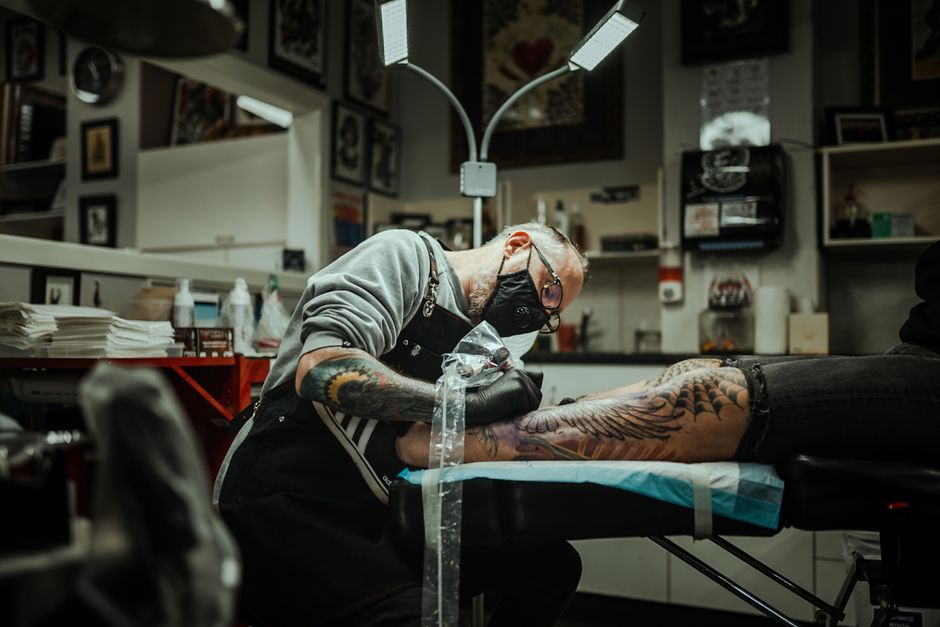
Why do some cities have stricter tattoo rules than others?
Some cities have stricter tattoo rules because of factors like higher population density, more active health departments, local politics, and a larger number of tattoo studios to oversee. More people and more shops can mean more regulation.
A big city with hundreds of tattoo studios has more to oversee, so officials may respond with detailed codes and frequent inspections. A small town with a couple of studios may require only a simple permit.
Local history matters too. New York City banned tattooing from 1961 until 1997. A place’s culture and political climate can leave a mark on its laws.
What factors make a city's tattoo laws tougher?
Tougher tattoo laws tend to come from cities with large populations, well-funded health departments, strong public-health advocacy, and a history of regulating body art closely. Several forces can stack on top of each other.
Here are the biggest drivers that can push a city toward stricter rules:
Population density: More residents and visitors can mean more clients and more oversight.
Health department funding: Better-funded departments can run more inspections and enforce more detailed codes.
Local politics: Consumer-protection-minded leadership can add licensing and training requirements.
Liability pressure: Tattoo studios and cities both want to limit risk.
Industry maturity: Established tattoo scenes may push for professional standards that raise the bar.
Pro Tip: Stricter does not necessarily mean worse for your career. Tougher licensing can protect your reputation and income by keeping out unsafe operators.
Which cities and states are known for strict regulations?
States like Oregon, Texas, and New York are known for detailed tattoo licensing and training requirements, while some areas keep rules minimal and leave most oversight to individual counties. The patchwork is real.
Oregon requires formal training hours and a state licensing exam, making it one of the more structured systems in the country. Texas requires studios to register and follow specific health codes, which we break down in our guide on how to get your tattoo license in Texas.
Colorado has its own timeline and steps, covered in how long a tattoo license takes in Colorado. And if you already hold a license and want to relocate, read our breakdown on transferring a tattoo license to California, where the rules differ again. The lesson: where you plan to work shapes exactly what you need to do.
How can you find out the tattoo laws in your city?
To find your local tattoo laws, start with your state health department website, then check your county and city health codes, and confirm the exact licensing steps before you invest time or money. A little research now saves months later.
Follow these steps to get clarity fast:
Step One: Search your state health department. Look for the body art or tattoo licensing section to learn the baseline requirements.
Step Two: Check county and city codes. Local rules can add inspections, permits, or additional training hours.
Step Three: Confirm apprenticeship requirements. Many places require supervised hours under a licensed Mentor before you can work solo.
Step Four: Verify bloodborne pathogen certification. Most jurisdictions require this before you touch a client.
Step Five: Ask a working professional. A Mentor who already operates in your area knows the real-world steps the websites miss.
You do not have to decode every code alone. A Mentor who has been through licensing in your area can save you months of guesswork.
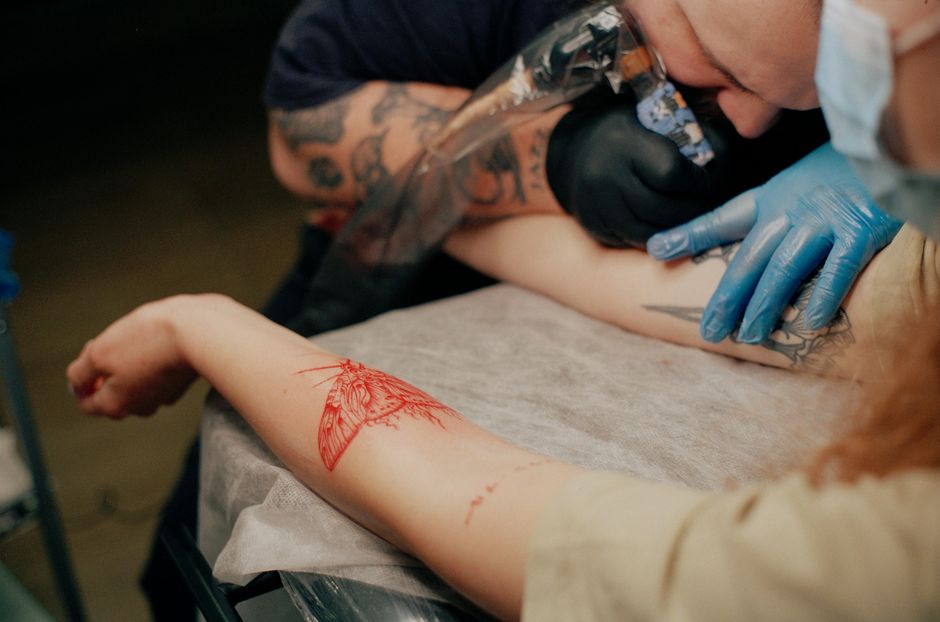
Why should aspiring Tattoo Artists care about local rules?
Local tattoo rules directly affect how fast you can start working, how much it costs to get licensed, and where you can legally build your income. Understanding them early protects your entire career path.
Imagine training for a year only to find that your city requires hours you never logged, or a certification you skipped. That is time you cannot get back.
Understanding regulations also protects your clients and your name. Safe, compliant work is what separates a respected professional from a liability. It is also part of why tattooing stays human and craft-driven, a point we make in why tattoo artists are still essential. A machine cannot read a client’s skin, adjust in real time, or carry the trust a licensed human earns.
Get serious about your tattoo career with Ink Different Tattoos
Our Traditional Tattoo Apprenticeship is an 18 to 24 month, four-phase tattoo apprenticeship built to take you from complete beginner to job-ready professional, with licensing support. You do not have to navigate the legal maze alone.
Here is what you can expect from our Traditional Tattoo Apprenticeship:
Personalized hands-on training guided by experienced, award-winning Mentors.
Real studio training: Learn in a working tattoo studio alongside experienced Mentors.
Beginner-friendly: No prior art experience required. We build your foundation from the ground up.
Licensing support tailored to the rules of the city and state where you plan to work.
We have spent 15 years training professional Tattoo Artists and treating this as a serious college alternative. One of the most useful things we teach is how to handle the regulations in your area so your license is never a surprise.
A career that comes with confidence
When you finish our Traditional Tattoo Apprenticeship, you walk away with job-ready skills, licensing support, a guaranteed job offer at one of our tattoo studios, and a clear understanding of licensing in your market. It is an AI-proof career. The human touch, the trust, and the craft are all yours.
Mentorship that pushes your brand and skills further
Our one-year, in-person Master Mentorship is designed for artists who want to master a specific style, grow their career, and move toward owning their own tattoo studio. It is intensive, focused, and built around live learning.
You train directly with celebrity and award-winning Mentors including Al Fliction, Liz Cook, Kyle Dunbar, Boneface, and Jordi Pla. Whether you are a beginner or an experienced artist ready to level up, this path accelerates your growth.
Making tattoo training accessible for everyone
Ink Different operates nationwide, with the Traditional Tattoo Apprenticeship available in 60+ locations, including Spanish-speaking locations in Denver, Orange County, NYC, Miami, San Antonio, and San Diego, so language is never a barrier to building your tattoo career.
Our “Good Humans” culture means you join a supportive, family-like community where nobody is left to figure it out alone. We help you understand the regulations and the pitfalls so you can focus on your craft.
Ready to become a Tattoo Artist?
The rules in your city will not change, but you can prepare for them. Seats in our tattoo apprenticeship are limited, because real, live, in-person mentorship takes time and attention.
Ready to become a Tattoo Artist? Apply now to Ink Different's Traditional Tattoo Apprenticeship and start building an AI-proof career with licensing support along the way. Prefer to test the waters first? Fill out our quick questionnaire to get personalized support and find out if the Traditional Tattoo Apprenticeship is right for you.
Frequently Asked Questions
Why do tattoo regulations differ from city to city?
Tattoo regulations differ because there is no federal rule. States, counties, and cities each set their own health codes, creating a patchwork of requirements.
Which authority regulates tattooing in most places?
In most areas, the local or county health department regulates tattooing, while workplace safety follows federal OSHA bloodborne pathogen standards. State governments typically set licensing and training rules.
How do I check the tattoo laws in my area?
Start with your state health department website, then review county and city codes, confirm apprenticeship and certification requirements, and ask a working licensed professional in your area for real-world guidance.
Do I need experience to start a tattoo apprenticeship?
No. Our Traditional Tattoo Apprenticeship is built for beginners and teaches drawing, machine handling, and safety from day one, with no prior art experience required.
How long does the Traditional Tattoo Apprenticeship take?
Ink Different's Traditional Tattoo Apprenticeship takes 18 to 24 months across four phases. You start remote and finish in a real Tattoo Studio with hands-on, personalized mentorship.
What makes Ink Different different from other options?
Ink Different offers live, in-person mentorship with award-winning Mentors, a “Good Humans” community, licensing support, and 15 years of experience training professionals as a true college alternative.
Related reading: tools every beginner tattoo artist should know, start your tattoo apprenticeship this spring, and why spring is the best time to become a tattoo artist. For aftercare knowledge, review the American Academy of Dermatology tattoo care guidelines.