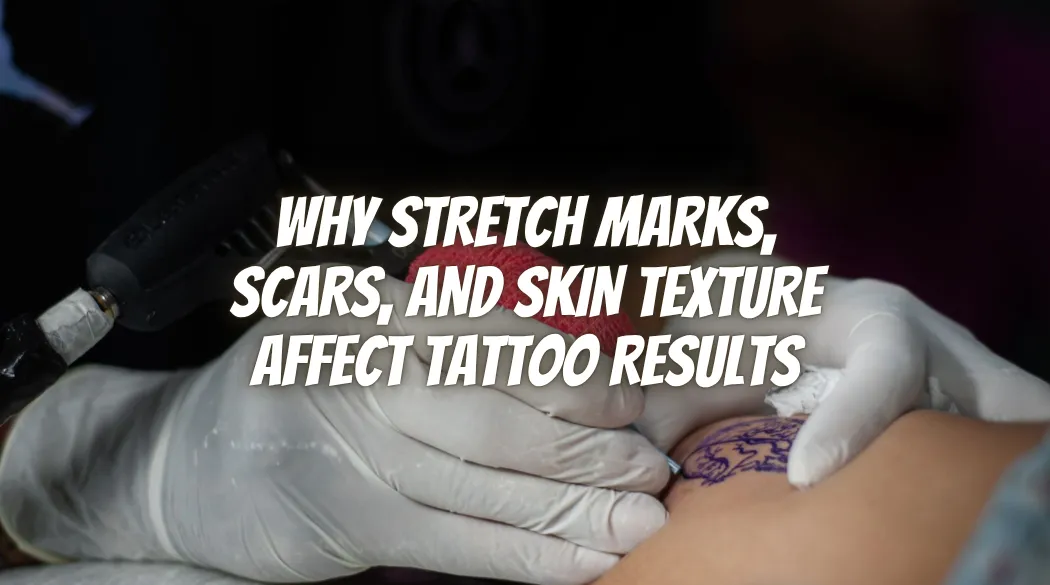
Why Stretch Marks, Scars, and Skin Texture Affect Tattoo Results
You've probably scrolled past a hundred flawless tattoo photos and thought, "My skin doesn't look like that." Real bodies carry stories: stretch marks from growth and life, scars from surgeries and accidents, and texture that shifts across every inch.
Skin texture, the natural variation in surface, elasticity, and density of human skin, including stretch marks and scars, directly changes how ink settles, heals, and ages. If you're an aspiring artist, understanding this is the difference between average work and work people trust. At Ink Different Tattoos, we teach you to read skin like a map, not fight it like an enemy.
A beautiful design on paper means nothing if you don't understand the living canvas underneath. That gap between "looks good on Instagram" and "holds up for 20 years" is exactly where real training earns its keep.
Key Takeaways
Why it matters: Stretch marks, scars, and skin texture change how ink absorbs, spreads, and heals over time.
Scars: Most scars can be tattooed once fully healed, usually after 12 to 18 months of maturing.
Stretch marks: These areas often need lighter passes and creative design choices to hold ink evenly.
Skill required: Working with textured skin is a learned craft, best developed through hands-on mentorship.
Where to learn: Ink Different Tattoos' Traditional Tattoo Apprenticeship trains you on real skin with award-winning Mentors.
Why does skin texture matter for tattoos?
Skin texture matters because ink behaves differently depending on the surface it enters, and uneven texture can cause blowouts, patchy healing, and premature fading.No two clients heal the same way, and no two body parts behave alike.
Think of skin as soil. Rich, even ground grows a clean line. Rocky, uneven ground scatters your seed and forces you to adjust your hand. A great Tattoo Artist reads the ground before planting anything.
Factors that shape how a tattoo turns out include:
Elasticity: Loose or stretched skin holds ink differently than firm skin.
Thickness: Thin areas like the inner wrist bruise and blow out faster.
Scar tissue: Denser, less predictable, and slower to accept pigment.
Age and sun damage: Older or damaged skin heals slower and fades quicker.
Pro Tip:The best artists slow down on unfamiliar texture. Speed comes from confidence, and confidence comes from repetition under a Mentor's eye.
How do stretch marks affect tattoo results?
Stretch marks affect tattoo results because the scarred, stretched tissue absorbs ink unevenly, meaning designs over these areas may look patchy or need extra sessions to settle correctly.
Stretch marks are a form of scarring where the skin's collagen has torn and rebuilt. That rebuilt tissue sits at a different depth and density than surrounding skin. When you run a Tattoo Machine over it without adjusting, some lines drop out, and others spread.
The good news for you and your future clients: stretch marks can be tattooed beautifully. The trick is design strategy and technique. Flowing organic designs, fine linework broken into sections, and thoughtful shading can turn textured areas into an advantage rather than a flaw.

Can you tattoo over scars?
Yes, you can tattoo over scars once they are fully healed, typically 12 to 18 months after the injury or surgery, when the tissue has matured and stabilized.
Scar tissue is unpredictable. It may be raised, sunken, shiny, or numb in patches. Because scar tissue lacks the normal structure of healthy skin, ink can migrate, blur, or refuse to take. This is why patience and knowledge protect both you and your client.
Safety comes first. Following OSHA bloodborne pathogen standards and proper aftercare guidance from sources like the American Academy of Dermatology tattoo care guidelines keeps your work clean and your reputation solid. Scar cover-ups and camouflage tattooing are advanced skills that command premium income precisely because so few artists do them well.
Warning:Never tattoo over a scar that is still red, raised, or actively healing. Rushing this step damages your client and your name.
How do professional artists read skin before tattooing?
Professional Tattoo Artists read skin by inspecting elasticity, texture, scarring, and healing history, then adjusting needle depth, speed, and design to match the living canvas in front of them.
This is not guesswork. It's a trained instinct built over hundreds of hours. A seasoned Tattoo Artist stretches the skin, feels the resistance, notes the fade patterns, and mentally maps how each area will heal months later.
This kind of judgment is exactly what you cannot learn from a YouTube video. It's why so many self-taught beginners make the same avoidable errors, which we cover in our guide to mistakes aspiring tattoo apprentices should avoid. Reading skin is a live skill, learned live.
How do you tattoo textured skin safely?
To tattoo textured skin safely, assess the area first, adapt your design, adjust your technique, work slowly, and prepare the client for realistic healing expectations. Follow these steps as a foundation:
Step 1: Assess the skin. Examine texture, scarring, and elasticity. Ask about the client's medical and healing history.
Step 2: Adapt the design. Choose flowing shapes and strategic linework that flatter irregular texture instead of exposing it.
Step 3: Adjust your technique. Change needle depth, angle, and machine speed to match the density of the tissue.
Step 4: Work in stages. Slow passes and multiple sessions often deliver cleaner results on stretch marks and scars.
Step 5: Set expectations. Tell the client textured areas may need touch-ups. Honesty builds trust and repeat business.
Master these steps, and you unlock work that few artists can offer. That's how you stop competing on price and start being sought out for skill. Knowing your equipment inside and out matters here too, which is why we recommend reviewing the tools every beginner tattoo artist should know.
Where do you learn to work with challenging skin?
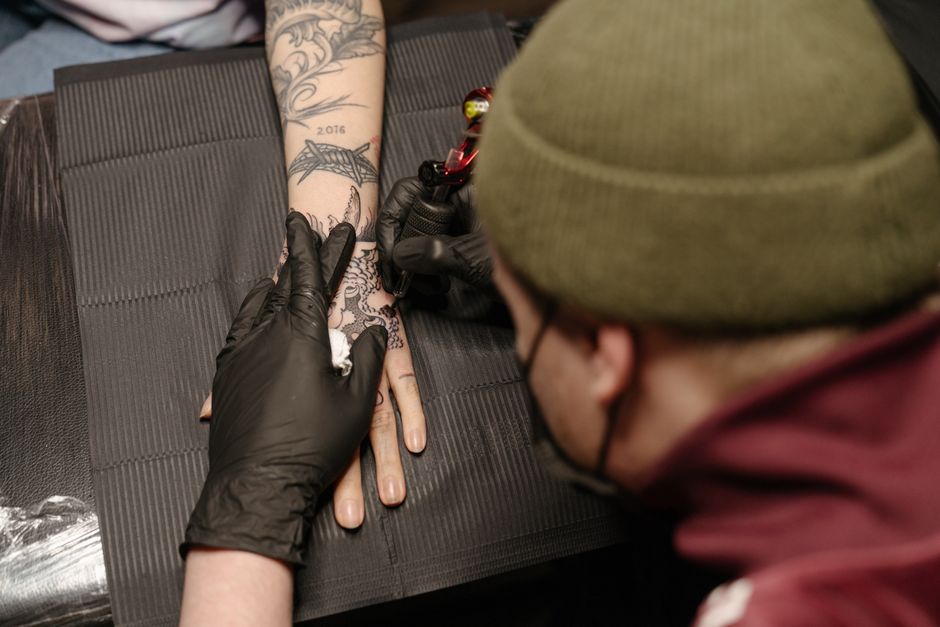
You learn to work with challenging skin through hands-on, in-person mentorship in a real tattoo studio, where you practice on genuine skin under the direct supervision of experienced Mentors.
Tattooing is also one of the most AI-proof careers around. A machine cannot read living skin, adjust to a scar, or comfort a nervous client, as we explain in why Tattoo Artists are still essential.
Get serious about your craft with Become A Tattoo Artist
Ink Different Tattoos' Traditional Tattoo Apprenticeship is a hands-on, 18- to 24-month training program built as a college alternative for aspiring Tattoo Artists who pursue excellence and want to master challenging skin.
For 15 years, we've trained beginners with no formal art background into working professionals. Our four-phase tattoo apprenticeship teaches the exact skin-reading skills this article describes in real tattoo studios. You'll graduate knowing how to handle stretch marks, scars, and every texture a real client walks in with.
What makes this apprenticeship different?
Most apprenticeships leave you hanging. Ours doesn't. You get personalized, hands-on training, licensing support by state, and job-ready skills from day one. No prior experience is needed to begin.
Master mentorship from award-winning artists
Our one-year, in-person Master Mentorship trains beginner and experienced Tattoo Artists alongside celebrity and award-winning Master Mentors like Al Fliction, Liz Cook, Kyle Dunbar, Boneface, and Jordi Pla. It's ideal for mastering a specific style, growing your career, and owning your own business.
Training locations near you
We offer Spanish-speaking locations near Denver, in Orange County, near NYC, in Miami, near San Antonio, and in San Diego, so more aspiring Tattoo Artists can join our "Good Humans" community and family-like culture.
Seats in our tattoo apprenticeship are limited, so the Tattoo Artists who act are the ones who grow.
Ready to become a Tattoo Artist?
Every scar, stretch mark, and texture is a chance to prove your skill. The world needs professionals who can serve real people with confidence and care.
Ready to become a Tattoo Artist? Apply now to Ink Different's Traditional Tattoo Apprenticeship and start building an AI-proof career with licensing support along the way. Or fill out our quick questionnaire to get personalized support and find out if our Tattoo Apprenticeship Program is right for you.
Frequently Asked Questions
Can you tattoo over stretch marks?
Yes. Stretch marks can be tattooed successfully, but the scarred tissue needs lighter passes, adapted designs, and sometimes multiple sessions for even results.
How long after a scar heals can you get a tattoo?
Most scars should mature for 12 to 18 months before tattooing. The tissue must be fully healed, flat, and no longer red or sensitive to touch.
Do I need art experience to learn how to tattoo textured skin?
No. Ink Different Tattoos' Traditional Tattoo Apprenticeship is built for beginners and teaches drawing fundamentals and skin-reading skills from day one under live Mentors.
What makes Ink Different's Tattoo Artist Training unique?
Ink Different offers live, in-person mentorship with award-winning Mentors, a college alternative structure, fifteen years of experience, and state-by-state licensing support for job-ready graduates.
How long is the Traditional Tattoo Apprenticeship?
The Traditional Tattoo Apprenticeship takes 18 to 24 months across four phases, finishing with hands-on training in real tattoo studios.
Is tattooing a safe career from automation and AI?
Yes. Tattooing is AI-proof because machines cannot read living skin, adapt to scars, or build human trust, keeping skilled Tattoo Artists in steady demand.