Why You Should Never Get a Tattoo While Sick or Run Down
You have been counting down the days. The design is finalized, the appointment is booked, and then it hits: a scratchy throat, a heavy head, that run-down feeling that tells you your body is fighting something.
Getting a tattoo while sick is the practice of receiving a tattoo when your body is fighting illness or is physically depleted, which stresses your immune system, slows healing, and raises the risk of infection and poor ink retention.
Here at Ink Different Tattoos, we have watched thousands of clients face this exact crossroads, and the answer is almost always the same.
Key Takeaways
Immune load: A tattoo is a controlled wound, so your body cannot fight illness and heal fresh ink simultaneously without compromise.
Healing delays: Being run down slows healing, dulls ink retention, and increases infection and blowout risk.
Reschedule signals: Fever, active infection, fatigue, or antibiotics are clear reasons to postpone your session.
Pre-tattoo prep: Rest, hydration, and a solid meal in the days before help your skin accept ink cleanly.
Professionalism: Skilled Tattoo Artists screen clients for health, a judgment call taught in real apprenticeships.
Why should you never get a tattoo while sick?
You should never get a tattoo while sick because a tattoo is an open wound, and your immune system cannot heal that wound properly while it is already busy fighting an illness.
Think of your immune system as a small crew of firefighters. On a normal day, they can handle the controlled burn of a fresh tattoo with ease. But when you are sick, that same crew is already stretched across town battling a bigger blaze. Ask them to handle two emergencies at once, and something gives.
The result is a healing process that drags on, colors that settle unevenly, and a much higher chance of complications. Your body simply cannot pour its resources into both the illness and the fresh ink. When you are run down, that limited energy gets rationed, and your new tattoo ends up at the back of the line.
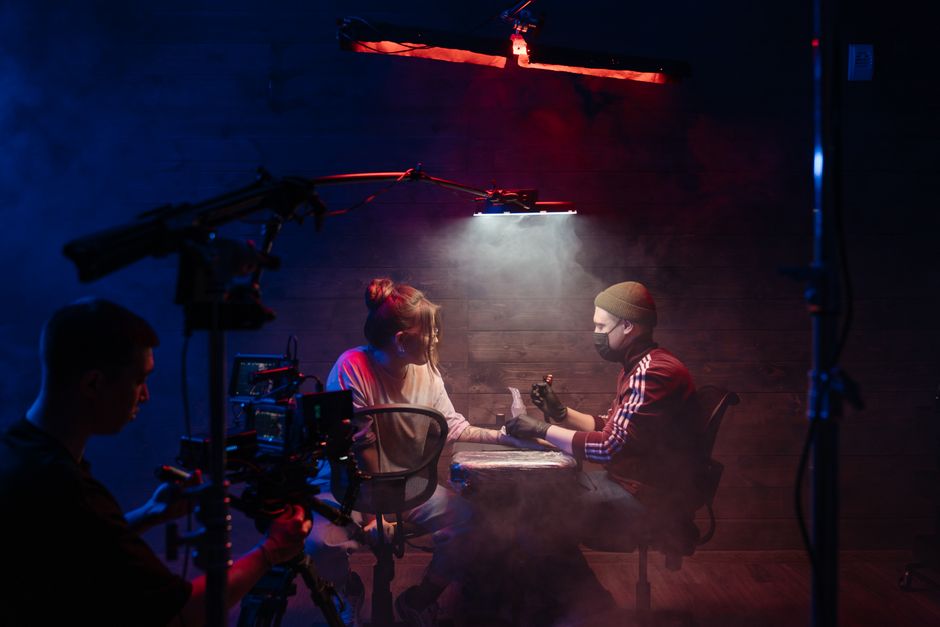
How does being run down affect your tattoo?
Being run down lowers your immune response, thins your energy reserves, and often leaves you dehydrated, all of which make your skin less able to accept ink cleanly and heal well.
Run down does not always mean a full-blown flu. It can be the aftermath of a stressful work week, poor sleep, skipped meals, or a body still recovering from something. In all of these states, your skin is not at its best, and skin is exactly what your Tattoo Artist is working with.
According to the American Academy of Dermatology tattoo care guidelines, proper aftercare and healthy skin are central to how well a tattoo heals. When you arrive depleted, you are starting the healing race several steps behind before the machine even touches your skin.
Dehydration: Dry skin takes ink poorly and can cause patchy results.
Low energy: Fatigue makes you more sensitive to pain and lightheadedness.
Weakened defense: A tired body is slower to close and protect the wound.
Why does illness slow tattoo healing?
Illness slows tattoo healing because your body diverts white blood cells, nutrients, and energy toward fighting the illness, leaving fewer resources to repair the fresh skin trauma a tattoo creates.
A healing tattoo follows a predictable timeline: inflammation, scabbing, peeling, and settling. Every one of those stages depends on a body that is firing on all cylinders. Throw sickness into the mix, and each stage stretches longer, which means more time for something to go wrong.
Longer healing windows also mean a longer window for bacteria to sneak in. That is why hygiene standards matter so much. Professional studios follow the kind of guidance laid out in OSHA bloodborne pathogen standards, but even the cleanest studio cannot rewire a compromised immune system. Your health is the one variable the artist cannot control for you.
Pro Tip: If you are on antibiotics or recovering from a fever, wait until you have been fully symptom-free for several days before booking your session.
What signs mean you should reschedule your tattoo?
You should reschedule your tattoo if you have a fever, active cold or flu symptoms, an infection, are taking antibiotics, or simply feel too exhausted to sit through a session.
Your body is honest with you. Listen to it. Here are the clear signals that today is not the day:
Fever or chills: A raised temperature means your immune system is at war.
Cold or flu symptoms: Congestion, coughing, and body aches all point to a run-down state.
Active infection: Any infection, anywhere, is a reason to wait.
On antibiotics: If you need medication to fight something, your body is not ready.
Deep fatigue: If sitting still for hours sounds unbearable, reschedule.
Rescheduling is not a setback. It is a sign that you respect the craft and your own body. A good Tattoo Artist will thank you for the honesty, and the ink will still be there waiting when you are well.
How do you prepare your body for a tattoo?
You prepare your body for a tattoo by sleeping well, staying hydrated, eating a solid meal beforehand, avoiding alcohol, and making sure you are fully healthy in the days leading up to your appointment.
Preparation is where you plant the seeds for a clean heal. Give your body every advantage, and it will reward you with sharper lines and truer color. Here is a simple step-by-step game plan.
Step 1: Rest the week before
Aim for consistent, quality sleep in the days ahead. A rested body walks into the studio with a full tank.
Step 2: Hydrate consistently
Drink plenty of water for several days leading up. Hydrated skin takes ink far better than dry, tired skin.
Step 3: Eat before you sit
Have a real meal a couple of hours before your session to keep your blood sugar steady and prevent lightheadedness.
Step 4: Skip alcohol and stay honest
Alcohol thins your blood and dulls your healing. And if you feel a cold coming on, tell your artist right away.

Why do professional Tattoo Artists turn sick clients away?
Professional Tattoo Artists turn sick clients away to protect the client's health, safeguard the quality of the work, and uphold the safety standards that define a trustworthy Tattoo Studio.
A seasoned Tattoo Artist is not just an image-maker. They are a guardian of the process. When you sit down in the chair, they are quietly assessing your skin, your energy, and even your honesty about how you feel. Turning away a sick client is not lost income; it is a mark of integrity.
This judgment is not something you pick up overnight or from a YouTube video. It is learned through live, in-person mentorship, watching an experienced Mentor read a client and make the call. That kind of instinct is exactly what separates a professional from someone holding a Tattoo Machine for the first time. If you want to understand the deeper picture of professional standards, our guide on the mistakes aspiring tattoo apprentices should avoid is a strong next read.
How do you learn to guide clients like a pro?
You learn to guide clients like a professional by training under experienced Mentors in a real Tattoo Studio, where you absorb health screening, hygiene, and client care alongside your technical skills.
Maybe reading all of this has stirred something in you. Maybe you are not just the person in the chair, but the person who wants to be behind the Tattoo Machine, building a real career instead of clocking into a job that leaves your creative potential collecting dust.
That is the crossroads we help people cross every day. Being a great Tattoo Artist means mastering both the art and the responsibility, knowing when to work and when to send a client home to rest. This is a craft that machines cannot replicate, which is exactly why tattoo artists are still essential in an AI-driven world. Human judgment, empathy, and touch cannot be automated.
For fifteen years since our founding, Ink Different Tattoos has trained aspiring professionals through hands-on Tattoo Artist Training. We are proud to be a tattoo apprenticeships as a college alternative for people who display and pursue excellence, and our apprenticeships have become a serious path for those exploring meaningful career options outside the traditional degree track.
What you can expect from our Traditional Tattoo Apprenticeship
Our Traditional Tattoo Apprenticeship is an 18- to 24-month, four-phase Tattoo Artist training program that takes you from beginner to job-ready professional, with licensing support and personalized hands-on mentorship.
You do not need any prior art experience to begin. Our tattoo apprenticeship is built to meet you exactly where you are and grow you into a skilled professional, with hands-on training in our tattoo studios, working alongside real Mentors and real clients.
Personalized training: Hands-on guidance tailored to how you learn.
Start remote, finish in studio: Build fundamentals, then step into a working Tattoo Shop.
Beginner-friendly: No experience required; we teach from the ground up.
Job-ready skills and licensing support: Graduate prepared to work professionally.
A career that comes with confidence
We build an AI-proof career for you, one rooted in a craft that cannot be outsourced or automated. Our licensing support walks you through the real-world steps, whether that means learning how to get your tattoo license in Texas or navigating requirements in another state. You will also learn to build your presence using the right platforms to help tattoo artists build their brand.
Mentorship that pushes your skills further
For those ready to accelerate their career, our one-year in-person Master Mentorship pairs you with celebrity and award-winning Master Mentors, including Al Fliction, Liz Cook, Kyle Dunbar, Boneface, and Jordi Pla. It is ideal for mastering a specific style, launching a personal brand, and stepping toward business ownership.
Making tattoo training accessible for everyone
We believe excellence should not be gated by language. Ink Different offers Spanish-speaking locations in Denver, Orange County, NYC, Miami, San Antonio, and San Diego, so more aspiring artists can find a home in our Good Humans culture.
Ready to become a Tattoo Artist?
Your creative potential is not meant to sit idle. The tattoo world rewards people who understand the craft deeply, from health and hygiene to line work and color. Seats in our tattoo apprenticeship are limited.
Ready to become a Tattoo Artist? Apply now to Ink Different's Traditional Tattoo Apprenticeship and start building an AI-proof career with licensing support along the way. Prefer to test the waters first? Fill out our quick questionnaire to get personalized support and find out if our tattoo apprenticeship is right for you.
Related reading: career change tattoo apprenticeship and tools every beginner tattoo artist should know.
Frequently Asked Questions
Can I get a tattoo if I only have a mild cold?
It is best to wait. Even a mild cold means your immune system is actively working, which can slow healing and increase infection risk.
How long should I wait after being sick to get a tattoo?
Wait until you have been fully symptom-free for at least a few days and finished any antibiotics. A recovered body accepts ink better and heals cleanly.
Does being run down really affect how a tattoo turns out?
Yes. Being run down causes dehydration and low energy, which can result in patchy color, slower healing, and greater pain sensitivity during your session.
Do I need art experience to start a tattoo apprenticeship?
No. Ink Different's Traditional Tattoo Apprenticeship is built for complete beginners and teaches fundamentals from day one through personalized, hands-on training.
How long does the Traditional Tattoo Apprenticeship take?
The Traditional Tattoo Apprenticeship runs 18 to 24 months across four phases. You start remote and finish in-studio, graduating with job-ready skills and licensing support.
What makes Ink Different Tattoos different from other training options?
Ink Different offers live, in-person mentorship, a Good Humans culture, and access to award-winning Mentors, making it a serious alternative to traditional education.