Common Myths About Getting Tattoos Debunked
Not Everything You’ve Heard About Tattoos Is True
Getting a tattoo is a big deal, and it makes total sense to do your research before committing to something permanent. But somewhere between asking friends and falling down a Google rabbit hole, you've probably picked up a few "facts" that aren't actually facts at all. Tattoo myths have been floating around for decades, and honestly, they've talked a lot of people out of getting ink they would have absolutely loved.
Tattoos are more popular than ever, with 32% of Americans having at least one, and over 22% having more than one. The global tattoo industry reflects that too, growing from around $2.66 billion in 2026 and expected to nearly double by 2034. Clearly, more and more people are getting comfortable with the idea of getting tattooed. But the myths? They're still doing their damage, making people hesitate or skip the experience altogether over things that just aren't true.
So this one's for anyone sitting on the fence, or anyone who's been told something about tattoos that made them second-guess the whole thing. We're breaking down the most common tattoo myths and giving you the true information you actually need before walking into a tattoo studio.
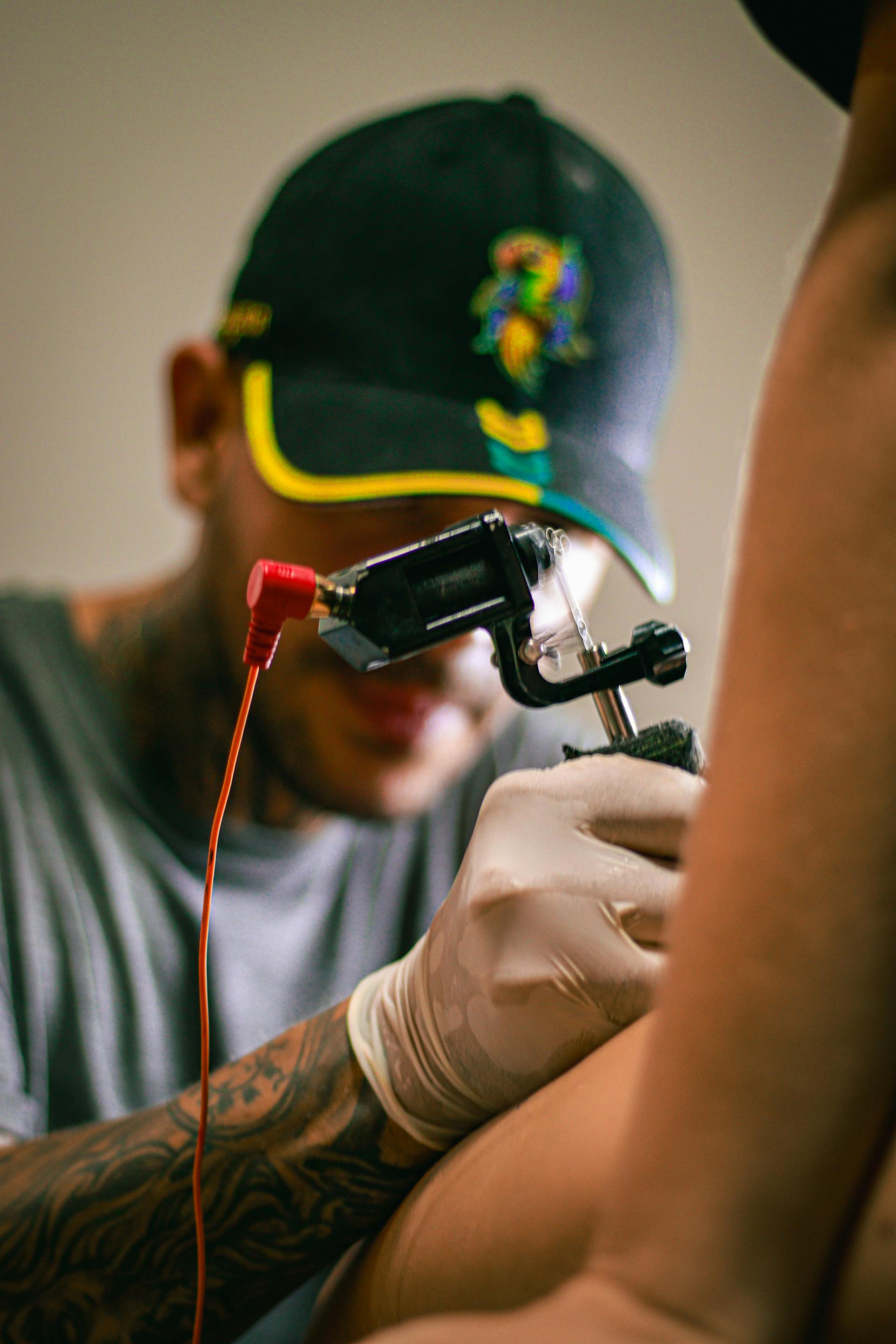
Myth #1: Tattoos Are Unbearably Painful
Pain is probably the first thing people bring up when tattoos come up in conversation, and the horror stories spread fast. Here's the truth, though: pain is deeply personal, and what feels intense to one person feels completely manageable to another.
Factors like your individual pain tolerance, hydration levels, and even your stress levels all play a role in how you experience the process. A forearm tattoo hits very differently from one on your ribs or the back of your knee, so placement makes a huge difference, too.
What most people describe after their first session isn't unbearable pain. It's more like a scratching or warm pressure sensation that your body actually adjusts to over time. Smaller tattoos are usually done in one sitting, and even longer sessions are broken into manageable stretches with breaks in between.
A good Tattoo Artist reads the room, checks in with you, and makes sure you're comfortable throughout the whole process. Is there discomfort? Sure. But "unbearable" is a stretch for the vast majority of people, and most clients walk out already thinking about their next one.
Myth #2: Dark Skin Tones Can't Get Certain Tattoo Styles
This myth has unfortunately discouraged a lot of people with deeper skin tones from exploring tattoos the way they'd like to. The reality is that tattoos absolutely show up beautifully on dark skin. But the key is working with a Tattoo Artist who actually knows how to work with your skin tone.
Ink selection matters, needle depth matters, and technique matters. A skilled Tattoo Artist adjusts all of these things based on the client in front of them, not a one-size-fits-all approach.
Styles like blackwork, tribal, geometric, and bold traditional designs look stunning on darker skin and have for centuries. Even color tattoos are possible with the right ink choices and the right hands doing the work. The gap isn't in what's possible, it's in finding a Tattoo Artist with actual experience across a range of skin tones.
Myth #3: Tattoos Stretch and Ruin as You Age
"But what will it look like when you're 80?" is probably the most recycled line in the anti-tattoo playbook. Yes, skin changes as you age. It loses elasticity, develops wrinkles, and shifts in texture over time. But here's the thing: a well-placed, well-done tattoo ages far more gracefully than people expect. Placement plays a huge role. Areas with more sun exposure or significant weight fluctuation tend to show more wear, while areas with more stable skin hold ink better.
Aftercare is another big factor that people underestimate. Tattoos that are properly moisturized, protected from the sun, and touched up when needed stay looking sharp for a long time. Most people's tattoos don't fall apart in their 30s or 40s. The ones that age poorly are usually the result of poor placement choices, low-quality ink, or years of sun damage without any sun protection.
Myth #4: You Can't Get a Tattoo Over Scars or Stretch Marks
This one stops a lot of people from considering tattoos as a way to reclaim parts of their body they feel self-conscious about. That's a shame because tattooing over scars and stretch marks is absolutely possible in many cases. The key word is "many," because not every scar is the same.
Raised keloid scars, for example, need a lot more consideration than flat, fully healed scars. The age of the scar matters, too. Fresh scars need time to fully heal before any ink goes near them. A professional Tattoo Artist will always assess the area before committing to a plan.
The most important step is having an honest consultation with your Tattoo Artist. They can look at the area, understand your skin's history, and give you a realistic picture of what's achievable.
Myth #5: Cheap Tattoos Are Just as Good as Expensive Ones
It's tempting to shop around for the lowest price, especially when you're getting your first tattoo, and you're not sure what to expect. But tattooing is one of those things where the price usually reflects the quality, the experience, and the safety standards behind it. A higher price often means better ink, cleaner equipment, a more experienced Tattoo Artist, and a studio that takes hygiene seriously.
Going cheap can also end up costing more in the long run. A poorly done tattoo often needs touch-ups, corrections, or even a full cover-up, and fixing someone else's work is never cheap. Beyond the aesthetics, cutting corners on safety puts your health at risk. Infections, allergic reactions, and scarring are all possibilities when proper protocols aren't followed.
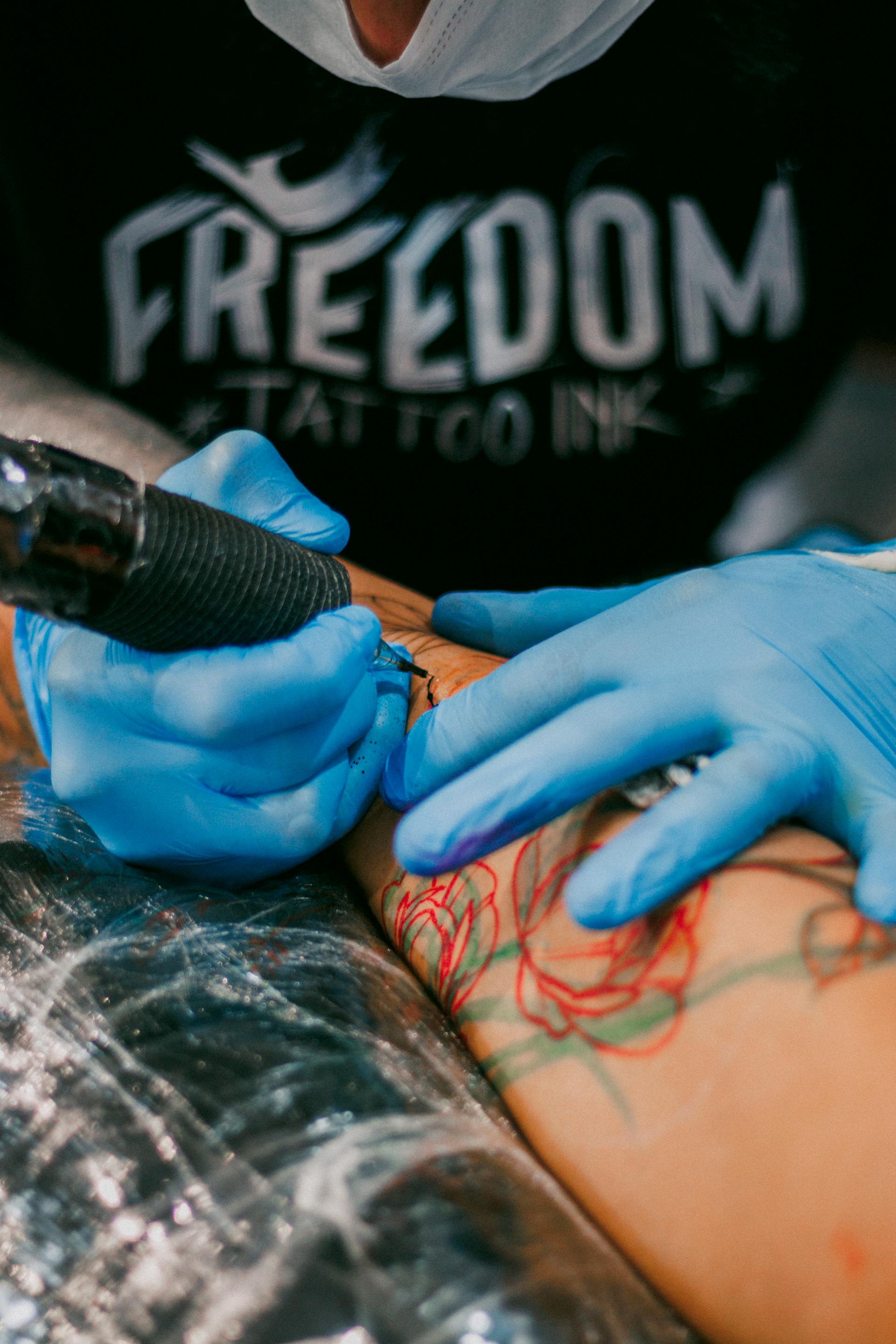
Myth #6: All Tattoo Studios Are the Same
Walking into any tattoo studio and assuming the experience will be roughly the same is a bit like assuming all restaurants serve the same food. Tattoo studios vary enormously in terms of cleanliness, skill level, equipment quality, and overall environment. Some follow rigorous sanitation protocols and keep their space immaculate. Others are far more relaxed about hygiene standards, which is genuinely a health concern, not just an aesthetic one.
The Tattoo Artists themselves make an even bigger difference. Every Tattoo Artist has a specialty, a style, and a level of experience that shapes the outcome of your tattoo. Some are exceptional at fine line work, others shine in realism or traditional styles. Choosing the right tattoo studio means doing your research, looking through portfolios, reading reviews, and asking questions before you commit.
Where to Get Your Tattoo Done Right the First Time
At Ink Different Tattoos, we've built a space where clients feel comfortable, respected, and genuinely excited about the work being done on their skin.
Here's what sets Ink Different Tattoos apart:
Tattoo Artists who listen first: Our Tattoo Artists don't just pick up the needle and get to work. They take the time to understand what you want, talk through your ideas, and make sure the final design actually feels like you.
A clean, safe tattoo studio environment: Hygiene isn't something we treat as optional. Ink Different Tattoos follows strict sanitation protocols across every workstation, every session, every time.
Custom work that's actually custom: Cookie-cutter designs aren't our thing. We work with you from concept to completion so your tattoo reflects exactly what you had in mind.
A team rooted in mentorship and growth: Ink Different Tattoos is also home to the Traditional Tattoo Apprenticeship. This means we’re also training the next generation of professional Tattoo Artists with high standards.
The myths end here, and your tattoo journey starts with people who actually care about getting it right. Ink Different Tattoos is ready when you are.
Myths Busted: Now Go Get That Tattoo You've Been Putting Off
Fear and misinformation have a way of keeping people stuck, and that's exactly what tattoo myths do. But now you know the truth about pain, skin tones, aging, scars, pricing, and studio standards. None of it should be standing between you and the tattoo you actually want.
If you've been holding off because of something you heard or read, let this be the nudge that gets you moving. Book a consultation with Ink Different Tattoos today and start the conversation. We're here to answer your questions, walk you through the process, and make sure your tattoo is something you'll be proud to carry with you.
Frequently Asked Questions
Is it true that tattoos on certain body parts fade faster than others?
Yes, placement genuinely affects how well a tattoo holds up over time. Areas with high friction, like hands, fingers, and feet, tend to fade faster because the skin regenerates more quickly and experiences more daily wear. On the other hand, areas like the upper arm, back, and thigh tend to retain ink much longer, especially with proper aftercare and sun protection.
Do tattoo myths affect the experience even if you don't fully believe them?
They can, more than most people realize. Going into a tattoo session with anxiety rooted in myths can actually make the experience feel worse than it needs to be. Doing your research beforehand and having a conversation with your Tattoo Artist helps you walk in calm, informed, and ready, making the whole session smoother.
Is it a myth that you need to wait a long time between tattoo sessions?
Partly. There's no universal waiting period. But your skin does need time to heal between sessions, especially if you're adding to an existing piece or tattooing near a recently healed area. Most Tattoo Artists recommend waiting until the skin is fully healed, which typically takes two to four weeks or longer.
Do all tattoo styles work equally well as cover-ups for old or faded tattoos?
Not quite. Some styles are much better suited for cover-up work than others. Bold, dark designs like traditional or blackwork tattoos tend to be the most effective at covering older ink. Meanwhile, lighter or more delicate styles like fine line work have limitations depending on what's underneath. A skilled Tattoo Artist will assess your existing tattoo and be upfront about which directions are realistic.