What Clients Fear Most About Robot Tattoos
Clients Want Human Hands, Not Robotic Needles
Robotic tattooing is one of those topics that makes people do a double-take. A machine, holding a needle, permanently marking your skin? It sounds like something out of a sci-fi movie. But it's real, it's here, and tattoo clients everywhere are asking the same question: should I be worried?
Honestly, the curiosity makes sense. Technology moves fast, and the tattoo industry is no exception. Robotic tattoo machines promise precision, consistency, and speed. That sounds great on paper. But when it's your skin on the line, "sounds great on paper" doesn't always feel like enough.
Read on as we break down the fears clients have about robot tattooing and why a skilled human Tattoo Artist still makes all the difference.
"Will It Feel Like I'm Being Tattooed by a Machine?" — The Human Touch Fear
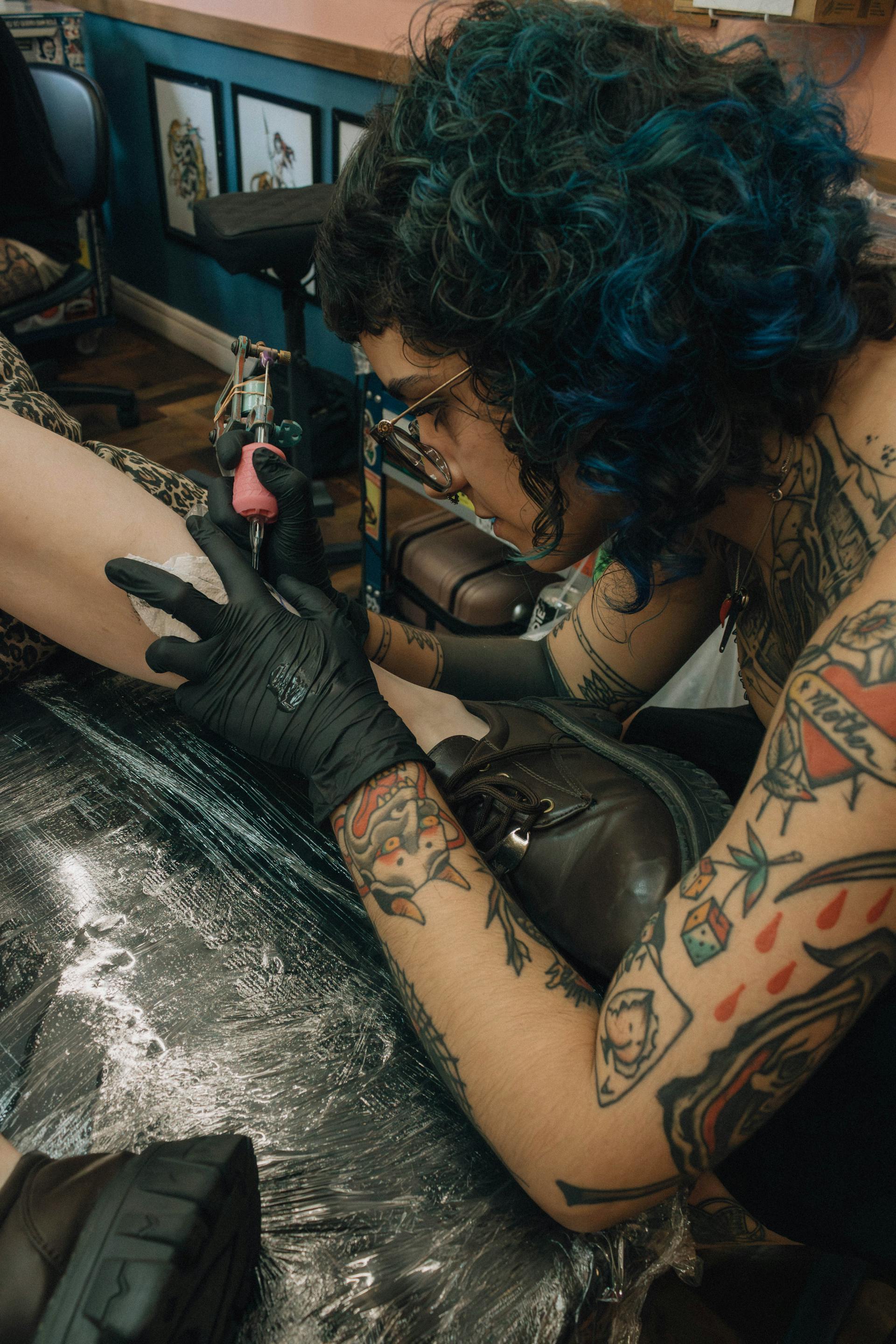
Getting a tattoo is rarely just about the design. For most people, it's an experience. There's a conversation with the Tattoo Artist, a moment of trust, maybe some nervous laughter before the needle touches skin. That back-and-forth matters more than people realize.
A robotic system doesn't check in with you. It doesn't notice that you tensed up or that you need a 30-second break. The emotional and human side of tattooing is something a machine simply isn't built to provide. And for many clients, that alone is reason enough to stick with a human hand.
"What If the Machine Makes a Mistake?" — The Error Fear
This fear is completely understandable. Tattoos are permanent, so the idea of a miscalibration or technical glitch causing damage to your skin is genuinely unsettling. Robotic tattooing systems are designed with precision in mind, but they aren't foolproof.
Any machine is only as reliable as the software and setup behind it. If something goes wrong mid-session, a human Tattoo Artist can stop, reassess, and adjust on the spot. A robotic system doesn't have that kind of instinct or judgment, and that gap in real-time decision-making is a legitimate concern.
"Can It Handle Custom Designs?" — The Creativity Fear
One of the biggest draws of getting a tattoo is the ability to get something truly yours. A skilled Tattoo Artist can take your idea, add their own artistic perspective, and create something that feels personal and alive on your skin.
Robotic systems work from pre-loaded digital files. They follow instructions well, but they don't interpret. They can't look at your idea and suggest a better placement, a bolder line, or a softer shade that would suit your skin tone better. Custom tattoo work requires creative judgment, and that's not something a machine can replicate right now.
"Is It Even Safe?" — The Health and Skin Safety Fear
Safety is non-negotiable when it comes to tattooing. Clients want to know that the equipment is sterile, that the process is regulated, and that their skin is in good hands. With robotic tattooing, those assurances get murky.
Human skin isn't uniform. It shifts with age, stretches differently across different body parts, and responds differently depending on skin type. A human Tattoo Artist reads these differences and adjusts in real time. A robotic machine works from a fixed program, which raises questions about how it handles unpredictable skin behavior during a session.
"Will the Results Actually Look Good?" — The Quality Fear
Precision sounds impressive, but tattoo quality goes beyond clean lines. Great tattoos have depth, flow, and character. The shading builds gradually. The linework has personality. These are things that come from a Tattoo Artist's practiced hand and trained eye.
Robotic systems can execute a digital design with accuracy, but they don't have the sensitivity to feel how the needle is sitting in the skin. A human Tattoo Artist feels and sees the difference between a clean pass and one that needs adjusting. That level of craft is hard to bottle into an algorithm.
"What Happens If Something Goes Wrong?" — The Accountability Fear
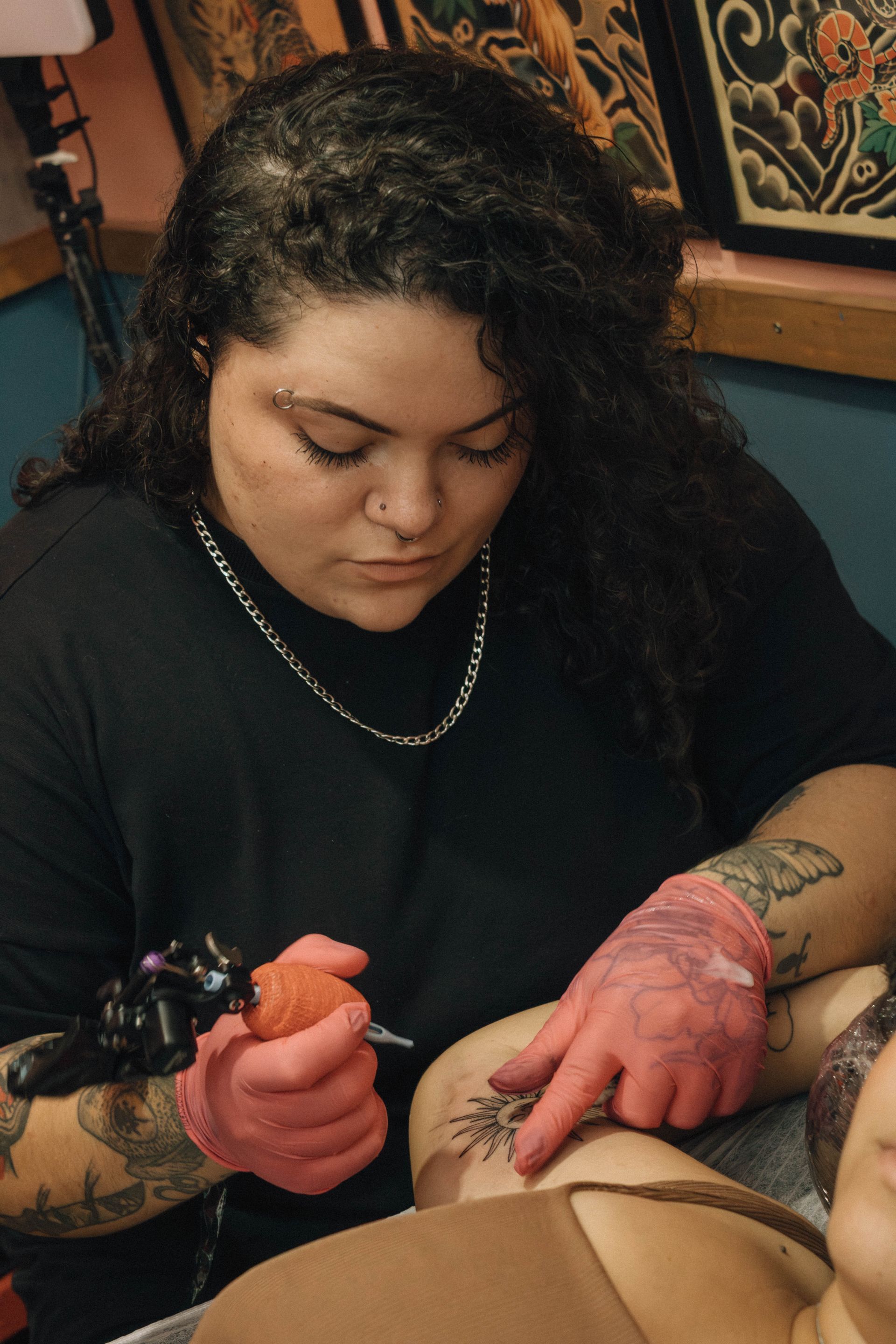
Here's a scenario most clients don't want to think about but probably should. Something goes wrong mid-tattoo. Maybe the design shifted. Maybe the shading looks off. With a human Tattoo Artist, you pause, talk it through, and figure it out together.
With a robotic system, accountability becomes complicated. Who's responsible when a machine causes a bad result? The operator? The software developer? The studio? Clients deserve clear answers, and right now, robotic tattooing doesn't always offer them.
Human Tattoo Artists Still Win — And Why That Matters
Robotic tattooing is an interesting development, but it hasn't come close to replacing the skill, instinct, and heart that Tattoo Artists bring to every session. Here's what machines simply can't match:
Real-time adaptability. Human Tattoo Artists adjust on the fly based on how your skin responds, how you're feeling, and how the design is landing. No machine does that.
Artistic intuition. A skilled Tattoo Artist brings creative judgment to every piece, noticing things a digital file never could.
Client connection. The rapport between a client and their Tattoo Artist makes the whole experience better. It's part of what makes tattoos meaningful.
Problem-solving mid-session. Skin moves, designs shift, and sometimes things need a quick rethink. A human Tattoo Artist handles that naturally.
Personalized guidance. From placement advice to aftercare tips, a human Tattoo Artist walks you through every step with care and context.
The fears surrounding robotic tattooing aren't just overthinking. They point to something true: that tattooing is a deeply human experience. Technology can be impressive, but impressive doesn't always mean better.
Why Ink Different Tattoos Has Got Your Back
Choosing where to get tattooed is a big decision, and if the idea of a robotic machine has you second-guessing the whole thing, that's completely fair. At Ink Different Tattoos, every tattoo is handled by a skilled, human Tattoo Artist who actually cares about the outcome. Here's what sets us apart:
Tattoo Artists who listen. Our Tattoo Artists take the time to understand your vision before picking up a needle. Your comfort and your story matter here.
A clean, safe studio environment. Hygiene and safety are taken seriously at every step. You can walk in knowing the space is sterile, professional, and ready for you.
Custom work done right. No cookie-cutter designs here. Every piece is built around you, your skin, and what you want to carry with you for life.
Mentorship-driven excellence. At Ink Different Tattoos, our work goes beyond the tattoo chair. We’re also proud to train and guide the next generation of Tattoo Artists through our Traditional Tattoo Apprenticeship.
When you sit in our chair, you're not just getting a tattoo. You're getting the full attention of a skilled human professional who has the expertise, the care, and the commitment to get it right.
The Human Side of Tattooing Still Matters Most
At the end of the day, the fears around robotic tattooing aren't irrational. They're a natural response to something that feels unfamiliar and, honestly, a little impersonal. Tattooing has always been about trust, connection, and craft, and those things don't transfer easily to a machine.
Technology will keep evolving, and that's fine. But for something as permanent and personal as a tattoo, most clients want a human being in that seat next to them. Someone who can hear them, see them, and respond to them. That's something no algorithm can replicate.
If you're ready to get tattooed by someone who truly cares about the work, book a consultation with Ink Different Tattoos today. We're here to make the whole experience feel exactly the way it should: personal, safe, and worth every second.
Frequently Asked Questions
Is robotic tattooing available in most tattoo studios?
Robotic tattooing is still far from mainstream. Most professional tattoo studios continue to rely on skilled human Tattoo Artists for all their work.
Can a robotic tattoo machine handle all skin types?
This is one of the biggest concerns about robotic tattooing. Human skin varies significantly, and a machine working from a fixed program may not adapt well to different textures, tones, or sensitivities.
Who is legally responsible if a robotic tattoo goes wrong?
That's still a grey area in most places. Because robotic tattooing is so new, liability between studio operators, machine manufacturers, and software developers isn't clearly defined yet.
Does robotic tattooing hurt less than getting tattooed by a human?
There's no strong evidence that robotic tattooing is significantly less painful. Pain depends more on placement, needle depth, and skin sensitivity than on whether a human or machine is doing the work.