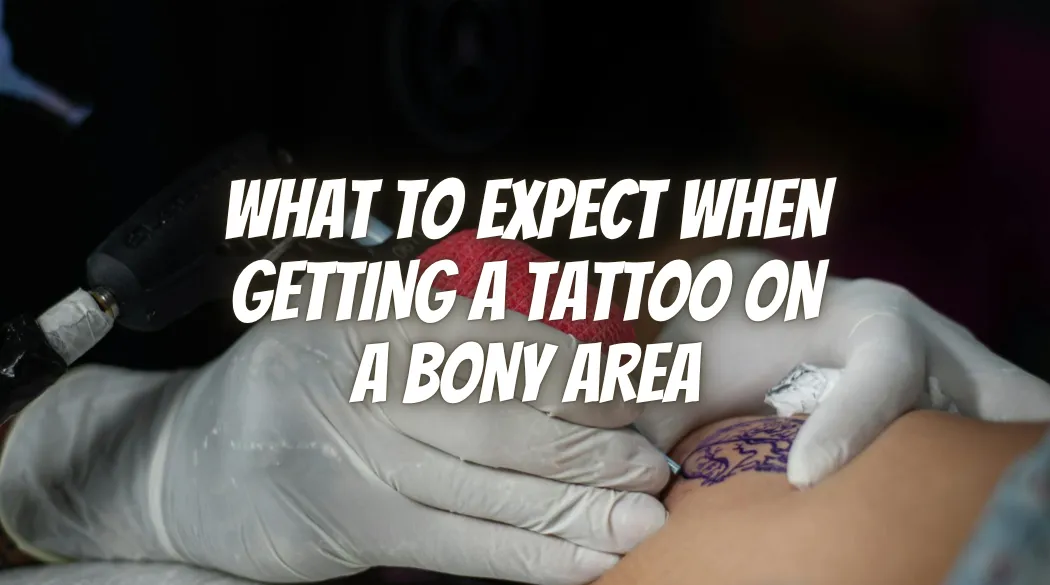
What to Expect When Getting a Tattoo on a Bony Area
Bony Spots Hurt More, but the Results Are Worth It
Key Takeaways
Bony areas are more sensitive because there's less cushioning between skin and bone
Pain levels vary depending on the specific bony spot
Proper prep before your session makes a huge difference
Healing on bony areas needs extra attention
Knowing what to expect helps you feel more confident going in
Getting a tattoo on a bony area sounds intimidating, and honestly, it can be. You've probably heard horror stories about rib tattoos or seen someone squirm during a spine piece. But here's the thing. Millions of people get tattoos on bony spots every single day, and they come out the other side with some of their most beautiful work.
The pain is there, but it's also manageable. A big part of what makes the experience rough for most people isn't just the sensation itself. It's going in without knowing what to expect. Uncertainty makes everything feel worse. When you know what's coming, you can breathe through it, pace yourself, and actually enjoy the process.
This guide walks you through everything you need to know before sitting for a bony area tattoo. From why it hurts to how it heals, here's what to expect.
Why Bony Areas Hurt More Than Other Spots
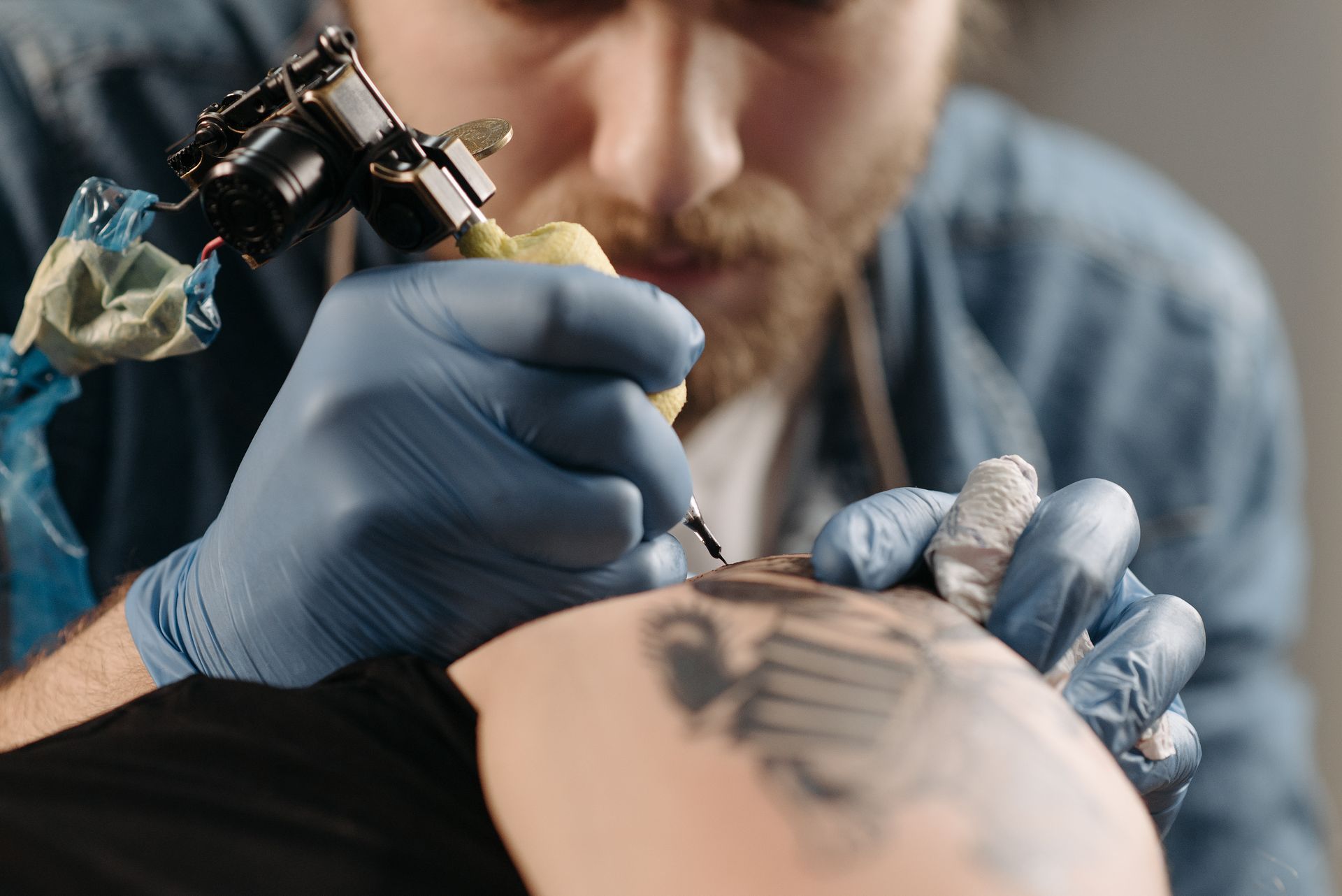
When a needle works over an area with thick muscle or fat underneath, that tissue absorbs a lot of the vibration and pressure. Bony areas don't have that buffer. The skin sits directly over bone, so every pass of the needle sends sensation straight down with nowhere else to go.
Your nerve endings also tend to cluster closer to the surface in these spots, which turns up the intensity even more. It's not that Tattoo Artists press harder or use different techniques. The anatomy just hits different in these areas.
The Most Common Bony Tattoo Spots (And What Each Feels Like)
Every bony placement has its own personality when it comes to pain. Some people find certain spots surprisingly tolerable, while others tap out faster than expected. Here's a quick breakdown:
Ribs – Sharp, scratchy, and intense. Breathing during the session makes it trickier because your body is constantly moving.
Spine – Deep vibration that radiates outward. Many people describe it as an uncomfortable buzzing that's hard to ignore.
Collarbone – Scratchy and stingy, especially near the center where the bone is closest to the surface.
Elbow ditch (inner elbow) – Surprisingly painful for such a small area. Lots of nerve endings, and the skin is thin.
Shin – A sharp, scratching sensation that builds over time. The bone is so close to the skin here that you really feel every line.
Ankle – Sensitive and bony all at once. The less flesh around the ankle bone, the sharper it gets.
Fingers – Intense and quick. The knuckles in particular are known for being rough, and ink retention can be tricky here.
Knees – Similar to the elbow ditch. The kneecap area vibrates intensely, and the skin around it is tight.
Pain is personal, though. Your pain tolerance, hydration, sleep, and even your stress levels that day all play a role in how you experience it.
How to Prepare Your Body Before the Appointment
Good prep doesn't eliminate the pain, but it makes a noticeable difference in how well you handle it. Going in unprepared is like running a race without warming up. Your body just isn't ready for it.
Here's what to do before your session:
Sleep well the night before – A rested body handles pain and stress much better than an exhausted one.
Eat a full meal 1–2 hours before – Your blood sugar needs to stay stable throughout the session. Don't show up on an empty stomach.
Drink plenty of water – Well-hydrated skin is easier to tattoo, and your body copes better when it's not running on low.
Avoid alcohol for at least 24 hours – Alcohol thins your blood and makes you more sensitive to pain. It also affects how your skin takes ink.
Wear comfortable, accessible clothing – Think about where the tattoo is going and dress so your Tattoo Artist can reach it easily without awkward positioning.
Skip numbing creams unless your Tattoo Artist approves them – Some numbing products affect skin texture and make the tattooing process harder. Always check first.
Take deep, steady breaths – It sounds simple, but controlled breathing genuinely helps your nervous system stay calm during painful moments.
What Happens During the Session
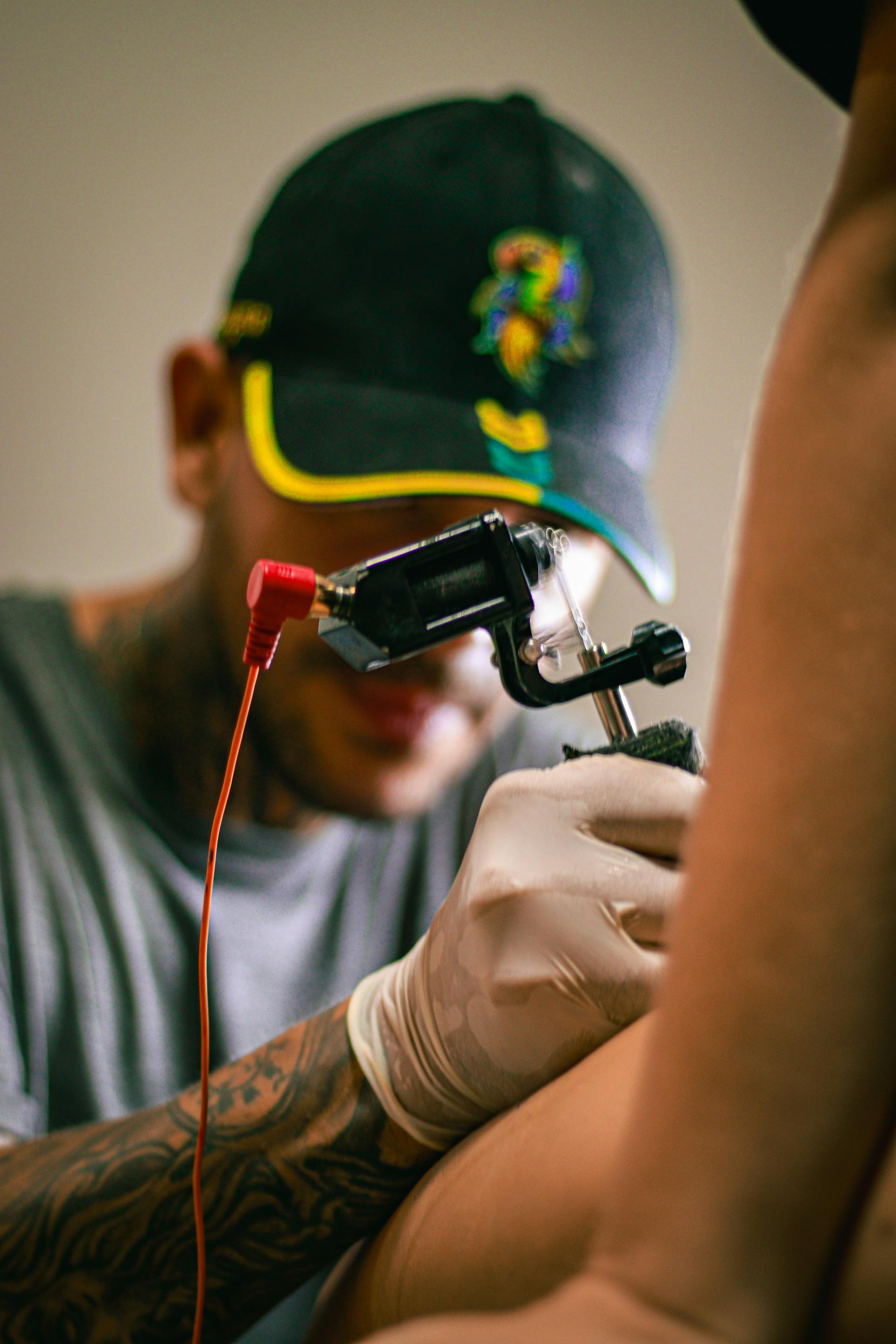
Your Tattoo Artist knows these spots well. Experienced Tattoo Artists work through bony areas with pacing and technique adjustments that help reduce unnecessary discomfort. They might shorten their strokes, work in smaller sections, or give you more frequent breaks depending on how the session is going.
Expect the skin behavior to feel different here too. Bony areas can be more reactive, meaning the skin may swell slightly or look more irritated than it would on a fleshier part. That's normal.
A good Tattoo Artist will keep checking in with you and adjusting their approach as needed. Don't be afraid to ask for a break when you need one. Toughing it out without saying anything doesn't make you stronger. It just makes the session harder for everyone.
The Healing Process on Bony Areas
Healing on bony spots tends to take a bit more attention than other areas. Because the skin is thinner and stretched tighter over bone, it can be more prone to dryness, peeling, and minor ink fallout during healing. Joints like knees, elbows, and ankles move constantly, which adds another layer of challenge.
Keep the tattoo moisturized but not over-saturated. Follow your Tattoo Artist's aftercare instructions closely. Avoid tight clothing, direct sun exposure, and soaking the area in water while it heals. Touch-ups are also more common with bony placements, so don't panic if a small section needs a refresh once it's fully healed. That's part of the process.
Is a Bony Placement Right for You?
If you've been going back and forth on a bony spot, the honest answer is that it comes down to how much the placement matters to you. Pain is temporary. The tattoo stays. Most people who sit through a rib or spine piece will tell you it was 100% worth it.
That said, it's a good idea to work your way up if you're newer to tattoos. Getting some experience with less sensitive spots first gives you a better read on your own pain tolerance. And when you do go for that bony placement, you'll feel more confident going in because you'll already know how your body responds.
Where Experience Meets Care: Why Ink Different Tattoos Should Be Your First Call
Getting a tattoo on a bony area asks more of you, and it asks more of your Tattoo Artist too. The technique, the pacing, the communication, all of it matters more when the placement is already a challenge. That's exactly why choosing the right tattoo studio makes such a big difference.
At Ink Different Tattoos, here's what you can expect:
Tattoo Artists who know how to work through difficult placements: Our Tattoo Artists have experience with all types of bony spots. They know how to pace a session, read the client's comfort level, and adjust their approach without sacrificing quality.
A clean, safe, and welcoming tattoo studio environment: Hygiene and safety are non-negotiable here. Every station is sterilized, and every tool is handled with the kind of care that lets you relax and focus on the experience.
A team built on mentorship and ongoing growth: We also run the Traditional Tattoo Apprenticeship to train the next generation of Tattoo Artists.
When your placement is challenging, you want a team that's done it before and done it well. That's what you get here.
Stop Waiting and Book the Tattoo You've Been Putting Off
Bony area tattoos are uncomfortable; there's no sugarcoating that. But discomfort fades. A well-executed tattoo in the exact spot you've been dreaming about? That stays with you for life.
The biggest thing holding most people back isn't the pain. It's going in without the right information and without the right people around them. Now you have both. You know what to expect, how to prepare, what the session will feel like, and how to take care of your tattoo while it heals.
The only thing left is to actually book it. Schedules at Ink Different Tattoos fill up fast, and you've already been thinking about this long enough. Reach out to Ink Different Tattoos today and lock in your session before your spot is gone.
Frequently Asked Questions
Can numbing cream make a bony area tattoo completely painless?
Numbing cream can take the edge off, but it rarely eliminates the sensation entirely on bony spots. Always check with your Tattoo Artist before applying anything, since some products affect how the skin takes ink.
Why does tattooing over bone feel like vibration more than stinging?
The bone itself conducts and amplifies the vibration from the needle. Without cushioning tissue in between, that buzz travels further and feels more intense than it would on a fleshier area.
Are touch-ups more common with bony area tattoos?
Yes, they can be. Thinner skin, constant joint movement, and the healing challenges of bony placements mean some ink fallout is more likely. Most Tattoo Artists factor this in and offer a touch-up session once the tattoo is fully healed.
Does the size of the tattoo affect how painful a bony placement feels?
Yes. A larger piece means more time on the needle, and pain on bony areas tends to build the longer the session goes. Breaking a larger piece into multiple sessions is a smart way to keep the experience manageable.